PrognoHealth – Corporate Health & Wellness Specialist
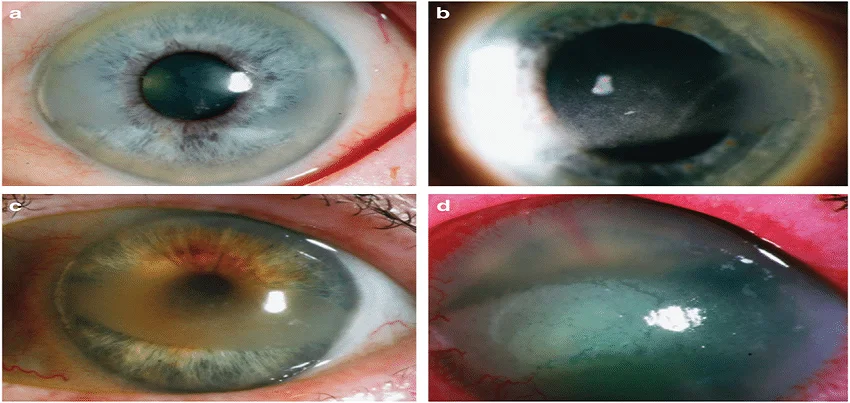
Band-Shaped Keratopathy Band-shaped keratopathy is a type of corneal degeneration that affects the peripheral part of the cornea, which is the clear outer layer of the eye. It is characterized by the formation of a “band” of calcium deposits on the cornea. The condition is typically caused by long-term exposure to high levels of UV radiation, and it is more common in older adults. Symptoms of band-shaped keratopathy include:Blurred visionGlare and halos around lightsPain or discomfort in the eyeRedness of the eyeSensitivity to lightDecreased visual acuityDiagnosis of band-shaped keratopathy is typically made through a comprehensive eye examination, including a visual acuity test, a slit-lamp examination, and a corneal topography. Common treatment methods for band-shaped keratopathy include:Artificial tears: These can be used to lubricate the eye and reduce discomfort and dryness.Phototherapeutic keratectomy (PTK): This is a surgical procedure that uses a laser to remove the calcium deposits from the cornea.Corneal transplant: In severe cases, a corneal transplant may be necessary to improve vision and reduce discomfort. To prevent band-shaped keratopathy from occurring, it is important to protect the eyes from UV radiation. This can be done by wearing sunglasses or a wide-brimmed hat when spending time outdoors, especially during the middle of the day when UV radiation is strongest. Maintaining a healthy diet and regular exercise can also help to reduce the risk of developing band-shaped keratopathy. Corporate health and wellness programs can also play a role in preventing band-shaped keratopathy by promoting healthy habits and providing regular health check-ups. A healthy diet for band-shaped keratopathy prevention should include a variety of fruits and vegetables, whole grains, lean proteins, and healthy fats. It is also important to limit processed foods, sugary drinks, and alcohol. Exercise, such as brisk walking or cycling, for at least 30 minutes a day is also recommended for band-shaped keratopathy prevention. In summary, Band-shaped keratopathy is a type of corneal degeneration that affects the peripheral part of the cornea, characterized by the formation of a “band” of calcium deposits on the cornea. It is typically caused by long-term exposure to high levels of UV radiation, and it is more common in older adults. Common treatment methods include artificial tears, Phototherapeutic keratectomy (PTK) and corneal transplant. To prevent band-shaped keratopathy from occurring, it is important to protect the eyes from UV radiation, maintain a healthy diet and regular exercise. Corporate health and wellness programs can play a role in preventing band-shaped keratopathy by promoting healthy habits and providing regular health check-ups. Understanding Band Keratopathy 🧐👁️ What is Band Keratopathy? 🤔 Band Keratopathy is a condition that affects the cornea, the clear, outer layer of your eye. 🦋 It’s like having a band of cloudy or chalky deposits across your vision. This band can make your sight blurry and even cause discomfort. Why Does It Happen? 🧩 The cornea can develop these bands due to calcium deposits. 🧪🔬 Imagine the way limescale builds up on a kettle – that’s a bit like what happens with Band Keratopathy, but on your eye. Several factors can cause these deposits, including: • Chronic Inflammation : Conditions like uveitis can lead to persistent inflammation, resulting in deposits. 🔥• High Calcium Levels : Sometimes, high calcium in your blood can settle in the cornea. 🥛• Kidney Disease : Issues with kidney function can affect calcium levels, contributing to this condition. 🩺 Symptoms to Watch For 👀 If you have Band Keratopathy, you might notice: • Blurry Vision : Like looking through a foggy window. 🌫️• Discomfort or Pain : Your eyes might feel sore or irritated. 🥺• Visible Band on the Eye : A whitish or grayish streak across the cornea. 👁️ Diagnosing Band Keratopathy 🩻 An eye doctor can diagnose Band Keratopathy with a simple eye exam. They’ll use a special microscope to look closely at your cornea. 🔍 Treatment Options 💊 There are several ways to treat Band Keratopathy, depending on how severe it is: 1. Lubricating Eye Drops : These can help keep your eyes comfortable if your symptoms are mild. 💧2. EDTA Chelation Therapy : This involves applying a special solution to dissolve the calcium deposits. 🧴3. Surgical Removal : In more severe cases, a procedure to remove the deposits might be necessary. 🛠️ Prevention Tips 🛡️ While not all cases can be prevented, you can reduce your risk by: • Managing Chronic Conditions : Keeping diseases like uveitis or kidney problems under control. 💪• Regular Eye Check-Ups : Routine visits to your eye doctor can catch problems early. 🩺• Maintaining Balanced Calcium Levels : Consult your doctor about your calciu m intake. 🥛 Living with Band Keratopathy 🌟 Most people can manage Band Keratopathy with the right treatment and lifestyle adjustments. Keep an eye on your symptoms and stay in touch with your healthcare provider. Your vision is precious, so take good care of it! 👁️❤️For more detailed insights and guidance on eye health, visit PrognoHealth.
Read More
Aniseikonia Aniseikonia is a condition in which there is a significant difference in the perceived size of images between the two eyes. This can lead to visual discomfort, headaches, and difficulty with depth perception. Symptoms of Aniseikonia:Symptoms of Aniseikonia can include visual discomfort, headaches, double vision, and difficulty with depth perception. Some people may also experience eye strain, fatigue, and sensitivity to light. Tests for Diagnosis:Aniseikonia can be diagnosed by an ophthalmologist or optometrist during a comprehensive eye exam. The ophthalmologist or optometrist will use a specialized test called aniseikonia test to measure the perceived size of images in each eye. Common Treatment Methods:Treatment for Aniseikonia typically involves the use of corrective lenses, such as eyeglasses or contact lenses. In some cases, special lenses called aniseikonic lenses may be prescribed to correct the perceived size of images. In rare cases, surgery may be recommended to correct the underlying condition causing aniseikonia. Preventing Aniseikonia:Aniseikonia is usually caused by an underlying condition such as a congenital or acquired disorder. It can also be caused by eye surgery or trauma, regular eye check-ups are essential to detect and treat it early. Diet and Exercise to Prevent Aniseikonia:There is no specific diet or exercise that has been proven to prevent Aniseikonia. However, a healthy diet and regular exercise can help to support overall health and reduce the risk of other eye conditions. Eating a diet that is rich in fruits and vegetables, and getting enough vitamins, such as Vitamin A, C, and E, can help to support eye health. Regular exercise can also help to reduce stress, which can make you more susceptible to eye problems. Health check-up corporate health and wellness programs can help to identify and prevent Aniseikonia by providing employees with regular eye exams and screenings. These programs can also provide employees with access to resources and support to help them manage the condition. In summary, Aniseikonia is a condition in which there is a significant difference in the perceived size of images between the two eyes. This can lead to visual discomfort, headaches, and difficulty with depth perception. Symptoms can include visual discomfort, headaches, double vision, and difficulty with depth perception. Aniseikonia can be diagnosed by an ophthalmologist or optometrist during a comprehensive eye exam. The common treatment methods include the use of corrective lenses, such as eyeglasses or contact lenses and special lenses called aniseikonic lenses. Aniseikonia is usually caused by an underlying condition such as a congenital or acquired disorder, it can also be caused by eye surgery or trauma. Corporate health and wellness programs can help to identify and prevent Aniseikonia by providing employees with regular eye exams and screenings and providing employees with access to medical care with well known providers.
Read More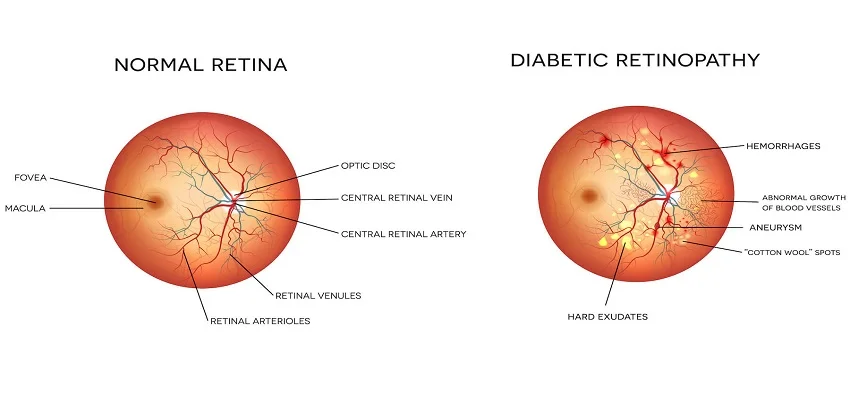
Diabetic Retinopathy Diabetic Retinopathy is a complication of diabetes that affects the retina, the light-sensitive layer at the back of the eye. It is a leading cause of blindness in adults and occurs as a result of changes in the blood vessels of the retina caused by high blood sugar levels. Symptoms of diabetic retinopathy may not be present in the early stages of the condition. As the condition progresses, symptoms may include blurred vision, floaters, and difficulty seeing at night. In more advanced stages, diabetic retinopathy may cause vision loss or blindness. The diagnosis of diabetic retinopathy is typically made through a comprehensive eye exam, including dilated fundus examination, which allows the healthcare provider to examine the retina for signs of the condition. Other tests such as Optical Coherence Tomography (OCT) and Fluorescein Angiography can also be used to diagnose diabetic retinopathy. Treatment for diabetic retinopathy can include laser therapy, which is used to seal leaking blood vessels, and injection of drugs such as anti-VEGF (vascular endothelial growth factor) that helps to reduce the growth of new blood vessels. In more advanced stages, surgery may be necessary to prevent further vision loss. The best way to prevent diabetic retinopathy is to maintain good blood sugar control, as well as blood pressure and cholesterol levels. This can be done through healthy lifestyle choices such as a well-balanced diet, regular exercise, and avoiding smoking and excessive alcohol consumption. Annual health check-ups are important for individuals with diabetes, as they can help to identify any early signs of diabetic retinopathy and allow for early intervention and treatment. Corporate health & wellness programs can also play an important role in preventing diabetic retinopathy by promoting healthy lifestyle choices and providing access to preventive care and health screenings. A healthy diet for individuals with diabetes should include plenty of fruits and vegetables, lean protein, and whole grains. It is also important to limit added sugars and saturated fats. Regular physical activity, such as walking or cycling for 30 minutes a day, can also help to improve blood sugar control and overall health. In conclusion, Diabetic Retinopathy is a complication of diabetes that affects the retina, the light-sensitive layer at the back of the eye. It is a leading cause of blindness in adults. Symptoms may not be present in the early stages of the condition, but as the condition progresses, symptoms may include blurred vision, floaters, and difficulty seeing at night. The best way to prevent diabetic retinopathy is to maintain good blood sugar control, as well as blood pressure and cholesterol levels. This can be done through healthy lifestyle choices such as a well-balanced diet, regular exercise, and avoiding smoking and excessive alcohol consumption. Annual health check-ups and corporate health & wellness programs can play an important role in preventing diabetic retinopathy by promoting healthy lifestyle choices and providing access to preventive care and health screenings.
Read More
Down’s Syndrome Down’s Syndrome, also known as Trisomy 21, is a genetic condition caused by the presence of an extra copy of chromosome 21. It is the most common chromosomal disorder and occurs in about 1 in every 700 births. Symptoms of Down’s Syndrome can vary greatly from person to person, but can include physical characteristics such as low muscle tone, a small head, and an upward slant to the eyes. Other common symptoms include developmental delays, cognitive impairment, and an increased risk of certain health conditions such as heart defects and respiratory infections. The most common test for diagnosis of Down’s Syndrome is a chromosome analysis, which is typically done on a sample of blood or amniotic fluid. Other tests, such as a nuchal translucency ultrasound or a maternal serum screening test, can also be used to assess the risk of Down’s Syndrome during pregnancy. There is no cure for Down’s Syndrome, but early intervention and therapy can greatly improve the development and quality of life for individuals with the condition. Treatment typically includes physical therapy, occupational therapy, and speech therapy to help with motor skills and communication. Educational and social support services are also often provided to help individuals with Down’s Syndrome reach their full potential. It’s important to note that Down’s Syndrome is a genetic condition that occurs at conception and is not caused by anything the parents did or didn’t do during pregnancy. Therefore, it is not possible to prevent the occurrence of Down’s Syndrome. However, it is possible to identify the risk of having a baby with Down’s Syndrome during pregnancy through prenatal testing and diagnosis, allowing parents to make informed decisions about their pregnancy. Annual health check-ups can be important for individuals with Down’s Syndrome as they may be at higher risk for certain health conditions such as heart defects and respiratory infections. These check-ups can help to identify and manage any health issues that may arise. Corporate health & wellness programs can also play an important role in the support and care of employees with Down’s Syndrome by providing access to resources and accommodations that can help them to succeed in the workplace. Regular exercise and healthy eating habits are also beneficial for individuals with Down’s Syndrome. Exercise can help to improve strength and coordination, while a balanced diet can help to maintain a healthy weight and support overall health. In conclusion, Down’s Syndrome is a genetic condition that can affect individuals in various ways, from physical characteristics to cognitive and developmental delays. Although there is no cure for Down’s Syndrome, early intervention and therapy can greatly improve the development and quality of life for individuals with the condition. Annual health check-ups and corporate health & wellness programs can play an important role in the support and care of individuals with Down’s Syndrome. Regular exercise and healthy eating habits are also beneficial for individuals with Down’s Syndrome. It’s important to remember that Down’s Syndrome is not preventable but with the right support and care, individuals with Down’s Syndrome can lead fulfilling lives
Read More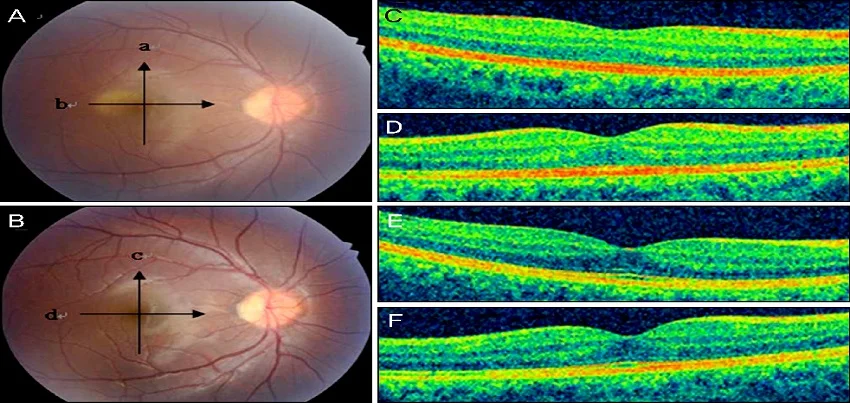
Commotio Retinae Commotio retinae, also known as a concussion of the retina, is a type of eye injury that occurs when the retina, the light-sensitive layer of tissue at the back of the eye, is bruised or damaged. This type of injury is most commonly caused by blunt trauma to the eye, such as a blow from a fist, a ball, or a piece of equipment. Symptoms of commotio retinae include blurred vision, decreased visual acuity, floaters, and flashes of light. Additionally, patients may experience pain, redness, and sensitivity to light. These symptoms may appear immediately after the injury or may develop gradually over time. Diagnosis of commotio retinae is typically made through a physical examination of the eye by an ophthalmologist. The doctor may use a variety of diagnostic tools such as ophthalmoscopy, fundus photography, and optical coherence tomography to examine the retina and assess for any abnormalities. Common treatment methods for commotio retinae include close observation and monitoring, as well as the use of eye drops or ointments to reduce inflammation and pain. In some cases, laser treatment or surgery may be required to repair the damaged retina. Preventing commotio retinae from occurring can be challenging, as the injury is often caused by unexpected and unavoidable accidents. However, there are some steps that can be taken to reduce the risk of injury. These include wearing protective eyewear or goggles during sports and other activities that pose a risk of eye injury, and avoiding participation in activities that carry a high risk of blunt trauma to the eye. Annual health check-ups and corporate health & wellness programs can also play an important role in preventing commotio retinae. During these check-ups, an eye exam can be performed to identify any potential risk factors for injury and make recommendations for protective measures. In terms of diet and exercise, there is currently no evidence to suggest that specific dietary or exercise interventions can prevent commotio retinae. However, maintaining a healthy lifestyle through regular physical activity and a balanced diet can have overall benefits for the health of the eyes and the body. It is important to note that commotio retinae is a serious condition and prompt treatment is important. If you suspect that you have commotio retinae or are experiencing symptoms of an eye injury, it is important to seek medical attention as soon as possible. With the help of annual health check-ups and corporate health & wellness programs, early diagnosis and treatment can be ensured for the best possible outcome.
Read More
Dementia Dementia is a progressive brain disorder characterized by a decline in cognitive abilities, including memory, language, and problem-solving skills. It is most commonly seen in older adults, but can occur in younger individuals as well. There are several different types of dementia, including Alzheimer’s disease, vascular dementia, and Lewy body dementia. Symptoms of dementia can vary depending on the type and stage of the condition, but common symptoms include memory loss, difficulty communicating, disorientation, difficulty with daily tasks, and changes in mood or behavior. As the condition progresses, individuals with dementia may also experience difficulty with coordination and mobility, and may require assistance with basic self-care. Diagnosis of dementia typically begins with a thorough medical evaluation, including a review of the individual’s medical history and a physical and neurological examination. Additional tests, such as cognitive and neuropsychological assessments, imaging studies, and laboratory tests may also be performed to help establish a diagnosis. Currently, there is no cure for dementia, and treatment options are primarily focused on managing symptoms and slowing the progression of the condition. Medications such as cholinesterase inhibitors and memantine can be prescribed to help improve cognitive function and reduce behavioral symptoms. Non-pharmacological therapies, such as occupational therapy, speech therapy and physical therapy, can also be helpful in improving quality of life and reducing the burden of care for dementia patients and their caregivers. Preventing dementia is a complex issue, and it is not fully understood. However, research suggests that maintaining a healthy lifestyle, including a balanced diet, regular physical activity, and cognitive stimulation, may help reduce the risk of developing dementia. Managing medical conditions such as high blood pressure, diabetes, and high cholesterol, can also help to reduce the risk of developing dementia. Annual health check-ups can also be an effective way to detect early signs of dementia and other cognitive decline, and discuss any concerns with a healthcare professional. Corporate health and wellness programs can also be implemented in the workplace to promote healthy habits and prevent the development of dementia among employees. In conclusion, Dementia is a progressive brain disorder characterized by a decline in cognitive abilities such as memory, language, and problem-solving skills. It is most commonly seen in older adults, but can occur in younger individuals as well. There are several different types of dementia, including Alzheimer’s disease, vascular dementia, and Lewy body dementia. Currently, there is no cure for dementia, and treatment options are primarily focused on managing symptoms and slowing the progression of the condition. Preventing dementia is a complex issue, and it is not fully understood. However, research suggests that maintaining a healthy lifestyle, including a balanced diet, regular physical activity, and cognitive stimulation, may help reduce the risk of developing dementia. Annual health check-ups and corporate health and wellness programs can also be effective in detecting early signs of dementia and preventing it.
Read More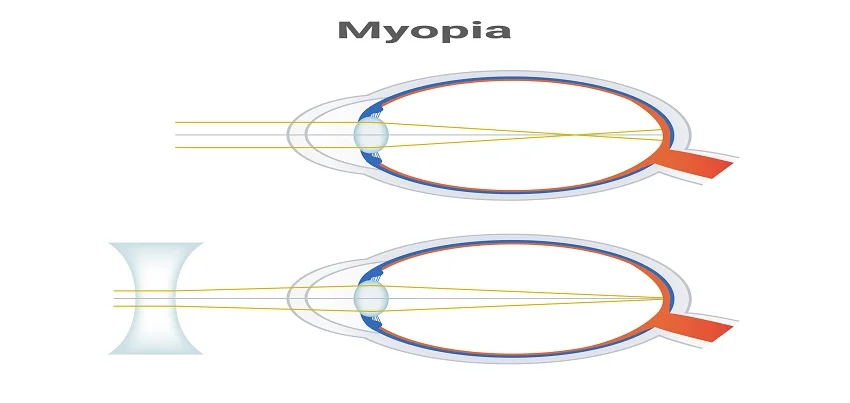
Myopia Myopia, also known as nearsightedness, is a common eye condition characterized by the inability to see distant objects clearly. The cause of myopia is believed to be a combination of genetic and environmental factors. It is caused by the elongation of the eye which makes the focal point of the eye to be in front of the retina instead of on the retina. Symptoms of myopia include difficulty seeing distant objects clearly, such as street signs or movie screens, and the need to squint or close one eye to see clearly. Other symptoms may include headaches and eye strain. Diagnosis of myopia typically involves a comprehensive eye examination, including a refraction test, which measures the eye’s ability to focus light, and a retinal examination, to check for any signs of damage to the eye. Treatment for myopia typically involves corrective lenses, such as glasses or contact lenses, which help to refocus light onto the retina. In some cases, refractive surgery, such as laser eye surgery, may be used to permanently change the shape of the cornea to correct myopia. Treatment for myopia typically involves corrective lenses, such as glasses or contact lenses, which help to refocus light onto the retina. In some cases, refractive surgery, such as laser eye surgery, may be used to permanently change the shape of the cornea to correct myopia. Preventing myopia is key to maintaining good eye health. Annual health check-ups can help identify potential risk factors for myopia, such as a family history of the condition, and provide an opportunity to discuss prevention strategies with a healthcare provider. Corporate health and wellness programs can also help to promote healthy habits among employees, such as regular exercise, healthy eating, and stress management, which can have a positive impact on eye health. Although there is no evidence that diet and exercise can prevent myopia, a healthy lifestyle can promote overall health and reduce the risk of other eye conditions, such as cataracts and age-related macular degeneration. Eating a balanced diet, rich in fruits and vegetables, and getting regular physical activity, can help to maintain a healthy weight and reduce the risk of chronic diseases that can affect the eyes. In addition to regular check-ups, corporate health and wellness programs can also help to promote healthy habits among employees, such as regular exercise, healthy eating, and stress management. These programs can include things like on-site fitness classes, healthy food options in the workplace, and stress management resources. In conclusion, Myopia, also known as nearsightedness, is a common eye condition characterized by the inability to see distant objects clearly. It is caused by the elongation of the eye which makes the focal point of the eye to be in front of the retina instead of on the retina. Treatment for myopia typically involves corrective lenses, such as glasses or contact lenses, which help to refocus light onto the retina. Preventing myopia is key to maintaining good eye health. Annual health check-ups, corporate health and wellness programs, diet, and exercise can all play a role in preventing myopia by promoting overall health and reducing the risk of other eye conditions. With appropriate care and management, myopia can be prevented and treated, and the risk of complications can be reduced.
Read More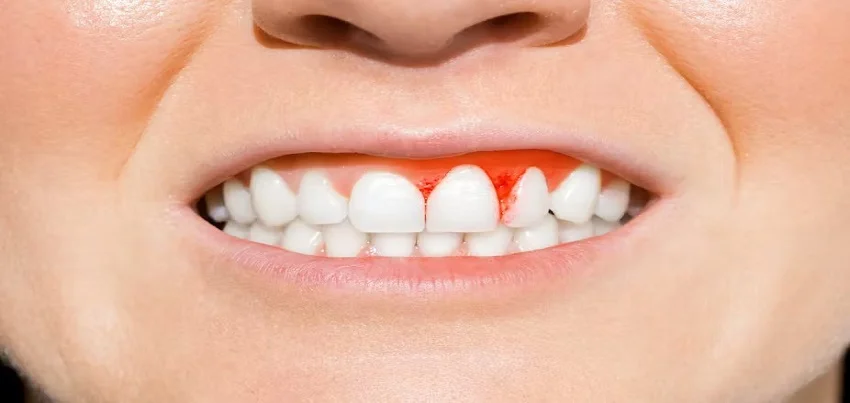
Gum Disease Gum disease, also known as periodontal disease, is a common condition that affects the gums and bones that support the teeth. It is caused by the buildup of plaque and bacteria on the teeth and gums, which leads to inflammation and infection. If left untreated, gum disease can lead to tooth loss and other serious health problems. Symptoms of gum disease include red, swollen, or bleeding gums, persistent bad breath, and loose or shifting teeth. In advanced stages of the disease, the gums may recede and the teeth may appear longer than usual. Diagnosis of gum disease is typically made through a thorough dental exam, which includes measuring the depth of the spaces (or pockets) between the gums and teeth. This is done using a small measuring instrument called a periodontal probe. X-rays may also be taken to evaluate the health of the bones supporting the teeth. Common treatment methods for gum disease include scaling and root planing, which involves cleaning the teeth and gums to remove plaque and bacteria. Antibiotics may also be prescribed to help fight infection. In advanced cases, surgery may be required to repair or replace damaged tissue. Preventing gum disease is key to maintaining good oral health. This can be done by practicing good oral hygiene, such as brushing and flossing regularly, and visiting the dentist for regular check-ups. During an annual health check-up, it is important to have a comprehensive oral examination to detect any signs of gum disease and to take steps to prevent it from occurring. Corporate health and wellness programs can also play a role in preventing gum disease by promoting good oral hygiene among employees and providing access to regular dental check-ups. Diet and exercise also play a role in preventing gum disease. A diet that is high in sugar and processed foods can increase the risk of plaque buildup and inflammation in the gums. Eating a balanced diet that is rich in fruits, vegetables, and lean proteins can help promote healthy gums. Exercise, on the other hand, can improve overall health and reduce stress, which can also have a positive impact on gum health. In conclusion, gum disease is a common condition that can lead to serious health problems if left untreated. By understanding the symptoms, getting regular check-ups and taking steps to prevent it, as well as following a healthy diet and exercise routine, it is possible to maintain good oral health and avoid the negative consequences of gum disease. Corporate health and wellness programs can also play a key role in preventing gum disease by promoting good oral hygiene and providing access to regular dental check-ups.
Read More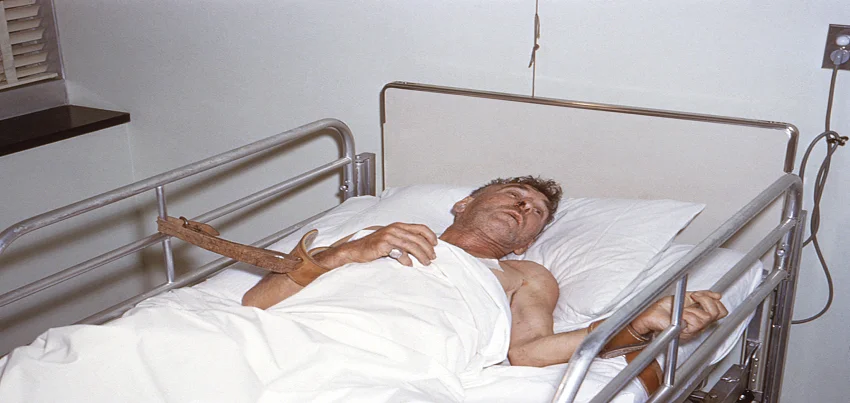
Rabies Rabies is a viral infection that affects the nervous system and is almost always fatal once symptoms appear. The virus is primarily transmitted through the saliva of infected animals, usually through a bite or scratch. Symptoms of rabies typically appear within 1-3 months of infection, but can take up to a year to appear. Early symptoms include fever, headache, and general weakness. As the disease progresses, symptoms can include insomnia, anxiety, confusion, partial paralysis, hallucinations, and hydrophobia (fear of water). In the advanced stages of the disease, the individual may experience seizures and become comatose. Diagnosis of rabies is typically made through examination of the patient’s symptoms and history of potential exposure to infected animals. Laboratory tests, such as the fluorescent antibody test (FAT) or the direct fluorescent antibody test (DFAT), can also be used to confirm the diagnosis. Treatment for rabies typically involves a regimen of post-exposure prophylaxis (PEP), which includes a combination of immunoglobulin and rabies vaccine. This treatment is most effective when given as soon as possible after exposure to the virus. To prevent rabies, it is important to avoid contact with wild animals and to ensure that domestic pets are properly vaccinated. Wearing protective clothing and using repellents can also help to reduce the risk of infection. In addition to taking steps to prevent rabies, it is important to maintain a healthy diet and exercise regimen to promote overall health and well-being. Annual health check-ups can help to identify and address any potential health concerns early on. Corporate health and wellness programs can also play an important role in promoting healthy lifestyle choices and preventing the spread of disease within the workplace. In summary, Rabies is a severe and usually fatal viral infection that affects the nervous system and is primarily transmitted through the saliva of infected animals, usually through a bite or scratch. Early symptoms include fever, headache, and general weakness, later symptoms include insomnia, anxiety, confusion, partial paralysis, hallucinations, and hydrophobia. The diagnosis is made through examination of the patient’s symptoms and history of potential exposure to infected animals, laboratory tests, such as the fluorescent antibody test (FAT) or the direct fluorescent antibody test (DFAT) can also be used to confirm the diagnosis. The treatment for rabies typically involves a regimen of post-exposure prophylaxis (PEP), which includes a combination of immunoglobulin and rabies vaccine. To prevent rabies, it is important to avoid contact with wild animals and to ensure that domestic pets are properly vaccinated, wear protective clothing and using repellents can also help to reduce the risk of infection. Annual health check-ups and corporate health & wellness programs can play an important role in promoting healthy lifestyle choices and preventing the spread of disease.
Read More
Aphakia Aphakia is a condition in which the natural lens of the eye is absent, usually as a result of surgical removal or congenital absence. This can lead to significant visual impairment and a higher risk of complications such as retinal detachment. Symptoms of Aphakia:Symptoms of Aphakia can include blurry vision, double vision, sensitivity to light, and difficulty seeing in low light conditions. Tests for Diagnosis:Aphakia can be diagnosed by an ophthalmologist during a comprehensive eye exam. The ophthalmologist will use a tool called a slit lamp to examine the eye and confirm the absence of the natural lens. Common Treatment Methods:Treatment for Aphakia typically involves the use of corrective lenses, such as eyeglasses or contact lenses. In some cases, an intraocular lens (IOL) may be implanted to replace the natural lens. Preventing Aphakia:Aphakia is usually a result of surgical removal or congenital absence, it cannot be prevented. However, regular eye check-ups are essential to detect and treat it early. Diet and Exercise to Prevent Aphakia:There is no specific diet or exercise that has been proven to prevent Aphakia. However, a healthy diet regular exercise can help to support overall health and reduce the risk of other eye conditions. Eating a diet that is rich in fruits and vegetables, and getting enough vitamins, such as Vitamin A, C, and E, can help to support eye health. Regular exercise can also help to reduce stress, which can make you more susceptible to eye problem. Health check-up corporate health and wellness programs can help to identify and prevent Aphakia by providing employees with regular eye exams and screenings. These programs can also provide employees with access to resources and support to help them manage the condition. In summary, Aphakia is a condition in which the natural lens of the eye is absent, usually as a result of surgical removal or congenital absence. This can lead to significant visual impairment and a higher risk of complications such as retinal detachment. Symptoms can include blurry vision, double vision, sensitivity to light, and difficulty seeing in low light conditions. Treatment typically involves the use of corrective lenses, such as eyeglasses or contact lenses or an intraocular lens (IOL) may be implanted to replace the natural lens. Aphakia is usually a result of surgical removal or congenital absence, it cannot be prevented. Corporate health and wellness programs can help to identify and prevent Aphakia by providing employees with regular eye exams and screenings and providing employees with access to resources
Read MoreTop rated products
-
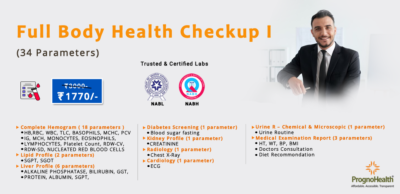 Full Body Health Checkup I
Original price was: ₹3,000.00.₹1,770.00Current price is: ₹1,770.00.
Full Body Health Checkup I
Original price was: ₹3,000.00.₹1,770.00Current price is: ₹1,770.00.
-
 MFG IND PACK III
Original price was: ₹3,900.00.₹2,145.00Current price is: ₹2,145.00.
MFG IND PACK III
Original price was: ₹3,900.00.₹2,145.00Current price is: ₹2,145.00.
-
 Dengue NS1 Antigen Test
₹900.00
Dengue NS1 Antigen Test
₹900.00
-
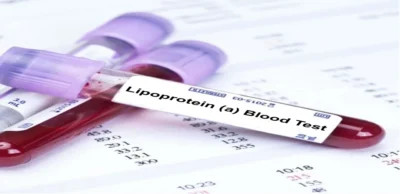 Lipoprotein (A) Blood Test – Lp(a)
₹750.00
Lipoprotein (A) Blood Test – Lp(a)
₹750.00
-
 Healthy Life Advance Male
Original price was: ₹15,000.00.₹8,250.00Current price is: ₹8,250.00.
Healthy Life Advance Male
Original price was: ₹15,000.00.₹8,250.00Current price is: ₹8,250.00.