PrognoHealth – Corporate Health & Wellness Specialist

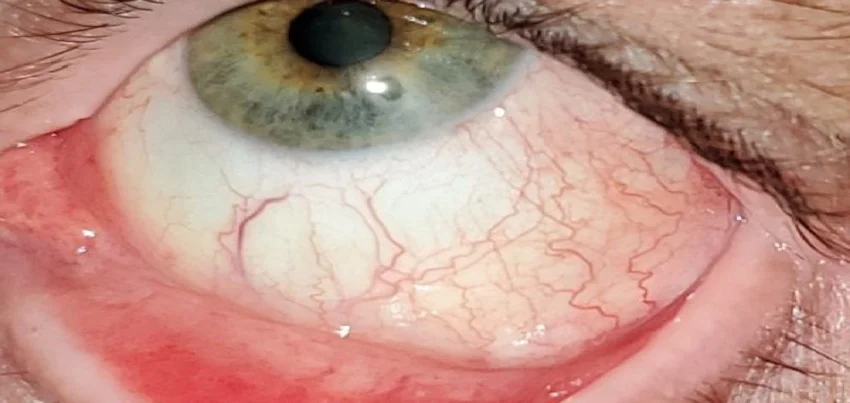
Atopic Keratoconjunctivitis (AKC) Atopic keratoconjunctivitis (AKC) is a type of chronic eye inflammation that is associated with atopic dermatitis (eczema) and allergic rhinitis (hay fever). It is a rare condition that affects both the cornea and conjunctiva of the eye. Symptoms of Atopic Keratoconjunctivitis:The symptoms of AKC can include red, itchy eyes, burning or stinging sensation, light sensitivity, and blurred vision. People with AKC may also have a history of eczema or hay fever. Tests for Diagnosis:To diagnose AKC, an ophthalmologist will perform a thorough eye examination and review the patient’s medical history. The ophthalmologist will also take a sample of the eye discharge for testing and use a microscope to look for the presence of inflammatory cells. Common Treatment Methods:Treatment for AKC typically involves a combination of medications and lifestyle changes. Medications may include:Topical antihistamines and mast cell stabilizers to reduce itching and inflammationTopical corticosteroids to reduce inflammationOral non-steroidal anti-inflammatory drugs (NSAIDs)Immunomodulatory medications such as cyclosporine or tacrolimus Preventing Atopic Keratoconjunctivitis:Prevention of AKC is not fully understood, however, it is believed that avoiding triggers, such as allergens, irritants, and environmental factors can reduce the risk of flare-ups. Diet and Exercise to Prevent Atopic Keratoconjunctivitis:There is no specific diet or exercise that has been proven to prevent AKC. However, a healthy diet and regular exercise can help to boost the immune system and reduce the risk of inflammation. Eating a diet that is rich in fruits, vegetables, and lean protein can also help to support overall health. Regular exercise can also help to reduce stress, which can make you more susceptible to inflammation. Health check-up corporate health and wellness programs can help to identify and prevent Atopic Keratoconjunctivitis by providing employees with regular screenings and education about managing eczema, hay fever or allergies, and avoiding triggers that may cause flare-ups. These programs can also provide employees with access to fitness and nutrition resources and support. In summary, Atopic Keratoconjunctivitis is a type of chronic eye inflammation that is associated with atopic dermatitis (eczema) and allergic rhinitis (hay fever). The symptoms can include red, itchy eyes, burning or stinging sensation, light sensitivity, and blurred vision. To diagnose it, an ophthalmologist will perform a thorough eye examination and review the patient’s medical history. The common treatment methods include a combination of medications and lifestyle changes. Preventing AKC is not fully understood, however, it is believed that avoiding triggers, such as allergens, irritants, and environmental factors can reduce the risk of flare-ups. Corporate health and wellness programs can help to identify and prevent Atopic Keratoconjunctivitis by providing employees with regular screenings and education about managing eczema, hay fever or allergies, and avoiding triggers that may cause flare-ups.
Read More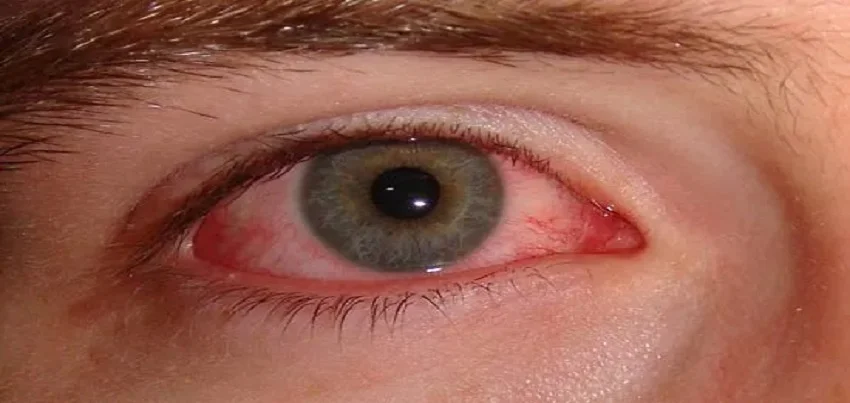
Adult Inclusion Conjunctivitis Adult inclusion conjunctivitis, also known as chlamydia conjunctivitis, is a type of eye infection caused by the bacteria Chlamydia trachomatis. It typically affects adults, and can lead to serious complications if left untreated. Symptoms of Adult Inclusion Conjunctivitis:The symptoms of adult inclusion conjunctivitis can include red, swollen eyes, discharge from the eyes, and burning or itching. In some cases, the infection may also cause blurred vision. Tests for Diagnosis:To diagnose adult inclusion conjunctivitis, a healthcare provider will typically perform an eye examination and take a sample of the eye discharge for testing. The sample will be examined under a microscope to look for the presence of the Chlamydia trachomatis bacteria. Common Treatment Methods:Treatment for adult inclusion conjunctivitis typically involves the use of antibiotics to kill the bacteria causing the infection. These antibiotics may be given as eyed drops, ointment, or pills. Preventing Adult Inclusion Conjunctivitis:To prevent adult inclusion conjunctivitis, it is important to practice good hygiene and take steps to avoid spreading the infection. This includes washing your hands regularly, avoiding touching or rubbing your eyes, and avoiding sharing personal items such as towels or makeup. Diet and Exercise to Prevent Adult Inclusion Conjunctivitis:A healthy diet and regular exercise can help to boost the immune system and reduce the risk of infection. Eating a diet that is rich in fruits and vegetables, and getting enough vitamins, such as Vitamin A, C, and E, can help to support a healthy immune system. Regular exercise can also help to boost immunity and reduce stress, which can make you more susceptible to infections. Health check-up corporate health and wellness programs can help to identify and prevent Adult Inclusion Conjunctivitis by providing employees with regular screenings and education about good hygiene practices. These programs can also provide employees with access to fitness and nutrition resources and support. In summary, Adult Inclusion Conjunctivitis is a type of eye infection caused by the bacteria Chlamydia trachomatis. The symptoms can include red, swollen eyes, discharge from the eyes, and burning or itching. To diagnose it, a healthcare provider will typically perform an eye examination and take a sample of the eye discharge for testing. The common treatment methods include the use of antibiotics to kill the bacteria causing the infection. To prevent it, it’s important to practice good hygiene and take steps to avoid spreading the infection. A healthy diet and regular exercise can help to boost the immune system and reduce the risk of infection. Corporate health and wellness programs can help to identify and prevent Adult Inclusion Conjunctivitis by providing employees with regular screenings and education about good hygiene practices.
Read More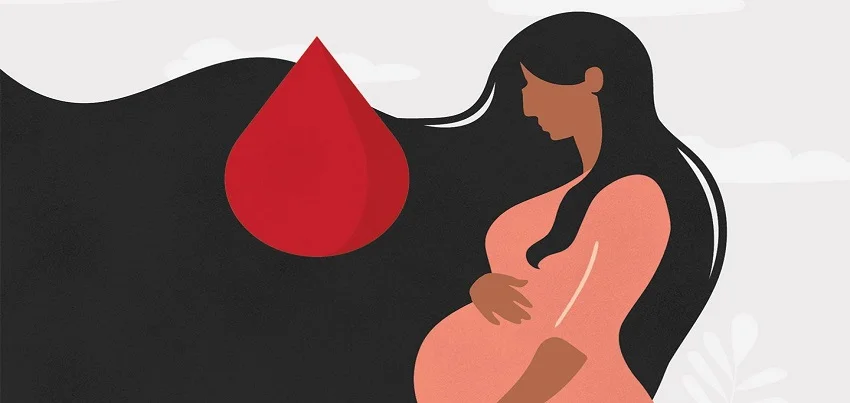
Antepartum Hemorrhage Antepartum hemorrhage, also known as bleeding in late pregnancy, is a serious condition that occurs when a woman experiences bleeding from the vagina during the second half of pregnancy. The bleeding can range from light spotting to heavy bleeding and can be caused by a variety of factors, including placenta previa, placental abruption, and cervical or vaginal infections. Symptoms of antepartum hemorrhage include vaginal bleeding, cramping, and contractions. In some cases, the woman may also experience abdominal pain or back pain. It’s important to note that these symptoms could also be caused by other conditions, such as a urinary tract infection or a miscarriage. To diagnose antepartum hemorrhage, a healthcare provider will typically perform a pelvic exam and may also perform an ultrasound to determine the location of the placenta and the health of the baby. Other tests, such as a blood test to measure the levels of hemoglobin, may also be performed. Treatment for antepartum hemorrhage depends on the cause of the bleeding and the health of the mother and baby. In some cases, bed rest and close monitoring may be recommended. If the bleeding is caused by a placental abruption, a woman may need to be hospitalized for observation and/or delivery. Corporate health & wellness programs can play a role in preventing antepartum hemorrhage by educating employees on the importance of seeking prenatal care and providing access to resources for prenatal care. Employers can also offer resources for employees to access nutritious diet and regular exercise which is important for maintaining overall health during pregnancy. To further prevent antepartum hemorrhage, it’s important for women to maintain a healthy diet during pregnancy and to engage in regular exercise. This includes consuming a variety of nutrient-rich foods, such as lean meats, fish, poultry, beans, lentils, and tofu, and also leafy green vegetables, fruits, and whole grains. Pregnant women should also avoid smoking and limit their alcohol consumption. In summary, antepartum hemorrhage is a serious condition that occurs when a woman experiences bleeding from the vagina during the second half of pregnancy. A pelvic exam and ultrasound are typically used to diagnose the condition. Treatment depends on the cause of the bleeding and the health of the mother and baby. Corporate health & wellness programs can play a role in preventing antepartum hemorrhage by educating employees on the importance of seeking prenatal care and providing access to resources for prenatal care. Pregnant women should maintain a healthy diet and engage in regular exercise, avoiding smoking and limiting alcohol consumption to prevent antepartum hemorrhage.
Read More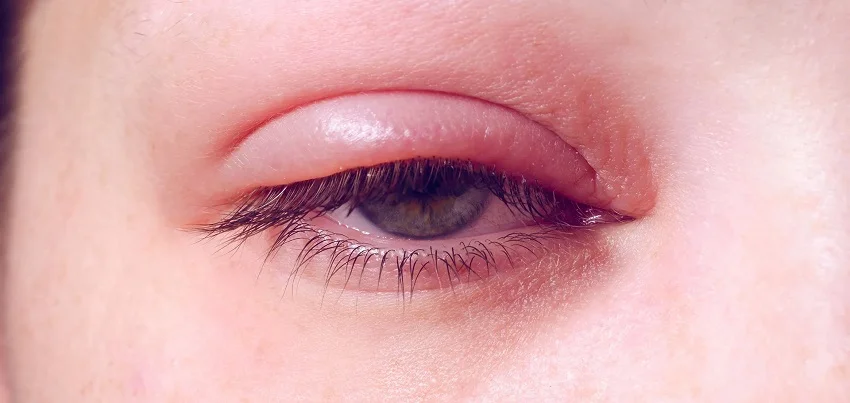
Blepharitis Blepharitis is a common eye condition characterized by inflammation of the eyelids. It typically affects the area where the eyelashes meet the lid, causing redness, itching, and burning. The condition can also cause crusting and flaking of the skin on the eyelids, as well as eyelash loss. Symptoms of blepharitis include: red, swollen, and irritated eyelids crusting or flaking of the skin on the eyelids itchy or burning eyes dry eyes blurred vision light sensitivity a burning sensation in the eyes sticky eyelids eyelash loss Blepharitis can be caused by a variety of factors, including bacteria, dandruff of the scalp, and other skin conditions. It can also be caused by an underlying health condition such as rosacea, eczema, or seborrheic dermatitis. Diagnosis of blepharitis is typically made through a physical examination of the eyelids and a review of the patient’s symptoms. A swab test may also be done to check for bacteria, and an eye doctor may also take a sample of the oil from the eyelids. Common treatment methods for blepharitis include: Cleaning the eyelids: This is the most important step in managing blepharitis. This can be done by gently wiping the eyelids with a clean, damp cloth, to remove the crusts and debris. Using warm compresses: Placing a warm, damp cloth over the closed eyelids for a few minutes can help to soften the crusts and make them easier to remove. Applying eyelid scrubs: These are special cleaning solutions that can be used to gently scrub the eyelids to remove debris. Treating underlying conditions: If an underlying condition such as dandruff or eczema is causing blepharitis, treating that condition can help to improve symptoms. Medications: Eye drops or ointments may be prescribed to help manage symptoms, such as antibiotics or anti-inflammatory medications. To prevent blepharitis from occurring, it is important to practice good eyelid hygiene. This includes regularly cleaning the eyelids with a warm, damp cloth and avoiding eye makeup. Maintaining a healthy lifestyle through regular exercise, a balanced diet, and stress management can also help to reduce the risk of developing blepharitis. Corporate health and wellness programs can also play a role in preventing blepharitis by promoting healthy habits and providing regular health check-ups. A healthy diet for blepharitis prevention should include a variety of fruits and vegetables, whole grains, lean proteins, and healthy fats. It is also important to limit processed foods, sugary drinks, and alcohol. Exercise, such as brisk walking or cycling, for at least 30 minutes a day is also recommended for blepharitis prevention. In summary, Blepharitis is a common eye condition characterized by inflammation of the eyelids. It can cause redness, itching, burning, crusting and flaking of the skin on the eyelids, as well as eyelash loss. It can be caused by a variety of factors, including bacteria, dandruff of the scalp, and other skin conditions. Common treatment methods include cleaning the eyelids, using warm compresses, applying eyelid scrubs, treating underlying conditions and using medications. To prevent blepharitis from occurring, it is important to practice good eyelid hygiene, maintain a healthy lifestyle through regular exercise, a balanced diet, and stress management. Corporate health and wellness programs can play a role in preventing blepharitis
Read More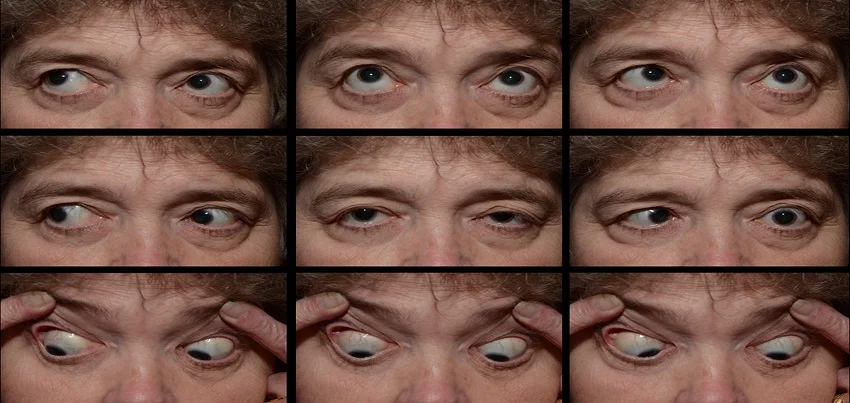
Abducens Nerve Palsy Abducens nerve palsy, also known as sixth nerve palsy, is a condition that affects the abducens nerve, which controls the movement of the lateral rectus muscle in the eye. This can cause the eye to turn inward (cross-eyed) and double vision. The symptoms of abducens nerve palsy can include double vision, difficulty moving the eye outward, and a drooping eyelid on the affected side. To diagnose abducens nerve palsy, a healthcare provider will typically perform a thorough eye examination, including visual acuity testing and examination of the eye’s movement. Additional tests such as MRI, CT scan or an examination of the cerebrospinal fluid may also be done to evaluate the cause of the nerve damage. Treatment for abducens nerve palsy depends on the underlying cause of the condition. In some cases, the condition may resolve on its own, but in other cases, treatment may include eye patching, glasses with prisms, or surgery to reposition the eye muscles. In cases where the cause is related to a disease such as diabetes, hypertension or a brain tumor, treating the underlying condition may help improve the symptoms. Preventing abducens nerve palsy from occurring is challenging as the causes of the condition are not fully known yet and it can be caused by various factors such as head trauma, brain tumor, stroke, infection and other underlying medical conditions. However, maintaining good overall health through regular exercise and a healthy diet, and managing underlying medical conditions such as diabetes and hypertension may help to reduce the risk of developing the condition. Corporate health & wellness programs can play a role in preventing abducens nerve palsy by educating employees on the importance of maintaining good overall health through regular exercise and a healthy diet, and by providing access to resources for health screenings and preventive care. Employers can also offer resources for employees to access nutritious diet and regular exercise which is important for maintaining overall health. In summary, Abducens nerve palsy, also known as sixth nerve palsy, is a condition that affects the abducens nerve, which controls the movement of the lateral rectus muscle in the eye. This can cause the eye to turn inward (cross-eyed) and double vision. The symptoms of abducens nerve palsy can include double vision, difficulty moving the eye outward, and a drooping eyelid on the affected side. Preventing Abducens nerve palsy from occurring is challenging as the causes of the condition are not fully known yet. Corporate health & wellness programs can play a role in preventing Abducens nerve palsy by educating employees on the importance of maintaining good overall health through regular exercise and a healthy diet, and by providing access to resources for health screenings and preventive care.
Read More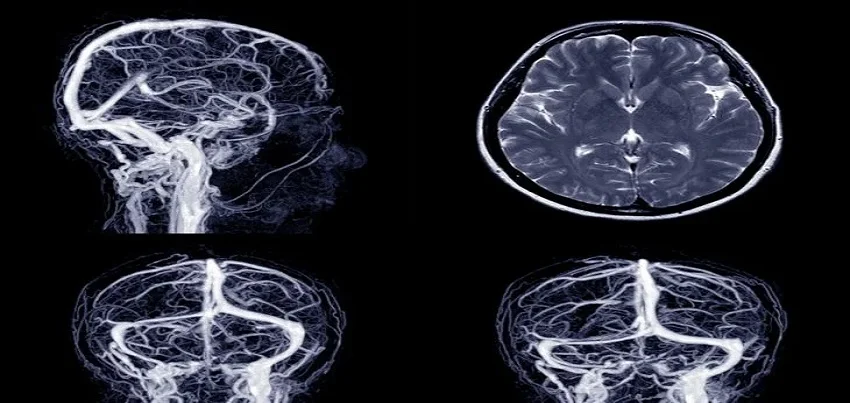
Amaurosis Fugax Amaurosis fugax is a temporary loss of vision in one eye that is caused by a temporary reduction in blood flow to the eye’s retina. The most common symptoms of amaurosis fugax are a sudden loss of vision in one eye, often accompanied by a visual field defect, such as a dark or blind spot in the field of vision. The vision loss usually lasts for a few minutes to a few hours and typically resolves on its own. To diagnose amaurosis fugax, a healthcare provider will typically perform a thorough eye exam, including visual acuity testing and examination of the eye’s retina. Other tests, such as an ultrasound of the carotid artery, may also be performed to evaluate blood flow to the eye. Treatment for amaurosis fugax typically involves addressing the underlying cause of the reduced blood flow, which can include medications to lower cholesterol or blood pressure, or surgery to repair a narrowed or blocked carotid artery. In some cases, a person with amaurosis fugax may also require antiplatelet therapy or anticoagulation therapy to prevent blood clots. Preventing amaurosis fugax from occurring can be done by controlling blood pressure, cholesterol and glucose level, avoiding smoking and manage other health conditions that may affect blood flow such as diabetes and atherosclerosis. Corporate health & wellness programs can play a role in preventing amaurosis fugax by educating employees on the importance of maintaining healthy lifestyle choices, such as regular exercise, healthy diet, and regular check-ups, to manage blood pressure, cholesterol and glucose level, and also providing access to resources for health screenings and preventive care. In summary, Amaurosis Fugax is a temporary loss of vision in one eye caused by a temporary reduction in blood flow to the eye’s retina. The most common symptoms of Amaurosis Fugax are a sudden loss of vision in one eye, often accompanied by a visual field defect. To diagnose Amaurosis Fugax, a healthcare provider will typically perform a thorough eye exam and other tests such as an ultrasound of the carotid artery. Preventing Amaurosis Fugax from occurring can be done by controlling blood pressure, cholesterol and glucose level, avoiding smoking and manage other health conditions that may affect blood flow such as diabetes and atherosclerosis. Corporate health & wellness programs can play a role in preventing amaurosis fugax by educating employees on the importance of maintaining healthy lifestyle choices, such as regular exercise, healthy diet, and regular check-ups, to manage blood pressure, cholesterol and glucose level, and also providing access to resources for health screenings and preventive care.
Read More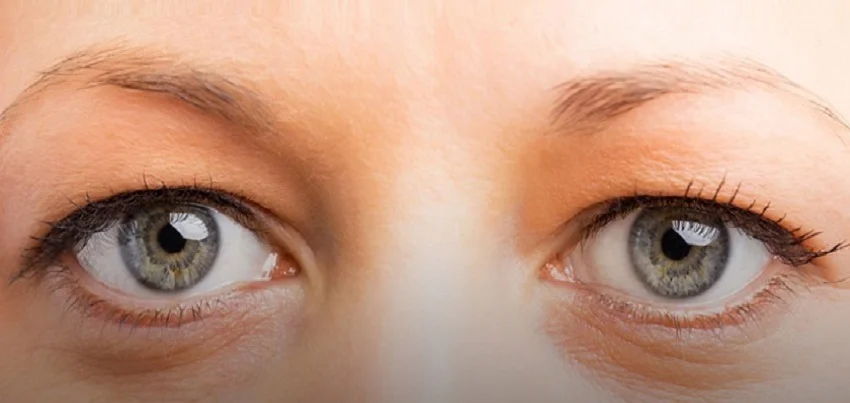
Anisometropia Anisometropia is a condition in which there is a significant difference in the refractive error of the two eyes. This can lead to visual impairment and difficulty with depth perception. Symptoms of Anisometropia:Symptoms of Anisometropia can include blurred vision, double vision, and difficulty with depth perception. Some people may also experience eye strain, headaches, and sensitivity to light. Tests for Diagnosis:Anisometropia can be diagnosed by an ophthalmologist during a comprehensive eye exam. The ophthalmologist will use a tool called a refractor to measure the refractive error of each eye and identify any differences. Common Treatment Methods:Treatment for Anisometropia typically involves the use of corrective lenses, such as eyeglasses or contact lenses. In some cases, refractive surgery such as LASIK or PRK may be recommended to correct the refractive error. Preventing Anisometropia:Anisometropia is usually a congenital condition that cannot be prevented. However, regular eye check-ups are essential to detect and treat it early. Diet and Exercise to Prevent Anisometropia:There is no specific diet or exercise that has been proven to prevent Anisometropia. However, a healthy diet and regular exercise can help to support overall health and reduce the risk of other eye conditions. Eating a diet that is rich in fruits and vegetables, and getting enough vitamins, such as Vitamin A, C, and E, can help to support eye health. Regular exercise can also help to reduce stress, which can make you more susceptible to eye problems. Health check-up corporate health and wellness programs can help to identify and prevent Anisometropia by providing employees with regular eye exams and screenings. These programs can also provide employees with access to resources and support to help them manage the condition. In summary, Anisometropia is a condition in which there is a significant difference in the refractive error of the two eyes. This can lead to visual impairment and difficulty with depth perception. Symptoms can include blurred vision, double vision, and difficulty with depth perception. Anisometropia can be diagnosed by an ophthalmologist during a comprehensive eye exam. The common treatment methods include the use of corrective lenses, such as eyeglasses or contact lenses and refractive surgery such as LASIK or PRK. Anisometropia is usually a congenital condition that cannot be prevented. Corporate health and wellness programs can help to identify and prevent Anisometropia by providing employees with regular eye exams and screenings and providing employees with access to resources and support to help them manage the condition.
Read More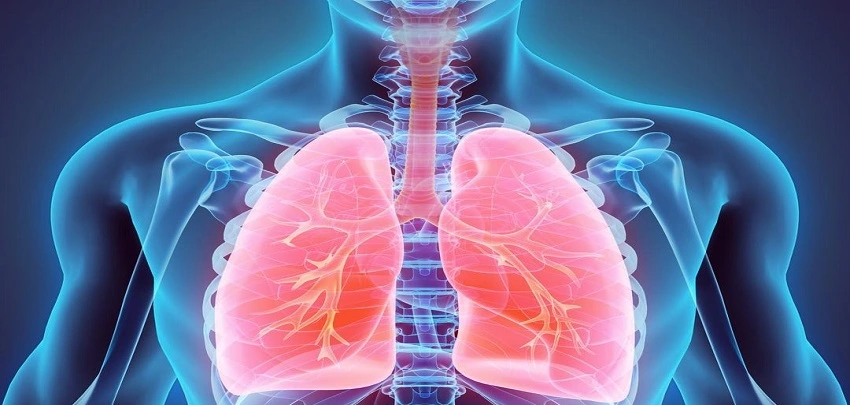
Silicosis Silicosis is a lung disease caused by inhaling dust containing silica particles. The dust causes inflammation and scarring in the lungs, which can make it difficult to breathe. Silicosis is a serious condition that can lead to disability and even death. Symptoms of silicosis include shortness of breath, chest tightness, and a persistent cough. As the disease progresses, the affected person may also experience fatigue, weight loss, and an overall decline in health. In advanced cases, the person may develop lung infections, such as tuberculosis. Diagnosis of silicosis involves a physical exam, chest X-ray, and CT scan. A lung function test may also be done to determine how well the lungs are working. In some cases, a biopsy of the lung tissue may be needed to confirm the diagnosis. Common treatment methods for silicosis include medications to reduce inflammation and help open up the airways. Oxygen therapy may also be used to help the person breathe easier. In advanced cases, surgery may be needed to remove damaged lung tissue. Preventing silicosis from occurring is key to protecting the health of workers and others who may be exposed to silica dust. This can be done by using proper ventilation and personal protective equipment, such as respirators, when working with silica dust. Employers should also make sure that workers are properly trained on how to handle silica dust safely. Annual health check-ups and corporate health & wellness programs can play a crucial role in preventing silicosis. These check-ups can help identify potential health risks, such as exposure to silica dust, and provide workers with the resources and support they need to stay healthy. Corporate health & wellness programs can also help promote healthy habits, such as regular exercise and a healthy diet, which can help reduce the risk of silicosis and other lung diseases. In terms of diet and exercise, a healthy diet with plenty of fruits and vegetables can help improve lung function and strengthen the immune system. Regular exercise, such as brisk walking or cycling, can also help improve lung function and reduce the risk of lung diseases. In conclusion, Silicosis is a serious lung disease caused by inhaling silica dust. It can cause inflammation and scarring in the lungs, making it difficult to breathe. Symptoms include shortness of breath, chest tightness, and a persistent cough. To prevent silicosis from occurring, proper ventilation and personal protective equipment, such as respirators, should be used when working with silica dust. Annual health check-ups and corporate health & wellness programs can play a crucial role in preventing silicosis and promoting overall health. A healthy diet and regular exercise can also help reduce the risk of silicosis and other lung diseases.
Read More
Haemophilia Haemophilia is a rare genetic disorder that affects the blood’s ability to clot properly. It is caused by a deficiency or malfunction of certain clotting factors in the blood, which leads to excessive bleeding and bruising. There are two main types of haemophilia: haemophilia A (also known as classic haemophilia), which is caused by a deficiency of clotting factor VIII, and haemophilia B (also known as Christmas disease), which is caused by a deficiency of clotting factor IX. Symptoms of haemophilia can vary depending on the severity of the condition, but may include excessive bleeding and bruising, prolonged bleeding from cuts or injuries, joint pain and stiffness, and nosebleeds. In severe cases, haemophilia can lead to life-threatening bleeding in the brain, joints, or other vital organs. Diagnosis of haemophilia is typically made through a blood test to measure the levels of clotting factors in the blood. Genetic testing may also be used to confirm the diagnosis and identify the specific type of haemophilia. Common treatment methods for haemophilia include replacement therapy, which involves administering the missing clotting factor to the patient through regular injections or infusions. In some cases, surgery may be necessary to control bleeding or repair damaged joints. Preventing haemophilia is not possible as it is a genetic disorder, but early diagnosis and appropriate treatment can help to prevent serious complications and improve quality of life. During an annual health check-up, it is important for individuals with a family history of haemophilia to be screened for the condition. Corporate health and wellness programs can also play a role in supporting employees who have haemophilia by providing access to appropriate care and resources. Although, diet and exercise do not prevent haemophilia, but it can help to maintain overall health and well-being. A healthy diet that is high in fruits, vegetables, and lean proteins can help to support the body and improve overall health. Exercise can also help to maintain joint mobility, improve cardiovascular health, and reduce stress. In conclusion, Haemophilia is a rare genetic disorder that affects the blood’s ability to clot properly. By understanding the symptoms, getting regular check-ups and appropriate treatment, it is possible to prevent serious complications and improve quality of life. Corporate health and wellness programs can also play a key role in supporting employees who have haemophilia by providing access to appropriate care and resources.
Read More
Sexually Transmitted Infections (STIs) Sexually transmitted infections (STIs), also known as sexually transmitted diseases (STDs), are infections that are spread through sexual contact. They can have serious and long-lasting effects on a person’s health if left untreated. In this blog post, we will discuss the symptoms, tests for diagnosis, common treatment methods, and ways to prevent STIs from occurring. We will also discuss how annual health check-ups and corporate health and wellness programs can help prevent and manage the risk of STIs. The symptoms of STIs vary depending on the specific infection. Some common symptoms include: Chlamydia: Painful urination, discharge from the genitals, and pain during intercourse in women. Men may have no symptoms. Gonorrhea: Similar symptoms to chlamydia, but can also cause painful or swollen testicles in men. Genital Herpes: Painful sores or blisters on or around the genitals or anus. Human papillomavirus (HPV): Genital warts. Human Immunodeficiency Virus (HIV): Fatigue, fever, and swollen lymph nodes. Syphilis: Sores, rashes, and hair loss. Diagnosis of STIs typically involves taking a sample of blood, urine, or discharge from the genitals, and testing it for the presence of specific pathogens. A physical examination may also be done to look for any visible signs of the infection, such as sores or warts. Treatment for STIs typically involves a course of antibiotics, such as azithromycin or doxycycline for Chlamydia and Gonorrhea, acyclovir for herpes and syphilis is treated with penicillin. In some cases, antiviral drugs may be used to treat infections like herpes and HIV. It is important to complete the full course of antibiotics as prescribed, even if symptoms improve before the medication is finished. Preventing STIs from occurring is primarily done by practicing safe sex, such as using condoms during sexual activity and being in a monogamous relationship. Vaccines, such as HPV and Hepatitis B, can also help prevent certain STIs. Annual health check-ups and corporate health and wellness programs can play an important role in preventing and managing the risk of STIs by providing information and resources on safe sex practices, testing, and treatment. Diet and exercise do not have a direct role in preventing STIs. However, maintaining a healthy diet and regular physical activity can help boost the immune system, which can make it more difficult for pathogens to take hold. In conclusion, STIs are infections that are spread through sexual contact. Symptoms can vary depending on the specific infection and can include sores, rashes, discharge, pain during urination, and pain during intercourse. Diagnosis is typically done through a sample of blood, urine, or discharge and treatment involves a course of antibiotics. Preventing STIs is primarily done by practicing safe sex, using condoms and being in a monogamous relationship, and getting vaccinated. Corporate health and wellness programs can also help prevent and manage the risk of STIs by providing information and resources on safe sex practices, testing, and treatment. Maintaining a healthy diet and regular physical activity can help boost the immune system, which can make it more difficult for pathogens to take hold. It is important to get annual health check-ups to detect and treat STIs early, to prevent severe complications.
Read MoreTop rated products
-
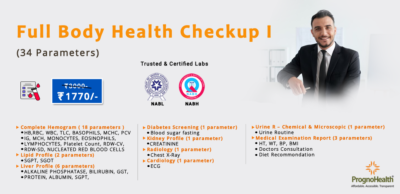 Full Body Health Checkup I
Original price was: ₹3,000.00.₹1,770.00Current price is: ₹1,770.00.
Full Body Health Checkup I
Original price was: ₹3,000.00.₹1,770.00Current price is: ₹1,770.00.
-
 MFG IND PACK III
Original price was: ₹3,900.00.₹2,145.00Current price is: ₹2,145.00.
MFG IND PACK III
Original price was: ₹3,900.00.₹2,145.00Current price is: ₹2,145.00.
-
 Dengue NS1 Antigen Test
₹900.00
Dengue NS1 Antigen Test
₹900.00
-
 Lipoprotein (A) Blood Test – Lp(a)
₹750.00
Lipoprotein (A) Blood Test – Lp(a)
₹750.00
-
 Healthy Life Advance Male
Original price was: ₹15,000.00.₹8,250.00Current price is: ₹8,250.00.
Healthy Life Advance Male
Original price was: ₹15,000.00.₹8,250.00Current price is: ₹8,250.00.