PrognoHealth – Corporate Health & Wellness Specialist

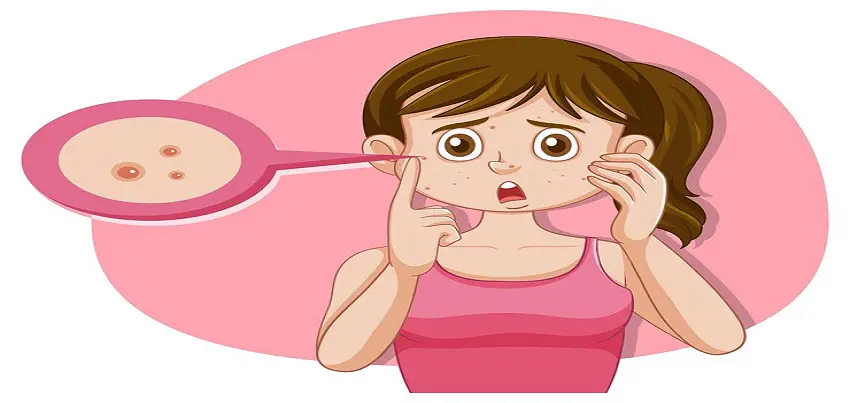
Keratosis Pilaris (KP) Keratosis Pilaris (KP) is a common skin condition that causes small, rough bumps to appear on the skin, most commonly on the upper arms, thighs, and cheeks. These bumps are caused by an overproduction of keratin, a protein that makes up the top layer of the skin. While KP is not harmful, it can be unsightly and cause itching and irritation. Symptoms of KP include small, rough bumps on the skin, dry and scaly patches, and redness or inflammation. In some cases, the bumps may be itchy or painful. KP is more common in people with dry skin, eczema, and other skin conditions. Diagnosis of KP is typically made through a physical examination of the affected skin. A dermatologist may also perform a skin scraping to look for signs of inflammation or infection. Treatment options for KP include moisturizing the skin, using exfoliating scrubs or acids to remove the buildup of dead skin cells, and using topical creams or ointments containing retinoids or alpha hydroxy acids. In some cases, laser therapy or light therapy may be used to improve the appearance of the skin. Preventing KP from occurring is difficult as the exact cause is unknown. However, keeping the skin well-moisturized, avoiding harsh soaps and detergents, and avoiding excessive sun exposure can help to reduce the risk of developing KP. A healthy diet and regular exercise can also help to prevent KP. Eating a balanced diet that is rich in fruits, vegetables, and whole grains can help to boost the immune system and prevent chronic diseases. Regular physical activity can also help to keep the body in good shape and improve overall health. Annual health check-ups are an important way to prevent KP and other diseases. These check-ups can help to identify potential health problems early, when they are most treatable. Corporate health and wellness programs can also help to promote healthy habits among employees, such as regular exercise, healthy eating, and stress management. In conclusion, Keratosis Pilaris (KP) is a common skin condition that causes small, rough bumps to appear on the skin, most commonly on the upper arms, thighs, and cheeks. KP is caused by an overproduction of keratin, a protein that makes up the top layer of the skin. Symptoms include small, rough bumps, dry and scaly patches, and redness or inflammation. Treatment options include moisturizing the skin, using exfoliating scrubs or acids, and using topical creams or ointments. It is difficult to prevent KP from occurring as the exact cause is unknown, however, keeping the skin well-moisturized, avoiding harsh soaps and detergents, and avoiding excessive sun exposure can help to reduce the risk. Eating a healthy diet, regular exercise and annual health check-ups, corporate health and wellness programs can also help to prevent the condition.
Read More
Substance abuse Substance abuse is a serious problem that affects millions of people worldwide. It is defined as the excessive or problematic use of drugs or alcohol, which can lead to a wide range of physical, psychological, and social problems. Symptoms of substance abuse can vary depending on the substance being used, but can include changes in mood, behavior, and physical appearance. Some common signs of substance abuse include changes in appetite or sleep patterns, neglecting responsibilities, and difficulty functioning in daily life. Diagnosis of substance abuse typically involves a physical examination and an assessment of the individual’s behavior and lifestyle. A thorough medical history, including a family history of substance abuse, is also taken into account. Additional diagnostic tests may be used to detect the presence of drugs or alcohol in the body. Treatment for substance abuse is often a combination of therapy and medication. Behavioral therapies such as cognitive-behavioral therapy and motivational interviewing have been shown to be effective in treating substance abuse. Medications, such as antidepressants and anti-anxiety medications, may also be prescribed to manage symptoms. Preventing substance abuse from occurring is crucial, and there are several steps that can be taken to reduce the risk. One of the most effective ways to prevent substance abuse is through annual health check-ups. These check-ups can help to identify and address any underlying health conditions that may increase the risk of substance abuse, such as depression or anxiety. Corporate health and wellness programs can also play a role in preventing substance abuse. These programs can provide employees with information and resources on how to maintain a healthy lifestyle, including regular exercise and a healthy diet. This can help to reduce the risk of substance abuse by promoting overall health and wellness. Diet and exercise are also important in preventing substance abuse. Eating a healthy diet that is rich in vitamins and minerals, and low in saturated fats, can help to maintain overall health and well-being. Regular exercise, such as weight-bearing exercises and stretches, can also help to improve overall fitness and reduce the risk of substance abuse. In conclusion, substance abuse is a serious problem that affects millions of people worldwide. By taking steps to prevent substance abuse, such as through annual health check-ups and corporate health and wellness programs, and by eating a healthy diet and exercising regularly, it is possible to reduce the risk of substance abuse and improve overall health and well-being. It’s important to also note that substance abuse is not only a personal problem but also a societal one and it is important to address it with empathy and understanding.
Read More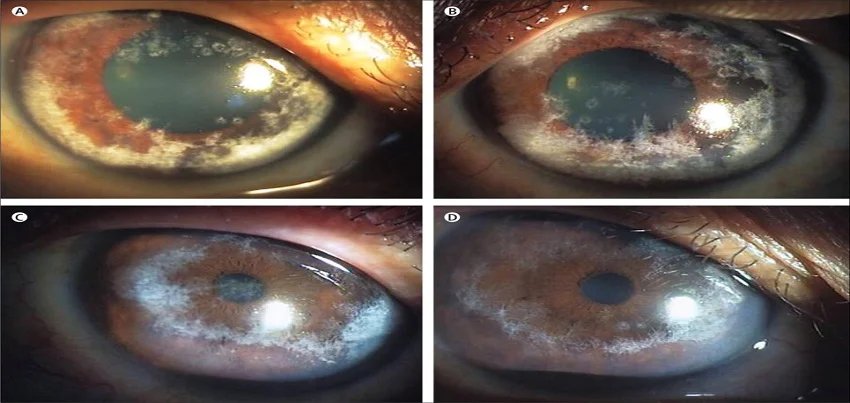
Spheroidal Degeneration Spheroidal Degeneration, also known as Spheroidal Degeneration of the Head of the Femur, is a condition characterized by the degeneration of the head of the femur, the ball-shaped part of the thigh bone that forms the hip joint. It is a degenerative condition that occurs due to the wear and tear of the articular cartilage, which covers the surface of the femur head. In this blog post, we will discuss the symptoms, tests for diagnosis, common treatment methods, and ways to prevent Spheroidal Degeneration from occurring. We will also discuss how annual health check-ups and corporate health and wellness programs can help prevent and manage the risk of this condition. Symptoms of Spheroidal Degeneration can vary from person to person, but common symptoms include pain in the hip, groin, or thigh, stiffness in the hip joint, and a decreased range of motion in the hip. As the condition progresses, pain may become more severe and chronic, and patients may also experience limp or instability in the hip joint. Diagnosis of Spheroidal Degeneration typically begins with a physical examination and a review of the patient’s medical history. X-rays, MRI or CT scans can be used to confirm the diagnosis and to evaluate the severity of the condition. Blood tests may also be done to rule out other conditions that can cause similar symptoms, such as osteoarthritis or rheumatoid arthritis. Treatment options for Spheroidal Degeneration depend on the severity of the condition. Nonsurgical treatment options include physical therapy, pain medication, and activities modification. Physical therapy can help to improve range of motion, strength and flexibility. In some cases, a cortisone injection may be given to reduce pain and inflammation. If the condition is severe and debilitating, surgical options such as arthroscopy, joint replacement or osteotomy, may be considered. Preventing Spheroidal Degeneration from occurring can be done by maintaining a healthy weight, avoiding repetitive motions that can stress the hip joint, and incorporating low-impact exercises, such as swimming or cycling, into your regular physical activity routine. Corporate health and wellness programs can also help prevent the development of this condition by providing information and resources on healthy lifestyle choices and regular physical activity. Diet and exercise can also play a role in preventing the development of Spheroidal Degeneration. Eating a diet that is rich in fruits, vegetables, and lean protein can help maintain a healthy weight and reduce the risk of developing degenerative conditions. Regular physical activity such as low impact exercises and stretching can help improve flexibility and strengthen the muscles that support the hip joint. In conclusion, Spheroidal Degeneration is a degenerative condition characterized by the degeneration of the head of the femur, which is the ball-shaped part of the thigh bone that forms the hip joint. Symptoms can vary from person to person and can include pain in the hip, groin, or thigh, stiffness in the hip joint, and a decreased range of motion in the hip. Diagnosis is typically done through a physical examination, imaging studies and blood tests. Treatment options depend on the severity of the condition and can include physical therapy, pain medication, cortisone injection, arthroscopy, joint replacement or osteotomy. Preventing Spheroidal Degeneration from occurring can be done by maintaining a healthy weight, avoiding repetitive motions that can stress the hip joint, and incorporating low-impact exercises into your regular physical activity routine. Corporate health and wellness programs can also help prevent the development of this condition by providing information and resources on healthy lifestyle choices and regular physical activity.
Read More
Scabies Scabies is a highly contagious skin condition caused by the infestation of the human itch mite (Sarcoptes scabiei). The mites burrow into the skin and lay eggs, leading to intense itching and a rash. Scabies is most common in crowded living conditions and can easily spread through close physical contact. Symptoms of scabies typically appear 2-6 weeks after the infestation and include intense itching, especially at night, a pimple-like rash, and burrows or lines on the skin. The rash and burrows are most commonly found on the hands, wrists, and between the fingers, but can also occur on other parts of the body. Diagnosis of scabies is often based on the symptoms and a physical examination of the skin. A dermatologist may use a magnifying lens to look for the mites, eggs, or fecal matter. Scraping or burrow ink tests can also be done to confirm the diagnosis. Treatment for scabies typically involves the use of prescription medicated creams or lotions, such as permethrin or lindane. These medications are applied to the entire body, including the scalp and nails, and left on for a prescribed amount of time before being washed off. Oral medications may also be prescribed in some cases. It is essential to follow the treatment as prescribed by the doctor and repeat it if needed. To prevent scabies from occurring, it’s important to practice good personal hygiene and avoid close contact with infected individuals. Keeping living areas clean and washing bedding, clothing, and towels in hot water and dry on high heat can help prevent the spread of the mites. Annual health check-ups can also help to detect and prevent scabies. A dermatologist can examine the skin and identify any symptoms of scabies or other skin conditions that may put an individual at risk. Corporate health and wellness programs can also play a role in preventing scabies by promoting good hygiene practices and educating employees on how to identify and prevent the spread of scabies. Diet and exercise do not have a direct effect on preventing scabies, as it is primarily a skin condition caused by an infestation of mites. However, a healthy diet and regular exercise can help to boost the immune system, which can help an individual to recover faster after scabies treatment. In conclusion, Scabies is a highly contagious skin condition that can cause severe itching and a rash. It can be treated with prescription medicated creams or lotions, but it’s important to practice good personal hygiene and avoid close contact with infected individuals to prevent it from occurring. Annual health check-ups and corporate health and wellness programs can also play a role in preventing scabies. While diet and exercise do not have a direct effect on preventing scabies, it can aid in recovering faster after treatment.
Read More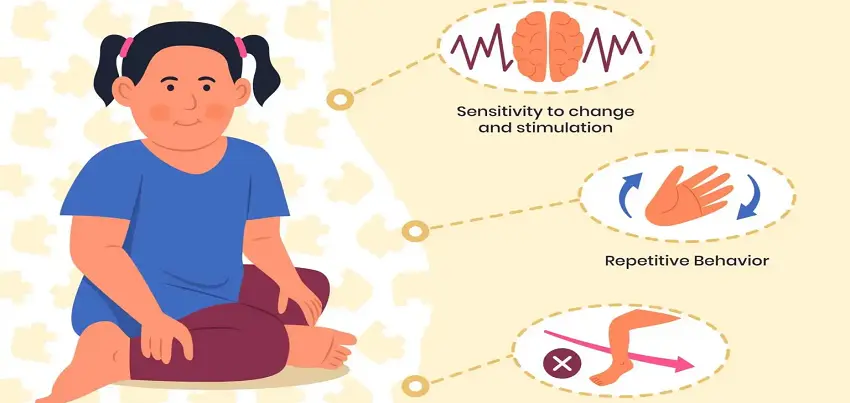
Turner Syndrome Turner Syndrome is a genetic disorder that affects only females and is caused by a missing or incomplete copy of the X chromosome. It is a relatively rare condition, affecting about 1 in 2,500 live female births. Symptoms of Turner Syndrome can vary, but they may include short stature, webbed neck, low hairline, and a broad chest. Other symptoms may include delayed onset of puberty, infertility, and cardiovascular problems. Some girls with Turner Syndrome may also have learning difficulties, attention-deficit hyperactivity disorder (ADHD), and difficulty with social interactions. Diagnosis of Turner Syndrome typically begins with a physical examination and a review of the patient’s medical history. Additional diagnostic tests may include a chromosomal analysis, an ultrasound of the heart and blood vessels, and an assessment of cognitive and developmental abilities. There is no cure for Turner Syndrome, but treatment options are available to manage symptoms and prevent complications. Treatment may include growth hormone therapy to help girls with Turner Syndrome reach a normal height, and estrogen therapy to induce puberty and promote healthy bone development. Surgery may also be used to correct any physical abnormalities. There is no known way to prevent Turner Syndrome. However, early detection and treatment can help manage symptoms and prevent complications. Annual health check-ups and corporate health and wellness programs are important to help identify and diagnose Turner Syndrome early. A healthy diet and regular exercise are important for overall health, and can help prevent some of the health complications associated with Turner Syndrome. Eating a diet rich in fruits, vegetables, lean protein and whole grains, and reducing salt and sugar intake can help lower blood pressure and improve cardiovascular health. Regular exercise can also help maintain healthy bones, improve cardiovascular health, and improve overall well-being. In conclusion, Turner Syndrome is a genetic disorder that affects only females and is caused by a missing or incomplete copy of the X chromosome. It can be diagnosed through physical examination and genetic testing. While there is no cure for Turner Syndrome, treatment options are available to manage symptoms and prevent complications. Annual health check-ups and corporate health and wellness programs can help identify and diagnose Turner Syndrome early and a healthy diet and regular exercise can help prevent some of the health complications associated with Turner Syndrome.
Read More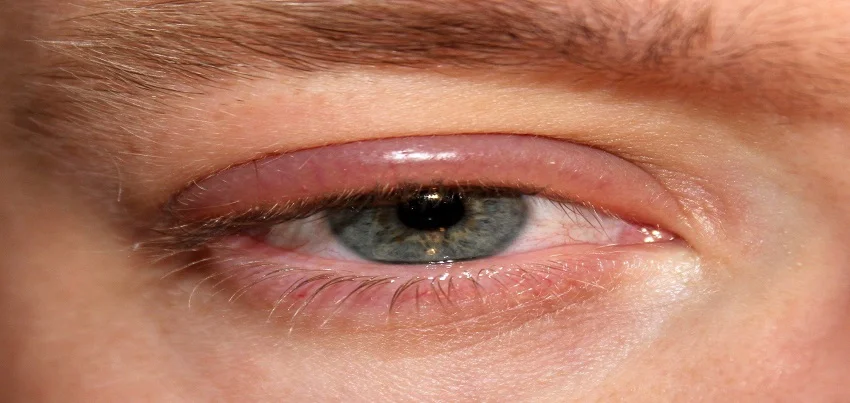
Blepharitis is a common eye condition characterized by inflammation of the eyelids. It typically affects the area where
Read More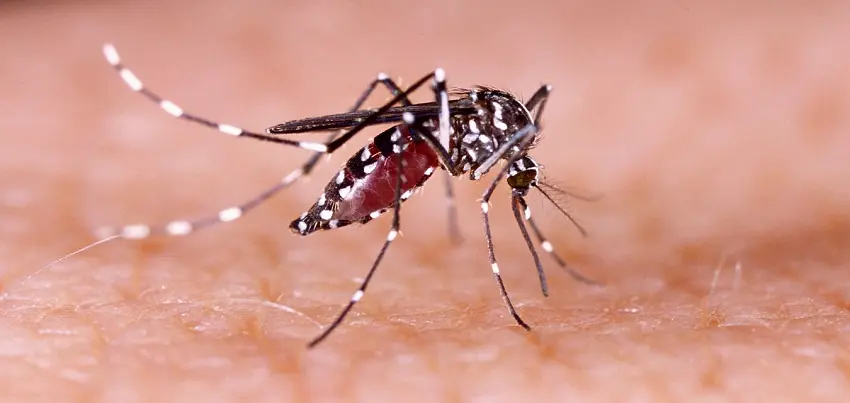
Dengue, a mosquito-borne viral disease, poses a significant health risk globally, including India. By understanding the origins of this silent threat, we can better equip ourselves with knowledge
Read More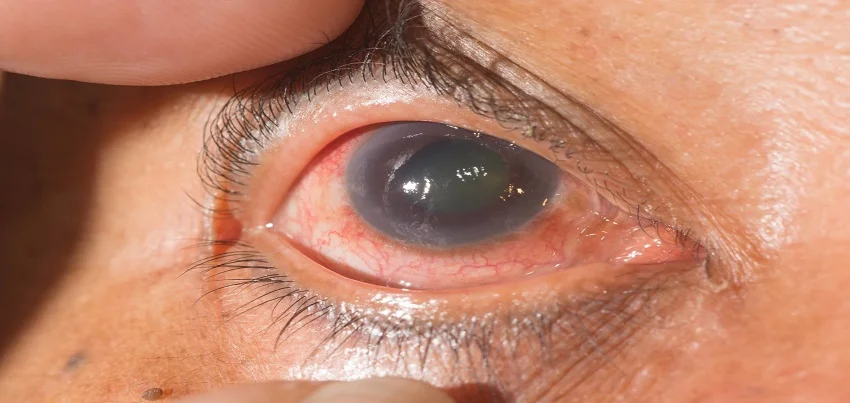
Glaucoma Glaucoma is a group of eye diseases that can damage the optic nerve and lead to vision loss or blindness. It is often referred to as the “silent thief of sight” because it often has no symptoms in its early stages, and it can progress slowly over time. Symptoms of glaucoma include gradual loss of peripheral vision, tunnel vision, and blindness in the advanced stages. However, it’s important to note that these symptoms may not appear until significant damage has already occurred. This is why regular eye exams and annual health check-ups are crucial for early detection and treatment. There are several tests that can be used to diagnose glaucoma, including measuring the intraocular pressure (IOP) inside the eye, examining the optic nerve, and performing visual field tests to check for peripheral vision loss. Common treatment methods for glaucoma include medication, laser therapy, and surgery. Medications, such as eye drops, can help to reduce the pressure inside the eye and slow the progression of the disease. Laser therapy can also be used to reduce the pressure inside the eye, and surgery can be used to create a new drainage channel for fluid to flow out of the eye. Preventing glaucoma from occurring is difficult, as the exact cause is not yet known. However, certain risk factors have been identified, including age, family history, high blood pressure, and certain eye conditions. People with these risk factors should be especially vigilant about getting regular eye exams and annual health check-ups. In addition to regular check-ups, a healthy diet and regular exercise can also help to reduce the risk of developing glaucoma. Eating a diet that is rich in fruits, vegetables, and whole grains can help to lower blood pressure and reduce the risk of developing the disease. Regular physical activity, such as walking or cycling, can also help to lower blood pressure and improve overall health. Corporate health and wellness programs can play a key role in preventing glaucoma and other chronic diseases by encouraging regular eye exams and annual health check-ups. These programs can also promote healthy lifestyle behaviors, such as regular exercise and a healthy diet, which can help to reduce the risk of developing the disease. In conclusion, glaucoma is a serious eye disease that can lead to vision loss and blindness if left untreated. Regular eye exams and annual health check-ups are crucial for early detection and treatment. Common treatment methods include medication, laser therapy, and surgery. While preventing glaucoma from occurring is difficult, certain lifestyle changes such as regular exercise, healthy diet, and regular check-ups can help to reduce the risk of developing the disease. Corporate health and wellness programs can also play a key role in preventing glaucoma by encouraging regular check-ups and healthy lifestyle behaviors.
Read More
Severe Acute Respiratory Syndrome (SARS) Severe Acute Respiratory Syndrome (SARS) is a serious and potentially life-threatening respiratory illness caused by the SARS-associated coronavirus (SARS-CoV). The illness was first identified in Asia in 2003 and quickly spread to other parts of the world, leading to a global outbreak. Symptoms of SARS typically develop 2-7 days after exposure to the virus and can include fever, cough, difficulty breathing, and body aches. Some people with SARS may also experience chills, headache, and sore throat. In severe cases, SARS can lead to pneumonia, which can cause difficulty breathing, chest pain, and a bluish tint to the skin. Diagnosis of SARS typically involves a combination of clinical evaluation, laboratory tests, and imaging studies. A clinical evaluation typically includes a thorough physical and respiratory examination, as well as a review of the patient’s medical and travel history. Laboratory tests, such as polymerase chain reaction (PCR) tests, can be used to detect the presence of the virus in the respiratory tract. Imaging studies, such as chest x-rays or computed tomography (CT) scans, can be used to confirm the diagnosis of pneumonia. Treatment for SARS typically involves supportive care to manage symptoms and prevent complications. This may include oxygen therapy, mechanical ventilation, and antibiotics to treat any secondary bacterial infections. There is no specific antiviral treatment for SARS, but some drugs that have been used to treat other coronaviruses, such as remdesivir, have shown promise in treating SARS. Preventing the spread of SARS is crucial to controlling outbreaks. Measures such as isolation of infected individuals, quarantine of close contacts, and infection control practices in healthcare settings can help to reduce the spread of the virus. Wearing a mask, washing hands frequently and practicing social distancing are also recommended to prevent the spread of SARS. Annual health check-ups and corporate health and wellness programs can also play a role in preventing SARS by identifying and addressing risk factors early on. These check-ups can include assessments of respiratory health and can help detect any early warning signs of SARS. Corporate health and wellness programs can provide education and resources on infection control and healthy living, and can also create a supportive work environment for those who may be at risk for developing SARS. Diet and exercise can also play a role in preventing SARS. Eating a healthy and balanced diet, rich in fruits, vegetables, and lean proteins, can help to boost the immune system and reduce the risk of developing the illness. Regular physical activity, such as walking, running, cycling, or swimming, can also help to boost the immune system and reduce the risk of developing SARS. In summary, Severe Acute Respiratory Syndrome (SARS) is a serious and potentially life-threatening respiratory illness caused by the SARS-associated coronavirus (SARS-CoV). Its symptoms include fever, cough, difficulty breathing, and body aches. Its diagnosis involves a combination of clinical evaluation, laboratory tests, and imaging studies. Its treatment typically involves supportive care to manage symptoms and prevent complications. Preventing the spread of SARS is crucial to controlling outbreaks, through isolation, quarantine, infection control practices, wearing a mask, washing hands frequently and practicing social distancing. Annual health check-ups, corporate health and wellness programs, a healthy diet and regular exercise can also play a role in preventing SARS.
Read More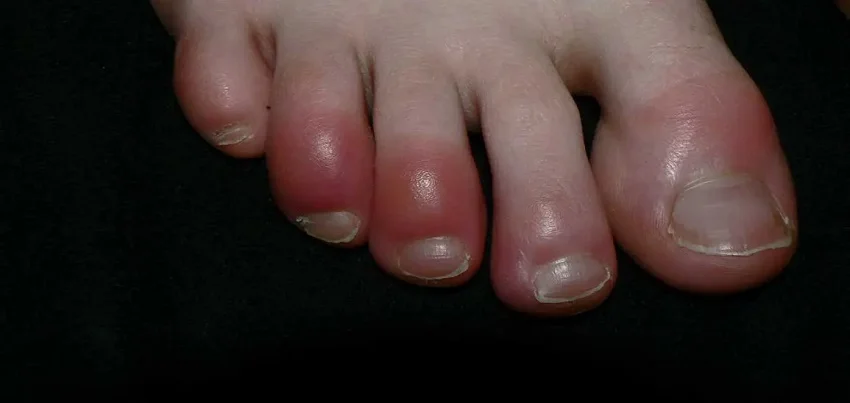
Frostbite Frostbite is a severe condition that occurs when the skin and underlying tissues freeze. It is most commonly seen in the extremities, such as the fingers, toes, nose, and ears, but can also occur on other parts of the body. The symptoms of frostbite can range from mild to severe, and if left untreated, it can result in permanent tissue damage or even amputation. The symptoms of frostbite include numbness, tingling, and a burning sensation in the affected area. The skin may also appear white or blue and may be hard to the touch. As the condition progresses, the affected tissue may become black and die. To diagnose frostbite, a doctor will perform a physical examination of the affected area. They may also take X-rays or MRI scans to assess the extent of the damage. Blood tests may also be performed to check for signs of infection. Common treatment methods for frostbite include rewarming the affected area, pain management, and antibiotics to prevent infection. The affected area may be rewarmed using warm water or a warm compress. Pain medication, such as ibuprofen or acetaminophen, may also be prescribed to manage pain. If the tissue has died, surgery may be required to remove the dead tissue. To prevent frostbite from occurring, it is important to take steps to protect yourself from cold temperatures. This includes wearing warm clothing and staying dry, as wet clothing can increase the risk of frostbite. It is also important to keep moving to increase blood flow to the extremities. In addition to taking steps to protect yourself from cold temperatures, there are also steps you can take to prevent frostbite through diet and exercise. A healthy diet that is rich in fruits, vegetables, and lean protein can help to keep your body healthy and strong. Regular exercise can also help to improve blood flow and circulation, which can help to prevent frostbite. Annual health check-ups and corporate health & wellness programs can also play a role in preventing frostbite. During an annual health check-up, a doctor can assess your overall health and identify any risk factors for frostbite. Corporate health & wellness programs can also help to educate employees about the risks of frostbite and provide resources to help them stay safe in cold temperatures. In conclusion, Frostbite is a severe condition that can result in permanent tissue damage or amputation. It’s important to be aware of the symptoms, and take the necessary steps to protect yourself from cold temperatures. Corporate health & wellness programs and annual health check-ups play a key role in preventing frostbite.
Read MoreTop rated products
-
 Full Body Health Checkup I
Original price was: ₹3,000.00.₹1,770.00Current price is: ₹1,770.00.
Full Body Health Checkup I
Original price was: ₹3,000.00.₹1,770.00Current price is: ₹1,770.00.
-
 MFG IND PACK III
Original price was: ₹3,900.00.₹2,145.00Current price is: ₹2,145.00.
MFG IND PACK III
Original price was: ₹3,900.00.₹2,145.00Current price is: ₹2,145.00.
-
 Dengue NS1 Antigen Test
₹900.00
Dengue NS1 Antigen Test
₹900.00
-
 Lipoprotein (A) Blood Test – Lp(a)
₹750.00
Lipoprotein (A) Blood Test – Lp(a)
₹750.00
-
 Healthy Life Advance Male
Original price was: ₹15,000.00.₹8,250.00Current price is: ₹8,250.00.
Healthy Life Advance Male
Original price was: ₹15,000.00.₹8,250.00Current price is: ₹8,250.00.