PrognoHealth – Corporate Health & Wellness Specialist


Monkeypox Mouth ulcers, also known as canker sores, are small, painful sores that develop inside the mouth. They can occur on the tongue, gums, or inside of the cheeks, and can make it difficult to eat or talk. Symptoms of mouth ulcers may include:Small, round or oval sores on the inside of the cheeks, gums, or tongueA red or yellow center with a red borderPain or a burning sensation in the affected areaSwelling or tenderness around the soreA loss of appetite or difficulty eating In most cases, mouth ulcers are not serious and can be diagnosed by a healthcare provider during a physical examination. In some cases, a biopsy may be taken to rule out any other underlying conditions. The treatment of mouth ulcers varies depending on the cause of the ulcer. Over-the-counter pain relievers can help to reduce the pain and discomfort associated with mouth ulcers. Topical gels or creams can also be applied to the affected area to provide pain relief. In more severe cases, oral medications may be prescribed. To prevent mouth ulcers, it is important to practice good oral hygiene. This includes:Brushing your teeth twice a day with a soft toothbrushFlossing once a dayRinsing your mouth with an antiseptic mouthwashAvoiding foods or drinks that can irritate the mouth, such as citrus fruits or acidic drinksAvoiding smoking or using smokeless tobaccoAnnual health checkups are a great way to detect any potential health issues early, and corporate health and wellness programs can also play a key role in promoting preventative care and early detection of mouth ulcers.A healthy diet and regular exercise can also help to boost your immune system and reduce your risk of developing mouth ulcers. Eating a diet rich in fruits, vegetables, and whole grains can provide the nutrients your body needs to stay healthy. Exercise, such as walking, jogging, cycling, or swimming, can also help to keep your immune system strong. In conclusion, Mouth ulcers are small, painful sores that develop inside the mouth. They can occur on the tongue, gums, or inside of the cheeks, and can make it difficult to eat or talk. Most cases of mouth ulcers are not serious and can be diagnosed by a healthcare provider during a physical examination. The treatment of mouth ulcers varies depending on the cause of the ulcer. To prevent mouth ulcers, it is important to practice good oral hygiene, such as brushing your teeth twice a day, flossing once a day, rinsing your mouth with an antiseptic mouthwash, avoiding foods or drinks that can irritate the mouth, avoiding smoking or using smokeless tobacco. Annual health checkups and corporate health and wellness programs can play a key role in promoting preventative care and early detection of mouth ulcers. A healthy diet and regular exercise can also help to boost your immune system and reduce the risk of developing mouth ulcers.
Read More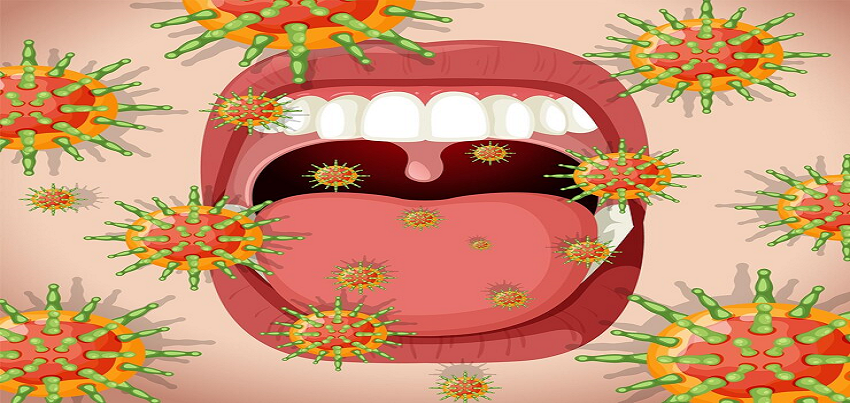
Mouth Ulcers Mouth ulcers, also known as canker sores, are small, painful sores that develop inside the mouth. They can occur on the tongue, gums, or inside of the cheeks, and can make it difficult to eat or talk. Symptoms of mouth ulcers may include:Small, round or oval sores on the inside of the cheeks, gums, or tongueA red or yellow center with a red borderPain or a burning sensation in the affected areaSwelling or tenderness around the soreA loss of appetite or difficulty eatingIn most cases, mouth ulcers are not serious and can be diagnosed by a healthcare provider during a physical examination. In some cases, a biopsy may be taken to rule out any other underlying conditions. The treatment of mouth ulcers varies depending on the cause of the ulcer. Over-the-counter pain relievers can help to reduce the pain and discomfort associated with mouth ulcers. Topical gels or creams can also be applied to the affected area to provide pain relief. In more severe cases, oral medications may be prescribed. To prevent mouth ulcers, it is important to practice good oral hygiene. This includes:Brushing your teeth twice a day with a soft toothbrushFlossing once a dayRinsing your mouth with an antiseptic mouthwashAvoiding foods or drinks that can irritate the mouth, such as citrus fruits or acidic drinksAvoiding smoking or using smokeless tobaccoAnnual health checkups are a great way to detect any potential health issues early, and corporate health and wellness programs can also play a key role in promoting preventative care and early detection of mouth ulcers. A healthy diet and regular exercise can also help to boost your immune system and reduce your risk of developing mouth ulcers. Eating a diet rich in fruits, vegetables, and whole grains can provide the nutrients your body needs to stay healthy. Exercise, such as walking, jogging, cycling, or swimming, can also help to keep your immune system strong. In conclusion, Mouth ulcers are small, painful sores that develop inside the mouth. They can occur on the tongue, gums, or inside of the cheeks, and can make it difficult to eat or talk. Most cases of mouth ulcers are not serious and can be diagnosed by a healthcare provider during a physical examination. The treatment of mouth ulcers varies depending on the cause of the ulcer. To prevent mouth ulcers, it is important to practice good oral hygiene, such as brushing your teeth twice a day, flossing once a day, rinsing your mouth with an antiseptic mouthwash, avoiding foods or drinks that can irritate the mouth, avoiding smoking or using smokeless tobacco. Annual health checkups and corporate health and wellness programs can play a key role in promoting preventative care and early detection of mouth ulcers. A healthy diet and regular exercise can also help to boost your immune system and reduce the risk of developing mouth ulcers.
Read More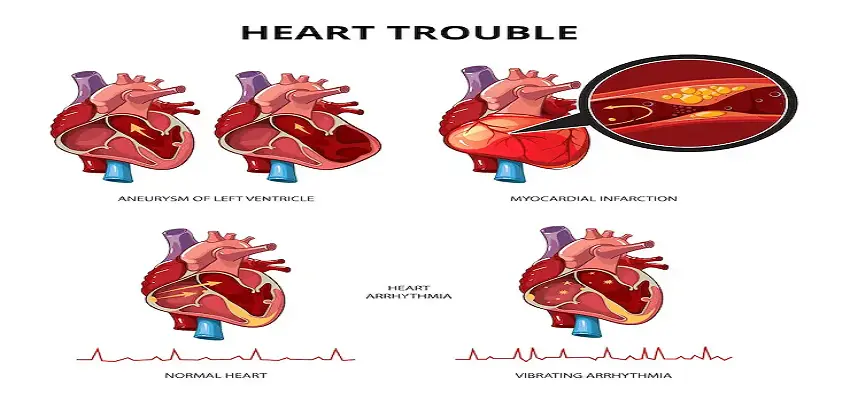
Myocardial Myocardial Infarction, also known as a heart attack, occurs when the blood flow to a section of the heart is blocked, resulting in damage or death of the heart muscle. This can happen due to a variety of reasons, including the buildup of plaque in the coronary arteries, blood clots, or a spasm of the coronary artery. Symptoms of a heart attack can vary, but common signs include chest pain or discomfort, shortness of breath, and discomfort in the arms, neck, jaw, or back. Other symptoms may include nausea, sweating, and lightheadedness. It is important to note that not all heart attacks present with the classic symptoms of chest pain, and some individuals may experience a heart attack without any symptoms at all. Diagnosis of a heart attack typically involves a combination of tests, including an electrocardiogram (ECG), blood tests, and imaging tests such as a computed tomography (CT) scan or magnetic resonance imaging (MRI). These tests can help to confirm the diagnosis and determine the extent of the damage to the heart. Common treatment methods for a heart attack include medications such as aspirin and thrombolytics to dissolve blood clots, as well as angioplasty or coronary artery bypass surgery to restore blood flow to the heart. In some cases, lifestyle changes such as quitting smoking, managing stress, and making changes to diet and exercise habits can also play a role in recovery. Preventing a heart attack is key to maintaining good heart health. Annual health check-ups can help identify potential risk factors for a heart attack, such as high blood pressure or cholesterol, and provide an opportunity to discuss prevention strategies with a healthcare provider. Corporate health and wellness programs can also help to promote healthy habits among employees, such as regular exercise, healthy eating, and stress management. Diet and exercise are key components of preventing a heart attack. Eating a diet rich in fruits, vegetables, whole grains, and lean proteins can help to lower the risk of heart disease. Regular exercise, such as brisk walking or cycling, can also help to improve cardiovascular health. It is important to keep your weight in check, as obesity is a major risk factor for heart disease. In addition to regular check-ups, corporate health and wellness programs can also help to promote healthy habits among employees, such as regular exercise, healthy eating, and stress management. These programs can include things like on-site fitness classes, healthy food options in the workplace, and stress management resources. In conclusion, Myocardial Infarction or Heart Attack is a serious condition caused by the blockage of blood flow to the heart. Symptoms of a heart attack can vary, and it is important to seek medical attention immediately if you suspect that you or someone you know may be experiencing a heart attack. Annual health check-ups, corporate health and wellness programs, diet, and exercise can all play a role in preventing a heart attack. It is important to be aware of the risk factors and take steps to lower your risk. With appropriate care and management, heart attacks can be prevented, and the risk of complications can be reduced.
Read More
Migraine Migraine is a chronic neurological disorder characterized by recurrent headaches that can be severe and debilitating. The symptoms of a migraine can vary from person to person, but they typically include a severe headache, nausea, vomiting, and sensitivity to light and sound. Some people may also experience an aura, which is a visual or sensory disturbance that occurs before the headache. Diagnosis of migraine is typically made based on the patient’s description of their symptoms and a physical examination. There are no specific tests to diagnose migraines, but a neurologist may perform imaging studies such as an MRI or CT scan to rule out other potential causes of the headache. Common treatment methods for migraines include the use of medications such as triptans and non-steroidal anti-inflammatory drugs (NSAIDs). Triptans are a class of drugs that constrict blood vessels in the brain, while NSAIDs reduce inflammation. In some cases, preventive medications such as beta-blockers, antiepileptic drugs, or antidepressants may be prescribed to reduce the frequency and severity of migraines. Preventing migraines from occurring is important for both individuals and the community as a whole. The best way to prevent migraines depends on the individual and the triggers that cause the migraines. Triggers can be different from person to person and can include things like stress, lack of sleep, certain foods, and changes in weather. Identifying triggers and avoiding them is the first step in preventing migraines. Annual health check-ups are a valuable tool in preventing migraines, as they allow individuals to be aware of their health status and take steps to improve it. A health check-up can help detect migraine early and provide appropriate treatment. Corporate health and wellness programs can also play a key role in preventing migraines by promoting preventive measures and providing employees with access to annual health check-ups. In addition to identifying triggers and avoiding them, there are several lifestyle changes that can be made to help prevent migraines. Eating a healthy diet and engaging in regular physical activity can help reduce stress and improve overall health, which can in turn reduce the frequency and severity of migraines. In terms of diet, it is important to consume a variety of nutrient-dense foods such as fruits and vegetables, lean proteins, and whole grains. These foods provide the vitamins and minerals needed to support overall health. It is also important to drink enough water and avoid skipping meals, as these can trigger migraines. Exercise is also an important part of preventing migraines. Regular physical activity can help reduce stress and improve overall health. Aim for at least 30 minutes of moderate-intensity exercise most days of the week. It is also important to practice good sleep hygiene, as lack of sleep is a common trigger for migraines. In conclusion, migraine is a chronic neurological disorder characterized by recurrent headaches that can be severe and debilitating. Identifying triggers and avoiding them is the first step in preventing migraines. Annual health check-ups are a valuable tool in preventing migraines, as are corporate health and wellness programs. Eating a healthy diet and engaging in regular physical activity, practising good sleep hygiene and reducing stress are also important for preventing migraines.
Read More
Malaria Malaria is a serious and potentially life-threatening disease caused by the Plasmodium parasite. It is transmitted to humans through the bite of an infected mosquito. The symptoms of malaria can vary depending on the type of Plasmodium parasite responsible for the infection, but they typically include fever, chills, headache, muscle pain, and fatigue. In severe cases, malaria can lead to anemia, kidney failure, brain damage, and even death. Diagnosis of malaria is typically made based on the presence of symptoms and a history of exposure to the disease. A laboratory test called a malaria rapid diagnostic test (RDT) or a blood smear can be used to confirm the diagnosis. The RDTs detect the presence of the malaria parasite in the blood and the blood smear can identify the species of the parasite. Common treatment methods for malaria include administering antimalarial drugs such as artemisinin-based combination therapies (ACTs). The choice of drugs and the duration of treatment depend on the type of Plasmodium parasite responsible for the infection, the patient’s symptoms, and their overall health. In severe cases, hospitalization may be required for supportive care and to prevent complications. Preventing malaria from occurring is important for both individuals and the community as a whole. The best way to prevent malaria is to prevent the mosquito bites that transmit the disease. This can be done by using mosquito repellents, sleeping under bed nets, and wearing protective clothing. Annual health check-ups are a valuable tool in preventing malaria, as they allow individuals to be aware of their health status and take steps to improve it. A health check-up can help detect malaria early and provide appropriate treatment. Corporate health and wellness programs can also play a key role in preventing malaria by promoting preventive measures and providing employees with access to annual health check-ups. In addition to preventive measures, there are several lifestyle changes that can be made to help prevent malaria. Eating a healthy diet and engaging in regular physical activity can help boost the immune system, making it more effective at fighting off infections. In terms of diet, it is important to consume a variety of nutrient-dense foods such as fruits and vegetables, lean proteins, and whole grains. These foods provide the vitamins and minerals needed to support a strong immune system. Exercise is also an important part of preventing malaria. Regular physical activity can help improve overall health and decrease the risk of infections. Aim for at least 30 minutes of moderate-intensity exercise most days of the week. In conclusion, malaria is a serious and potentially life-threatening disease caused by the Plasmodium parasite. It is transmitted to humans through the bite of an infected mosquito. The best way to prevent malaria is to prevent the mosquito bites that transmit the disease. Annual health check-ups are a valuable tool in preventing malaria, as are corporate health and wellness programs. Eating a healthy diet and engaging in regular physical activity are also important for supporting a strong immune system and preventing malaria.
Read More
Long COVID Long COVID, also known as post-acute sequelae of SARS-CoV-2 infection (PASC) or post-acute sequelae of COVID-19 (PASC-19), refers to the persistence of symptoms following acute COVID-19 infection. These symptoms can range from mild to severe, and can include fatigue, brain fog, shortness of breath, chest pain, and heart palpitations. Diagnosis of Long COVID can be challenging, as there is currently no definitive test for the condition. Symptoms can be similar to those of other illnesses, such as chronic fatigue syndrome or fibromyalgia. To diagnose Long COVID, doctors may perform a physical examination and take a patient’s medical history, including information about their COVID-19 infection. They may also order blood tests, imaging tests, or other diagnostic tests to rule out other conditions. Common treatment methods for Long COVID include rest, physical therapy, and medication to manage symptoms. Antidepressants and anti-anxiety medications may be prescribed to help with emotional and mental symptoms. In addition, some doctors may recommend taking supplements such as vitamin D or magnesium to help improve overall health and reduce symptoms. To prevent Long COVID from occurring, it is important to practice good infection control measures, such as handwashing, wearing a mask, and practicing social distancing. Additionally, getting the COVID-19 vaccine can help protect against severe illness and long-term effects of the virus. Diet and exercise are also important in preventing Long COVID. A healthy diet that is rich in fruits, vegetables, and whole grains can help boost the immune system and reduce inflammation. Exercise, such as walking, cycling, or swimming, can also help to improve overall health and reduce symptoms. Annual health check-ups and corporate health & wellness programs can also play a role in preventing Long COVID. Annual health check-ups can help to identify potential health issues early, while corporate health & wellness programs can help to promote healthy lifestyle choices and prevent illness. In conclusion, Long COVID is a condition that can occur following acute COVID-19 infection, with symptoms that can range from mild to severe. Diagnosis can be challenging and treatment includes rest, physical therapy, and medication to manage symptoms. To prevent Long COVID, it is important to practice good infection control measures, get the COVID-19 vaccine, maintain a healthy diet and exercise, and utilize annual health check-ups and corporate health & wellness programs.
Read More
Adult Inclusion Conjunctivitis Adult inclusion conjunctivitis, also known as chlamydia conjunctivitis, is a type of eye infection caused by the bacteria Chlamydia trachomatis. It typically affects adults, and can lead to serious complications if left untreated.Symptoms of Adult Inclusion Conjunctivitis:The symptoms of adult inclusion conjunctivitis can include red, swollen eyes, discharge from the eyes, and burning or itching. In some cases, the infection may also cause blurred vision.Tests for Diagnosis:To diagnose adult inclusion conjunctivitis, a healthcare provider will typically perform an eye examination and take a sample of the eye discharge for testing. The sample will be examined under a microscope to look for the presence of the Chlamydia trachomatis bacteria.Common Treatment Methods:Treatment for adult inclusion conjunctivitis typically involves the use of antibiotics to kill the bacteria causing the infection. These antibiotics may be given as eyed drops, ointment, or pills.Preventing Adult Inclusion Conjunctivitis:To prevent adult inclusion conjunctivitis, it is important to practice good hygiene and take steps to avoid spreading the infection. This includes washing your hands regularly, avoiding touching or rubbing your eyes, and avoiding sharing personal items such as towels or makeup.Diet and Exercise to Prevent Adult Inclusion Conjunctivitis:A healthy diet and regular exercise can help to boost the immune system and reduce the risk of infection. Eating a diet that is rich in fruits and vegetables, and getting enough vitamins, such as Vitamin A, C, and E, can help to support a healthy immune system. Regular exercise can also help to boost immunity and reduce stress, which can make you more susceptible to infections.Health check-up corporate health and wellness programs can help to identify and prevent Adult Inclusion Conjunctivitis by providing employees with regular screenings and education about good hygiene practices. These programs can also provide employees with access to fitness and nutrition resources and support.In summary, Adult Inclusion Conjunctivitis is a type of eye infection caused by the bacteria Chlamydia trachomatis. The symptoms can include red, swollen eyes, discharge from the eyes, and burning or itching. To diagnose it, a healthcare provider will typically perform an eye examination and take a sample of the eye discharge for testing. The common treatment methods include the use of antibiotics to kill the bacteria causing the infection. To prevent it, it’s important to practice good hygiene and take steps to avoid spreading the infection. A healthy diet and regular exercise can help to boost the immune system and reduce the risk of infection. Corporate health and wellness programs can help to identify and prevent Adult Inclusion Conjunctivitis by providing employees with regular screenings and education about good hygiene practices.
Read More
Alzheimer’s Disease Alzheimer’s disease is a progressive, degenerative disorder that affects the brain, leading to memory loss, difficulty with language, disorientation, mood swings, loss of motivation and impaired judgment. It is the most common cause of dementia, a general term for a decline in cognitive function severe enough to interfere with daily life. Symptoms of Alzheimer’s disease typically develop gradually and include memory loss, difficulty with language, disorientation, mood swings, loss of motivation and impaired judgment. As the disease progresses, individuals may also experience difficulty with daily activities such as bathing, dressing, and eating. To diagnose Alzheimer’s disease, a healthcare provider will typically perform a physical examination and take a medical history. They may also use diagnostic tools such as cognitive and neuropsychological tests, brain imaging scans, and laboratory tests to rule out other potential causes of cognitive decline. Health check up is a good way to identify the symptoms of Alzheimer’s disease and start the diagnosis process. It is important to schedule regular check-ups to monitor symptoms and progress. There is currently no cure for Alzheimer’s disease, but there are medications and therapies that can help to slow the progression of the disease and improve quality of life. These include cholinesterase inhibitors and memantine, which can help to improve memory and thinking, and non-pharmacologic therapies such as cognitive stimulation and physical exercise. Prevention methods for Alzheimer’s disease include maintaining a healthy lifestyle through a balanced diet and regular exercise. Studies have shown that a diet that is high in fruits, vegetables, and whole grains, and low in saturated fats may be beneficial. Regular physical activity can also help to reduce the risk of cognitive decline. Other risk reduction methods include mental and social stimulation, stress management, and managing and treating other health conditions such as hypertension, diabetes, and depression. It’s also important to have regular check-ups to monitor cognitive function, and if there is any sign of cognitive decline, seek professional advice. In conclusion, Alzheimer’s disease is a progressive, degenerative disorder that affects the brain, leading to memory loss, difficulty with language, disorientation, mood swings, loss of motivation and impaired judgment. Scheduling regular health check-ups is essential to identify the symptoms of Alzheimer’s disease and start the diagnosis process. There is currently no cure for Alzheimer’s disease, but there are medications and therapies that can help to slow the progression of the disease and improve quality of life. Maintaining a healthy lifestyle through a balanced diet and regular exercise, mental and social stimulation, stress management, and managing and treating other health conditions are recommended prevention methods.
Read More
Autism Autism, also known as autism spectrum disorder (ASD), is a neurodevelopmental disorder that affects communication, social interaction, and behavior. It is a spectrum disorder, meaning that it affects individuals differently and to varying degrees. Symptoms of autism typically appear in early childhood, and can include difficulty with social interaction, communication, and repetitive behaviors. Some children with autism may have difficulty making eye contact, have trouble understanding social cues, or have difficulty with language development. They may also engage in repetitive behaviors, such as rocking or flapping their hands, and have difficulty with changes in routine. To diagnose autism, a healthcare provider will typically perform a physical examination and take a medical history. They may also use diagnostic tools such as the Diagnostic and Statistical Manual of Mental Disorders (DSM-5) or the Autism Diagn Observation Schedule (ADOS) to assess the severity of symptoms and make a diagnosis. Health check up is a good way to identify the symptoms of autism and start the diagnosis process. It is important to schedule regular check-ups to monitor symptoms and progress. Common treatment options for autism include behavioral therapy, such as Applied Behavioral Analysis (ABA), speech therapy, and occupational therapy. Medications may also be used to treat symptoms such as anxiety, depression, and attention deficit hyperactivity disorder (ADHD). There is no known way to prevent autism, however, early intervention is essential for the best outcome for children with autism. Early diagnosis and treatment can help children with autism develop the skills they need to reach their full potential. There is no specific diet or exercise plan that has been shown to prevent autism, however, maintaining a healthy lifestyle through a balanced diet and regular exercise can promote overall health and well-being. In conclusion, autism is a neurodevelopmental disorder that affects communication, social interaction, and behavior. It is a spectrum disorder and affects individuals differently. Scheduling regular health check-ups can help to identify the symptoms of autism and start the diagnosis process. There is no known way to prevent autism, however, early intervention is essential for the best outcome for children with autism. A healthy diet and regular exercise can promote overall health and well-being.
Read More
Top rated products
-
 Full Body Health Checkup I
Original price was: ₹3,000.00.₹1,770.00Current price is: ₹1,770.00.
Full Body Health Checkup I
Original price was: ₹3,000.00.₹1,770.00Current price is: ₹1,770.00.
-
 MFG IND PACK III
Original price was: ₹3,900.00.₹2,145.00Current price is: ₹2,145.00.
MFG IND PACK III
Original price was: ₹3,900.00.₹2,145.00Current price is: ₹2,145.00.
-
 Dengue NS1 Antigen Test
₹900.00
Dengue NS1 Antigen Test
₹900.00
-
 Lipoprotein (A) Blood Test – Lp(a)
₹750.00
Lipoprotein (A) Blood Test – Lp(a)
₹750.00
-
 Healthy Life Advance Male
Original price was: ₹15,000.00.₹8,250.00Current price is: ₹8,250.00.
Healthy Life Advance Male
Original price was: ₹15,000.00.₹8,250.00Current price is: ₹8,250.00.