PrognoHealth – Corporate Health & Wellness Specialist

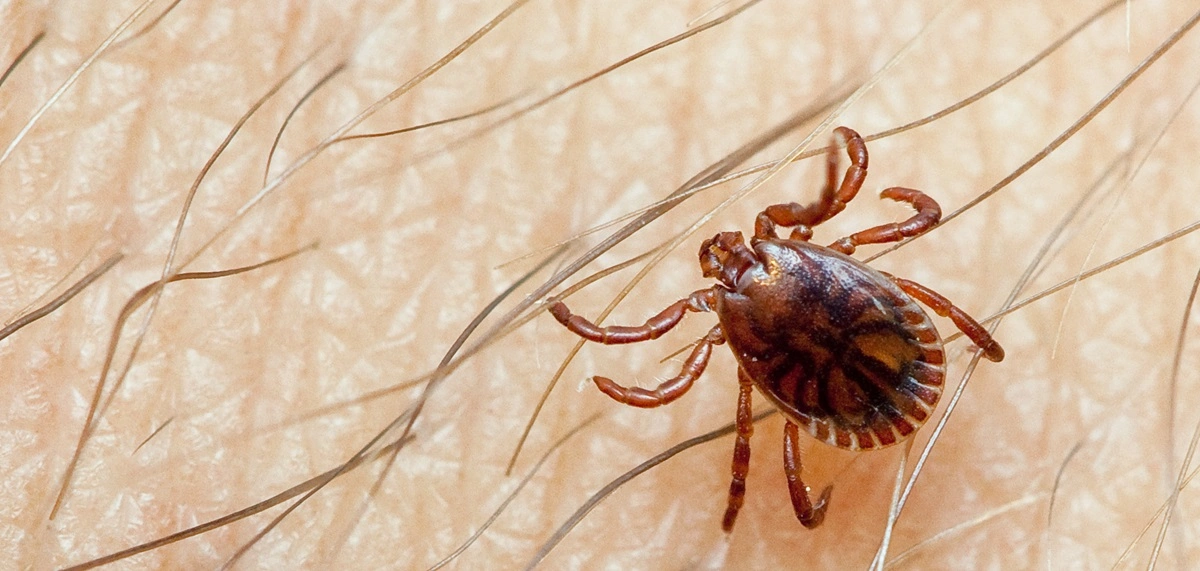
Crimean-Congo Haemorrhagic Fever (CCHF) Crimean-Congo haemorrhagic fever (CCHF) is a viral infection that is spread by ticks and can also be spread to humans through contact with infected animal blood or tissue. The virus is found in Africa, Asia, and Eastern Europe and is considered a serious public health concern due to its high case-fatality rate. Symptoms of CCHF typically appear within 2-9 days after exposure and include fever, headache, muscle aches, weakness, dizziness, abdominal pain, nausea, and vomiting. As the disease progresses, patients may develop a rash, and may experience bleeding from the gums, nose, and under the skin. In severe cases, patients may develop kidney failure, and may experience bleeding in the brain, lungs, and stomach. Diagnosis of CCHF is typically made through blood tests, which can detect antibodies to the virus or viral RNA. In some cases, a chest X-ray or CT scan may be performed to check for signs of pneumonia or other complications. Treatment for CCHF is typically supportive, and may include medications to control fever, pain, and bleeding. In severe cases, patients may require intensive care and may need to be hospitalized. There is no specific antiviral therapy for CCHF. To prevent CCHF from occurring, it is important to take precautions to avoid tick bites, such as wearing long sleeves and pants, using tick repellent, and checking for ticks after spending time outdoors. It is also important to avoid contact with infected animal blood or tissue. Annual health check-ups can help to identify any underlying health conditions that may increase the risk of CCHF, and corporate health and wellness programs can help to promote healthy habits and reduce the risk of infection. It is also important to wash hands frequently and practice good hygiene especially if working in areas with known cases of CCHF. Diet and exercise do not play a direct role in preventing CCHF, but maintaining a healthy lifestyle can help to boost the immune system and reduce the risk of infection. In summary, Crimean-Congo haemorrhagic fever (CCHF) is a viral infection that is spread by ticks and can also be spread to humans through contact with infected animal blood or tissue. Symptoms include fever, headache, muscle aches, weakness, dizziness, abdominal pain, nausea, and vomiting. As the disease progresses, patients may develop a rash, and may experience bleeding from the gums, nose, and under the skin. Diagnosis is typically made through blood tests. Treatment is typically supportive, and there is no specific antiviral therapy for CCHF. To prevent CCHF from occurring it is important to take precautions to avoid tick bites, avoid contact with infected animal blood or tissue, practice good hygiene, and wash hands frequently. Annual health check-ups and corporate health and wellness programs can help to identify any underlying health conditions that may increase the risk of CCHF and promote healthy habits. Diet and exercise do not play a direct role in preventing CCHF, but maintaining a healthy lifestyle can help to boost the immune system and reduce the risk of infection. Crimean-Congo Hemorrhagic Fever. CCHF, or Crimean-Congo Hemorrhagic Fever, is a severe viral disease transmitted to humans by ticks or through contact with the blood or tissues of infected animals or humans. Here’s a detailed overview: Overview of Crimean-Congo Hemorrhagic Fever (CCHF) • Causative Agent : The CCHF virus is a member of the Nairovirus genus within the Bunyaviridae family.• First Identified : The disease was first identified in Crimea in 1944 and later recognized in Congo in 1956, which led to its name.• Geographical Distribution : CCHF is found in Eastern Europe, the Mediterranean, central Asia, Africa, the Middle East, and the Indian subcontinent. It has been detected in over 30 countries. Transmission : 1. Tick Bites : The primary vector for CCHF is the Hyalomma tick. Humans can become infected through bites from infected ticks.2. Animal Contact : Direct contact with the blood or tissues of infected livestock (cattle, sheep, goats) can transmit the virus. These animals often get infected by tick bites.3. Human-to-Human Transmission : This can occur through exposure to blood or bodily fluids of infected individuals, particularly in healthcare settings without adequate infection control measures. Symptoms and Clinical Course : CCHF has a rapid onset and can lead to severe hemorrhagic complications: 1. Incubation Period : Typically 1-3 days after a tick bite or up to 9 days after contact with infected blood or tissues.2. Initial Symptoms 😮 Sudden fevero Muscle acheso Dizzinesso Neck pain and stiffnesso Backacheo Headacheo Sore eyeso Photophobia (sensitivity to light)3. Gastrointestinal Symptoms 😮 Nauseao Vomitingo Diarrheao Abdominal paino Sore throat4. Severe Symptoms (typically appear after a few days) 😮 Rapidly progressive signs of bleeding (petechiae, ecchymoses, purpura, bleeding from gums or nose, blood in urine and stools)o Hepatomegaly (enlarged liver)o Jaundiceo Mood changes (agitation, confusion)o Severe cases can lead to multi-organ failure and shock.5. Recovery : If the patient survives the hemorrhagic phase, recovery begins within 9-10 days of symptom onset. Diagnosis : 1. Clinical Suspicion : Diagnosis is often based on the patient’s travel history, exposure risks, and clinical presentation.2. Laboratory Tests:o RT-PCR (Reverse Transcription Polymerase Chain Reaction) : Detects viral RNA in the blood.o Serology : Detects antibodies (IgM and IgG) against CCHF virus.o Virus Isolation : Culturing the virus, which requires a high-containment laboratory. Treatment and Management : 1. Supportive Care : The mainstay of treatment includes maintaining hydration, blood pressure, and oxygen levels, as well as managing hemorrhagic symptoms.2. Antiviral Treatment : Ribavirin, an antiviral drug, has been used with varying success, but its effectiveness is still under review.3. Infection Control : Strict isolation and use of personal protective equipment (PPE) are essential to prevent human-to-human transmission, especially in healthcare settings. Prognosis • The mortality rate for CCHF ranges from 10-40%, depending on the outbreak and quality of medical care.• Early diagnosis and supportive treatment improve the chances of survival. Prevention 1. Avoiding Tick Bites 😮 Wear protective clothing and use insect repellents in endemic areas.o Perform regular tick checks and remove ticks promptly
Read More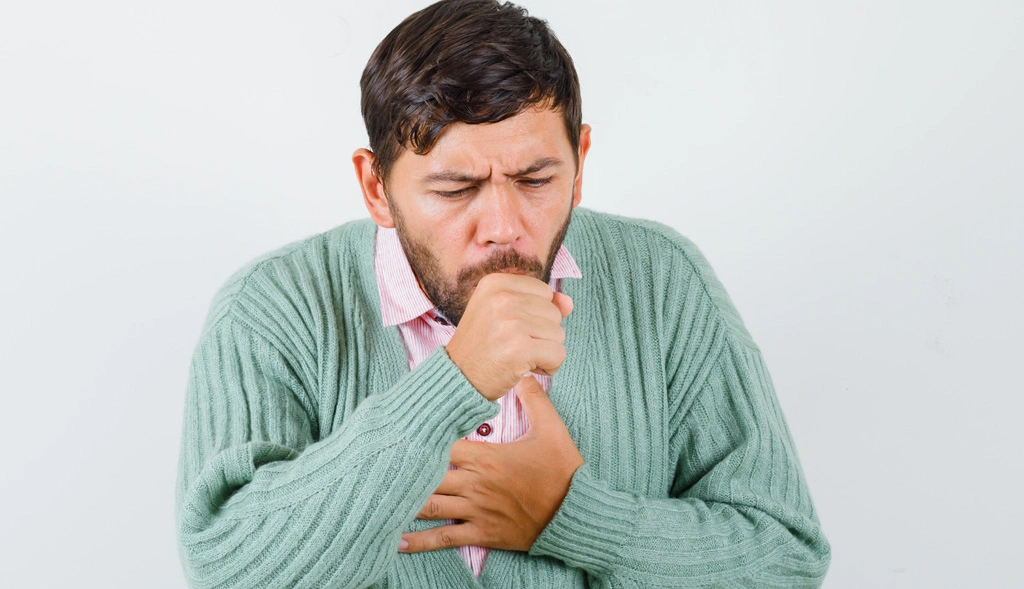
Cough Cough is a common symptom that can be caused by a variety of conditions, including colds, flu, bronchitis, pneumonia, and asthma. There are several different types of cough, including acute cough, subacute cough, and chronic cough. Symptoms of a cough can vary depending on the underlying cause, but may include a tickling or scratchy sensation in the throat, chest congestion, difficulty breathing, and production of phlegm or mucus. Some people may also experience a fever or chills, and chest pain. To diagnose the cause of a cough, a doctor may perform a physical examination and listen to the chest with a stethoscope. Additional tests may include a chest X-ray, CT scan, or pulmonary function test. Blood tests may also be ordered to check for infection or other underlying conditions. Treatment for a cough will depend on the underlying cause. Over-the-counter medications such as decongestants, antihistamines, and cough suppressants can help to relieve symptoms. In more severe cases, prescription medications such as antibiotics or inhaled broncho dilators may be prescribed. In addition to medications, there are several things that can be done to prevent a cough from occurring. These include: Annual health check-ups to identify and address any underlying health conditions that may increase the risk of cough. Corporate health and wellness programs can help to promote healthy habits and reduce the risk of cough and other respiratory conditions. Avoiding exposure to irritants such as smoke and pollution, and avoiding close contact with people who are sick. Washing your hands frequently, and covering your mouth and nose when you cough or sneeze. Diet and exercise can also play a role in preventing a cough. A healthy diet that is rich in fruits, vegetables, and whole grains can help to boost the immune system and reduce the risk of infection. Regular exercise can also help to improve lung function and reduce the risk of respiratory conditions. In summary, Cough is a common symptom that can be caused by a variety of conditions. There are several different types of cough, including acute, subacute, and chronic. Symptoms can vary depending on the underlying cause. To diagnose the cause of a cough, a doctor may perform a physical examination, listen to the chest with a stethoscope and run some tests. Treatment for a cough will depend on the underlying cause. To prevent a cough from occurring, annual health check-ups, corporate health and wellness programs, avoiding exposure to irritants, washing hands, and covering the mouth and nose when sneezing and coughing are important. Diet and exercise can also play a role in preventing a cough.
Read More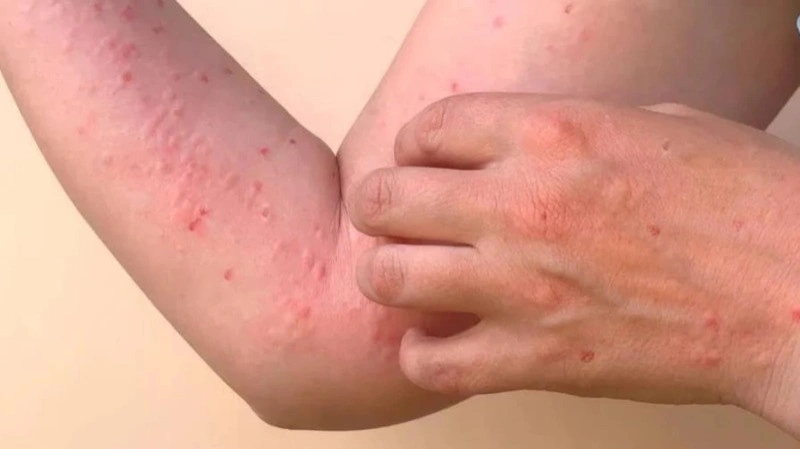
Chikungunya fever is a viral illness that is transmitted to humans by the bite of infected mosquitoes. The virus is primarily found in tropical and subtropical regions of the world, such as Africa, Asia, and the Caribbean.
Read More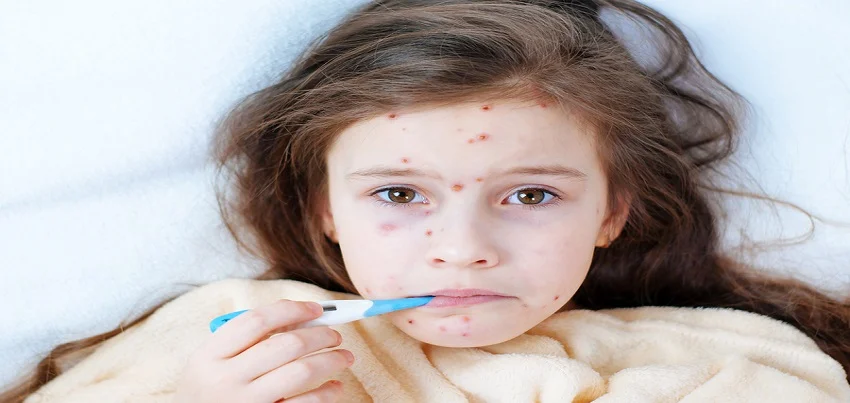
Chickenpox Chickenpox, also known as varicella, is a highly contagious viral infection that is characterized by an itchy rash and blisters. It is caused by the varicella-zoster virus (VZV) and is most commonly seen in children, although it can occur in adults as well. Symptoms of chickenpox typically appear 10 to 21 days after exposure to the virus and can include fever, fatigue, and loss of appetite. The most distinctive symptom of chickenpox is a rash that begins as small red bumps and then develops into itchy blisters. The rash can appear anywhere on the body, but is most commonly found on the face, scalp, chest, and back. Other symptoms may include headache, sore throat, and swollen lymph nodes. Diagnosis of chickenpox is usually made based on the characteristic rash and other symptoms. A healthcare provider may also take a swab from the blisters to confirm the diagnosis. A blood test can also be done to detect antibodies to VZV, but this is not typically necessary for diagnosis. Treatment for chickenpox is primarily focused on relieving symptoms and preventing complications. Over-the-counter pain medication can be used to reduce fever and discomfort. Calamine lotion or oatmeal baths may be used to alleviate itching. Keeping the affected area clean and dry can also help to prevent infection. In severe cases, antiviral medication may be prescribed. The best way to prevent chickenpox is through vaccination. The chickenpox vaccine is highly effective in preventing the disease and is recommended for all children and adults who have not had the disease or been vaccinated. For people who are exposed to chickenpox and have not been vaccinated, a medication called varicella-zoster immune globulin (VZIG) may be given to help prevent or lessen the severity of the disease. In addition to vaccination, practising good hygiene and avoiding close contact with infected individuals can also help to reduce the risk of chickenpox. Regular exercise and a balanced diet can also help to boost the immune system and reduce the risk of infection. Annual health check-ups can also play an important role in preventing chickenpox by identifying risk factors and providing appropriate recommendations. Corporate health and wellness programs can also be beneficial by providing employees with access to resources and support to maintain healthy lifestyle habits and vaccination. In conclusion, Chickenpox is a highly contagious viral infection characterized by an itchy rash and blisters caused by varicella-zoster virus (VZV). Symptoms include fever, fatigue, and loss of appetite. Diagnosis is made based on the characteristic rash and other symptoms. Treatment is primarily focused on relieving symptoms and preventing complications. The best way to prevent chickenpox is through vaccination. Regular exercise, a balanced diet, annual health check-ups and corporate health & wellness programs can also help to boost the immune system and reduce the risk of infection.
Read More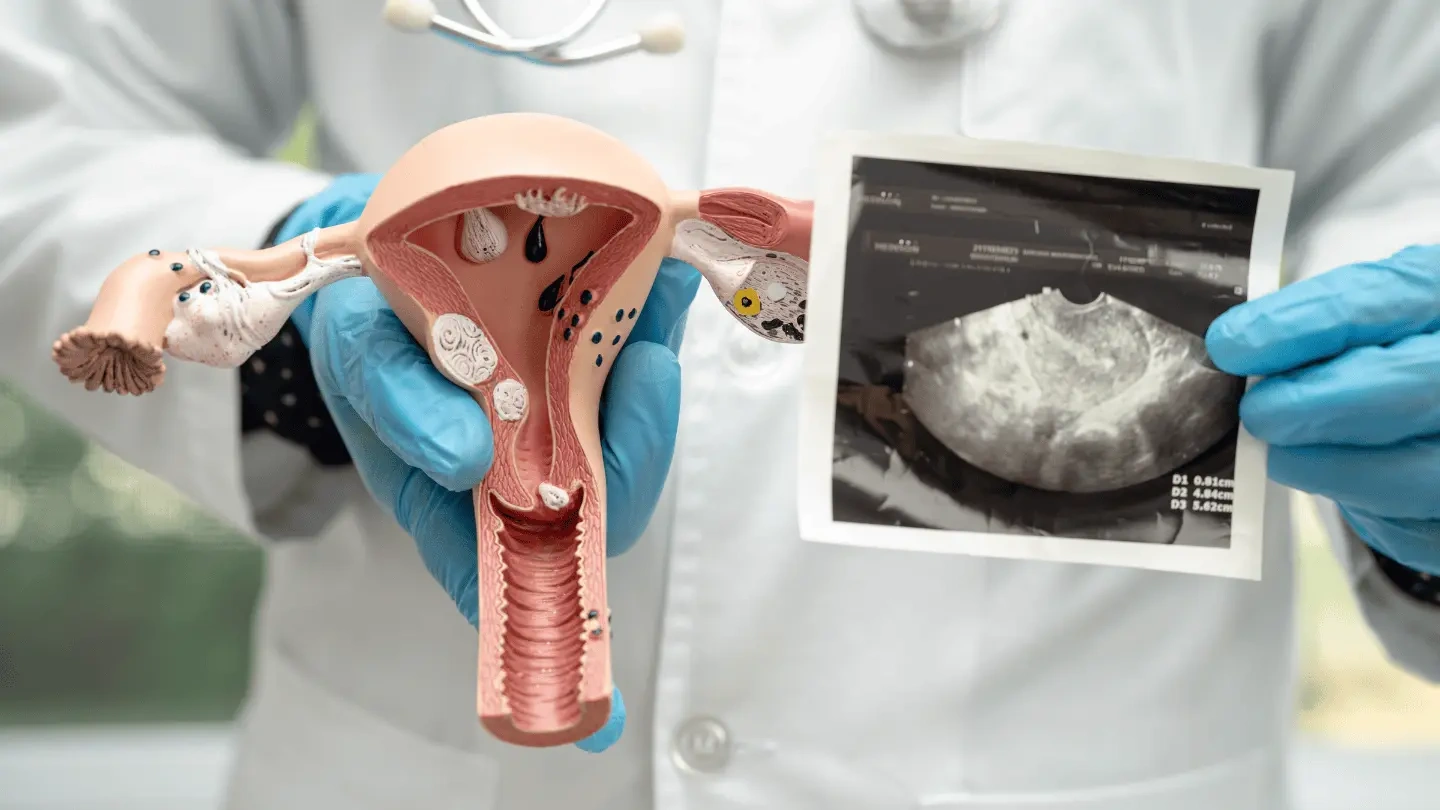
Cervical Cancer Cervical cancer is a type of cancer that occurs in the cervix, the lower part of the uterus that connects to the vagina. It is caused by the human papillomavirus (HPV), a sexually transmitted infection. Cervical cancer is one of the most preventable types of cancer, and early detection through regular screenings can greatly improve outcomes. Symptoms of cervical cancer may not be present in the early stages, but as the cancer progresses, symptoms may include abnormal vaginal bleeding, pelvic pain, and pain during intercourse. These symptoms can also be caused by other conditions, so it’s important to see a healthcare provider for proper diagnosis. Diagnosis of cervical cancer is typically made through a pelvic examination and pap smear test. If abnormal cells are found, further testing such as a colposcopy, biopsy, and HPV test may be done to confirm the diagnosis. Treatment for cervical cancer depends on the stage of the cancer and can include surgery, radiation therapy, and chemotherapy. In early stages, cervical cancer can often be treated with surgery to remove the abnormal tissue. In advanced stages, a combination of treatments may be used to improve outcomes. Preventing cervical cancer involves reducing the risk of contracting HPV, the virus that causes cervical cancer. This can include getting the HPV vaccine, practicing safe sex, and avoiding smoking and excessive alcohol consumption. Annual health check-ups and screenings are an important tool in preventing cervical cancer. During these check-ups, healthcare providers can perform pelvic exams and pap tests to detect any abnormal cells. Corporate health and wellness programs can also play a role in preventing cervical cancer by promoting education about the importance of regular screenings and providing access to preventative care. A healthy diet and regular exercise can also help prevent cervical cancer. Eating a diet rich in fruits, vegetables, and whole grains, and low in processed foods can help reduce the risk of certain cancers. Regular exercise can also help maintain a healthy weight, improve overall health, and reduce the risk of certain cancers. In conclusion, cervical cancer is a type of cancer that occurs in the cervix and is caused by the human papillomavirus (HPV). It is one of the most preventable types of cancer, and early detection through regular screenings can greatly improve outcomes. Symptoms may not be present in the early stages, but as the cancer progresses, symptoms may include abnormal vaginal bleeding, pelvic pain, and pain during intercourse. The treatment for cervical cancer depends on the stage of the cancer and can include surgery, radiation therapy, and chemotherapy. To prevent cervical cancer, it is important to reduce the risk of contracting HPV, get the HPV vaccine, practice safe sex, and avoid smoking and excessive alcohol consumption. Annual health check-ups and screenings, corporate health and wellness programs, a healthy diet and regular exercise can also play a role in preventing cervical cancer.
Read More
Cancer is a disease that occurs when abnormal cells in the body grow and divide uncontrollably. There are many different types of cancer, each with their own set of symptoms and risk factors. Some common types of cancer include breast cancer, lung cancer, prostate cancer, and colon cancer.
Read More
Bruxism, also known as teeth grinding, is a common condition that affects many people at some point in their lives. It is a condition in which a person unconsciously grinds or clenches their teeth, typically during sleep.
Read More
Brucella Brucella, commonly found in domestic and wild animals. The most common way of human infection is through direct contact with animals or their products such as milk, cheese or meat. In this article, we will discuss the symptoms of Brucellosis, tests for diagnosis, common treatment methods, and ways to prevent it from occurring. Additionally, we will discuss the importance of diet and exercise in maintaining overall health through corporate health and wellness programs. Symptoms of Brucellosis can vary depending on the individual and the stage of the infection, but common symptoms include fever, fatigue, sweating, joint pain, and headaches. Some individuals may also experience muscle and back pain, weight loss, and depression. Diagnosis of Brucellosis typically involves a physical examination, blood tests and culture examination. Sometimes, additional tests such as bone marrow examination and imaging test may be used to confirm the diagnosis and rule out other conditions. Common treatment methods for Brucellosis include antibiotics such as doxycycline and rifampin for several weeks. In some cases, other antibiotics such as streptomycin or gentamicin may be used. Recovery time varies depending on the individual and the stage of the infection, and in some cases, the disease may become chronic and recur. Prevention of Brucellosis includes avoiding direct contact with infected animals or their products, especially in areas where the disease is known to occur. Properly cooking meat and pasteurizing milk can also help prevent infection. Corporate health and wellness programs can play a role in preventing Brucellosis by providing education on the importance of proper food handling and preparation, and offering vaccinations to individuals who may be at high risk of infection. Diet and exercise are also important in maintaining overall health and reducing the risk of infection. Eating a balanced diet that includes plenty of fruits and vegetables, lean protein, and whole grains can help to support the immune system. Regular exercise can also help to improve overall health and reduce the risk of chronic disease. In conclusion, Brucellosis is a bacterial infection that can cause serious health problems if not treated properly. Through preventative measures such as avoiding direct contact with infected animals, maintaining a healthy diet and lifestyle and participating in corporate health and wellness programs, individuals can take steps to reduce their risk of contracting the disease. If you suspect you have been infected, it is important to seek medical attention as soon as possible for proper diagnosis and treatment.
Read More
Acute Encephalitis Syndrome Acute encephalitis syndrome (AES) is a serious condition that affects the brain, causing inflammation and swelling. The symptoms of AES can range from mild to severe, and can include fever, headache, confusion, seizures, and even coma. In some cases, AES can also cause behavioral changes, such as irritability or aggression. To diagnose AES, a healthcare provider will typically perform a physical examination and may also order tests such as a CT scan or MRI to evaluate the brain, and also blood tests to look for infection or other underlying conditions. Treatment for AES typically involves addressing the underlying cause of the inflammation, which can include antiviral or antibiotic medications for infections, or steroids to reduce inflammation. In some cases, a person with AES may also require supportive care, such as oxygen therapy or mechanical ventilation. Prevention of AES is challenging as the causes of AES is not fully known yet and can be caused by various factors such as viral, bacterial, fungal, parasitic and other unknown causes. However, some measures can be taken to reduce the risk of contracting AES, such as avoiding exposure to known AES-causing viruses, such as Japanese encephalitis virus, and practicing good hygiene, such as washing hands frequently and avoiding close contact with people who are sick. Corporate health & wellness programs can play a role in preventing AES by educating employees on the importance of maintaining good hygiene practices, and providing access to vaccinations for AES-causing viruses such as Japanese encephalitis virus. Employers can also promote healthy lifestyle choices, such as regular exercise, healthy diet and adequate sleep, which can boost the immune system and make it more resistant to infections. In summary, Acute encephalitis syndrome (AES) is a serious condition that affects the brain, causing inflammation and swelling. The symptoms of AES can range from mild to severe and can include fever, headache, confusion, seizures, and even coma. AES is caused by various factors such as viral, bacterial, fungal, parasitic and other unknown causes. Corporate health & wellness programs can play a role in preventing AES by educating employees on the importance of maintaining good hygiene practices, and providing access to vaccinations for AES-causing viruses such as Japanese encephalitis virus. Employers can also promote healthy lifestyle choices, such as regular exercise, healthy diet and adequate sleep, which can boost the immune system and make it more resistant to infections. Understanding Acute Encephalitis Syndrome (AES): Causes, Symptoms, and PreventionAcute Encephalitis Syndrome (AES) is a critical medical condition characterized by inflammation of the brain. Let’s delve into the details of AES, including its definition, causes, symptoms, prevention, and public health measures. 1. What is Acute Encephalitis Syndrome (AES)?AES refers to infections that lead to brain inflammation, irritation, or swelling.It can result from various factors, including viral infections, autoimmune inflammation, bacterial infections, and even insect bites.In India, AES is also known as Japanese Encephalitis or Chamki Fever. 2. Symptoms of AES : The onset of acute encephalitis is marked by symptoms that worsen over days to weeks.Infectious encephalitis often begins with flu-like symptoms or headaches and then progresses to altered mental status, cognitive difficulties, and reasoning problems.Autoimmune encephalitis typically develops gradually over several weeks. 3. Causes of AES :AES can be caused by various factors:Viral Infections: The Japanese encephalitis virus is a common cause in India.Litchi Fruit Consumption: In some cases, consuming litchi fruit has been associated with AES.Autoimmune Reactions: Autoimmune responses can lead to brain inflammation.Bacterial Infections: Certain bacteria can cause encephalitis. 4. Prevention and Treatment :AES is a serious condition that requires prompt attention.Preventive measures include:Vaccination: Where available, vaccination against Japanese encephalitis is crucial.Avoiding Exposure: Minimize exposure to potential triggers.Treatment involves addressing the underlying cause, managing symptoms, and providing supportive care. 5. Public Health Measures :Surveillance and early detection are crucial for managing AES outbreaks.Health authorities implement strategies to prevent further spread and minimize the impact on affected communities.Remember that AES is a complex condition, and seeking medical advice promptly is essential for accurate diagnosis and appropriate management. If you or anyone you know experiences symptoms related to AES, consult a healthcare professional immediately. Stay informed, stay safe! 🌟 Acute Encephalitis Syndrome: Insights and Challenges in India : Acute Encephalitis Syndrome (AES) is a complex and severe condition that affects the brain, leading to inflammation, and is characterised by the rapid onset of fever, altered mental status, and neurological symptoms. In recent years, AES has gained significant attention due to its alarming outbreaks in various parts of the world, particularly in India. This blog delves into the latest discoveries surrounding AES, its prevalence in India, and crucial information that highlights the need for urgent medical and public health responses. Latest Discoveries in Acute Encephalitis Syndrome : 1] Genetic and Pathogen Studies : Research has identified multiple pathogens that can cause AES, including viruses (such as Japanese encephalitis virus, enteroviruses, and herpes simplex virus), bacteria, fungi, and parasites. Recently, advancements in genomic sequencing have allowed scientists to pinpoint less common pathogens, leading to more accurate diagnoses and targeted treatments. A 2022 study emphasised the role of scrub typhus and Orientia tsutsugamushi in AES cases, previously under-recognized in some regions .2] Climate and Environmental Factors : Recent studies have linked climatic changes and agricultural practices to the rise in AES cases. In regions where rice paddies are prevalent, the standing water provides a breeding ground for mosquitoes, which are vectors for the Japanese encephalitis virus. Research has shown a correlation between monsoon seasons and AES outbreaks, suggesting that changes in climate and environmental conditions could exacerbate the spread of AES .3] Immunological Insights : New insights into the immune response in AES patients have been pivotal. Research has shown that the body’s immune reaction to various pathogens can cause significant brain inflammation. This, potentially reducing the severity of the disease. For instance, steroids and other immunomodulatory agents are being explored to control excessive inflammation in AES patients.4] Vaccine Developments : Preventive measures, including vaccination, have shown promise in controlling AES outbreaks. The Japanese encephalitis
Read More
Abnormal Uterine Bleeding Abnormal uterine bleeding, also known as abnormal menstruation, is a common condition characterized by irregular, heavy, or prolonged menstrual periods. This condition can be caused by a variety of factors, including hormonal imbalances, structural issues in the uterus, and certain medical conditions. Symptoms of abnormal uterine bleeding include:Irregular periodsHeavy or prolonged bleedingVaginal spotting or bleeding between periodsCramping or pain during periods Diagnosis of abnormal uterine bleeding typically begins with a physical examination and a review of the patient’s medical history. Additional tests may include a pelvic exam, ultrasound, or biopsy to determine the underlying cause of the bleeding. Common treatment methods for abnormal uterine bleeding include:Hormonal therapy, such as birth control pills, to regulate menstrual cycles and reduce heavy bleedingMedications to reduce menstrual cramps and painSurgery, such as a hysteroscopy or dilation and curettage (D&C), to remove uterine growths or abnormal tissueIn some cases, a hysterectomy may be recommended. Prevention of abnormal uterine bleeding is not always possible, as the underlying cause of the condition can vary. However, maintaining a healthy diet and exercise routine can help promote hormonal balance and reduce the risk of complications. Corporate health and wellness programs can play an important role in preventing abnormal uterine bleeding. Regular gynecological exams, screenings, and health check-ups can help identify the condition early and prompt treatment. Additionally, promoting healthy lifestyle habits such as a balanced diet and regular exercise can help maintain overall reproductive health and reduce the risk of complications. In summary, Abnormal uterine bleeding is a common condition characterized by irregular, heavy, or prolonged menstrual periods, which can be caused by a variety of factors, including hormonal imbalances, structural issues in the uterus, and certain medical conditions. Diagnosis typically begins with a physical examination and additional tests, and treatment include hormonal therapy, medications, surgery and in some cases hysterectomy. Corporate health and wellness programs can help prevent abnormal uterine bleeding through regular gynaecological exams, screenings, and health check-ups, and promoting healthy lifestyle habits such as a balanced diet and regular exercise.
Read MoreTop rated products
-
 Full Body Health Checkup I
Original price was: ₹3,000.00.₹1,770.00Current price is: ₹1,770.00.
Full Body Health Checkup I
Original price was: ₹3,000.00.₹1,770.00Current price is: ₹1,770.00.
-
 MFG IND PACK III
Original price was: ₹3,900.00.₹2,145.00Current price is: ₹2,145.00.
MFG IND PACK III
Original price was: ₹3,900.00.₹2,145.00Current price is: ₹2,145.00.
-
 Dengue NS1 Antigen Test
₹900.00
Dengue NS1 Antigen Test
₹900.00
-
 Lipoprotein (A) Blood Test – Lp(a)
₹750.00
Lipoprotein (A) Blood Test – Lp(a)
₹750.00
-
 Healthy Life Advance Male
Original price was: ₹15,000.00.₹8,250.00Current price is: ₹8,250.00.
Healthy Life Advance Male
Original price was: ₹15,000.00.₹8,250.00Current price is: ₹8,250.00.