PrognoHealth – Corporate Health & Wellness Specialist


Amblyopia Amblyopia, also known as “lazy eye,” is a condition in which one eye fails to develop normal visual acuity, even with corrective lenses. This can be caused by a variety of factors, including a misalignment of the eyes, a difference in the refractive error of the eyes, or a problem with the visual system in the brain. Symptoms of Amblyopia:Symptoms of amblyopia can include poor vision in one eye, a tendency to squint or close one eye, and difficulty with depth perception. Some people may also experience double vision or a drifting of one eye. Tests for Diagnosis:Amblyopia can be diagnosed by an ophthalmologist or optometrist during a comprehensive eye exam. The ophthalmologist or optometrist will use a variety of tests, such as a visual acuity test, a cover test, and a refraction test, to identify any issues with the eyes or visual system. Common Treatment Methods:Treatment for amblyopia typically involves the use of corrective lenses, such as eyeglasses or contact lenses, to correct any refractive errors in the eyes. In addition, treatment may also include vision therapy, which is a program of eye exercises and activities designed to strengthen the visual system and improve vision in the affected eye. Preventing Amblyopia:Amblyopia can be caused by a variety of factors, including a misalignment of the eyes, a difference in the refractive error of the eyes, or a problem with the visual system in the brain. Regular eye check-ups are essential to detect and treat it early. In addition, early diagnosis and treatment of conditions such as strabismus (eye turn) or significant refractive errors can help to prevent amblyopia from developing. Diet and Exercise to Prevent Amblyopia:There is no specific diet or exercise that has been proven to prevent amblyopia. However, a healthy diet and regular exercise can help to support overall health and reduce the risk of other eye conditions. Eating a diet that is rich in fruits and vegetables, and getting enough vitamins, such as Vitamin A, C, and E, can help to support eye health. Regular exercise can also help to reduce stress, which can make you more susceptible to eye problems. Health check-up corporate health and wellness programs can help to identify and prevent amblyopia by providing employees with regular eye exams and screenings. These programs can also provide employees with access to resources and support to help them manage the condition and receive appropriate treatment. In summary, Amblyopia, also known as “lazy eye,” is a condition in which one eye fails to develop normal visual acuity, even with corrective lenses. Symptoms can include poor vision in one eye, a tendency to squint or close one eye, and difficulty with depth perception. Amblyopia can be diagnosed by an ophthalmologist or optometrist during a comprehensive eye exam. The common treatment methods include the use of corrective lenses, such as eyeglasses.
Read More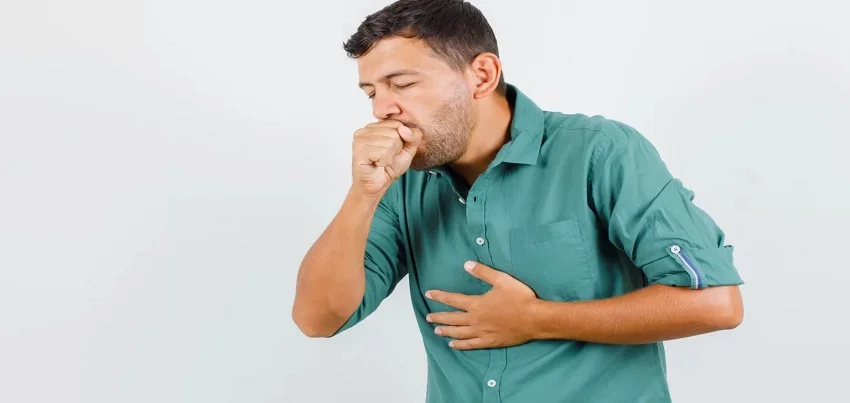
Bronchitis Bronchitis is a condition characterized by inflammation and infection of the bronchial tubes, which carry air to the lungs. It can be caused by a variety of factors, including viruses, bacteria, and exposure to irritants such as tobacco smoke and pollution. In this article, we will discuss the symptoms of bronchitis, tests for diagnosis, common treatment methods, and ways to prevent it from occurring. Additionally, we will discuss the importance of diet and exercise in maintaining respiratory health through corporate health and wellness programs. Symptoms of bronchitis can include a persistent cough, chest pain, shortness of breath, and production of phlegm or mucus. In some cases, fever, chills, and fatigue may also be present. Diagnosis of bronchitis typically involves a physical examination, during which a doctor may listen to the lungs for signs of wheezing or crackling. Additional tests, such as chest x-ray, blood test, and sputum culture may also be used to confirm the diagnosis and rule out other conditions. Common treatment methods for bronchitis include rest, over-the-counter pain relievers, and cough medicine. In some cases, antibiotics may be prescribed if the bronchitis is caused by a bacterial infection. In cases of chronic bronchitis, inhaled bronchodilators and corticosteroids may be used to open up the airways and reduce inflammation. Prevention of bronchitis can include avoiding exposure to irritants such as cigarette smoke, pollution, and chemical fumes, maintaining a healthy diet, and getting regular exercise. Corporate Health and Wellness programs can also play a role in preventing bronchitis by promoting healthy lifestyle choices, providing education on the dangers of smoking and exposure to pollutants, and offering flu and pneumonia vaccines to employees. Diet and exercise are also important in maintaining respiratory health. Eating a diet rich in fruits, vegetables, and whole grains, can help to keep the lungs healthy and reduce the risk of infection. Regular exercise can also help to improve lung function and boost the immune system. In terms of corporate health and wellness, promoting healthy habits such as regular exercise, providing healthy food options in the workplace, and organizing activities like sports teams or fitness challenges can help prevent bronchitis and other respiratory infections. In conclusion, bronchitis is a common condition that can cause significant discomfort and impact daily activities. Through preventative measures such as avoiding exposure to irritants, maintaining a healthy lifestyle, and participating in corporate health and wellness programs, individuals can take steps to reduce their risk of developing bronchitis. If you’re experiencing symptoms of bronchitis, it’s important to seek medical attention as soon as possible.
Read More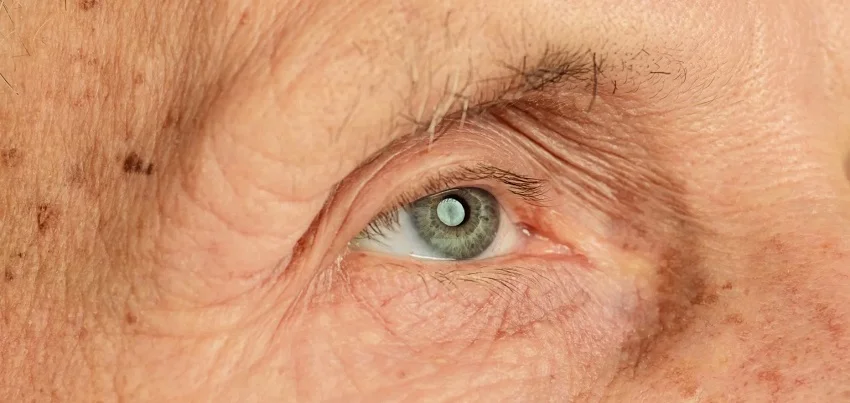
Blepharochalasis Blepharochalasis is a rare condition that causes recurrent episodes of eyelid swelling. It typically affects the upper eyelids and is characterized by the sudden onset of eyelid puffiness and skin wrinkling. The condition is benign and usually self-limiting, meaning it resolves on its own without treatment. Symptoms of blepharochalasis include:Sudden onset of eyelid puffinessWrinkling of the skin on the upper eyelidsMild discomfort or itchinessEyelid droopingRednessTearing The exact cause of blepharochalasis is not well understood, but it is thought to be related to abnormal lymphatic drainage in the eyelids. Diagnosis of blepharochalasis is typically made through a physical examination of the eyelids and a review of the patient’s symptoms. An eyelid biopsy may also be done to confirm the diagnosis. Common treatment methods for blepharochalasis include:Cold compresses: Applying a cold compress to the affected eyelid can help to reduce swelling and discomfort.Steroid injections: These may be used to reduce inflammation and improve symptoms. Surgery: In severe cases, surgery may be recommended to remove excess skin and improve the appearance of the eyelids.There is no known way to prevent blepharochalasis from occurring. However, maintaining a healthy lifestyle through regular exercise, a balanced diet, and stress management can help to reduce the risk of developing this condition. Corporate health and wellness programs can also play a role in preventing blepharochalasis by promoting healthy habits and providing regular health check-ups. A healthy diet for blepharochalasis prevention should include a variety of fruits and vegetables, whole grains, lean proteins, and healthy fats. It is also important to limit processed foods, sugary drinks, and alcohol. Exercise, such as brisk walking or cycling, for at least 30 minutes a day is also recommended for blepharochalasis prevention. In summary, Blepharochalasis is a rare condition that causes recurrent episodes of eyelid swelling. It typically affects the upper eyelids and is characterized by the sudden onset of eyelid puffiness and skin wrinkling. The condition is benign and usually self-limiting. Common treatment methods include cold compresses, steroid injections, and in severe cases surgery. There is no known way to prevent blepharochalasis from occurring. However, maintaining a healthy lifestyle through regular exercise, a balanced diet, and stress management can help to reduce the risk of developing this condition. Corporate health and wellness programs can also play a role in preventing blepharochalasis by promoting healthy habits and providing regular health check-ups.
Read More
Bell’s Palsy Bell’s Palsy is a sudden onset of facial paralysis or weakness that affects one side of the face. It is caused by inflammation of the facial nerve, which controls the muscles of the face. The exact cause of Bell’s Palsy is not well understood, but it is thought to be related to a viral infection or an immune response. In this article, we will discuss the symptoms of Bell’s Palsy, tests for diagnosis, common treatment methods, and ways to prevent it from occurring. Additionally, we will discuss the importance of diet and exercise in maintaining overall health through corporate health and wellness programs. Symptoms of Bell’s Palsy can include sudden onset of weakness or paralysis on one side of the face, drooping of the mouth or eyelid, difficulty speaking, and loss of taste on the front two-thirds of the tongue. Pain behind or around the ear on the affected side may also be present. Diagnosis of Bell’s Palsy is typically made through a physical examination, during which a doctor may assess your facial movement and muscle strength. Additional tests such as an MRI or CT scan may also be used to evaluate the facial nerve and rule out other conditions. Common treatment methods for Bell’s Palsy include corticosteroids to reduce inflammation and swelling of the facial nerve, antiviral medication, and physical therapy to help improve facial muscle function. In some cases, other medications such as tricyclic antidepressants or anticonvulsants may also be used. Prevention of Bell’s Palsy is not well understood, but it is thought to be related to a viral infection or an immune response, so maintaining a healthy immune system is important. Corporate health and wellness programs can play a role in preventing Bell’s Palsy by promoting healthy lifestyle choices, providing education on the importance of proper hygiene, and offering regular health screenings and check-ups.
Read More
Back Pain Back pain is a common condition that affects a significant portion of the population. It can be caused by a variety of factors, including injury, disease, poor posture, and muscle strain. In this article, we will discuss the symptoms of back pain, tests for diagnosis, common treatment methods, and ways to prevent it from occurring. Additionally, we will discuss the importance of diet and exercise in maintaining a healthy back through corporate health and wellness programs. Symptoms of back pain can vary depending on the cause of the pain, but common symptoms include a dull or sharp pain in the lower or upper back, stiffness, and difficulty standing or sitting for long periods. In some cases, back pain may also be accompanied by muscle weakness, numbness, or tingling in the legs or feet. Diagnosis of back pain typically begins with a physical examination, during which a doctor may assess your posture, range of motion, and muscle strength. Additional tests, such as x-rays, MRI or CT scans, may also be used to evaluate the spine and surrounding structures. Common treatment methods for back pain include physical therapy, pain medication, and in some cases, surgery. Physical therapy can help to strengthen the muscles that support the spine, improve posture and reduce pain. Medications such as non-steroidal anti-inflammatory drugs (NSAIDs) and muscle relaxants may also be prescribed to alleviate pain. Surgery is usually a last resort and only recommended if the pain is caused by a specific condition such as a herniated disc, or if other treatments haven’t been successful. Medications such as non-steroidal anti-inflammatory drugs (NSAIDs) and muscle relaxants may also be prescribed to alleviate pain. Surgery is usually a last resort and only recommended if the pain is caused by a specific condition such as a herniated disc, or if other treatments haven’t been successful. Prevention of back pain can include maintaining a healthy weight, practising good posture, and engaging in regular physical activity. Corporate health and wellness programs can also play a role in preventing back pain by promoting healthy lifestyle choices, providing education on proper body mechanics and ergonomics, and offering regular health screenings and check-ups. Diet and exercise are also important in maintaining a healthy back. Eating a diet rich in fruits and vegetables, and lean protein, can help to support the muscles and bones of the back. Regular exercise can also help to improve strength, flexibility and reduce the risk of injury. In particular, exercises such as yoga, Pilates, and core-strengthening exercises can be beneficial to keep the back healthy. In terms of corporate health and wellness, promoting healthy habits such as regular exercise, providing healthy food options in the workplace, and organizing activities like sports teams or fitness challenges can help prevent back pain and other musculoskeletal injuries. In conclusion, back pain is a common condition that can cause significant discomfort and impact daily activities. Through preventative measures such as maintaining a healthy weight, practising good posture, and participating in corporate health and wellness programs, individuals can take steps to reduce their risk of developing back pain. If you’re experiencing symptoms of back pain, it’s important to seek medical attention as soon as possible for proper diagnosis and treatment.
Read More
Breast Cancer Breast cancer, also known as carcinoma of the breast, is a disease in which malignant (cancer) cells form in the tissues of the breast. It is one of the most common types of cancer among women and can occur in both men and women, although it is rare in men. In this article, we will discuss the symptoms of breast cancer, tests for diagnosis, common treatment methods, and ways to prevent it from occurring. Additionally, we will discuss the importance of diet and exercise in maintaining breast health through corporate health and wellness programs. Symptoms of breast cancer can include a lump or thickening in the breast or underarm area, changes in the size or shape of the breast, dimpling or puckering of the skin, and discharge from the nipple. In some cases, breast cancer may not cause any symptoms at all. Diagnosis of breast cancer typically begins with a breast exam and mammogram, which can detect abnormalities in the breast tissue. If a lump or other abnormality is found, a biopsy may be performed to confirm the presence of cancer. Additional tests, such as an ultrasound or MRI, may also be used to further evaluate the breast tissue. Common treatment methods for breast cancer include surgery, radiation therapy, chemotherapy, and hormone therapy. The specific treatment plan will depend on the stage of the cancer and the patient’s overall health. Prevention of breast cancer can include regular breast exams, mammograms, and self-exams. It’s also important to maintain a healthy lifestyle which includes a balanced diet, regular physical activity, and limiting alcohol consumption. In terms of Corporate Health and Wellness, regular breast cancer screenings and health education can play an important role in preventing breast cancer. This can include offering mammograms as part of a preventative health program, or providing information on healthy lifestyle choices that can help reduce the risk of breast cancer. Diet and exercise also play a crucial role in maintaining breast health. Eating a diet rich in fruits, vegetables, and whole grains, can help to reduce the risk of breast cancer. Regular exercise can also help to maintain a healthy weight, which can reduce the risk of breast cancer. Studies have also shown that regular physical activity can reduce the risk of breast cancer by up to 25%. In conclusion, breast cancer is a serious disease that can have a significant impact on an individual’s quality of life. Through regular screenings, healthy lifestyle choices, and corporate health and wellness programs, we can work to prevent breast cancer and preserve the health of our breasts. If you’re experiencing any symptoms of breast cancer, it’s important to seek medical attention as soon as possible. It’s also important to note that early detection is key, so be sure to schedule regular screenings and self-exams as recommended by your healthcare provider.
Read More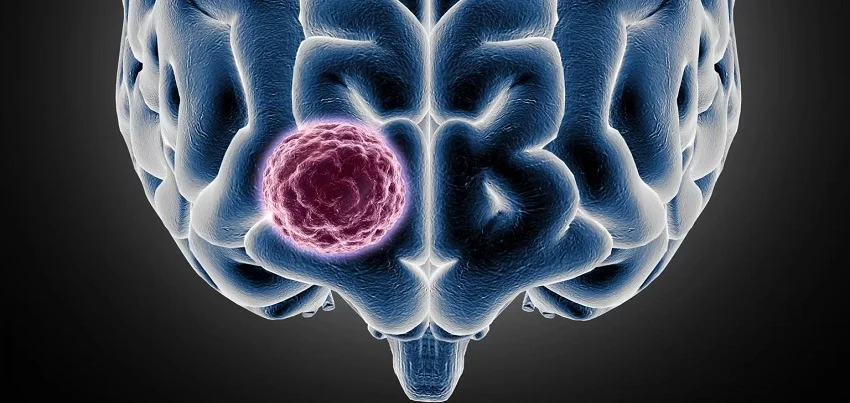
Brain tumours Brain tumors are abnormal growths of cells within the brain or on its surface. They can be benign (non-cancerous) or malignant (cancerous) and can occur in any part of the brain or spinal cord. Brain tumors can cause a wide range of symptoms depending on the size, location, and type of tumor. Symptoms of brain tumors can include:Headaches, which are often worse in the morningNausea and vomitingSeizuresVision problems, such as double vision or blurred visionSpeech difficultiesWeakness or numbness in the arms or legsPersonality or behavior changesDrowsiness or fatigue To diagnose a brain tumor, a doctor may perform a physical exam, a neurological exam, and imaging tests such as a CT scan or MRI. A biopsy may also be done to confirm the diagnosis and determine the type of tumor. Common treatment methods for brain tumors include surgery, radiation therapy, and chemotherapy. The type of treatment will depend on the size, location, and type of tumor, as well as the patient’s overall health. To prevent brain tumors from occurring, it is important to reduce exposure to risk factors such as radiation and certain chemicals. Eating a healthy diet and getting regular exercise can also help to reduce the risk of developing a brain tumor. Corporate health and wellness programs can also play a role in preventing brain tumors by offering regular health check-ups and promoting healthy habits among employees. These programs may include on-site fitness classes, health screenings, and educational workshops on topics such as cancer prevention and healthy living. A healthy diet for brain tumor prevention should include a variety of fruits and vegetables, whole grains, lean proteins, and healthy fats. It is also important to limit processed foods, sugary drinks, and alcohol. Exercise, such as brisk walking or cycling, for at least 30 minutes a day is also recommended for brain tumor prevention. In summary, brain tumors are abnormal growths of cells within the brain. Symptoms can vary widely depending on the location and type of tumor. Diagnosis typically involves a physical exam, neurological exam, and imaging tests. Treatment may include surgery, radiation therapy, and chemotherapy. To reduce the risk of brain tumors, it is important to reduce exposure to risk factors, eat a healthy diet, exercise regularly and get regular health check-ups through corporate health and wellness programs.
Read More
Blindness Blindness is a condition where an individual is unable to see or has limited vision. It can be caused by a variety of factors, including injury, disease, or genetics. In this article, we will discuss the symptoms of blindness, tests for diagnosis, common treatment methods, and ways to prevent it from occurring. Additionally, we will discuss the importance of diet and exercise in maintaining eye health through corporate health and wellness programs. Symptoms of blindness can include difficulty seeing in low light, difficulty distinguishing colors, and difficulty seeing fine details. In some cases, blindness can be sudden, while in others it can develop gradually over time. Diagnosis of blindness typically involves a comprehensive eye exam, which may include visual acuity tests, tonometry tests to measure eye pressure, and visual field tests to assess peripheral vision. Imaging tests such as MRI or CT scans may also be used to assess the health of the eyes and surrounding structures. Common treatment methods for blindness include medication, surgery, and the use of assistive devices such as magnifying glasses or white canes. In some cases, therapy may also be used to help individuals learn to navigate their environment without sight. Prevention of blindness can include regular eye exams, wearing protective eyewear, and maintaining a healthy lifestyle. This includes eating a diet rich in fruits and vegetables, exercising regularly, and avoiding smoking and excessive alcohol consumption. In terms of Corporate Health and Wellness, regular eye check-ups and health education can play an important role in preventing blindness. This can include offering regular eye exams as part of a preventative health program, or providing information on healthy lifestyle choices that can help preserve eye health. Diet and exercise also play a crucial role in maintaining good eye health. Eating a diet rich in fruits and vegetables, particularly those high in vitamins A, C, and E, can help to protect the eyes from damage. Regular exercise can also help to improve circulation, which can promote the delivery of oxygen and nutrients to the eyes. In conclusion, blindness is a serious condition that can have a significant impact on an individual’s quality of life. Through regular eye exams, healthy lifestyle choices, and corporate health and wellness programs, we can work to prevent blindness and preserve the health of our eyes. If you’re experiencing any symptoms of blindness, it’s important to seek medical attention as soon as possible.
Read More
Bleeding gums, also known as gingivitis, is a common condition that affects many people at some point in their lives. It is caused by a buildup of plaque and bacteria on the teeth and gums, which can lead to inflammation and bleeding.
Read More
Bad breath, also known as halitosis, is a common condition that affects many people at some point in their lives. It can be caused by a variety of factors, including poor oral hygiene, certain foods and drinks,
Read MoreTop rated products
-
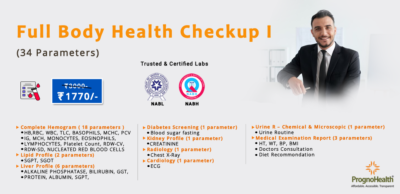 Full Body Health Checkup I
Original price was: ₹3,000.00.₹1,770.00Current price is: ₹1,770.00.
Full Body Health Checkup I
Original price was: ₹3,000.00.₹1,770.00Current price is: ₹1,770.00.
-
 MFG IND PACK III
Original price was: ₹3,900.00.₹2,145.00Current price is: ₹2,145.00.
MFG IND PACK III
Original price was: ₹3,900.00.₹2,145.00Current price is: ₹2,145.00.
-
 Dengue NS1 Antigen Test
₹900.00
Dengue NS1 Antigen Test
₹900.00
-
 Lipoprotein (A) Blood Test – Lp(a)
₹750.00
Lipoprotein (A) Blood Test – Lp(a)
₹750.00
-
 Healthy Life Advance Male
Original price was: ₹15,000.00.₹8,250.00Current price is: ₹8,250.00.
Healthy Life Advance Male
Original price was: ₹15,000.00.₹8,250.00Current price is: ₹8,250.00.