PrognoHealth – Corporate Health & Wellness Specialist

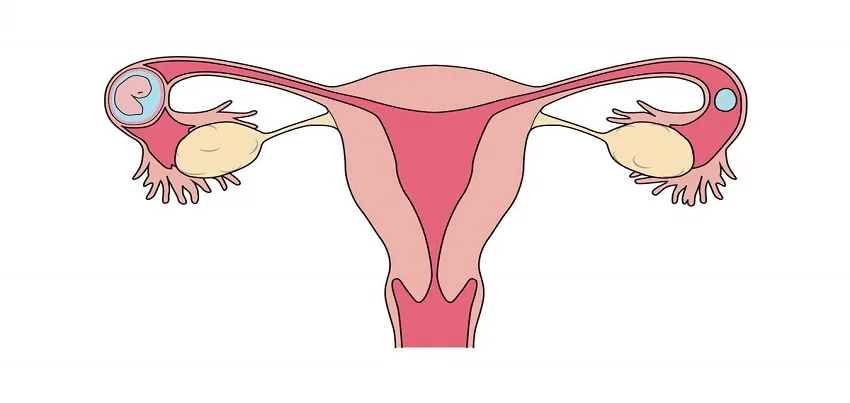
Ectopic Pregnancy Ectopic pregnancy, also known as a tubal pregnancy, is a serious condition in which a fertilized egg implants itself outside of the uterus, usually in the fallopian tubes. This can be a life-threatening condition if not treated promptly, as the egg continues to grow and can rupture the fallopian tube, leading to severe bleeding. Symptoms of an ectopic pregnancy include sharp abdominal pain, vaginal bleeding, and shoulder pain. These symptoms can be similar to those of a normal pregnancy, so it is important to seek medical attention if you suspect an ectopic pregnancy. Diagnosis of an ectopic pregnancy typically begins with a pelvic exam and a pregnancy test. If the pregnancy test is positive and there is suspicion of an ectopic pregnancy, further testing may include an ultrasound, a blood test to measure the level of the pregnancy hormone beta-human chorionic gonadotropin (hCG), and a laparoscopy, a minimally invasive procedure to examine the pelvic area. Common treatment methods for ectopic pregnancy include medication, such as methotrexate, which stops the growth of the egg and allows the fallopian tube to heal, and surgery, such as a laparotomy or a laparoscopy, to remove the egg and repair the fallopian tube. To prevent ectopic pregnancy, it is important to practice safe sex and to use contraception to prevent unintended pregnancies. Women who have had a previous ectopic pregnancy or have risk factors such as pelvic inflammatory disease, endometriosis, or a history of infertility are at a higher risk of an ectopic pregnancy and should be aware of the signs and symptoms. In addition to practicing safe sex and using contraception, lifestyle changes, such as diet and exercise, can also help prevent ectopic pregnancy. Eating a healthy diet rich in fruits, vegetables, and whole grains and maintaining a healthy weight through regular exercise can help reduce the risk of an ectopic pregnancy. Annual health check-ups are also important in preventing ectopic pregnancy. During these check-ups, a healthcare provider can check for any risk factors or early signs of an ectopic pregnancy and provide appropriate recommendations or treatment. Finally, Corporate health & wellness programs can play an important role in preventing ectopic pregnancy by providing employees with access to education and resources about reproductive health, as well as opportunities for regular health screenings and check-ups. This can help ensure that women who are at risk of an ectopic pregnancy receive the care and support they need to prevent this serious condition. In conclusion, Ectopic pregnancy is a serious condition that requires prompt medical attention. Symptoms include sharp abdominal pain, vaginal bleeding, and shoulder pain. Diagnosis typically begins with a pelvic exam and a pregnancy test and further tests such as ultrasound, blood test and laparoscopy. Treatment methods include medication and surgery. To prevent ectopic pregnancy, practicing safe sex, using contraception, healthy diet, exercise, annual health check-ups, and corporate health & wellness programs are all important steps.
Read More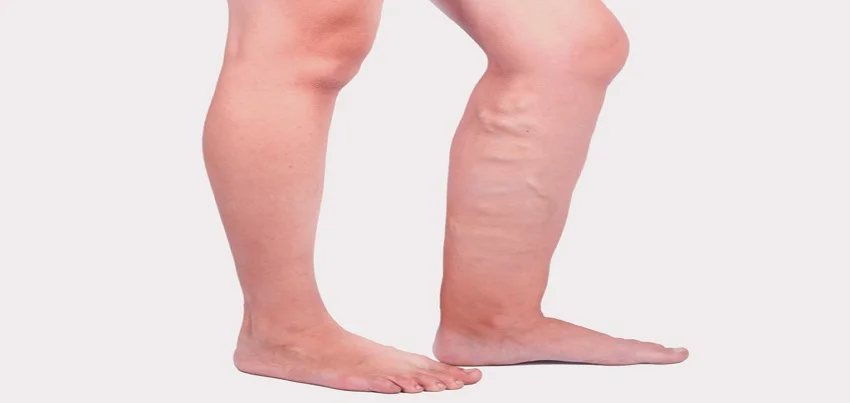
Filariasis Filariasis is a parasitic infection caused by thread-like worms known as filariae. These worms are transmitted to humans through the bites of infected mosquitoes. The infection is most common in tropical and subtropical regions, particularly in Africa, Asia, and South America. Symptoms of filariasis can vary depending on the stage of the infection. In the early stages, there may be no symptoms at all. As the infection progresses, however, common symptoms include:Swelling of the legs and genitals (elephantiasis)Skin rashes and itchingFeverHeadachesTiredness If left untreated, filariasis can lead to serious complications such as chronic lymphedema, which is characterized by the chronic accumulation of lymph fluid in the limbs and genitals, leading to severe swelling and disfigurement. Diagnosis of filariasis is typically made through a combination of blood tests and physical examinations. The most common test used to diagnose filariasis is called the microfilaria test, which looks for the presence of microfilariae (the immature form of the worm) in a blood sample. Other tests that may be used include antibody tests and imaging studies such as ultrasound or CT scans. Common treatment methods for filariasis include:Medications: A combination of drugs such as albendazole and ivermectin is often used to treat filariasis. These drugs work by killing the adult worms and microfilariae.Surgery: In cases of severe elephantiasis, surgery may be necessary to remove the affected tissue and reduce swelling. To prevent filariasis from occurring, it is important to take steps to protect yourself from mosquito bites. This can include:Using mosquito repellentWearing long-sleeved shirts and pantsSleeping under a mosquito netEliminating standing water (where mosquitoes breed) Common treatment methods for filariasis include:Medications: A combination of drugs such as albendazole and ivermectin is often used to treat filariasis. These drugs work by killing the adult worms and microfilariae.Surgery: In cases of severe elephantiasis, surgery may be necessary to remove the affected tissue and reduce swelling. To prevent filariasis from occurring, it is important to take steps to protect yourself from mosquito bites. This can include:Using mosquito repellentWearing long-sleeved shirts and pantsSleeping under a mosquito netEliminating standing water (where mosquitoes breed)
Read More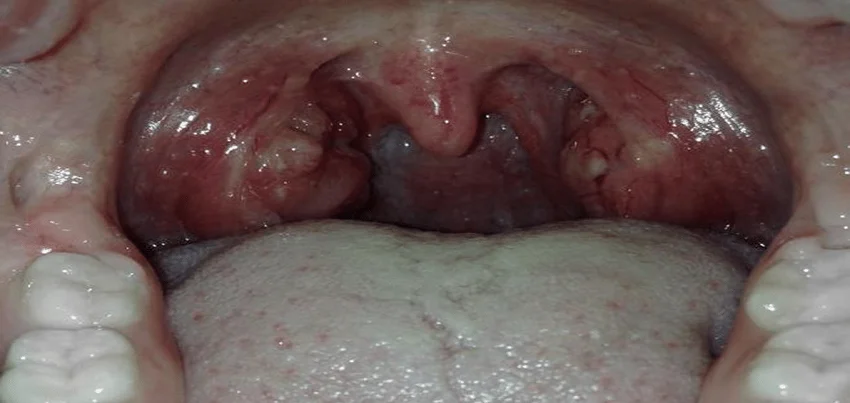
Quinsy Quinsy, also known as peritonsillar abscess, is a serious complication of tonsillitis, which is an infection in the tonsils. It is a pocket of pus that forms in the tissue surrounding the tonsils, causing severe pain and difficulty swallowing. Quinsy can be a life-threatening condition if left untreated. Symptoms of quinsy include severe sore throat, fever, difficulty swallowing, and swollen tonsils. Other symptoms may include bad breath, ear pain, and a muffled voice. In severe cases, difficulty breathing and swallowing can also occur. Diagnosis of quinsy typically begins with a physical examination and review of the patient’s medical history. A throat culture or rapid strep test may be performed to confirm the presence of a bacterial infection. Imaging studies, such as an X-ray or CT scan, may also be used to confirm the diagnosis and to determine the size and location of the abscess. Treatment for quinsy typically includes antibiotics to clear the infection and a procedure called incision and drainage to remove the abscess. In some cases, a tonsillectomy (surgical removal of the tonsils) may also be necessary. In severe cases, hospitalization may be required for close monitoring and treatment. To prevent quinsy, it is important to address underlying causes such as frequent tonsillitis. This can include regular check-ups with a healthcare provider and taking steps to boost immunity such as a healthy diet and regular exercise. Annual health check-ups can also be an important tool for preventing quinsy. These check-ups allow healthcare providers to monitor for any changes in the patient’s health, including frequent tonsillitis, and make any necessary adjustments to treatment. Corporate health & wellness programs can also play a role in reducing the incidence of quinsy. These programs can include education and training on how to prevent the spread of infection, as well as resources for employees who may have been exposed to the bacteria. Encouraging employees to take sick leave when they have signs of infection can also prevent the spread of infection in the workplace. Incorporating diet and exercise into the routine can also help prevent quinsy. Eating a healthy diet that is rich in fruits, vegetables, and lean protein can support overall physical and mental health. Exercise, such as yoga or light cardio, can also be beneficial for reducing stress and improving immunity. In conclusion, Quinsy is a serious complication of tonsillitis, which is an infection in the tonsils. It is a pocket of pus that forms in the tissue surrounding the tonsils, causing severe pain and difficulty swallowing. Early detection and preventative measures, such as regular check-ups, good hygiene practices, and corporate health & wellness programs, can help reduce the incidence of Quinsy and support the overall well-being of those at risk. It is important to address underlying causes such as frequent tonsillitis and to boost immunity through a healthy diet, regular exercise and taking necessary steps to prevent infection in the workplace.
Read More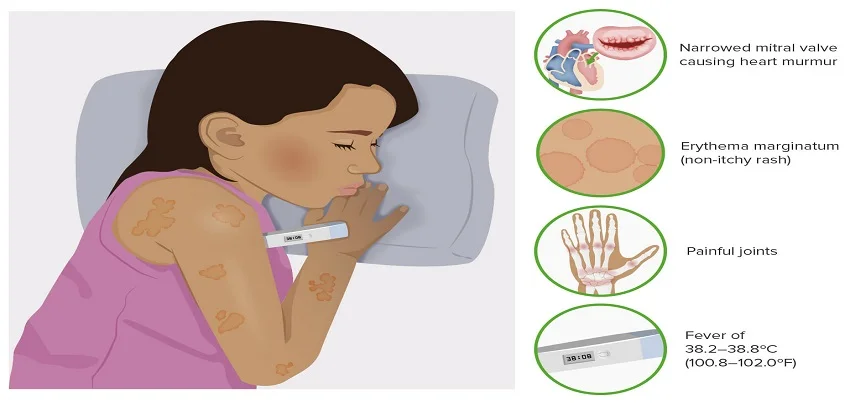
Rheumatic Fever Rheumatic fever is an inflammatory disease that can develop as a complication of untreated strep throat. It can cause damage to the heart, joints, and nervous system. Rheumatic heart disease is a long-term complication of rheumatic fever that can lead to damage to the heart valves. Symptoms of rheumatic fever typically include fever, sore throat, and swollen lymph nodes. Joint pain, stiffness, and redness can also occur. As the disease progresses, it can cause damage to the heart valves, leading to symptoms such as chest pain, shortness of breath, and heart palpitations. Diagnosis of rheumatic fever and rheumatic heart disease is typically made through a combination of physical examination, blood tests, and imaging studies. The diagnosis is confirmed by the presence of specific antibodies in the blood. Treatment for rheumatic fever and rheumatic heart disease typically involves a combination of antibiotics to eradicate the strep infection, anti-inflammatory medications to reduce inflammation, and medications to manage symptoms such as heart palpitations. In some cases, surgery may be necessary to repair or replace damaged heart valves. To prevent rheumatic fever and rheumatic heart disease from occurring, it is important to take steps to prevent strep throat. This can include practising good hygiene, such as washing hands regularly and avoiding close contact with individuals who are sick, and seeking prompt treatment for any symptoms of strep throat. In addition to taking steps to prevent rheumatic fever and rheumatic heart disease, it is important to maintain a healthy diet and exercise regimen to promote overall health and well-being. Eating a diet rich in fruits and vegetables, as well as lean protein and healthy fats, can help to support heart health. Regular exercise, such as brisk walking or cycling, can also help to improve cardiovascular fitness and reduce stress levels. Annual health check-ups can help to identify and address any potential health concerns early on. Corporate health and wellness programs can also play an important role in promoting healthy lifestyle choices and preventing the spread of disease within the workplace. In summary, Rheumatic fever is an inflammatory disease that can develop as a complication of untreated strep throat, it can cause damage to the heart, joints, and nervous system, Rheumatic heart disease is a long-term complication of rheumatic fever that can lead to damage to the heart valves. Symptoms typically include fever, sore throat, and swollen lymph nodes, joint pain, stiffness, and redness, chest pain, shortness of breath, and heart palpitations. The diagnosis is confirmed by the presence of specific antibodies in the blood, treatment typically involves a combination of antibiotics to eradicate the strep infection, anti-inflammatory medications to reduce inflammation, and medications to manage symptoms. To prevent rheumatic fever and rheumatic heart disease from occurring, it is important to take steps to prevent strep throat such as practising good hygiene, such as washing hands regularly and avoiding close contact with individuals who are sick, and seeking prompt treatment for any symptoms of strep throat. In addition to taking steps to prevent rheumatic fever and rheumatic heart disease, it is important to maintain a healthy diet and exercise regimen to promote overall health and well-being, annual health check-ups and corporate health & wellness programs can play an important role in promoting healthy lifestyle choices and preventing the spread of disease.
Read More
Q Fever Q fever, also known as query fever, is a bacterial infection caused by Coxiella burnetii. It is primarily spread through contact with infected animals, particularly cattle, sheep, and goats. Q fever can also be spread through contaminated air, food, and water. Symptoms of Q fever can vary, but may include fever, chills, headache, muscle pain, fatigue, and a non-productive cough. In some cases, the infection can also cause more severe symptoms such as pneumonia, hepatitis, and meningitis. In some cases, people may not show symptoms but can still carry the bacteria and spread the infection to others. Diagnosis of Q fever typically begins with a physical examination and review of the patient’s medical history. Blood tests may also be used to detect antibodies to the bacteria, and a chest x-ray may be performed to check for signs of pneumonia. In some cases, a sample of blood, urine, or spinal fluid may also be taken for further testing. Treatment for Q fever typically includes a course of antibiotics, such as doxycycline or azithromycin. The length of treatment can vary depending on the severity of the infection, but typically lasts at least two weeks. In severe cases, hospitalization may be required. To prevent Q fever, it is important to take steps to avoid contact with infected animals and to maintain good hygiene practices. This can include wearing protective clothing, such as gloves and masks, when working with animals or in environments where the bacteria may be present. Annual health check-ups can also be an important tool for preventing Q fever. These check-ups allow healthcare providers to monitor for any changes in the patient’s health and to make any necessary adjustments to treatment. Corporate health & wellness programs can also play a role in reducing the incidence of Q fever. These programs can include education and training on how to prevent the spread of Q fever, as well as resources for employees who may have been exposed to the bacteria. Incorporating diet and exercise into the routine can also help prevent Q fever. Eating a healthy diet that is rich in fruits, vegetables, and lean protein can support overall physical and mental health. Exercise, such as yoga or light cardio, can also be beneficial for reducing stress and improving immunity. In conclusion, Q fever is a bacterial infection that is primarily spread through contact with infected animals. It can cause a range of symptoms, from mild flu-like symptoms to more severe complications. It is important to be aware of the symptoms, risk factors, and treatment options for Q fever. Early detection and preventative measures, such as regular check-ups, good hygiene practices, and corporate health & wellness programs, can help reduce the incidence of Q fever and support the overall well-being of those at risk.
Read More
Osteomyelitis Osteomyelitis is a serious bone infection that can be caused by bacteria or fungi. It typically affects the long bones in the body, such as the femur or tibia, but can also occur in other bones such as the spine, skull, and jaw. Symptoms of osteomyelitis include fever, fatigue, chills, and night sweats. Other symptoms can include pain or tenderness in the affected bone, redness or warmth in the area, and swelling. In some cases, there may be no symptoms at all, and the infection is only discovered during a routine checkup. Diagnosis of osteomyelitis typically begins with a physical examination, which may be followed by imaging tests such as X-ray, MRI, or CT scan. In some cases, a bone biopsy may be necessary to confirm the diagnosis. Blood tests may also be used to check for signs of infection and to identify the type of bacteria or fungus causing the infection. Treatment for osteomyelitis typically involves a combination of antibiotics to fight the infection and surgery to remove any infected or dead bone tissue. In some cases, a bone graft may be necessary to repair any damage to the bone caused by the infection. Depending on the severity of the infection, treatment may be performed on an inpatient or outpatient basis. Prevention of osteomyelitis is key, and there are several steps that can be taken to reduce the risk of developing the disease. One of the most important is to maintain good hygiene, as this can help to reduce the risk of infection. It is also important to take care of any injuries or wounds that may be at risk of becoming infected. In addition to these preventive measures, a healthy diet and regular exercise can also help to reduce the risk of osteomyelitis. Eating a diet rich in calcium and Vitamin D can help to keep bones strong, while regular exercise can help to boost the immune system and reduce the risk of infection. Annual health checkups are an important way to stay on top of your overall health, and can help to detect osteomyelitis early. This is especially true for people who are at high risk for the disease, such as those with weakened immune systems or diabetes. Corporate health & wellness programs can also play a role in preventing osteomyelitis. Many companies now offer health screenings and education programs to their employees to help them stay healthy and reduce their risk of developing infection. In conclusion, osteomyelitis is a serious bone infection that can be prevented by maintaining good hygiene, taking care of injuries and wounds, and having a healthy diet with sufficient intake of calcium and Vitamin D. Regular exercise is also important to boost the immune system. Regular checkups and screenings, as well as corporate health & wellness programs can also play a key role in preventing osteomyelitis. It’s important for people to take their bone health seriously and make sure to get regular checkups to detect any osteomyelitis early, so that it can be treated more effectively.
Read More
Mumps Mumps is a viral infection that primarily affects the salivary glands, located near the ears. The disease is caused by the mumps virus, which is spread through saliva or mucus from the nose, mouth, or throat of an infected person. Symptoms of mumps typically appear between 16 and 18 days after infection, and can include:Swelling and tenderness of the salivary glands (located near the ears)FeverHeadacheMuscle achesWeakness or fatigueLoss of appetite To diagnose mumps, a healthcare provider will typically perform a physical examination and ask about your symptoms. They may also order blood tests to confirm the diagnosis. The most common treatment for mumps is to manage symptoms with over-the-counter pain relievers and rest. In some cases, a healthcare provider may prescribe an antiviral medication to shorten the duration of the illness. The best way to prevent mumps is to get vaccinated. The MMR (measles, mumps, rubella) vaccine is highly effective at preventing mumps and is typically given to children as part of their routine vaccination schedule. In addition to vaccination, there are other ways to reduce your risk of getting mumps:Wash your hands frequently with soap and waterAvoid sharing cups, utensils, or other personal items with someone who has mumpsStay away from people who are sick with mumps It is important to note that annual health checkups are a great way to ensure that you are up-to-date on your vaccinations and to catch any potential health issues early. Corporate health and wellness programs also play a key role in promoting vaccinations and preventative care for employees. A healthy diet and regular exercise can also help to boost your immune system and reduce your risk of getting mumps. Eating a diet rich in fruits, vegetables, and whole grains can provide the nutrients your body needs to stay healthy. Exercise, such as walking, jogging, cycling, or swimming, can also help to keep your immune system strong. In conclusion, mumps is a viral infection caused by the mumps virus. It primarily affects the salivary glands and symptoms include swelling, fever, headache and muscle aches. The best way to prevent mumps is to get vaccinated and taking preventative measures such as washing your hands, avoiding sharing personal items and staying away from people who are sick. Annual health check-ups, corporate health and wellness programs, a healthy diet and regular exercise can help to boost your immune system and reduce the risk of getting mumps.
Read More
Hypertension Hypertension, also known as high blood pressure, is a common condition that affects millions of people worldwide. It occurs when the force of blood against the walls of the arteries is too high, which can lead to serious health problems if left untreated. Symptoms of hypertension are often not present in the early stages of the condition, making it known as a “silent killer.” However, as the condition worsens, individuals may experience symptoms such as headaches, shortness of breath, and nosebleeds. Diagnosis of hypertension is typically done through a simple test called a blood pressure test. This test measures the force of blood against the walls of the arteries and is typically done during an annual health check-up. In some cases, a 24-hour ambulatory blood pressure monitoring test may be done to get a more accurate reading. Common treatment methods for hypertension include lifestyle changes such as eating a healthy diet and exercising regularly, as well as medication. Medications used to treat hypertension include diuretics, ACE inhibitors, calcium channel blockers, and beta blockers. Common treatment methods for hypertension include lifestyle changes such as eating a healthy diet and exercising regularly, as well as medication. Medications used to treat hypertension include diuretics, ACE inhibitors, calcium channel blockers, and beta blockers. Preventing hypertension from occurring in the first place is crucial in avoiding the potential health complications associated with the condition. This can be done through regular exercise, eating a healthy diet low in salt and saturated fats, and maintaining a healthy weight. Corporate health and wellness programs also play an important role in preventing hypertension. By promoting healthy lifestyles and offering regular health screenings, companies can help employees identify and manage hypertension early on. In terms of diet, individuals with hypertension should focus on eating a diet rich in fruits, vegetables, whole grains, and lean proteins. They should also limit their intake of salt, saturated fats, and added sugars. Exercise is also an important part of preventing hypertension. Regular physical activity such as brisk walking, cycling, or swimming can help lower blood pressure and improve overall cardiovascular health. In summary, hypertension is a common condition that can lead to serious health complications if left untreated. Regular annual health check-ups and corporate health and wellness programs can play an important role in identifying and managing hypertension. Lifestyle changes such as eating a healthy diet, exercising regularly and maintaining a healthy weight can help prevent hypertension from occurring in the first place.
Read More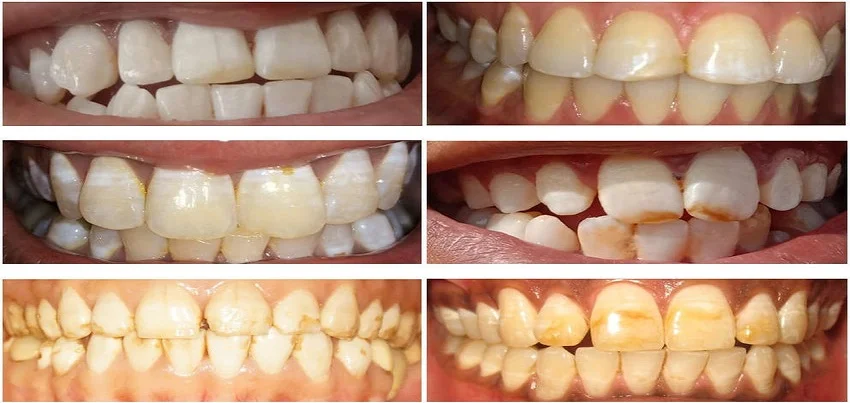
Fluorosis Fluorosis is a condition that occurs due to excessive intake of fluoride, a naturally occurring mineral that is present in water, food, and some types of soil. Fluoride is important for the development of strong teeth and bones, but too much of it can lead to a variety of health problems. Symptoms of fluorosis include discoloration of the teeth, white spots or streaks on the teeth, and in severe cases, pitting or erosion of the enamel. The condition can also lead to joint stiffness and pain, as well as bone and muscle weakness. Diagnosis of fluorosis is typically based on a physical examination of the teeth, as well as a review of the patient’s medical history and exposure to fluoride. Additional tests, such as X-rays, may also be conducted to evaluate the extent of the condition. Common treatment methods for fluorosis include the use of fluoride supplements, topical fluoride treatments, and dental procedures such as fillings and crowns. In severe cases, orthodontic treatment may be necessary to correct the shape and alignment of the teeth. Preventing fluorosis from occurring is the best course of action, and there are several steps that can be taken to do so. One of the most important is to limit exposure to fluoride. This can be achieved by drinking water from a source that is known to be low in fluoride, and by avoiding foods and supplements that contain high levels of the mineral. Corporate health & wellness is also an important aspect of preventing fluorosis. Annual health check-ups are an essential tool in identifying and addressing potential health risks, and can help employees identify and address potential sources of fluoride exposure. Additionally, providing employees with information and resources on diet and exercise can also help prevent the condition from developing. A diet that is rich in calcium, magnesium, and vitamin D can also help prevent fluorosis. Eating foods such as dairy products, leafy greens, nuts, and fish can help ensure that the body is getting the nutrients it needs to develop and maintain strong teeth and bones. Exercise is also an important aspect of preventing fluorosis. Regular physical activity can help improve bone density, reduce the risk of falls, and improve overall health. In summary, Fluorosis is a condition caused by excessive intake of fluoride. Symptoms include discoloration of teeth, white spots or streaks, joint stiffness, pain and weakness.Diagnosis is based on physical examination and medical history. Common treatment methods include fluoride supplements, topical fluoride treatments, dental procedures, and orthodontic treatment. To prevent fluorosis, limit exposure to fluoride, maintain a diet rich in calcium, magnesium, and vitamin D, and exercise regularly. Annual health check-ups and corporate health & wellness programs can also help in preventing fluorosis.
Read More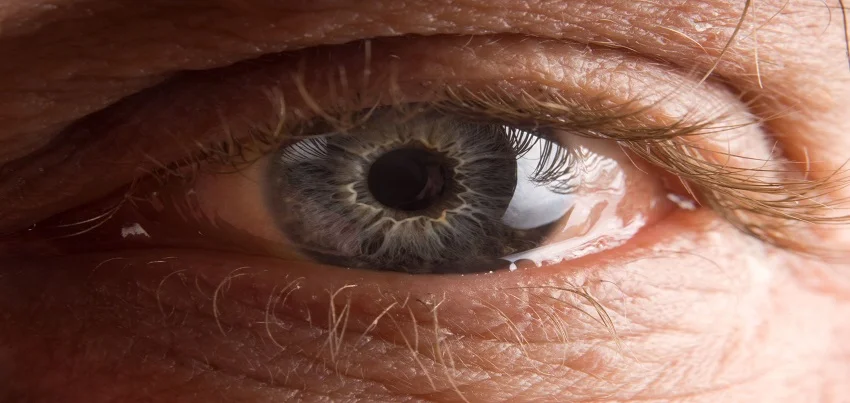
Conjunctivochalasis Conjunctivochalasis is a condition that affects the conjunctiva, the clear membrane that covers the white part of the eye and the inside of the eyelids. It occurs when the conjunctiva becomes loose and redundant, causing the eyelid to turn inward and rub against the cornea. This can lead to a variety of symptoms, including dry eyes, itching, redness, and a foreign body sensation. Symptoms of conjunctivochalasis include irritation, redness, dryness, itching, and a foreign body sensation in the eye. In more severe cases, the condition can cause blurred vision, sensitivity to light, and a gritty feeling in the eye. The diagnosis of conjunctivochalasis is typically made by an ophthalmologist during a comprehensive eye exam. The doctor will examine the eye and eyelids for signs of conjunctival redundancy and may also use a microscope or other diagnostic tools to get a closer look at the eye. Common treatment methods for conjunctivochalasis include lubricating eye drops, artificial tears, and ointments. These can help to relieve symptoms and keep the eye moist, but they may not be effective in treating the underlying condition. In some cases, surgery may be required to remove the excess conjunctiva and tighten the eyelid. To prevent conjunctivochalasis from occurring, it is important to maintain good eye health. This includes regular eye exams and annual health check-ups, as well as corporate health and wellness programs that promote healthy living. Diet and exercise also play a role in preventing conjunctivochalasis. Eating a diet rich in fruits and vegetables and avoiding foods that are high in fat, sugar, and sodium can help to maintain overall health and reduce the risk of eye problems. Regular exercise, such as brisk walking, cycling, or swimming, can also help to improve blood flow to the eyes and reduce the risk of eye problems. Corporate health and wellness programs can also help to prevent conjunctivochalasis by promoting healthy living and encouraging employees to take care of their eyes. These programs may include vision screenings, eye health education, and incentives for regular eye exams and healthy lifestyle choices. In summary, Conjunctivochalasis is a condition that affects the conjunctiva, the clear membrane that covers the white part of the eye and the inside of the eyelids. Symptoms include irritation, redness, dryness, itching, and a foreign body sensation in the eye. The diagnosis of conjunctivochalasis is typically made by an ophthalmologist during a comprehensive eye exam. Common treatment methods include lubricating eye drops, artificial tears, and ointments. To prevent conjunctivochalasis from occurring, it is important to maintain good eye health and regular eye check-ups, and corporate health and wellness programs that promote healthy living, and a healthy diet and regular exercise.
Read MoreTop rated products
-
 Full Body Health Checkup I
Original price was: ₹3,000.00.₹1,770.00Current price is: ₹1,770.00.
Full Body Health Checkup I
Original price was: ₹3,000.00.₹1,770.00Current price is: ₹1,770.00.
-
 MFG IND PACK III
Original price was: ₹3,900.00.₹2,145.00Current price is: ₹2,145.00.
MFG IND PACK III
Original price was: ₹3,900.00.₹2,145.00Current price is: ₹2,145.00.
-
 Dengue NS1 Antigen Test
₹900.00
Dengue NS1 Antigen Test
₹900.00
-
 Lipoprotein (A) Blood Test – Lp(a)
₹750.00
Lipoprotein (A) Blood Test – Lp(a)
₹750.00
-
 Healthy Life Advance Male
Original price was: ₹15,000.00.₹8,250.00Current price is: ₹8,250.00.
Healthy Life Advance Male
Original price was: ₹15,000.00.₹8,250.00Current price is: ₹8,250.00.