PrognoHealth – Corporate Health & Wellness Specialist

Pre-Diabetes: Prevention, Reversal, and Management Pre-Diabetes: Pre-Diabetes is a condition where blood glucose levels are higher than normal but not high enough to be diagnosed as diabetes. People with Pre-Diabetes are at high risk of developing Type 2 Diabetes, heart disease, and stroke. Statistics on Pre-Diabetes prevalence in India: According to a study by the Indian Council of Medical Research (ICMR), about 77 million adults in India have Pre-Diabetes, which is almost 10% of the adult population. The study also revealed that Pre-Diabetes is more common in urban areas than in rural areas. Importance of addressing Pre-Diabetes in early stages: Early intervention is crucial in preventing or delaying the onset of Type 2 Diabetes and its complications. By making lifestyle changes such as following a healthy diet, increasing physical activity, and maintaining a healthy weight, people with Pre-Diabetes can reduce their risk of developing Type 2 Diabetes by up to 58%. It is also important to address Pre-Diabetes in the early stages to prevent or manage associated complications such as heart disease and stroke. Effects of Pre-Diabetes on Different Body Parts Cardiovascular system Kidneys Eyes Nerves Skin Pre-Diabetes is a condition where blood glucose levels are higher than normal but not high enough to be diagnosed as diabetes. It can have harmful effects on various organs and systems in the body. Cardiovascular system: Pre-Diabetes can increase the risk of developing cardiovascular diseases such as coronary artery disease, heart attack, and stroke. High blood glucose levels can damage blood vessels and increase the risk of developing atherosclerosis, a condition where fatty deposits build up inside the arteries, making it difficult for blood to flow through them. Kidneys: Pre-Diabetes can also affect the kidneys and increase the risk of developing kidney disease. High blood glucose levels can damage the small blood vessels in the kidneys, reducing their ability to filter waste products from the blood. Eyes: Pre-Diabetes can cause damage to the blood vessels in the eyes, leading to a condition called diabetic retinopathy. This can cause blurred vision, vision loss, and even blindness if left untreated. Nerves: Pre-Diabetes can also damage the nerves, causing a condition called diabetic neuropathy. This can cause numbness, tingling, and pain in the hands, feet, and legs. Skin: Pre-Diabetes can also affect the skin, causing dryness, itching, and slow healing of wounds. Overall, Pre-Diabetes can have a significant impact on the body and increase the risk of developing serious health complications. Therefore, it is important to address Pre-Diabetes in its early stages to prevent or delay the onset of Type 2 Diabetes and associated complications. Prevention Methods There are several lifestyle changes that can help prevent or delay the onset of Type 2 Diabetes in people with Pre-Diabetes. Healthy Diet: Eating a healthy diet is one of the most important ways to prevent or manage Pre-Diabetes. A healthy diet should include a variety of fruits, vegetables, whole grains, lean protein, and healthy fats. It is also important to limit the intake of processed foods, sugary drinks, and foods high in saturated and trans fats. Physical Activity: Regular physical activity can also help prevent or delay the onset of Type 2 Diabetes. Physical activity helps the body use insulin more effectively and reduces insulin resistance. It is recommended to aim for at least 150 minutes of moderate-intensity aerobic exercise per week, along with muscle-strengthening activities at least two days a week. Weight Management: Maintaining a healthy weight is important for preventing or managing Pre-Diabetes. Losing just 5-10% of body weight can significantly reduce the risk of developing Type 2 Diabetes. It is also important to maintain a healthy weight through a combination of healthy eating and physical activity. Smoking Cessation: Quitting smoking is important for overall health, including preventing or managing Pre-Diabetes. Smoking can increase insulin resistance and the risk of developing Type 2 Diabetes. Quitting smoking can improve insulin sensitivity and reduce the risk of developing Type 2 Diabetes. Limiting Alcohol Intake: Excessive alcohol intake can increase the risk of developing Type 2 Diabetes. It is recommended to limit alcohol intake to no more than one drink per day for women and two drinks per day for men. Overall, making these lifestyle changes can significantly reduce the risk of developing Type 2 Diabetes and associated complications in people with Pre-Diabetes. Reversal Methods Reversal of Pre-Diabetes means returning blood glucose levels to normal range. While reversal is possible, it is important to note that not everyone with Pre-Diabetes can reverse it. Lifestyle Changes: Lifestyle changes such as healthy eating, regular physical activity, and weight management can help reverse Pre-Diabetes in many cases. Studies have shown that making these lifestyle changes can reduce the risk of developing Type 2 Diabetes by up to 58%. It is important to make these changes early to prevent or delay the onset of Type 2 Diabetes. Medication: In some cases, medication may be necessary to reverse Pre-Diabetes. Metformin, a medication used to treat Type 2 Diabetes, has been shown to be effective in reducing the risk of developing Type 2 Diabetes in people with Pre-Diabetes. Other medications such as thiazolidinediones and alpha-glucosidase inhibitors may also be used to treat Pre-Diabetes. Bariatric Surgery: Bariatric surgery may be an option for people with severe obesity and Pre-Diabetes who have not been able to achieve significant weight loss through lifestyle changes or medication. Bariatric surgery has been shown to be effective in reversing Pre-Diabetes and improving blood glucose control in people with severe obesity. Overall, making lifestyle changes such as healthy eating, regular physical activity, and weight management should be the first approach to reversing Pre-Diabetes. In some cases, medication or bariatric surgery may also be necessary to achieve reversal. Best Suited Diet to Prevent Pre-Diabetes Eating a healthy and balanced diet is one of the most important ways to prevent Pre-Diabetes. Here are some of the diets that have been shown to be effective in preventing Pre-Diabetes: Mediterranean Diet: The Mediterranean diet is a plant-based diet that emphasizes fruits, vegetables, whole grains, lean
Read More
Pre-Diabetes and Its Prevalence in Corporate Employees Pre-diabetes is a condition in which blood sugar levels are higher than normal but not high enough to be diagnosed as type 2 diabetes. It is a warning sign that if left untreated, can lead to full-blown diabetes. Pre-diabetes is prevalent in corporate employees due to their sedentary lifestyle, long working hours, and unhealthy eating habits. Prevention Methods Pre-diabetes can be prevented through lifestyle changes that include a healthy diet, regular physical activity, and weight management. The following are some prevention methods that can help corporate employees reduce their risk of developing pre-diabetes: Diet Recommendations:Corporate employees should follow a healthy diet that is rich in fruits, vegetables, whole grains, lean protein, and healthy fats. They should avoid foods that are high in sugar, saturated fats, and refined carbohydrates. The following are some diet recommendations that can help prevent pre-diabetes: Eat at regular intervals throughout the day, avoiding long gaps between meals. Include fiber-rich foods in the diet, such as whole grains, fruits, and vegetables. Reduce the intake of processed and high-fat foods. Choose lean sources of protein, such as fish, poultry, and legumes. Drink plenty of water to stay hydrated. Exercise Recommendations: Corporate employees should incorporate regular physical activity into their daily routine. Exercise helps in maintaining a healthy weight, reducing blood sugar levels, and improving insulin sensitivity. The following are some exercise recommendations that can help prevent pre-diabetes: Aim for at least 30 minutes of moderate-intensity exercise, such as brisk walking or cycling, most days of the week. Engage in strength training exercises to build muscle and improve insulin sensitivity. Take short walks or stand up and stretch after sitting for long periods. Use the stairs instead of elevators. Weight Management: Maintaining a healthy weight is essential for preventing pre-diabetes. Being overweight or obese increases the risk of developing pre-diabetes and diabetes. The following are some weight management recommendations that can help prevent pre-diabetes: Monitor your weight regularly and aim for a healthy body weight. Reduce calorie intake by avoiding high-calorie foods and drinks. Avoid fad diets and focus on a balanced and healthy diet. Incorporate physical activity into your daily routine to burn calories and maintain a healthy weight. Conclusion Pre-diabetes is a warning sign that should not be ignored. It is prevalent in corporate employees due to their sedentary lifestyle, long working hours, and unhealthy eating habits. However, it can be prevented through lifestyle changes that include a healthy diet, regular physical activity, and weight management. By following the prevention methods discussed above, corporate employees can reduce their risk of developing pre-diabetes and improve their overall health and well-being.
Read More
Importance Of Annual Health Check Up For Employees Working In The IT Sector As technology advances and the demands of the IT industry continue to grow, the health and well-being of IT employees are becoming increasingly important. With long hours and the sedentary nature of many IT jobs, IT employees are at risk of developing physical and mental health problems. This is why it is critical for IT companies to prioritise their employees’ health and provide them with regular health checks. An annual health check is a comprehensive medical examination that provides a comprehensive overview of an individual’s physical and mental health. The checkup includes a range of tests, including blood tests, heart rate monitoring, and a review of medical history and lifestyle habits. The objective of an annual health check is to detect any potential health problems early, before they become more serious, and to identify any underlying health conditions that may require further medical attention. Here are five reasons why an annual health check is important for IT industry employees: Promotes overall health and wellness: A regular health checkup is an excellent way to promote overall health and wellness. IT employees who receive annual health checks are more likely to be proactive about their health and take steps to maintain their health. Detects potential health issues early: Early detection of potential health problems is critical in the prevention and management of illness. An annual health check provides an opportunity for IT employees to identify and address any health issues before they become more serious. Reduces absenteeism and increases productivity: Employees who are in good health are more productive and less likely to miss work. An annual health check provides IT employees with an opportunity to identify and address any health issues that may be affecting their productivity. Provides a baseline for future comparison: Regular health checks provide a baseline for future comparison. This allows IT employees to track their health over time and identify any trends or changes that may indicate a potential health problem. Improves employee morale and job satisfaction: IT employees who receive regular health checks are more likely to feel valued and appreciated by their employer. This can improve employee morale and job satisfaction, which can lead to higher levels of motivation and engagement in the workplace. In conclusion, an annual health check is an important investment for IT companies to make in their employees’ health and well-being. By detecting potential health problems early, promoting overall health and wellness, reducing absenteeism and increasing productivity, providing a baseline for future comparison, and improving employee morale and job satisfaction, an annual health check can help IT companies create a healthier and more productive workforce. In today’s fast-paced world, it’s easy to forget about our health and well-being. With busy schedules and endless responsibilities, taking care of our health can often take a back seat. However, the truth is that our health should always be a top priority, and an annual health check is an excellent way to assess our current state of health and identify any potential health problems. Here are five reasons why it is important for employees to undergo an annual health check: Early detection of health problems: An annual health check provides an opportunity to detect any potential health problems early on, before they become more serious. Early detection is critical in the prevention and management of illness, and can increase the chances of a successful outcome. Promotes overall health and wellness: Regular health checks promote overall health and wellness by encouraging employees to take a proactive approach to their health. This can include simple changes to diet and exercise, or seeking treatment for underlying health conditions. Increases productivity: Employees who are in good health are more productive and less likely to miss work. An annual health check can help identify any health issues that may be affecting an employee’s productivity, and provide an opportunity to address them. Establishes a baseline for future comparison: An annual health check provides a baseline for future comparison, allowing employees to track their health over time and identify any changes or trends that may indicate a potential health problem. Improves peace of mind: Knowing that you are in good health can provide peace of mind and reduce stress. An annual health check can give employees the reassurance they need to live their lives with confidence and peace of mind. In conclusion, an annual health check is an important investment in one’s health and well-being. It provides an opportunity to detect any potential health problems early on, promotes overall health and wellness, increases productivity, establishes a baseline for future comparison, and improves peace of mind. By prioritizing their health and undergoing an annual health check, employees can live a happier, healthier life and perform at their best in the workplace.
Read More
Emotional Safety At Workplace Emotional safety is a critical component of a healthy and productive workplace environment. When employees feel emotionally safe, they are more likely to be engaged, creative, and committed to their work. However, emotional safety is often overlooked in workplace discussions, and managers may not know how to create a safe and supportive environment for their employees. In this blog, we will explore the importance of emotional safety in the workplace and provide some simple tools that managers can use to create a safe and supportive environment for their employees. What is Emotional Safety in the Workplace?Emotional safety in the workplace refers to the sense of security and comfort that employees feel in expressing their emotions, ideas, and concerns. Emotional safety means that employees can be themselves without fear of retaliation, discrimination, or judgment. It also means that they can trust their managers and colleagues to support and understand them. Emotional safety is essential for building a strong and cohesive team that is motivated, productive, and happy. Why is Emotional Safety Important in the Workplace?Emotional safety is important in the workplace for several reasons. First, it helps to build trust and loyalty between employees and their managers. When employees feel that they can trust their managers, they are more likely to be committed to their work and the success of the company. Second, emotional safety promotes open and honest communication between employees and their managers. When employees feel comfortable expressing their thoughts and feelings, they are more likely to share valuable feedback that can help the company improve. Third, emotional safety helps to reduce stress and anxiety in the workplace. When employees feel safe and supported, they are less likely to experience negative emotions that can lead to burnout and turnover. Simple Tools to Achieve Emotional Safety in the Workplace Establish Clear Expectations: Setting clear expectations is one of the most important tools for creating emotional safety in the workplace. Managers should clearly communicate their expectations for employee behavior, performance, and communication. They should also provide feedback and guidance when employees are not meeting these expectations. Encourage Open Communication: Encouraging open communication is another important tool for creating emotional safety in the workplace. Managers should create an environment where employees feel comfortable expressing their thoughts, ideas, and concerns. They should also actively listen to their employees and respond with empathy and understanding. Provide Support and Resources: Providing support and resources is another important tool for creating emotional safety in the workplace. Managers should offer their employees resources for managing stress, anxiety, and other emotional challenges. They should also provide support for employees who may be struggling with personal or professional issues. Lead by Example: Managers should lead by example by demonstrating emotional intelligence, empathy, and understanding. They should model the behavior they want to see in their employees, such as active listening, open communication, and respectful interactions. Encourage Positive Relationships: Encouraging positive relationships between employees is another important tool for creating emotional safety in the workplace. Managers should encourage team building activities and foster a culture of respect and collaboration. They should also address any conflicts that arise in a timely and constructive manner. ConclusionEmotional safety is essential for creating a healthy and productive workplace environment. Managers can use simple tools to create emotional safety, such as establishing clear expectations, encouraging open communication, providing support and resources, leading by example, and encouraging positive relationships. By implementing these tools, managers can create a workplace where employees feel valued, respected, and supported. This, in turn, can lead to increased engagement, creativity, and productivity, and a stronger and more successful team.
Read More
Employee Assistance Programs (EAPs) Employee Assistance Programs (EAPs) are confidential counselling and support programs that are provided by employers to their employees. These programs are designed to help employees manage personal and work-related issues that may be affecting their mental health and overall well-being. EAPs typically provide employees with access to a range of services, including: Confidential counselling: Employees can receive one-on-one counselling sessions with a qualified mental health professional to discuss any personal or work-related issues that they may be facing. Resources and referrals: EAPs may provide employees with resources and referrals to community organisations, support groups, and other service providers that can help them manage their personal and work-related issues. Workplace assessments: EAPs may also provide employees with assessments to help them identify and address any work-related issues that may be affecting their mental health and well-being. Managerial consultations: EAP providers also offer consultations to managers and supervisors to help them understand and manage the mental health issues of their employees. Training and education: EAPs may also provide employees with training and education on a range of topics related to mental health, including stress management, dealing with difficult situations and managing work-life balance. EAPs are typically voluntary and confidential, which means that employees can access the services offered by the program without fear of discrimination or retaliation. This can create a culture of openness and understanding around mental health issues, and provide employees with the support and resources they need to manage their mental well-being. EAPs can be a valuable resource for employees and employers alike. Employees can benefit from the confidential counselling and support that EAPs provide, while employers can benefit from the improved productivity, reduced absenteeism, and lower healthcare costs that result from healthier, happier employees.
Read More
Lifestyle Diseases Lifestyle diseases, also known as chronic non-communicable diseases (NCDs), are conditions that are primarily caused by poor lifestyle choices such as lack of physical activity, unhealthy diet, and smoking. They are long-term in nature and tend to develop over time. Here is a list of some common lifestyle diseases: Cardiovascular disease (heart disease and stroke) Type 2 diabetes Obesity Hypertension (high blood pressure) Cancer (such as lung, breast, and colon cancer) Osteoarthritis Chronic obstructive pulmonary disease (COPD) Depression and anxiety Dementia Liver disease Kidney disease Metabolic syndrome Sleep apnea Gout It’s important to note that these diseases are often interrelated and share common risk factors such as unhealthy diet, lack of physical activity, and smoking. Managing risk factors through healthy lifestyle choices, such as regular exercise, healthy eating, and avoiding smoking, can help prevent or delay the onset of these diseases. Lets understand very common types of Cardiovascular disease (heart disease and stroke)Cardiovascular disease (CVD) is a general term used to describe a range of conditions that affect the heart and blood vessels. Here are some different types of cardiovascular disease: Coronary artery disease (CAD): This occurs when the blood vessels that supply blood to the heart become narrowed or blocked, leading to a lack of oxygen and nutrients to the heart muscle. Atherosclerosis: This is a condition where the walls of the arteries become thickened and hardened due to a build-up of plaque, which can lead to blocked or narrowed blood vessels. Hypertensive heart disease: This occurs when high blood pressure causes damage to the heart and blood vessels. Heart failure: This occurs when the heart is unable to pump enough blood to meet the body’s needs. Cardiomyopathy: This is a disease of the heart muscle, which can make it harder for the heart to pump blood. Arrhythmia: This is a problem with the rhythm of the heartbeat, which can be caused by a variety of factors. Heart valve disease: This occurs when one or more of the heart’s valves do not function properly, which can make it harder for the heart to pump blood. Peripheral artery disease (PAD): This occurs when the blood vessels that supply blood to the legs and feet become narrowed or blocked. Stroke: This is a medical emergency that occurs when the blood supply to a part of the brain is interrupted, which can cause damage to the brain tissue. It is important to note that many of these conditions are related and share common risk factors, such as high blood pressure, high cholesterol, smoking, and diabetes. It is also important to seek medical attention if you suspect you have any of these conditions. Now let’s understand the common tests performed to identify the risk of the each of the above mentioned cardiovascular diseases. There are several tests that can be performed to identify the risk of various cardiovascular diseases. Here are a few examples of tests that can be used to diagnose or assess the risk of some of the cardiovascular diseases mentioned earlier: Coronary artery disease (CAD): Tests such as a stress test, cardiac catheterization, or computed tomography (CT) angiography can be used to diagnose CAD or assess the severity of the disease. Atherosclerosis: Tests such as an ultrasound, magnetic resonance imaging (MRI), or computed tomography (CT) angiography can be used to identify plaque build-up in the blood vessels. Hypertensive heart disease: Blood pressure measurement is typically used to diagnose hypertension. Heart failure: Tests such as an echocardiogram, electrocardiogram (ECG), or chest X-ray can be used to diagnose heart failure or assess the severity of the disease. Cardiomyopathy: An echocardiogram, electrocardiogram (ECG), or cardiac MRI may be used to diagnose cardiomyopathy. Arrhythmia: Tests such as an electrocardiogram (ECG) or Holter monitor can be used to diagnose arrhythmias. Heart valve disease: Tests such as an echocardiogram or cardiac catheterization can be used to diagnose heart valve disease. Peripheral artery disease (PAD): Tests such as an ankle-brachial index (ABI) or angiography can be used to diagnose PAD. Stroke: Tests such as a CT scan, MRI, or carotid ultrasound can be used to identify a stroke and its cause. It’s important to note that these tests are not always needed for everyone, and the right test for you will depend on your individual risk factors and symptoms. A doctor or healthcare professional will be able to advise you on the appropriate tests to identify your risk of cardiovascular disease. What are the causes of each of the above mentioned cardiovascular diseases? There are several causes of the different types of cardiovascular diseases. Some of the main risk factors that can contribute to the development of these conditions include: Coronary artery disease (CAD): Risk factors include high blood cholesterol levels, high blood pressure, smoking, obesity, diabetes, and family history of heart disease. Atherosclerosis: Risk factors include high blood cholesterol levels, high blood pressure, smoking, obesity, diabetes, and family history of heart disease. Hypertensive heart disease: High blood pressure (Hypertension) is the main cause of hypertensive heart disease. Heart failure: Causes of heart failure can include Coronary artery disease, high blood pressure, diabetes, cardiomyopathy, and heart valve disease. Cardiomyopathy: Causes of cardiomyopathy can include heart attack, hypertension, diabetes, viral infections, alcohol abuse, and certain medications. Arrhythmia: Causes of arrhythmia can include heart attack, heart disease, hypertension, diabetes, smoking, alcohol use, and certain medications. Heart valve disease: Causes of heart valve disease can include congenital heart defects, rheumatic fever, and aging. Peripheral artery disease (PAD): Risk factors include smoking, high blood pressure, high cholesterol, diabetes, and family history of heart disease. Stroke: Risk factors include high blood pressure, smoking, high cholesterol, diabetes, heart disease, and a family history of stroke. It’s important to note that many of these conditions have multiple causes and share common risk factors. In some cases, the cause of a specific condition may be unknown. It is also important to note that these conditions can be preventable or manageable by controlling and managing the risk factors, consult your doctor or healthcare
Read More
Mental health training Mental health training is an important aspect of promoting and protecting the mental well-being of employees. The purpose of mental health training is to educate employees about mental health, including the signs and symptoms of mental health issues, how to access support and resources, and how to create a culture of openness and understanding around mental health issues in the workplace. Here are some topics that should be covered in mental health training: Understanding mental health: Employees should be provided with information about the different types of mental health issues, including depression, anxiety, and stress. They should also be provided with information about the causes and risk factors of mental health issues, as well as the potential consequences of not addressing these issues. Identifying and addressing mental health issues: Employees should be taught how to recognize the signs and symptoms of mental health issues in themselves and others. They should also be provided with information about how to access support and resources, including Employee Assistance Programs (EAPs), counseling services, and community organizations. Promoting positive mental health: Employees should be provided with information about how to promote positive mental health, including tips for managing stress, building resilience, and maintaining a healthy work-life balance. Creating a culture of openness and understanding: Employees should be provided with information about how to create a culture of openness and understanding around mental health issues in the workplace. This includes understanding the importance of confidentiality and non-discrimination, and how to support colleagues who may be experiencing mental health issues. Legal and ethical considerations: Employees should be provided with information about the legal and ethical considerations related to mental health, including the importance of maintaining confidentiality and non-discrimination, and the potential consequences of not addressing mental health issues in the workplace. It is important that mental health training is tailored to the specific needs of the organization and its employees. It should be delivered by qualified professionals, and be interactive and engaging to ensure employees are able to retain the information and apply it in their work life. Mental health training can play an important role in promoting and protecting the mental well-being of employees. It can help employees understand and manage their mental health, provide support and resources, and create a culture of openness and understanding around mental health issues in the workplace.
Read More
IMPORTANCE OF HEALTH CHECK UP FOR CORPORATE EMPLOYEES AND HR MANAGERS At PrognoHealth,
Read More
What Is A Full Body Health Checkup & Why It Is Important? We All Know The Famous Adage: Prevention Is Better Than Cure People need to take care of their health right from a young age, so they don’t undergo serious health problems later in life.
Read More
World Hypertension Day is observed on May 17th each year and serves as a global initiative to raise awareness about hypertension and its impact on individuals and communities worldwide.
Read MoreTop rated products
-
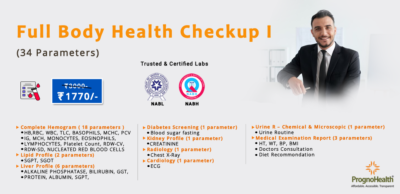 Full Body Health Checkup I
Original price was: ₹3,000.00.₹1,770.00Current price is: ₹1,770.00.
Full Body Health Checkup I
Original price was: ₹3,000.00.₹1,770.00Current price is: ₹1,770.00.
-
 MFG IND PACK III
Original price was: ₹3,900.00.₹2,145.00Current price is: ₹2,145.00.
MFG IND PACK III
Original price was: ₹3,900.00.₹2,145.00Current price is: ₹2,145.00.
-
 Dengue NS1 Antigen Test
₹900.00
Dengue NS1 Antigen Test
₹900.00
-
 Lipoprotein (A) Blood Test – Lp(a)
₹750.00
Lipoprotein (A) Blood Test – Lp(a)
₹750.00
-
 Healthy Life Advance Male
Original price was: ₹15,000.00.₹8,250.00Current price is: ₹8,250.00.
Healthy Life Advance Male
Original price was: ₹15,000.00.₹8,250.00Current price is: ₹8,250.00.