PrognoHealth – Corporate Health & Wellness Specialist


Health Check Compliance as per Factories Act in Maharashtra. Ensuring the health and safety of workers in industrial settings is crucial for any organisation. In Maharashtra, the Factories Act, 1948, along with the Maharashtra Factories Rules, 1963, lays down specific requirements for health checks to safeguard workers, particularly in hazardous environments. This guide provides a detailed overview of these compliance requirements, the types of medical tests mandated for hazardous and non-hazardous units, and their periodicity. Legal Framework for Health Checks 🏢📜 : Under the Factories Act, 1948 and the Maharashtra Factories Rules, 1963, employers are required to conduct health examinations for workers to monitor and mitigate occupational health risks. The rules primarily focus on: 1. Medical Examination Requirements : For both pre-employment and periodic health check-ups.2. Specific Tests for Hazardous and Non-Hazardous Units : To address the unique risks posed by different working environments.3. Documentation and Reporting : Maintaining records of all medical examinations and health assessments. Key Rules Governing Health Checks : 1. Rule 73V: Pre-employment and Periodic Health Examinations 🩺 : This rule mandates that every worker in a factory, especially those involved in hazardous processes, must undergo a pre-employment medical examination to determine their fitness for the job. Additionally, regular health check-ups are required to monitor any adverse effects due to their work conditions. 2. Rule 73W: Health Surveillance for Hazardous Processes 🌡️ : Factories that involve hazardous processes are required to conduct specific health surveillance measures. This includes detailed health assessments tailored to the risks associated with the hazardous materials and processes the workers are exposed to. 3. Rule 73X: Operation of Occupational Health Centres (OHC) 🏥 : This rule requires factories with more than 200 workers engaged in hazardous processes to set up Occupational Health Centres (OHCs). These centres must be equipped to conduct regular health checks and provide immediate medical attention. 4. Rule 73Z: Maintenance of Health Records 🗂️ : Factories must maintain comprehensive health records for each worker, documenting all medical examinations and health assessments. These records should be confidential and accessible only to authorised personnel. Medical Tests for Workers 🩻🧪 : The type and frequency of medical tests required depend on whether the factory is classified as hazardous or non-hazardous: For Hazardous Units 🔥☠️ : Workers in hazardous environments are exposed to risks such as chemical fumes, dust, noise, and radiation. The following tests are mandated to monitor their health: 1. Lung Function Tests (Spirometry) : To check for respiratory conditions caused by exposure to dust, fumes, and gases.2. Audiometric Tests : Regular hearing tests to detect early signs of hearing loss due to noise exposure.3. Blood and Urine Tests : To monitor exposure to toxic substances, heavy metals, and other hazardous chemicals.4. Chest X-rays : To detect respiratory and cardiovascular conditions.5. Vision Tests : Especially for workers exposed to bright lights or involved in tasks requiring keen eyesight.6. Biological Monitoring : For detecting the absorption of hazardous substances through biological samples (e.g., blood lead levels). Periodicity :• Initial (Pre-employment): Before starting work.• Periodic: At least once a year or more frequently based on the level of exposure and risk assessment. For Non-Hazardous Units 🏭🛠️ : Even in non-hazardous environments, regular health checks are essential to ensure worker well-being. The following general medical tests are recommended: 1. General Physical Examination : To assess overall health and fitness.2. Blood Pressure and Heart Rate Monitoring : Regular checks to identify cardiovascular health issues.3. Basic Blood Tests : To monitor for common health conditions like anemia, diabetes, and infection.4. Vision and Hearing Tests : Routine checks to ensure these senses are not deteriorating. Periodicity :• Initial (Pre-employment) : Before starting work.• Periodic : Typically once a year, though this may vary based on the employer’s health policies and the specific needs of the workforce. Documentation and Reporting 🗃️📝 : Maintaining accurate and detailed records of all health checks is crucial for compliance and ensuring worker health. The following practices are required : 1. Health Records : Factories must maintain individual health records for each worker, including details of all medical examinations and any occupational diseases diagnosed.2. Confidentiality : Health records should be kept confidential and only accessible to authorised medical personnel.3. Reporting : Factories must report any occupational diseases or health incidents to the appropriate authorities as required by law. Conclusion 🏁 :Compliance with health check requirements under the Maharashtra Factories Rules is not just a legal obligation but a fundamental aspect of ensuring a safe and healthy workplace. Regular medical examinations help in early detection and management of occupational health issues, thereby protecting workers and enhancing productivity. By following these guidelines, factories can create a safer work environment and ensure the well-being of their employees. For more details and specific guidelines, you can refer to the Maharashtra Factories Rules, 1963.This article aims to provide a clear and straightforward understanding of the health check compliance requirements for factories in Maharashtra. By adhering to these regulations, employers can foster a healthier and more compliant workplace.For Medical Compliance as per factories act Call PrognoHealth on 9510650660 or mail us on corpsales@prognohealth.com.
Read More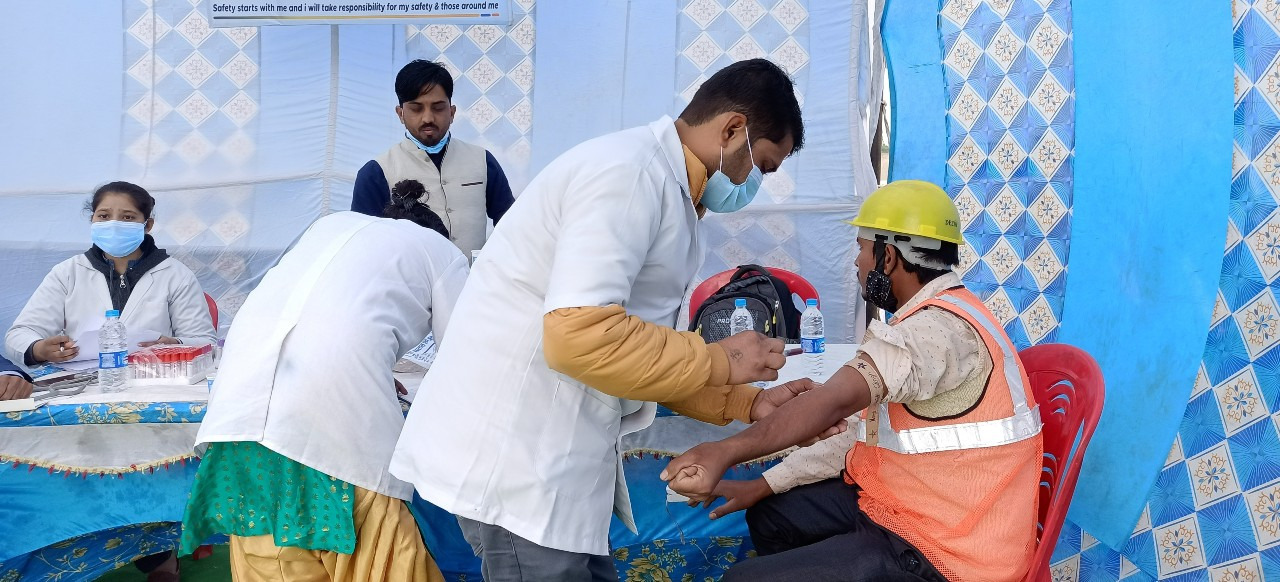
Medical Tests Required for Compliance under the Gujarat Factories Rules, 1963 To ensure worker health and safety, the Gujarat Factories Rules, 1963, mandate specific medical tests for employees in both hazardous and non-hazardous units. Here’s a detailed list of the required medical examinations for each category: For Hazardous Units Workers in hazardous units are exposed to dangerous substances and processes, necessitating a thorough and regular medical examination regime. Here are the specific tests required for compliance Pre-Employment Medical Examination : Complete Physical Examination: Comprehensive check-up to establish baseline health. Blood Tests : Complete Blood Count (CBC): To detect any underlying health conditions.Liver Function Tests (LFTs) : Essential for workers exposed to chemicals affecting the liver.Kidney Function Tests (KFTs) : Important for detecting nephrotoxic effects from exposure.Urine Analysis : To detect any abnormalities that might indicate organ damage or systemic illness.Chest X-Ray : To check for respiratory issues, especially for those exposed to dust, fumes, or gases.Spirometry (Pulmonary Function Test) : To evaluate lung function and detect respiratory impairment.Audiometry : Hearing test for workers exposed to high noise levels.Vision Test : Essential for workers in roles requiring precise visual tasks or exposure to bright light.Periodic Medical Examinations (at least once a year as per Rule 68-V (1) Yearly Regular check-up to monitor ongoing health. Blood Tests :Regular CBC : To monitor any changes in blood cell counts.LFTs and KFTs : For continuous monitoring of liver and kidney health.Urine Analysis : Ongoing check for any systemic health issues.Chest X-Ray : Regular monitoring for respiratory health, especially if the worker’s role involves significant exposure to airborne contaminants.Spirometry : To track lung function and identify any decline over time.Audiometry : Regular hearing assessments to detect any noise-induced hearing loss.Vision Test : Periodic vision checks to ensure continued suitability for specific roles.Additional Specific Tests (based on the type of hazard exposure): Biological Monitoring : Tests for specific chemicals in the blood or urine, such as lead, mercury, or other toxic substances.Skin Examination: For workers exposed to chemicals that may cause skin disorders.Neurological Assessments: For workers exposed to neurotoxic substances. Special Situations :Post-Exposure Medical Examination: Immediate health check after any significant exposure incident.Pre-Reassignment Medical Examination: Before assigning workers to new roles involving different hazardous exposures. For Non-Hazardous Units Though the medical requirements for non-hazardous units are less stringent, ensuring regular health monitoring is still important for worker well-being and safety. Pre-Employment Medical Examination :General Physical Examination : To assess overall health and fitness for the job.Basic Blood Tests :CBC : To detect any general health issues.Basic Metabolic Panel (BMP) : To check for common metabolic issues.Urine Analysis : For detecting any urinary or systemic health conditions.Vision Test : To ensure that vision is adequate for the job’s requirements.Hearing Test : Especially for roles where hearing ability is crucial.Periodic Medical Examinations. Yearly Physical Examination : To monitor general health over time.Basic Blood Tests:CBC and BMP : Regular checks to monitor any changes in health status.Urine Analysis : Periodic check for early signs of health issues.Vision and Hearing Tests : Regularly, especially if the job involves significant visual or auditory demands. Special Situations :Post-Illness Medical Examination : To ensure fitness to return to work after significant illness or injury.Job-Specific Health Checks : For roles with specific physical or sensory demands, tailored health checks may be necessary. Compliance Guidelines :For hazardous units, strict adherence to the specified tests and their regular intervals is crucial. Medical records should be meticulously maintained and retained for at least ten years as per Rule 68-W.For non-hazardous units, while the regulations are less prescriptive, maintaining regular health check-ups and records promotes a safe and healthy workplace environment. References 📚Gujarat Factories Rules, 1963: Detailed guidelines and rules for factories in Gujarat.Factories Act, 1948: The overarching legal framework for factory operations and worker safety in India.Adhering to these medical examination requirements not only ensures compliance with the law but also significantly contributes to the health and safety of the workforce.
Read More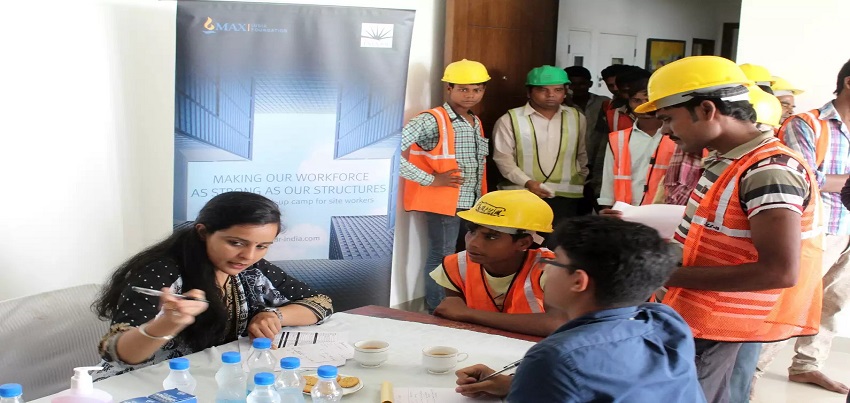
Medical Requirements Under The Gujarat Factories Rules, 1963 The Gujarat Factories Rules, 1963, Derived From The Factories Act, 1948, Mandates Specific Health
Read MoreTop rated products
-
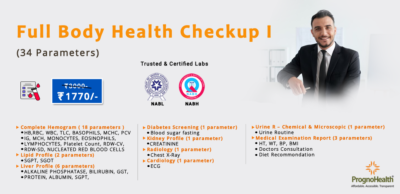 Full Body Health Checkup I
Original price was: ₹3,000.00.₹1,770.00Current price is: ₹1,770.00.
Full Body Health Checkup I
Original price was: ₹3,000.00.₹1,770.00Current price is: ₹1,770.00.
-
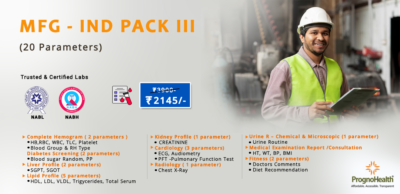 MFG IND PACK III
Original price was: ₹3,900.00.₹2,145.00Current price is: ₹2,145.00.
MFG IND PACK III
Original price was: ₹3,900.00.₹2,145.00Current price is: ₹2,145.00.
-
 Dengue NS1 Antigen Test
₹900.00
Dengue NS1 Antigen Test
₹900.00
-
 Lipoprotein (A) Blood Test – Lp(a)
₹750.00
Lipoprotein (A) Blood Test – Lp(a)
₹750.00
-
 Healthy Life Advance Male
Original price was: ₹15,000.00.₹8,250.00Current price is: ₹8,250.00.
Healthy Life Advance Male
Original price was: ₹15,000.00.₹8,250.00Current price is: ₹8,250.00.