





Last Updated on: August 6, 2024 Zinc Test A zinc test is a laboratory test...
Price: ₹1,200.00
Get Free Report Consultation From Experts


Measures CEA levels in blood to track cancer progression, monitor treatment, and help detect recurrence of gastrointestinal or related cancers.
The Carcinoembryonic Antigen (CEA) test is a widely used tumor marker assessment for cancers of the gastrointestinal tract, including colorectal, stomach, pancreatic, esophageal, and liver cancers. CEA is typically present only during fetal development, but elevated levels in adults often indicate underlying malignancy.
It is not used for routine cancer screening, but it plays a major role in monitoring treatment response, detecting recurrence, and evaluating disease progression. CEA levels are particularly valuable after cancer surgery or chemotherapy, as rising levels may be an early indicator of relapse—often months before symptoms appear.
1 day
Home Collection /
Center Visit
The Carcinoembryonic Antigen (CEA) test is a specialized blood examination used to detect and measure the concentration of CEA, a protein normally present only during fetal development but re-expressed in certain cancers. Clinically, CEA is one of the most important tumor markers for cancers of the gastrointestinal tract, including cancers of the colon, rectum, stomach, esophagus, liver, and pancreas. It is also used in cases of breast, lung, and prostate cancer.
A rising CEA level is often a sign of cancer progression or recurrence, making it a valuable tool for ongoing monitoring after treatment. When treatment is effective, CEA levels usually decrease, reflecting a positive therapeutic response. Conversely, stable or increasing levels may indicate that therapy is not effective or that the tumor is continuing to grow.
CEA testing is particularly important after cancer surgery or chemotherapy. In many cases, an elevated CEA level may be the earliest indicator of cancer returning—sometimes months before symptoms develop or before recurrence is visible on imaging studies. For patients undergoing long-term cancer care, CEA levels can guide whether more advanced tests like CT or MRI scans are necessary.
Regular monitoring—typically every 1 to 3 months—is recommended for individuals with a history of CEA-producing tumors. Persistent elevations above baseline should always be rechecked promptly to rule out laboratory error and to ensure timely clinical action.
Measures CEA levels in blood to track cancer progression, monitor treatment, and help detect recurrence of gastrointestinal or related cancers.
For all over India
For all over India
Professional consultation.
Money back guarantee on accuracy.
Swift online access.

We have deep analytical control on all our labs and insist them to follow NABL guidelines.

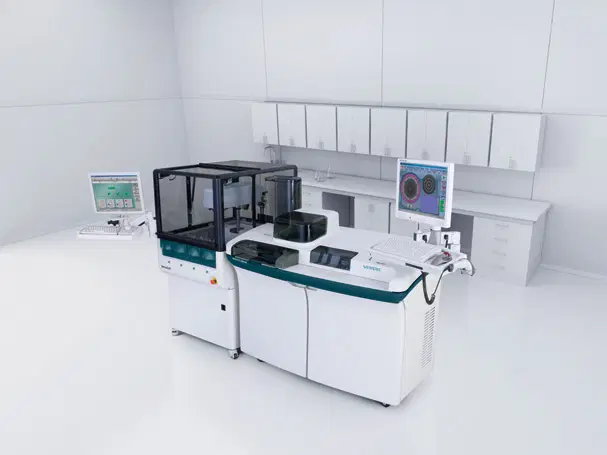
All of our labs are fully automated, equipped with internationally renowned machines.

We are at par with the medical tech-driven advances.

Our labs follow more than 150 international quality operating procedures for sampling.
Last Updated on: August 6, 2024 Zinc Test A zinc test is a laboratory test...


Last Updated on: August 6, 2024Vitamin K Test Vitamin K is a fat-soluble vitamin that...

Last Updated on: August 6, 2024Vitamin E Test Vitamin E is a fat-soluble vitamin that...

Last Updated on: August 6, 2024Vitamin D Test Vitamin D is a nutrient that plays...

Many times we all make silly mistakes, we tend to forget the smallest of the...


Staying mentally sharp is crucial for success. In today’s fast-paced corporate world age-related memory loss...
💡Intelligence & Success — Are They Really Linked? In a world that often idolizes IQ...

4.7
Based on 423
Reviews