PrognoHealth – Corporate Health & Wellness Specialist


Breast Cancer Breast cancer, also known as carcinoma of the breast, is a disease in which malignant (cancer) cells form in the tissues of the breast. It is one of the most common types of cancer among women and can occur in both men and women, although it is rare in men. In this article, we will discuss the symptoms of breast cancer, tests for diagnosis, common treatment methods, and ways to prevent it from occurring. Additionally, we will discuss the importance of diet and exercise in maintaining breast health through corporate health and wellness programs. Symptoms of breast cancer can include a lump or thickening in the breast or underarm area, changes in the size or shape of the breast, dimpling or puckering of the skin, and discharge from the nipple. In some cases, breast cancer may not cause any symptoms at all. Diagnosis of breast cancer typically begins with a breast exam and mammogram, which can detect abnormalities in the breast tissue. If a lump or other abnormality is found, a biopsy may be performed to confirm the presence of cancer. Additional tests, such as an ultrasound or MRI, may also be used to further evaluate the breast tissue. Common treatment methods for breast cancer include surgery, radiation therapy, chemotherapy, and hormone therapy. The specific treatment plan will depend on the stage of the cancer and the patient’s overall health. Prevention of breast cancer can include regular breast exams, mammograms, and self-exams. It’s also important to maintain a healthy lifestyle which includes a balanced diet, regular physical activity, and limiting alcohol consumption. In terms of Corporate Health and Wellness, regular breast cancer screenings and health education can play an important role in preventing breast cancer. This can include offering mammograms as part of a preventative health program, or providing information on healthy lifestyle choices that can help reduce the risk of breast cancer. Diet and exercise also play a crucial role in maintaining breast health. Eating a diet rich in fruits, vegetables, and whole grains, can help to reduce the risk of breast cancer. Regular exercise can also help to maintain a healthy weight, which can reduce the risk of breast cancer. Studies have also shown that regular physical activity can reduce the risk of breast cancer by up to 25%. In conclusion, breast cancer is a serious disease that can have a significant impact on an individual’s quality of life. Through regular screenings, healthy lifestyle choices, and corporate health and wellness programs, we can work to prevent breast cancer and preserve the health of our breasts. If you’re experiencing any symptoms of breast cancer, it’s important to seek medical attention as soon as possible. It’s also important to note that early detection is key, so be sure to schedule regular screenings and self-exams as recommended by your healthcare provider.
Read More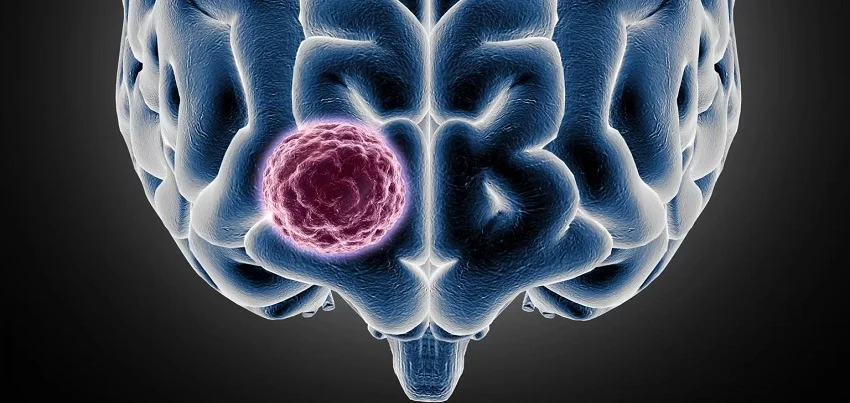
Brain tumours Brain tumors are abnormal growths of cells within the brain or on its surface. They can be benign (non-cancerous) or malignant (cancerous) and can occur in any part of the brain or spinal cord. Brain tumors can cause a wide range of symptoms depending on the size, location, and type of tumor. Symptoms of brain tumors can include:Headaches, which are often worse in the morningNausea and vomitingSeizuresVision problems, such as double vision or blurred visionSpeech difficultiesWeakness or numbness in the arms or legsPersonality or behavior changesDrowsiness or fatigue To diagnose a brain tumor, a doctor may perform a physical exam, a neurological exam, and imaging tests such as a CT scan or MRI. A biopsy may also be done to confirm the diagnosis and determine the type of tumor. Common treatment methods for brain tumors include surgery, radiation therapy, and chemotherapy. The type of treatment will depend on the size, location, and type of tumor, as well as the patient’s overall health. To prevent brain tumors from occurring, it is important to reduce exposure to risk factors such as radiation and certain chemicals. Eating a healthy diet and getting regular exercise can also help to reduce the risk of developing a brain tumor. Corporate health and wellness programs can also play a role in preventing brain tumors by offering regular health check-ups and promoting healthy habits among employees. These programs may include on-site fitness classes, health screenings, and educational workshops on topics such as cancer prevention and healthy living. A healthy diet for brain tumor prevention should include a variety of fruits and vegetables, whole grains, lean proteins, and healthy fats. It is also important to limit processed foods, sugary drinks, and alcohol. Exercise, such as brisk walking or cycling, for at least 30 minutes a day is also recommended for brain tumor prevention. In summary, brain tumors are abnormal growths of cells within the brain. Symptoms can vary widely depending on the location and type of tumor. Diagnosis typically involves a physical exam, neurological exam, and imaging tests. Treatment may include surgery, radiation therapy, and chemotherapy. To reduce the risk of brain tumors, it is important to reduce exposure to risk factors, eat a healthy diet, exercise regularly and get regular health check-ups through corporate health and wellness programs.
Read More
Bad breath, also known as halitosis, is a common condition that affects many people at some point in their lives. It can be caused by a variety of factors, including poor oral hygiene, certain foods and drinks,
Read More
Attention-deficit hyperactivity disorder (ADHD) is a neurodevelopmental disorder that affects both children and adults. It is characterized by symptoms such as difficulty paying attention, impulsivity, and hyperactivity.
Read More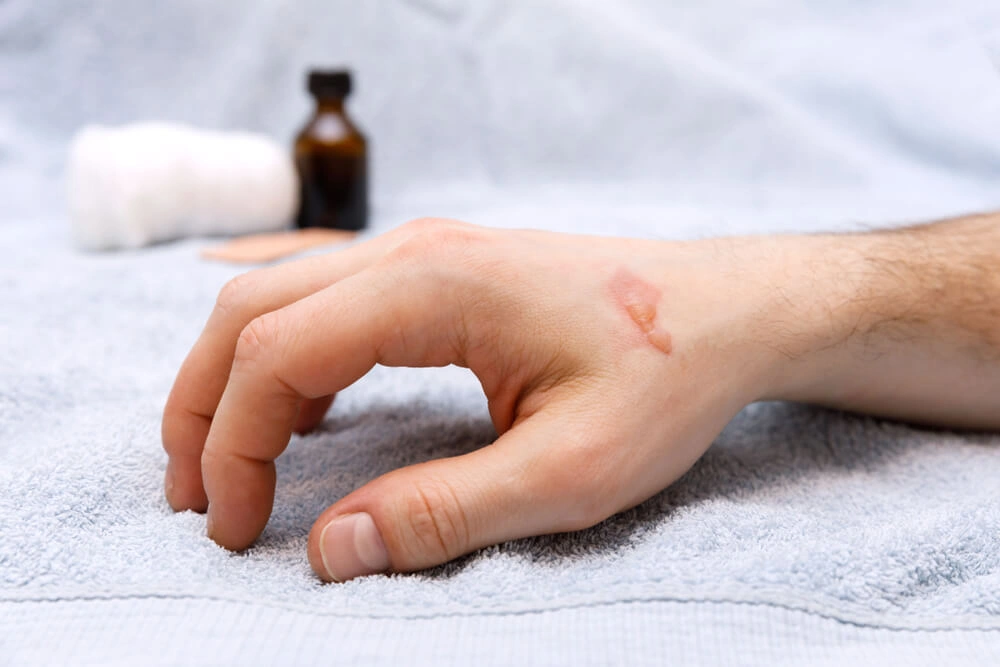
Burns Burns are a type of injury that occurs when the skin comes into contact with heat, chemicals, electricity, radiation, or friction. They can range in severity from mild to life-threatening and can be classified into several categories, such as first-degree, second-degree, and third-degree burns. Symptoms of burns can include: Redness and pain in the affected area Blisters Swelling Peeling or flaking of the skin Black or white charred skin (for severe burns) Fatigue Nausea Shock To diagnose a burn, a doctor will typically perform a physical examination and assess the severity of the burn based on the depth, size, and location of the injury. Common treatment methods for burns include: Cooling the burn: This can be done by running cool water over the affected area for at least 20 minutes or by using a cool, damp compress.Cleaning the burn: The burn wound should be cleaned with soap and water to remove debris and prevent infection.Covering the burn: The burn should be covered with a sterile bandage or dressing to protect it from further injury and to promote healing.Medications: Pain relievers such as ibuprofen or acetaminophen may be prescribed to manage pain, and antibiotics may be prescribed to prevent infection if the burn is severe. Physical therapy: For severe burns, physical therapy may be needed to help restore movement and strength to the affected area.To prevent burns from occurring, it is important to take precautions when working with heat or chemicals, such as wearing protective clothing and equipment. It’s also important to avoid smoking and to be cautious when using electrical appliances and devices. Corporate health and wellness programs can play a role in preventing burns by providing safety training and promoting healthy habits among employees. A healthy diet for burn prevention should include a variety of fruits and vegetables, whole grains, lean proteins, and healthy fats. It is also important to limit processed foods, sugary drinks, and alcohol. Exercise, such as brisk walking or cycling, for at least 30 minutes a day is also recommended for burn prevention. In summary, Burns are a type of injury that occurs when the skin comes into contact with heat, chemicals, electricity, radiation, or friction. They can range in severity and be classified into several categories. Common treatment methods include cooling the burn, cleaning the burn, covering the burn, medications and physical therapy. To prevent burns from occurring, it’s important to take precautions when working with heat or chemicals, and to be cautious when using electrical appliances and devices. Corporate health and wellness programs can play a role in preventing burns by providing safety training and promoting healthy habits among employees. A healthy diet and regular exercise can also help to reduce the risk of burns.
Read More
Astigmatism Astigmatism is a common eye condition in which the shape of the cornea or lens of the eye is irregular, causing distorted or blurred vision. It can occur in combination with nearsightedness or farsightedness. Symptoms of Astigmatism:Symptoms of astigmatism can include blurred or distorted vision, headaches, eye strain, and difficulty seeing at night. Some people may also experience double vision or squinting to see clearly. Tests for Diagnosis:Astigmatism can be diagnosed by an eye doctor during a comprehensive eye exam. The doctor will use a tool called a refractor to determine the shape of the cornea and lens and measure the degree of astigmatism. Common Treatment Methods:Treatment for astigmatism typically involves the use of corrective lenses, such as eyeglasses or contact lenses. In some cases, refractive surgery such as LASIK or PRK may be recommended to correct the shape of the cornea. Preventing Astigmatism:Astigmatism is usually a congenital condition, which means it is present at birth and cannot be prevented. However, it can also occur as a result of eye injury, disease or surgery, and regular eye check-ups are essential to detect and treat it early. Diet and Exercise to Prevent Astigmatism:There is no specific diet or exercise that has been proven to prevent astigmatism. However, a healthy diet and regular exercise can help to support overall health and reduce the risk of other eye conditions. Eating a diet that is rich in fruits and vegetables, and getting enough vitamins, such as Vitamin A, C, and E, can help to support eye health. Regular exercise can also help to reduce stress, which can make you more susceptible to eye problems. Health check-up corporate health and wellness programs can help to identify and prevent astigmatism by providing employees with regular eye exams and screenings. These programs can also provide employees with access to resources and support to help them manage the condition. In summary, Astigmatism is a common eye condition in which the shape of the cornea or lens of the eye is irregular, causing distorted or blurred vision. Symptoms can include blurred or distorted vision, headaches, eye strain, and difficulty seeing at night. Astigmatism can be diagnosed by an eye doctor during a comprehensive eye exam. The common treatment methods include the use of corrective lenses, such as eyeglasses or contact lenses and refractive surgery such as LASIK or PRK. Astigmatism is usually a congenital condition, which means it is present at birth and cannot be prevented. Corporate health and wellness programs can help to identify and prevent astigmatism by providing employees with regular eye exams and screenings and providing employees with access to resources and support to help them manage the condition.
Read More
Avian influenza – Bird Flu. Avian influenza, also known as bird flu, is a type of influenza that primarily affects birds. However, it can also infect humans and can cause severe illness and even death. Symptoms of Avian influenza -Bird Flu in humans:Bird Flu in humans can include fever, cough, sore throat, muscle aches, and difficulty breathing. Some people may also experience nausea, vomiting, and diarrhea. In severe cases, the infection can lead to pneumonia, acute respiratory distress syndrome, and even death. Tests for Diagnosis:To diagnose avian influenza in humans, a healthcare provider will typically perform a physical examination and take a sample of respiratory secretions for testing. The sample will be examined in a laboratory to detect the presence of the influenza virus. Common Treatment Methods:Treatment for avian influenza in humans typically involves the use of antiviral medications such as oseltamivir or zanamivir. In severe cases, hospitalization may be necessary to provide supportive care, such as oxygen therapy and mechanical ventilation. Preventing Avian influenza in humans:To prevent avian influenza in humans, it is important to practice good hygiene and take steps to avoid contact with infected birds. This includes avoiding areas where birds are known to be sick, washing hands frequently, and avoiding touching or handling dead birds. Diet and Exercise to Prevent Avian influenza in humans:A healthy diet and regular exercise can help to boost the immune system and reduce the risk of infection. Eating a diet that is rich in fruits and vegetables, and getting enough vitamins, such as Vitamin A, C, and E, can help to support a healthy immune system. Regular exercise can also help to boost immunity and reduce stress, which can make you more susceptible to infections. Health check-up corporate health and wellness programs can help to identify and prevent avian influenza in humans by providing employees with education about the risks of avian influenza and how to reduce exposure to infected birds. These programs can also provide employees with access to fitness and nutrition resources and support. In summary, Avian influenza is a type of influenza that primarily affects birds but can also infect humans and cause severe illness and even death. Symptoms can include fever, cough, sore throat, muscle aches, and difficulty breathing. To diagnose it, a healthcare provider will typically perform a physical examination and take a sample of respiratory secretions for testing. The common treatment methods include the use of antiviral medications such as oseltamivir or zanamivir. To prevent Avian influenza in humans, it is important to practice good hygiene and take steps to avoid contact with infected birds. A healthy diet and regular exercise can help to boost the immune system and reduce the risk of infection. Corporate health and wellness programs can help to identify and prevent avian influenza in humans by providing employees with education about the risks of avian influenza and how to reduce exposure to infected birds.
Read More
Amoebiasis Amoebiasis, also known as amoebic dysentery, is a parasitic infection caused by the protozoan Entamoeba histolytica. It is a common problem in developing countries, and can cause symptoms such as diarrhoea, abdominal pain, and blood or mucus in the stool. Symptoms of amoebiasis can range from mild to severe, and may include: Diarrhoea Abdominal pain or cramping Blood or mucus in the stool Fatigue Loss of appetite Weight loss Nausea and vomiting Fever A health check up is essential to diagnose amoebiasis. The following tests are used to diagnose the condition: Stool examination: This involves analyzing a sample of the patient’s stool for the presence of the parasite.Blood test: This test can detect antibodies that the body has produced to fight the infection. Endoscopy: This procedure involves inserting a small camera into the rectum to look for signs of amoebiasis. Common treatment methods for amoebiasis include: Antibiotics: Metronidazole and tinidazole are commonly used to treat the infection.Anti-parasitic medications: These medications are used to kill the parasite. Loperamide: This medication can be used to relieve diarrhoea.To prevent amoebiasis from occurring, it is important to practise good hygiene and sanitation. This includes washing hands regularly, especially after using the toilet and before eating. It’s also important to avoid consuming contaminated food and water, especially in areas where the disease is prevalent. Diet and exercise can also play a role in preventing amoebiasis. Eating a healthy and balanced diet that is high in fruits, vegetables, and whole grains can help to boost the immune system and improve overall health. Regular exercise can also help to improve overall health and reduce the risk of infection. In summary, amoebiasis is a parasitic infection caused by Entamoeba histolytica. Symptoms include diarrhoea, abdominal pain, and blood or mucus in the stool. A health check up is essential to diagnose the condition and can include tests such as stool examination, blood test, and endoscopy. Common treatment methods include antibiotics, anti-parasitic medications and loperamide. To prevent amoebiasis, it is important to practise good hygiene and sanitation, avoid contaminated food and water, eat a healthy diet and exercise regularly.
Read More
Anthrax Anthrax is a rare but serious bacterial infection caused by the spore-forming bacterium Bacillus anthracis. The infection can occur in three forms: cutaneous, inhalational, and gastrointestinal. Cutaneous anthrax is the most common form and occurs when the spores come into contact with a break in the skin. Inhalational anthrax occurs when the spores are inhaled, and gastrointestinal anthrax occurs when the spores are ingested. Symptoms of anthrax can vary depending on the form of the infection, but common symptoms include fever, fatigue, and muscle aches. In the case of cutaneous anthrax, a painless, raised bump that resembles an insect bite may appear, which then develops into a painful, black scab. In the case of inhalational anthrax, symptoms may include difficulty breathing, chest pain, and a cough. Gastrointestinal anthrax may cause abdominal pain, nausea, vomiting, and diarrhea. To diagnose anthrax, a healthcare provider will typically perform a physical examination and take a medical history. They may also order diagnostic tests such as blood tests, culture, and PCR (polymerase chain reaction) to confirm the diagnosis. Health check up is a good way to identify the symptoms of anthrax and start the diagnosis process. It is important to schedule regular check-ups to monitor symptoms and progress. Treatment for anthrax typically involves the use of antibiotics such as ciprofloxacin, doxycycline, or penicillin. Treatment should be started as soon as possible, as anthrax can be fatal if left untreated. Prevention methods for anthrax include vaccinations and avoiding contact with infected animals or contaminated animal products. If you work in an occupation that has a higher risk of exposure to anthrax, such as farming, it’s important to take precautions and be aware of the signs and symptoms of the infection. A healthy diet and regular exercise may also help to boost overall health and improve the immune system’s ability to fight off infection. In conclusion, Anthrax is a rare but serious bacterial infection caused spore-forming bacterium Bacillus anthracis. Scheduling regular health check-up is important to prevent the disease.
Read More
Top rated products
-
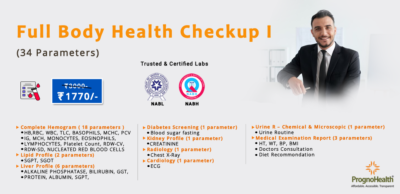 Full Body Health Checkup I
Original price was: ₹3,000.00.₹1,770.00Current price is: ₹1,770.00.
Full Body Health Checkup I
Original price was: ₹3,000.00.₹1,770.00Current price is: ₹1,770.00.
-
 MFG IND PACK III
Original price was: ₹3,900.00.₹2,145.00Current price is: ₹2,145.00.
MFG IND PACK III
Original price was: ₹3,900.00.₹2,145.00Current price is: ₹2,145.00.
-
 Dengue NS1 Antigen Test
₹900.00
Dengue NS1 Antigen Test
₹900.00
-
 Lipoprotein (A) Blood Test – Lp(a)
₹750.00
Lipoprotein (A) Blood Test – Lp(a)
₹750.00
-
 Healthy Life Advance Male
Original price was: ₹15,000.00.₹8,250.00Current price is: ₹8,250.00.
Healthy Life Advance Male
Original price was: ₹15,000.00.₹8,250.00Current price is: ₹8,250.00.