PrognoHealth – Corporate Health & Wellness Specialist

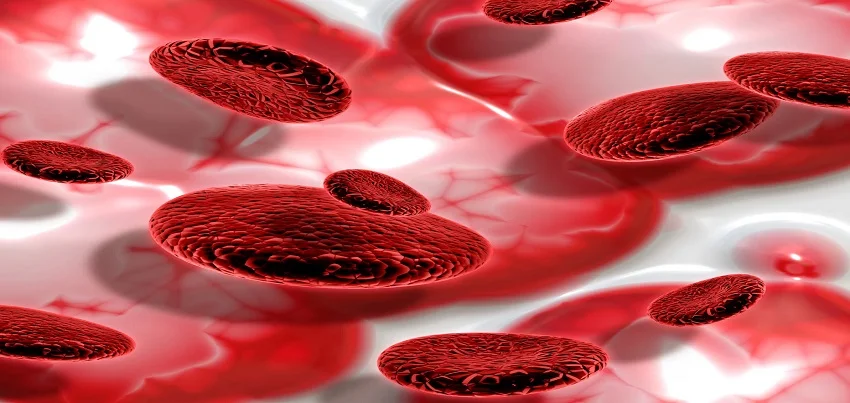

Alzheimer’s disease is a progressive, degenerative disorder that affects the brain, leading to memory loss, difficulty with language, disorientation, mood swings, loss of motivation and impaired judgment.
Read More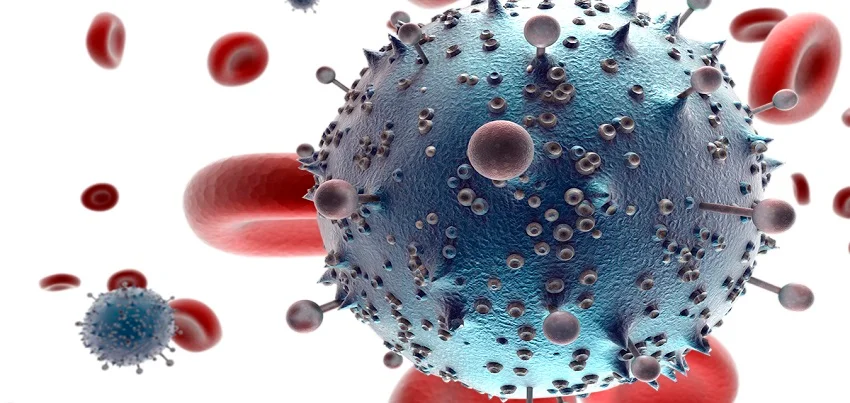
Acquired Immunodeficiency Syndrome (AIDS) is a serious, life-threatening condition caused by the human immunodeficiency virus (HIV).
Read More
Autism Autism, also known as autism spectrum disorder (ASD), is a neuro developmental disorder that affects communication, social interaction, and behavior. It is a spectrum disorder, meaning that it affects individuals differently and to varying degrees.Symptoms of autism typically appear in early childhood, and can include difficulty with social interaction, communication, and repetitive behaviors. Some children with autism may have difficulty making eye contact, have trouble understanding social cues, or have difficulty with language development. They may also engage in repetitive behaviors, such as rocking or flapping their hands, and have difficulty with changes in routine.To diagnose autism, a healthcare provider will typically perform a physical examination and take a medical history. They may also use diagnostic tools such as the Diagnostic and Statistical Manual of Mental Disorders (DSM-5) or the Autism Diagn Observation Schedule (ADOS) to assess the severity of symptoms and make a diagnosis.Health check up is a good way to identify the symptoms of autism and start the diagnosis process. It is important to schedule regular check-ups to monitor symptoms and progress.Common treatment options for autism include behavioral therapy, such as Applied Behavioral Analysis (ABA), speech therapy, and occupational therapy. Medications may also be used to treat symptoms such as anxiety, depression, and attention deficit hyperactivity disorder (ADHD).There is no known way to prevent autism, however, early intervention is essential for the best outcome for children with autism. Early diagnosis and treatment can help children with autism develop the skills they need to reach their full potential.There is no specific diet or exercise plan that has been shown to prevent autism, however, maintaining a healthy lifestyle through a balanced diet and regular exercise can promote overall health and well-being.In conclusion, autism is a neuro developmental disorder that affects communication, social interaction, and behavior. It is a spectrum disorder and affects individuals differently. Scheduling regular health check-ups can help to identify the symptoms of autism and start the diagnosis process. There is no known way to prevent autism, however, early intervention is essential for the best outcome for children with autism. A healthy diet and regular exercise can promote overall health and well-being.
Read More
Abdominal Pain Abdominal pain is a common complaint that can have many causes. The symptoms of abdominal pain can vary greatly depending on the underlying condition, but often include cramping, sharp or dull aches, and discomfort in the stomach or abdomen. There are a variety of tests that can be used to diagnose the cause of abdominal pain. These may include blood tests, imaging tests such as X-rays or CT scans, and endoscopic procedures such as a colonoscopy or upper endoscopy. Common causes of abdominal pain include conditions such as ulcers, inflammatory bowel disease, and diverticulitis. Treatment plans for these conditions typically involve medication and dietary changes, such as avoiding foods that can irritate the stomach or intestines. In some cases, surgery may be required. Prevention of abdominal pain is often possible by making lifestyle changes such as eating a healthy diet, maintaining a healthy weight, and getting regular exercise. A diet that is high in fiber and low in saturated fat can help to prevent conditions such as diverticulitis and inflammatory bowel disease. Regular exercise can also help to prevent abdominal pain by promoting a healthy gut and reducing stress levels. To prevent abdominal pain, it’s recommended to: Eat a diet high in fruits, vegetables, and whole grains Limit foods high in saturated fat, such as red meat and full-fat dairy products Avoid foods that can irritate the stomach or intestines, such as spicy foods or high-fat foods Get regular exercise, such as 30 minutes of moderate-intensity activity on most days of the week Manage stress levels through techniques such as meditation or yoga. By following these recommendations, you may be able to reduce your risk of developing abdominal pain and improve your overall health. However, if you are experiencing severe or chronic abdominal pain, it is important to consult with a healthcare provider for an accurate diagnosis and appropriate treatment plan.
Read More
World Hypertension Day is observed on May 17 every year across the world to create awareness about hypertension, which is also known as high blood pressure (HBP).
Read More
A slipped disk/disc is also known as a herniated disk that occurs when one of the disks of the spine becomes damaged and presses on the nerves. The disks are protective shock-absorbing pads between the bones of the spine (vertebrae).
Read More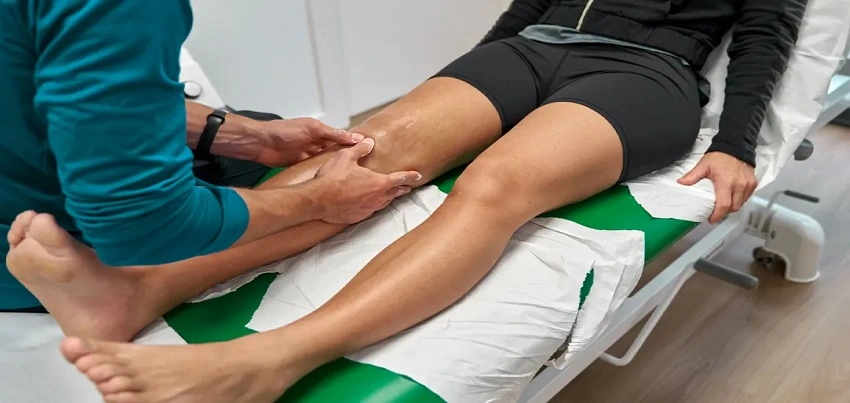
Knee Bursitis Knee bursitis is an inflammation of a bursa located near the knee joint. A bursa is a small fluid-filled, pad-like sac that functions as a gliding surface to reduce friction and cushions the pressure points between the bones, tendons, and muscles near the joints. Each knee has 11 bursae. An injury, infection, frequent pressure from kneeling or rheumatic condition can cause a bursa inflammation. Age also plays a role. As tendons age, they tolerate less stress, become less elastic, and tear easily. Knee bursitis most commonly occurs over the kneecap or on the inner side of the knee below the joint.Knee bursitis causes pain and can limit mobility. Treatment includes self-care practices and medical management to relieve pain and inflammation. Tips to reduce pain and discomfort Rest the knee. Discontinue the activity that causes knee bursitis and avoid movements that increase the pain. Use an ice pack for 20 minutes several times a day until the pain is less and the knee does not feel warm to the touch. Use a compressive wrap or knee sleeve to reduce the swelling. Raise the knee by placing the legs on pillows to reduce swelling. Wear kneepads to cushion and protect the knees while working on your knees or participating in sports that put the knees at risk. Take regular breaks if you are working for a prolonged period resting on the knees. Stretch the legs and give the knees a rest. Avoid excessive squatting as it increases pressure on the knee joints Lift heavy items properly. Bend your knees to reduce stress on the bursae. Walk frequently. Try not to sit in one position too long, especially on hard surfaces. Maintain a healthy weight. Being overweight places more stress on the joints. Start the day with exercise. This will help the muscles protect the affected joints. Warm up and stretch before strenuous activities to protect the joints from injury.
Read More
Bursitis is an inflammation of the bursa. The bursa is a sac filled with fluid under the skin, which acts as a cushion between the tendons and the bones. Bursitis occurs when the bursa becomes inflamed. The most common areas where bursitis occurs are the shoulders, elbows, and hip
Read More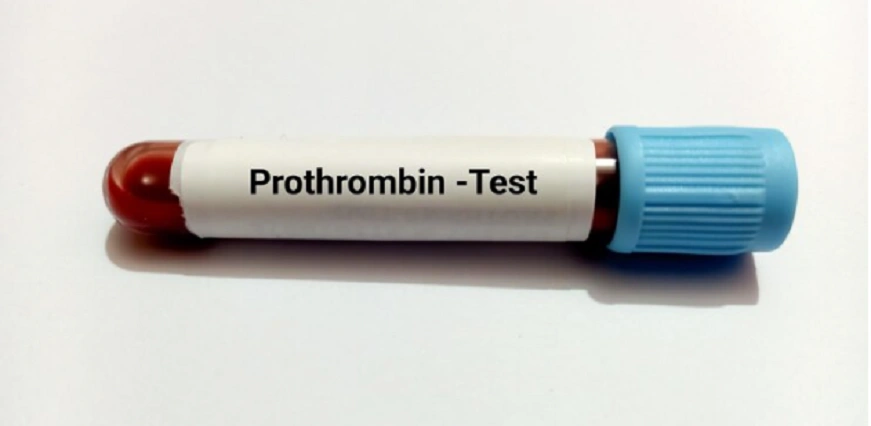
Prothrombin Time (PT) Test The Prothrombin Time (PT) test is a blood test that measures how long it takes for blood to clot. It is used to evaluate the extrinsic and common pathways of the coagulation cascade, specifically the activity of clotting factors II, V, VII and X. It is also known as International Normalized Ratio (INR) test. Pre-test preparation: It is important to inform the healthcare provider of any medications being taken as some may affect the results of the test. Avoid taking aspirin, non-steroidal anti-inflammatory drugs (NSAIDs), or vitamin E supplements for at least one week before the test. Testing method: A small sample of blood is taken from a vein in the arm using a needle and syringe. The sample is then sent to a laboratory for analysis Common Symptoms for prescribing this test: Unexpected or heavy bleeding Bruising easily Blood in the urine or stool Prolonged bleeding after injury or surgery Prolonged bleeding after tooth extraction Excessive menstrual bleeding Blood clots Diagnosis: The PT test is used to help diagnose and monitor bleeding disorders such as hemophilia and von Willebrand disease, as well as to monitor the effectiveness of treatment for these conditions. Also, it is used to monitor the effectiveness of anticoagulation therapy, particularly with warfarin and other vitamin K antagonist. Reference range: The reference range for PT test varies depending on the laboratory that performs the test. Typically, the normal range for PT test is 11-14 seconds and INR should be between 0.8-1.2 However, it is important to note that the reference range can vary depending on the lab that performed the test, the patient’s age, sex, and overall health. Normal values: Normal values for PT test vary depending on the lab that performed the test, but typically fall within the range of 11-14 seconds and INR should be between 0.8-1.2. It is important to consult with a doctor or healthcare professional for any questions or concerns regarding the PT test or any other medical test. “Understanding the Prothrombin Time (PT) Test The Prothrombin Time (PT) test is a crucial blood test that measures how long it takes for your blood to clot1. It’s one of the most common blood tests performed worldwide and is used to diagnose and monitor various bleeding and clotting disorders2. What is the PT Test? Prothrombin, also known as factor II, is a protein produced by your liver. It’s one of many factors in your blood that help it to clot appropriately3. The PT test evaluates the extrinsic pathway of coagulation, which is the coagulation that occurs after blood escapes a blood vessel4. Why is the PT Test Done? The PT test is performed for several reasons. It can reveal a bleeding disorder and your risk for severe blood clots4. It can also show how well your blood clots in advance of surgery and how well you are responding to anticoagulant therapy4. For instance, if you’re taking the blood-thinning medication warfarin, your healthcare provider may perform this test to monitor your prothrombin levels5. PT Test Procedure The PT test is performed by drawing blood from a vein in your arm or from your fingertip6. Once the blood is drawn, a substance called a tissue factor is added to the test tube. This substance, also known as clotting factor 3, activates the sample in a way that illustrates how blood would clot if there is bleeding4. Normal Range for PT Test The normal range for PT test for clotting may be within 11 to 13.5 seconds7. A higher value may indicate a delay in clotting and prolonged bleeding, while a lower value may indicate faster clotting of blood7. PT Test vs. PTT Test While the PT test looks at the extrinsic pathway of coagulation, the Partial Thromboplastin Time (PTT) test measures the function of a different part of the clotting system, known as the intrinsic pathway8. PT Test in Special Conditions The PT test is also used in special conditions such as during pregnancy, in newborns, and in patients with atrial fibrillation6. It’s also used to monitor patients during surgery and those on oral anticoagulants or heparin therapy6. Conclusion In conclusion, the PT test is a vital tool in the medical field, helping healthcare providers diagnose and monitor various conditions related to blood clotting. It’s a simple, quick, and relatively painless procedure that can provide a wealth of information about a patient’s health”
Read MoreTop rated products
-
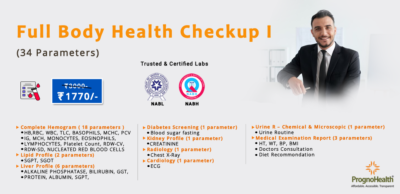 Full Body Health Checkup I
Original price was: ₹3,000.00.₹1,770.00Current price is: ₹1,770.00.
Full Body Health Checkup I
Original price was: ₹3,000.00.₹1,770.00Current price is: ₹1,770.00.
-
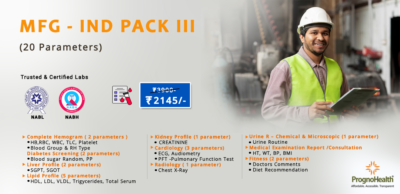 MFG IND PACK III
Original price was: ₹3,900.00.₹2,145.00Current price is: ₹2,145.00.
MFG IND PACK III
Original price was: ₹3,900.00.₹2,145.00Current price is: ₹2,145.00.
-
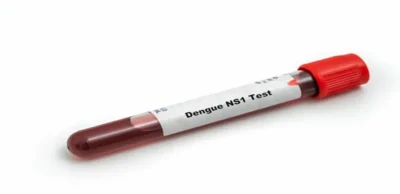 Dengue NS1 Antigen Test
₹900.00
Dengue NS1 Antigen Test
₹900.00
-
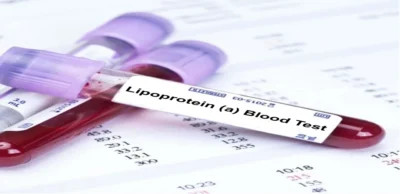 Lipoprotein (A) Blood Test – Lp(a)
₹750.00
Lipoprotein (A) Blood Test – Lp(a)
₹750.00
-
 Healthy Life Advance Male
Original price was: ₹15,000.00.₹8,250.00Current price is: ₹8,250.00.
Healthy Life Advance Male
Original price was: ₹15,000.00.₹8,250.00Current price is: ₹8,250.00.