PrognoHealth – Corporate Health & Wellness Specialist

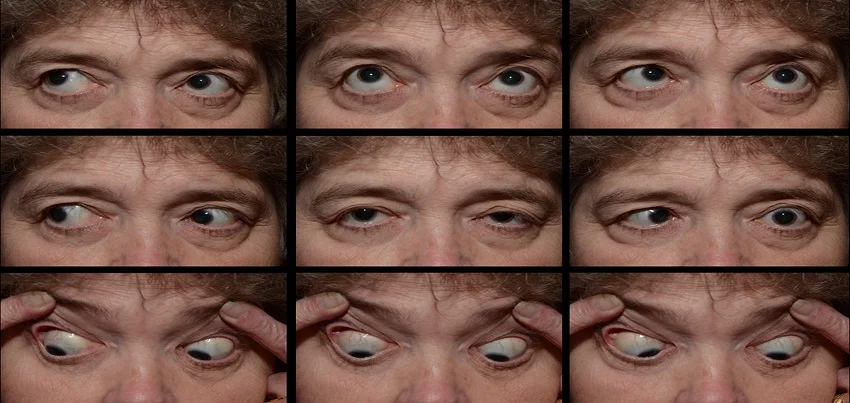
Abducens Nerve Palsy Abducens nerve palsy, also known as sixth nerve palsy, is a condition that affects the abducens nerve, which controls the movement of the lateral rectus muscle in the eye. This can cause the eye to turn inward (cross-eyed) and double vision. The symptoms of abducens nerve palsy can include double vision, difficulty moving the eye outward, and a drooping eyelid on the affected side. To diagnose abducens nerve palsy, a healthcare provider will typically perform a thorough eye examination, including visual acuity testing and examination of the eye’s movement. Additional tests such as MRI, CT scan or an examination of the cerebrospinal fluid may also be done to evaluate the cause of the nerve damage. Treatment for abducens nerve palsy depends on the underlying cause of the condition. In some cases, the condition may resolve on its own, but in other cases, treatment may include eye patching, glasses with prisms, or surgery to reposition the eye muscles. In cases where the cause is related to a disease such as diabetes, hypertension or a brain tumor, treating the underlying condition may help improve the symptoms. Preventing abducens nerve palsy from occurring is challenging as the causes of the condition are not fully known yet and it can be caused by various factors such as head trauma, brain tumor, stroke, infection and other underlying medical conditions. However, maintaining good overall health through regular exercise and a healthy diet, and managing underlying medical conditions such as diabetes and hypertension may help to reduce the risk of developing the condition. Corporate health & wellness programs can play a role in preventing abducens nerve palsy by educating employees on the importance of maintaining good overall health through regular exercise and a healthy diet, and by providing access to resources for health screenings and preventive care. Employers can also offer resources for employees to access nutritious diet and regular exercise which is important for maintaining overall health. In summary, Abducens nerve palsy, also known as sixth nerve palsy, is a condition that affects the abducens nerve, which controls the movement of the lateral rectus muscle in the eye. This can cause the eye to turn inward (cross-eyed) and double vision. The symptoms of abducens nerve palsy can include double vision, difficulty moving the eye outward, and a drooping eyelid on the affected side. Preventing Abducens nerve palsy from occurring is challenging as the causes of the condition are not fully known yet. Corporate health & wellness programs can play a role in preventing Abducens nerve palsy by educating employees on the importance of maintaining good overall health through regular exercise and a healthy diet, and by providing access to resources for health screenings and preventive care.
Read More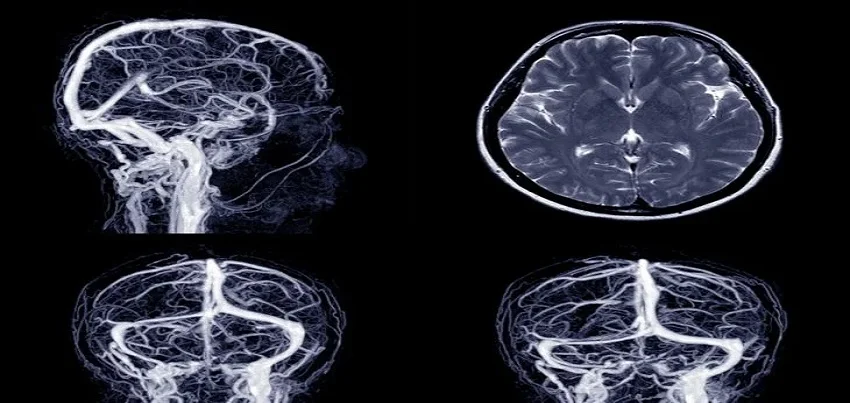
Amaurosis Fugax Amaurosis fugax is a temporary loss of vision in one eye that is caused by a temporary reduction in blood flow to the eye’s retina. The most common symptoms of amaurosis fugax are a sudden loss of vision in one eye, often accompanied by a visual field defect, such as a dark or blind spot in the field of vision. The vision loss usually lasts for a few minutes to a few hours and typically resolves on its own. To diagnose amaurosis fugax, a healthcare provider will typically perform a thorough eye exam, including visual acuity testing and examination of the eye’s retina. Other tests, such as an ultrasound of the carotid artery, may also be performed to evaluate blood flow to the eye. Treatment for amaurosis fugax typically involves addressing the underlying cause of the reduced blood flow, which can include medications to lower cholesterol or blood pressure, or surgery to repair a narrowed or blocked carotid artery. In some cases, a person with amaurosis fugax may also require antiplatelet therapy or anticoagulation therapy to prevent blood clots. Preventing amaurosis fugax from occurring can be done by controlling blood pressure, cholesterol and glucose level, avoiding smoking and manage other health conditions that may affect blood flow such as diabetes and atherosclerosis. Corporate health & wellness programs can play a role in preventing amaurosis fugax by educating employees on the importance of maintaining healthy lifestyle choices, such as regular exercise, healthy diet, and regular check-ups, to manage blood pressure, cholesterol and glucose level, and also providing access to resources for health screenings and preventive care. In summary, Amaurosis Fugax is a temporary loss of vision in one eye caused by a temporary reduction in blood flow to the eye’s retina. The most common symptoms of Amaurosis Fugax are a sudden loss of vision in one eye, often accompanied by a visual field defect. To diagnose Amaurosis Fugax, a healthcare provider will typically perform a thorough eye exam and other tests such as an ultrasound of the carotid artery. Preventing Amaurosis Fugax from occurring can be done by controlling blood pressure, cholesterol and glucose level, avoiding smoking and manage other health conditions that may affect blood flow such as diabetes and atherosclerosis. Corporate health & wellness programs can play a role in preventing amaurosis fugax by educating employees on the importance of maintaining healthy lifestyle choices, such as regular exercise, healthy diet, and regular check-ups, to manage blood pressure, cholesterol and glucose level, and also providing access to resources for health screenings and preventive care.
Read More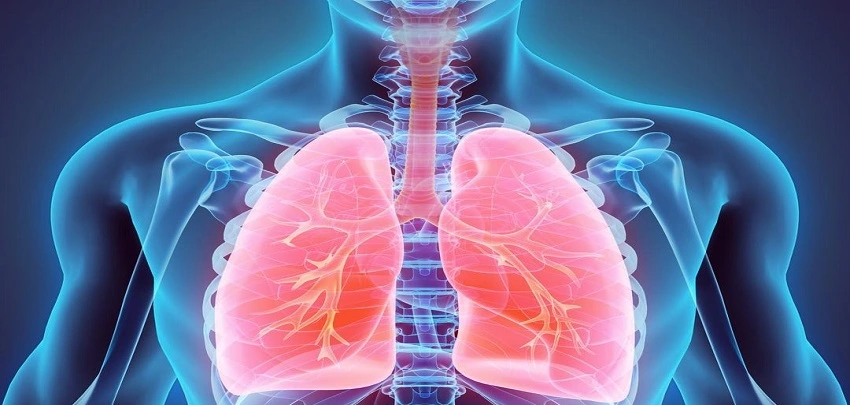
Silicosis Silicosis is a lung disease caused by inhaling dust containing silica particles. The dust causes inflammation and scarring in the lungs, which can make it difficult to breathe. Silicosis is a serious condition that can lead to disability and even death. Symptoms of silicosis include shortness of breath, chest tightness, and a persistent cough. As the disease progresses, the affected person may also experience fatigue, weight loss, and an overall decline in health. In advanced cases, the person may develop lung infections, such as tuberculosis. Diagnosis of silicosis involves a physical exam, chest X-ray, and CT scan. A lung function test may also be done to determine how well the lungs are working. In some cases, a biopsy of the lung tissue may be needed to confirm the diagnosis. Common treatment methods for silicosis include medications to reduce inflammation and help open up the airways. Oxygen therapy may also be used to help the person breathe easier. In advanced cases, surgery may be needed to remove damaged lung tissue. Preventing silicosis from occurring is key to protecting the health of workers and others who may be exposed to silica dust. This can be done by using proper ventilation and personal protective equipment, such as respirators, when working with silica dust. Employers should also make sure that workers are properly trained on how to handle silica dust safely. Annual health check-ups and corporate health & wellness programs can play a crucial role in preventing silicosis. These check-ups can help identify potential health risks, such as exposure to silica dust, and provide workers with the resources and support they need to stay healthy. Corporate health & wellness programs can also help promote healthy habits, such as regular exercise and a healthy diet, which can help reduce the risk of silicosis and other lung diseases. In terms of diet and exercise, a healthy diet with plenty of fruits and vegetables can help improve lung function and strengthen the immune system. Regular exercise, such as brisk walking or cycling, can also help improve lung function and reduce the risk of lung diseases. In conclusion, Silicosis is a serious lung disease caused by inhaling silica dust. It can cause inflammation and scarring in the lungs, making it difficult to breathe. Symptoms include shortness of breath, chest tightness, and a persistent cough. To prevent silicosis from occurring, proper ventilation and personal protective equipment, such as respirators, should be used when working with silica dust. Annual health check-ups and corporate health & wellness programs can play a crucial role in preventing silicosis and promoting overall health. A healthy diet and regular exercise can also help reduce the risk of silicosis and other lung diseases.
Read More
Lid Imbrication Syndrome Lid Imbrication Syndrome, also known as eyelid malposition, is a condition in which the eyelids are not properly aligned, resulting in eyelid overlap or eyelid retraction. This can lead to a variety of symptoms, including dry eyes, irritation, and even vision loss. Symptoms of Lid Imbrication Syndrome can vary depending on the severity of the condition. They can include dry eyes, itching, redness, blurred vision, and even double vision. In severe cases, the eyelids can become so misaligned that they can rub against the cornea, leading to corneal damage. Diagnosis of Lid Imbrication Syndrome is typically made through a physical examination, during which the physician will look for signs of eyelid misalignment and assess the affected area for any changes in skin texture or color. They may also use a special instrument called a Hertel exophthalmometer to measure the distance between the cornea and the eyelid. Other diagnostic tests that may be used include eyelid photography, which uses a special camera to capture images of the eyelids, and corneal topography, which uses a special device to map the shape of the cornea. Treatment for Lid Imbrication Syndrome can vary depending on the underlying cause of the condition, but common treatment methods include eyelid surgery, also known as blepharoplasty. This procedure involves repositioning the eyelids to their proper position. In some cases, additional procedures, such as Botox injections, or temporary eyelid taping, may be used to help the eyelids heal. Prevention of Lid Imbrication Syndrome is the key to avoid the condition and its symptoms. This is where annual health check-ups and corporate health & wellness programs come in. These programs can help you identify any potential risks for Lid Imbrication Syndrome, such as a family history of the condition, and take steps to prevent it from occurring. For example, if you are at risk for Lid Imbrication Syndrome, your doctor may recommend that you avoid certain activities that could put extra pressure on your eyelids, such as heavy lifting or carrying heavy bags. In addition to taking care of your health, there are also a few lifestyle changes that can help to prevent Lid Imbrication Syndrome. One of the most important things you can do is to maintain a healthy diet and exercise regularly. Eating a diet that is low in fat and high in fiber can help to reduce your risk of Lid Imbrication Syndrome, as can regular exercise, which can help to improve the function of your eyelids. In conclusion, Lid Imbrication Syndrome is a condition in which the eyelids are not properly aligned, resulting in eyelid overlap or eyelid retraction. It can cause a variety of symptoms, including dry eyes, irritation, and even vision loss. It can be diagnosed through physical examination and other diagnostic tests. Treatment options include eyelid surgery, Botox injections, or temporary eyelid taping. To prevent Lid Imbrication Syndrome, it is essential to take care of your health through annual health check-ups and corporate health & wellness programs, maintain a healthy diet and exercise regularly.
Read More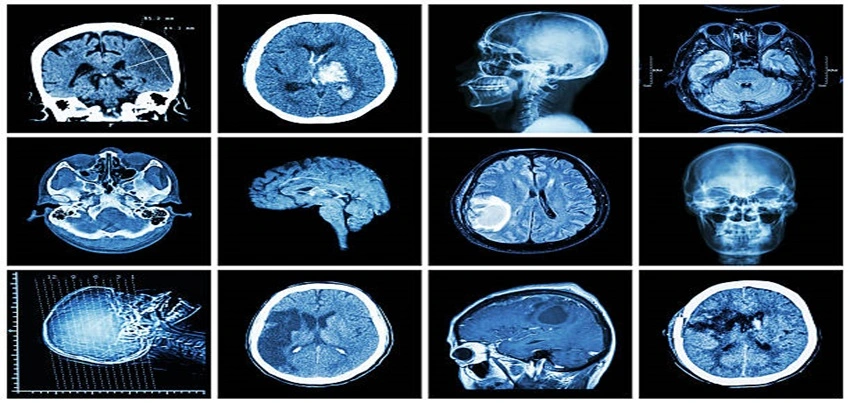
CT Scan Spiral Angio Brain CT scan Spiral Angio Brain is a non-invasive diagnostic imaging test that helps in assessing the blood vessels of the brain. It is primarily used to detect any abnormalities in the brain’s blood vessels, such as blockages, aneurysms, or other malformations. This test uses a combination of X-rays and computer technology to produce detailed images of the brain’s blood vessels. The CT Scan Spiral Angio Brain is conducted with the help of a CT machine, which is a large, doughnut-shaped device. The patient will lie down on a table that slides into the CT machine. The table will move slowly through the machine, and the X-ray beams will rotate around the patient’s body. The CT machine will capture detailed images of the brain’s blood vessels from various angles. The process usually takes around 30 to 45 minutes to complete. There is no specific preparation required for the CT Scan Spiral Angio Brain. However, the patient may be asked to avoid eating or drinking anything for several hours before the test. In some cases, a contrast dye may be injected into the patient’s veins before the test to help the blood vessels appear more clearly in the images. If a contrast dye is used, the patient will need to inform their doctor if they have any allergies or kidney problems. Some common symptoms that may lead to the ordering of a CT Scan Spiral Angio Brain include headaches, dizziness, vision problems, weakness or numbness in the arms or legs, seizures, or a family history of aneurysms or other vascular abnormalities. In addition, this test may be used to evaluate patients who have had a stroke or to assess the blood flow in the brain before surgery. After the test, the images produced by the CT Scan Spiral Angio Brain are interpreted by a radiologist, who is a doctor specialized in diagnostic imaging. The radiologist will review the images and provide a report to the referring physician. The results of the test can help the doctor make a diagnosis and determine the best course of treatment. Overall, the CT Scan Spiral Angio Brain is a safe and effective imaging test that can provide important information about the blood vessels in the brain. It is a valuable tool for diagnosing and managing a variety of neurological conditions. As with any medical procedure, patients should discuss the risks and benefits of this test with their doctor before undergoing the test.
Read More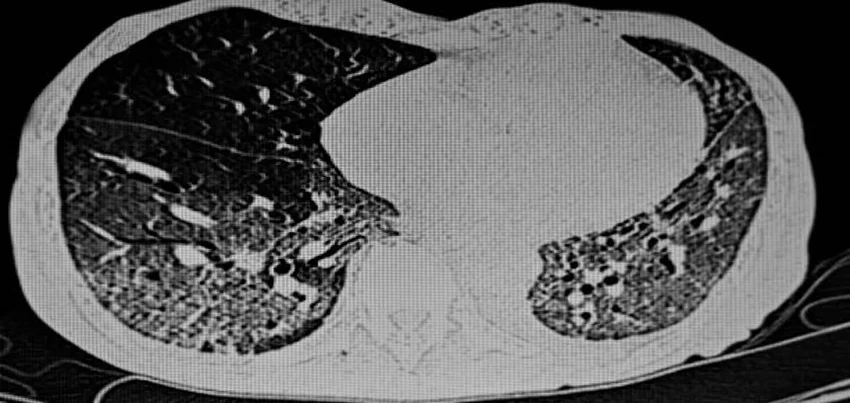
CT Scan of the Thorax A CT (computed tomography) scan of the thorax, also known as a chest CT scan, is a non-invasive medical imaging test that produces detailed images of the chest and surrounding structures. The test is commonly used to diagnose and evaluate a wide range of lung and chest conditions. In this article, we will discuss the procedure of the CT Scan Thorax, test preparation, common symptoms for ordering the test, time taken for the test, result interpretation, and its importance in corporate health wellness packages. Test Procedure : During a CT Scan Thorax, the patient lies on a table that slides through a large, doughnut-shaped machine that rotates around the patient’s body. The machine takes multiple images of the chest, including the lungs, heart, blood vessels, and other surrounding structures. The images are then processed by a computer to create detailed, three-dimensional images of the chest. The entire procedure typically takes between 10 to 30 minutes. Test Preparation : Before a CT Scan Thorax, patients may be asked to refrain from eating or drinking for a few hours, especially if they will receive contrast dye. Contrast dye is a substance that enhances the visibility of certain structures in the body during imaging. Patients should also inform their doctor of any medications they are taking, any allergies they have, and any previous surgeries or medical procedures. In some cases, patients may be asked to wear a hospital gown or remove any metal objects, such as jewelry or piercings. Common Symptoms for Ordering the Test : A CT Scan Thorax may be ordered by a doctor to investigate the following symptoms or conditions:Persistent cough or chest painShortness of breath or difficulty breathingUnexplained weight lossFatigue or weaknessSuspected lung or chest infectionSuspected blood clot in the lungEvaluation of lung nodules or masses Time Taken for the Test and its Results Interpretation : The CT Scan Thorax usually takes between 10 to 30 minutes to complete. After the test, a radiologist will interpret the images and provide a report to the referring physician. The report will include information about the condition of the lungs, heart, and other structures in the chest, including any abnormalities such as masses, nodules, or signs of inflammation. Importance in Corporate Health Wellness Packages : CT Scan Thorax is a critical diagnostic tool that can detect and diagnose a wide range of lung and chest conditions. Early detection and treatment of these conditions can help prevent complications, reduce the need for more invasive procedures, and ultimately lead to better health outcomes. By offering CT Scan Thorax as part of corporate health wellness packages, companies can help their employees detect and diagnose these conditions early, leading to better overall health and productivity. In conclusion, CT Scan Thorax is a non-invasive medical imaging test used to diagnose and evaluate a wide range of lung and chest conditions. Patients do not need to prepare significantly for this test, but they should inform their doctor of any medications they are taking, any allergies they have, and any previous surgeries or medical procedures. Results of the test are interpreted by a radiologist and provided to the referring physician. Companies can offer CT Scan Thorax as part of their corporate wellness packages to help their employees detect and diagnose these conditions early and promote better overall health and productivity. CT scan of the thorax A CT scan of the thorax, also known as a chest CT scan, is a diagnostic imaging procedure that provides detailed pictures of the structures within the chest, including the lungs, heart, blood vessels, and bones. This scan is invaluable for diagnosing a variety of conditions related to the respiratory and cardiovascular systems as well as other structures in the chest. Overview of a Thoracic CT Scan • CT Scan : Computed Tomography (CT) uses X-rays to create cross-sectional images of the body, offering more detailed information than standard X-rays.• Thorax : The thorax is the part of the body between the neck and the abdomen. It includes vital structures such as the lungs, heart, esophagus, trachea, and major blood vessels. Indications for a Thoracic CT Scan A thoracic CT scan is performed for various reasons, including: 1. Evaluation of Symptoms 😮 Persistent cough.o Shortness of breath.o Chest pain.o Hemoptysis (coughing up blood).2. Detection and Assessment of Conditions 😮 Lung Diseases : Such as pneumonia, tuberculosis, interstitial lung disease, and chronic obstructive pulmonary disease (COPD).o Tumors : Including lung cancer, metastatic disease, and lymphomas.o Infections : To identify the presence and extent of infections like abscesses.o Pulmonary Embolism : Blood clots in the lungs.o Aortic Aneurysms : Enlargement of the aorta.o Pleural Conditions : Such as pleural effusion (fluid around the lungs) or pneumothorax (collapsed lung).o Congenital Abnormalities : Birth defects affecting the heart, lungs, or chest structures.3. Preoperative Assessment 😮 Planning for surgeries involving the chest organs.o Guiding biopsies or other interventional procedures.4. Monitoring of Chronic Conditions 😮 Following up on known tumors or chronic lung diseases.o Evaluating the effectiveness of ongoing treatments. Preparation for the Scan 1. Dietary Restrictions : Usually, no fasting is required unless a contrast dye is used.2. Contrast Use 😮 Without Contrast : No special preparation is needed.o With Contrast : You may be asked to avoid eating for a few hours before the scan. Inform your doctor if you have any allergies or kidney issues, as these can affect the use of contrast dye.3. Clothing and Jewelry : Remove any metal objects, such as jewelry, that might interfere with the imaging.4. Medical History : Inform the technician if you have any medical conditions, are pregnant, or have had prior reactions to contrast materials. Procedure 1. Positioning : You will lie flat on a motorized table. You may be asked to raise your arms above your head.2. Scanning : The table will slide into the CT scanner, a large doughnut-shaped machine. The scanner rotates around your body, capturing multiple X-ray images.3. Breath Holding : You may be instructed to hold your breath
Read More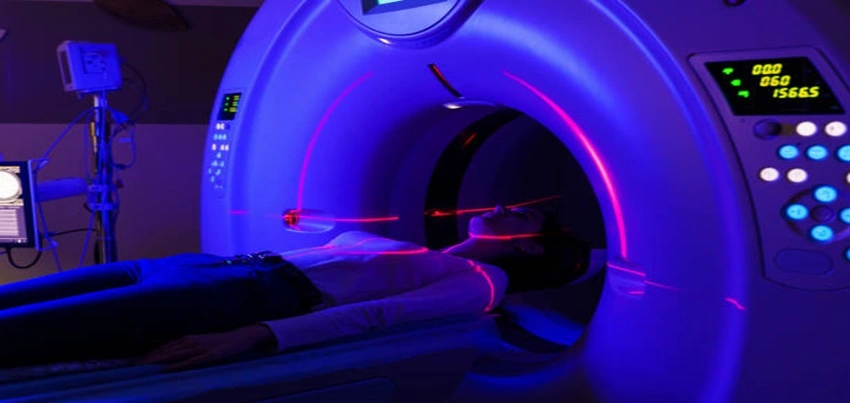
CT Scan Spiral Brain CT scan spiral brain is a medical test that is used to produce highly detailed images of the brain using X-rays. It is also known as a helical CT scan or a spiral CT scan. The procedure is fast, efficient and relatively safe, and it is commonly used to detect various types of brain conditions, such as tumors, bleeding or swelling. The CT scan spiral brain is conducted using a large, circular machine that rotates around the patient’s head while they lie on a table. Unlike traditional CT scans, spiral CT scans are continuous and take images of the brain from all angles, creating a 3D image of the brain. The machine moves very slowly, which allows for more detailed images to be taken. The procedure is non-invasive and generally painless, and there is usually no preparation required for the patient prior to the test. However, patients may be asked to avoid food and drink for a few hours before the procedure. Patients should also let their doctor know if they are pregnant or have any allergies to medications or contrast agents. The most common symptoms that may require a CT scan spiral brain include headaches, seizures, dizziness, changes in vision or speech, or any other neurological symptoms. Patients who have had an injury to the head or have a family history of neurological conditions may also require a CT scan spiral brain. The procedure takes only a few minutes, and the patient is required to remain still throughout the scan. During the procedure, the patient may be asked to hold their breath for a few seconds while the machine takes the images. After the procedure, the patient can resume their normal activities immediately. The results of the CT scan spiral brain will be interpreted by a radiologist, who will provide a report to the patient’s doctor. The report will indicate any abnormalities in the brain, such as tumors, bleeding, or swelling. The doctor will then discuss the results with the patient and determine the appropriate course of treatment. CT scans of the brain, including spiral CT scans, can be an important part of health checkups, wellness programs, and corporate health programs. They are used to screen for potential brain conditions and ensure early detection and treatment. However, it is important to note that CT scans involve exposure to ionizing radiation, and should only be used when medically necessary. In conclusion, a CT scan spiral brain is a highly effective diagnostic tool for detecting brain conditions, such as tumors, bleeding, or swelling. The procedure is fast, efficient and relatively safe, and is commonly used as part of health checkups, wellness programs, and corporate health programs. If you are experiencing any neurological symptoms or have had an injury to the head, speak with your doctor to determine if a CT scan spiral brain is necessary.
Read More
Heterophoria Heterophoria is a condition in which the eyes are not properly aligned with each other. This can cause a variety of symptoms, including headaches, fatigue, and double vision. It is important to be aware of the signs and symptoms of heterophoria, as well as the methods for diagnosis and treatment, in order to prevent and manage this condition. Symptoms of heterophoria include:HeadachesFatigueDouble visionBlurred visionEye strainNeck and shoulder painDifficulty focusing or maintaining clear vision To diagnose heterophoria, an eye care professional will perform a variety of tests, including:Cover test: This test involves covering one eye and then the other to check for any misalignment of the eyes.Binocular vision test: This test measures the ability of the eyes to work together as a team.Visual acuity test: This test measures the sharpness of vision.Stereopsis test: This test measures the ability to perceive depth and 3D images. Common treatment methods for heterophoria include:Eyeglasses or contact lenses: These can help to align the eyes and reduce symptoms.Vision therapy: This involves a series of exercises and activities to help improve the alignment and coordination of the eyes. Surgery: In some cases, surgery may be necessary to correct the alignment of the eyes. In addition to these treatment methods, there are also steps that can be taken to prevent heterophoria from occurring. These include:Having regular eye exams: This can help to identify any issues with the alignment of the eyes early on, before they become a bigger problem.Practising good eye care: This includes things like taking regular breaks when working on a computer or other digital device, and practising good posture to reduce strain on the eyes.Diet and exercise can also play a role in preventing heterophoria. Eating a healthy diet that is rich in fruits and vegetables, and that is low in sugar and processed foods, can help to promote overall eye health. Regular exercise can also help to improve the alignment and coordination of the eyes, and can also help to reduce stress and tension, which can contribute to heterophoria. Annual health check-ups and corporate health & wellness programs are great ways to ensure that individuals are taking the necessary steps to prevent and manage heterophoria. These programs can include regular eye exams, as well as other health screenings and assessments, such as blood pressure and cholesterol checks, that can help to identify any underlying health issues that may be contributing to heterophoria. Additionally, corporate health & wellness programs can provide employees with resources and support to help them make healthier lifestyle choices and improve their overall health and well-being. In conclusion, Heterophoria is an eye disorder which results in misalignment of eyes. It can cause various symptoms such as headaches, fatigue, and double vision. Regular eye exams, good eye care, healthy diet and exercise are some of the ways to prevent and manage Heterophoria. Annual health check-ups and corporate health & wellness programs can be beneficial in identifying and preventing the disorder. It is essential to be aware of the signs and symptoms of heterophoria and seek professional help if any of them are noticed.
Read More
Intrauterine Growth Restriction (IUGR) Intrauterine growth restriction (IUGR) is a condition in which a fetus does not grow at the normal rate during pregnancy. It is usually diagnosed when a fetus is smaller in size than expected for their gestational age. This can be caused by a number of factors such as chromosomal abnormalities, placental insufficiency, maternal health issues or poor nutrition. Symptoms of IUGR may not be apparent in the mother, but it is usually diagnosed during routine prenatal care through ultrasound. The ultrasound will show that the fetus is smaller than expected for their gestational age, and the amniotic fluid may also be reduced. To diagnose IUGR, a doctor will typically perform a physical examination and take a medical history. Additional tests may include ultrasound to measure the size of the fetus and the amount of amniotic fluid, Doppler ultrasound to assess blood flow to the placenta and fetus, and non-stress test to monitor the fetal heart rate. Common treatment methods for IUGR include close monitoring of the pregnancy through ultrasound and non-stress test, and in some cases, the mother may be put on bed rest to reduce stress on the fetus. If IUGR is caused by a problem with the placenta, the mother may also be given medication to improve blood flow to the fetus. In severe cases, the baby may need to be delivered early to ensure the best outcome. To prevent IUGR, it is important to maintain a healthy lifestyle before and during pregnancy. This includes eating a balanced diet, getting regular exercise, and avoiding smoking, alcohol and drugs. It’s also important to keep any chronic medical conditions under control such as diabetes, hypertension and autoimmune disorders. Annual health check-ups and corporate health & wellness programs can also play a role in preventing IUGR by helping individuals to identify and address health risks before conception. These programs can also provide education and resources to help individuals make lifestyle changes that can improve their chances of having a healthy pregnancy. Diet and exercise also play a crucial role in preventing IUGR. Eating a diet that is rich in fruits, vegetables, and whole grains and maintaining a healthy weight can help to ensure optimal nutrition for the mother and the baby. Regular exercise can also improve overall health and reduce the risk of certain pregnancy complications. It’s also important to address any risk factors that might affect the health of the placenta and the fetus, such as exposure to environmental toxins, certain medications, or chronic infections. It’s important to work closely with your doctor to identify any potential sources of exposure and take steps to avoid or mitigate them. Incorporating annual health check-ups and corporate health & wellness programs can also be very helpful in preventing IUGR. These programs can help to identify individuals who may be at risk of developing the condition and provide them with the necessary education and resources to make lifestyle changes to prevent it. Overall, Intrauterine growth restriction (IUGR) is a serious condition that can have a significant impact on the health of both the mother and the baby. By maintaining a healthy lifestyle, participating in annual health check-ups and corporate health & wellness programs, and being aware of environmental factors that can negatively impact the pregnancy, individuals can reduce their risk of developing the condition and improve their chances of having a healthy pregnancy and baby.
Read More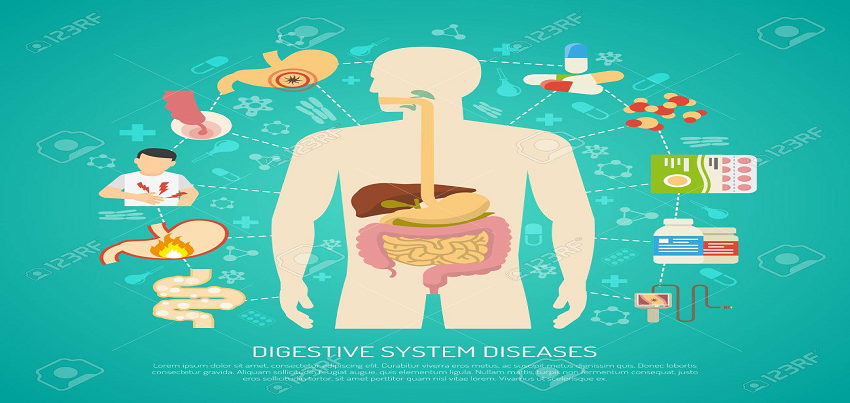
Inflammatory Bowel Disease (IBD) Inflammatory Bowel Disease (IBD) is a group of chronic inflammatory conditions that affect the digestive tract. The two most common forms of IBD are Crohn’s disease and ulcerative colitis. Both conditions cause inflammation and ulceration in the lining of the gut, leading to a wide range of symptoms. The symptoms of IBD can vary depending on the type of disease and the location of the inflammation. Some common symptoms include abdominal pain, diarrhea, rectal bleeding, weight loss, and fever. Other symptoms that may occur include fatigue, anemia, and skin rashes. In some cases, the disease can also lead to complications such as bowel obstruction, fistulas, and anal fissures. Diagnosis of IBD typically begins with a physical examination and a review of the patient’s medical history. This may be followed by a series of tests, such as blood tests, stool tests, and imaging studies. A colonoscopy or endoscopy may also be performed to visualize the inside of the gut and to take biopsies of the affected tissue. Common treatment methods for IBD include medications, surgery, and lifestyle changes. Medications such as aminosalicylates, corticosteroids, and immunomodulators are often used to reduce inflammation and improve symptoms. Surgery may be required in some cases to remove the affected portion of the gut or to repair complications. Preventing IBD from occurring is not possible, as the exact cause of the disease is not known. However, there are steps that can be taken to manage the symptoms and prevent complications. One of the most important things you can do to prevent IBD is to maintain a healthy diet and exercise regularly. Eating a diet rich in fruits, vegetables, and lean protein can help to keep your gut healthy, while regular exercise can help to improve circulation and promote healthy digestion. Another way to prevent IBD is by incorporating annual health check-ups in your routine. An annual health check-up can help to identify any potential health concerns early on and allow for prompt treatment. Corporate health & wellness programs can also help to promote healthy lifestyle habits among employees, which can reduce the risk of IBD. In addition to diet and exercise, there are also certain foods and supplements that may help to prevent IBD. For example, foods that are high in fiber, such as fruits, vegetables, and whole grains, can help to keep the gut healthy and reduce inflammation. Supplements such as omega-3 fatty acids and probiotics may also be beneficial for preventing IBD. In conclusion, Inflammatory Bowel Disease (IBD) is a group of chronic inflammatory conditions that affect the digestive tract. It has various forms, symptoms, and complications. There are various treatment methods and preventions that can be done to manage the symptoms and prevent complications. Incorporating annual health check-ups, a healthy diet and exercise, and corporate health & wellness programs are the best ways to prevent it. Certain foods and supplements may also be beneficial in preventing IBD. If you suspect you have IBD, it is important to see a gastroenterologist for proper diagnosis and treatment. It is also important to be aware that IBD is a chronic condition and requires long-term management and monitoring.
Read MoreTop rated products
-
 Full Body Health Checkup I
Original price was: ₹3,000.00.₹1,770.00Current price is: ₹1,770.00.
Full Body Health Checkup I
Original price was: ₹3,000.00.₹1,770.00Current price is: ₹1,770.00.
-
 MFG IND PACK III
Original price was: ₹3,900.00.₹2,145.00Current price is: ₹2,145.00.
MFG IND PACK III
Original price was: ₹3,900.00.₹2,145.00Current price is: ₹2,145.00.
-
 Dengue NS1 Antigen Test
₹900.00
Dengue NS1 Antigen Test
₹900.00
-
 Lipoprotein (A) Blood Test – Lp(a)
₹750.00
Lipoprotein (A) Blood Test – Lp(a)
₹750.00
-
 Healthy Life Advance Male
Original price was: ₹15,000.00.₹8,250.00Current price is: ₹8,250.00.
Healthy Life Advance Male
Original price was: ₹15,000.00.₹8,250.00Current price is: ₹8,250.00.