PrognoHealth – Corporate Health & Wellness Specialist

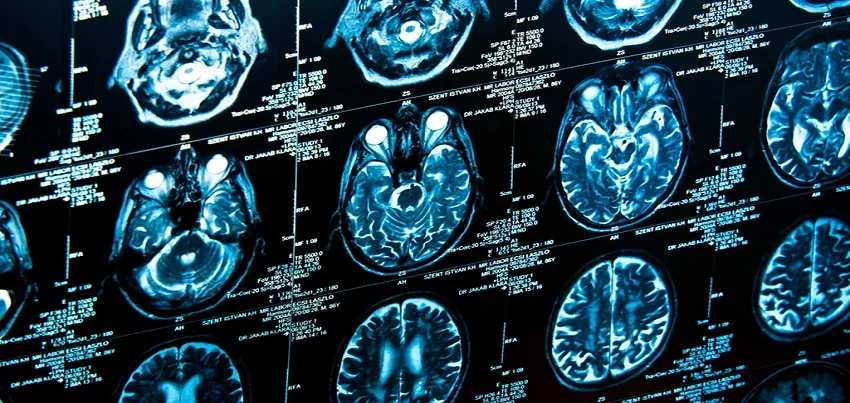
CT Scan Brain A CT scan of the brain is a medical imaging test that is used to create detailed images of the brain. This non-invasive diagnostic test is an important tool that helps doctors diagnose and treat various conditions that affect the brain. In this blog, we will explore what a CT scan of the brain entails, how it is conducted, what symptoms may necessitate the test, and how the results are interpreted. We will also look at how the test fits into the context of health checkups, wellness programs, and corporate health. What is a CT Scan Brain?A CT scan, also known as a computed tomography scan, uses a combination of X-rays and computer technology to produce detailed images of the inside of the body. A CT scan of the brain produces cross-sectional images of the brain that can be used to diagnose a variety of conditions, including tumors, infections, inflammation, bleeding, and injuries.The test works by having the patient lie on a table that slides into a large, circular machine that takes X-ray images of the brain from different angles. The machine then uses these images to create a 3D image of the brain. How is a CT Scan Brain Conducted?The procedure for a CT scan of the brain is simple and non-invasive. A CT scan of the brain is usually performed as an outpatient procedure, meaning that the patient can go home on the same day as the test. Patients will be asked to remove any metal objects, such as jewelry or glasses, and may need to wear a hospital gown during the test.The patient then lies on a table that slides into the CT scanner, which takes a series of X-ray images of the brain. The patient may be asked to hold their breath for a few seconds to ensure the images are clear. The whole procedure usually takes only a few minutes.After the test, the images are sent to a radiologist, who is a specialist in interpreting medical images. The radiologist will analyze the images and write a report of their findings. Test Preparation for a CT Scan Brain:For a CT scan of the brain, there is usually no special preparation required. Patients may be asked to avoid eating or drinking for a few hours before the test, particularly if they are going to receive contrast dye. This dye is injected into a vein in the arm to help enhance the images of the brain.Patients should inform their doctor if they have any allergies, particularly to contrast dye or iodine, as well as if they are pregnant. Common Symptoms for Ordering a CT Scan Brain:A CT scan of the brain may be ordered by a doctor if a patient is experiencing symptoms such as:HeadachesDizzinessSeizuresNausea and vomitingChanges in vision or speechDifficulty moving or weakness in the arms or legsLoss of consciousnessConfusion or memory lossPersonality changes The test can help diagnose conditions such as brain tumors, strokes, bleeding, or swelling in the brain, and infections such as meningitis or encephalitis. Time Taken for the Test and Results Interpretations A CT scan of the brain usually takes only a few minutes. Patients may need to stay still during the scan to ensure clear images. After the test, the images are sent to a radiologist, who will analyze them and write a report of their findings. The results are usually available within a few days. The radiologist will look for any abnormalities in the brain, such as tumors, bleeding, or swelling. They may also look for signs of infections or other conditions that may be affecting the brain.
Read More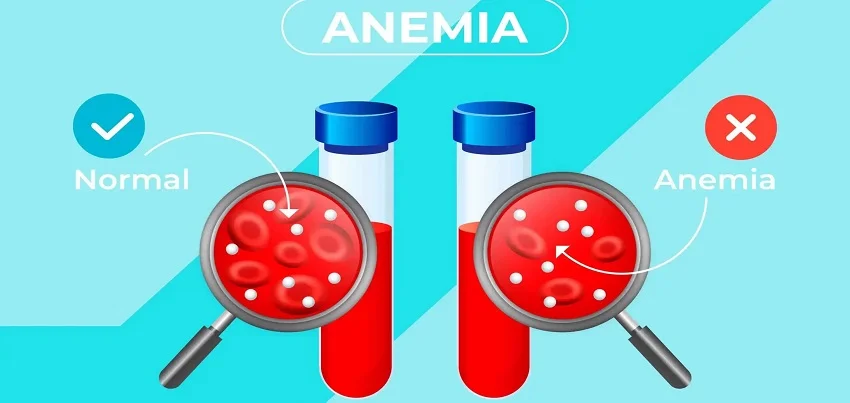
Sickling test is a laboratory test used to diagnose sickle cell anemia, a genetic blood disorder characterized by abnormal hemoglobin molecules
Read More
Blood Sugar Random Test A blood sugar random test measures the amount of glucose (sugar) in a person’s blood at any random time, regardless of when they last ate. There is no specific preparation required for this test, but it is generally recommended to avoid consuming food or drink (other than water) for at least 8 hours before the test. The test is typically performed by taking a small sample of blood from a finger prick or from a vein in the arm. The blood sample is then analyzed using a glucose meter or sent to a laboratory for analysis. The test is commonly prescribed for people who have symptoms of high blood sugar, such as increased thirst, frequent urination, blurred vision, and fatigue. It is also used to diagnose and monitor diabetes, a condition in which the body is unable to properly regulate blood sugar levels. The reference range for blood sugar is typically considered to be between 70 and 100 mg/dL. However, normal values can vary depending on factors such as the person’s age, sex, and overall health. It’s important to note that this test is not a definitive diagnosis and it is recommended to consult with a doctor and get a proper diagnosis with clinical examination and other tests.
Read More
In the fast-paced corporate world, the importance of exercise cannot be overstated. Regular Physical Activity Is Not Only Crucial For
Read More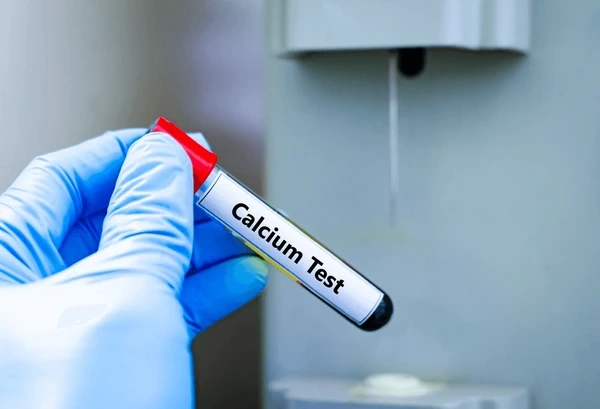
Calcium Test Calcium is a mineral that is essential for the proper functioning of the body. It is required for the formation and maintenance of healthy bones and teeth, and it also plays a role in muscle function, nerve transmission, and blood clotting.A calcium test is typically ordered by a healthcare provider to evaluate the level of calcium in the blood. This test can be used to diagnose and monitor conditions such as hyperparathyroidism, hypoparathyroidism, and malabsorption syndromes. Pre-test preparation for a calcium test typically includes fasting for 8-12 hours before the test. Certain medications, such as diuretics, can affect the results of the test, so it’s important to tell your healthcare provider about any medications you are taking before the test.The testing method for a calcium test is typically a blood test. A small sample of blood is taken from a vein in the arm and sent to a laboratory for analysis. Common symptoms that may prompt a healthcare provider to order a calcium test include muscle weakness, bone pain, and frequent fractures. However, many conditions that affect calcium levels may not cause any symptoms. Diagnosis of conditions related to calcium levels is typically based on the results of the calcium test in combination with other tests, such as a parathyroid hormone test. Reference ranges for a calcium test vary depending on the laboratory, but generally, normal values are around 8.6-10.2 mg/dL (2.15-2.55 mmol/L).It’s important to note that a single test result is not diagnostic by itself, and a patient’s clinical presentation, including symptoms and other laboratory test results, should be taken into account in determining a diagnosis. It’s also important to note that the information provided here is for informational purposes only and should not be used as a substitute for professional medical advice, diagnosis, or treatment.
Read More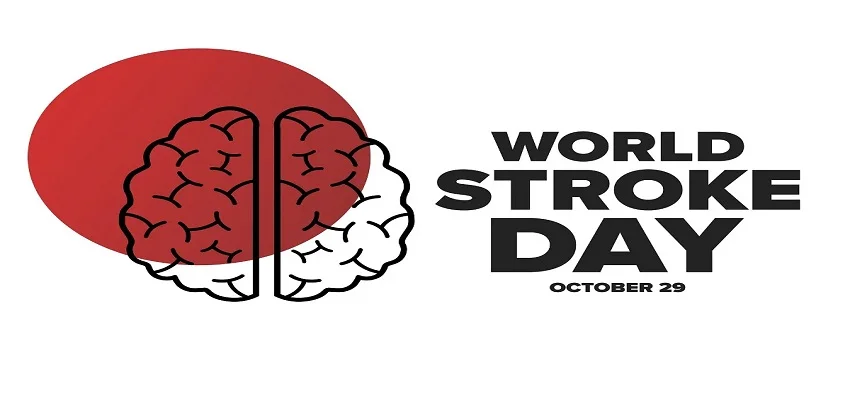
A stroke is a condition in which the brain cells die suddenly because of a lack of oxygen. This could be caused by an obstruction in the blood flow or a break in an artery that feeds the brain. The person may lose the ability to speak or experience memory problems, dizziness, difficulty in walking, loss of balance, numbness, blurred vision, or paralysis on one side of the body.
Read More
International Yoga Day is celebrated on June 21st every year. It was internationally recognized by the United Nations General Assembly ( UNGA ) on December 11, 2014, Prime Minister Mr. Narendra Modi in his UN Address had suggested June 21, as it is the longest day of the year.
Read More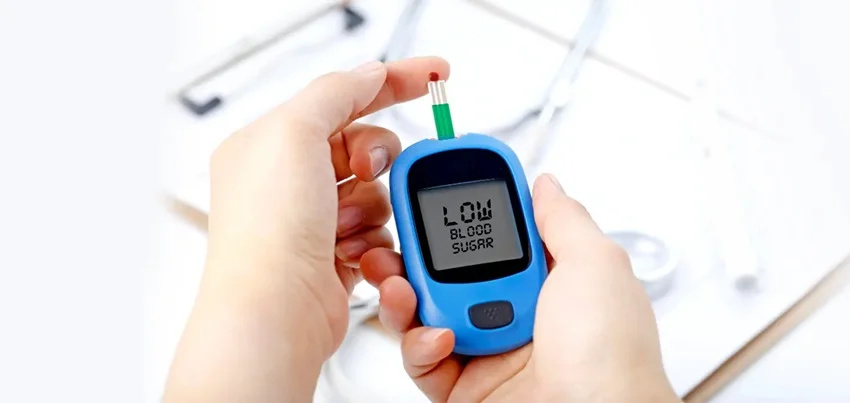
Blood Sugar Fasting Test The Blood Sugar Fasting test, also known as the Fasting Blood Glucose (FBG) test, is used to measure the level of glucose (sugar) in the blood after an individual has fasted for at least 8 hours. It is a simple test used to diagnose diabetes or prediabetes. Pre-test preparation:The individual should fast (not eat or drink anything except water) for at least 8 hours before the test. Testing method:A small sample of blood is taken from a finger prick or from a vein and sent to a laboratory for analysis. Common symptoms that may prompt a healthcare provider to prescribe a blood sugar fasting test include:Increased thirst and urinationFatigueBlurred visionSlow wound healingTingling or numbness in the hands or feet Diagnosis:High levels of glucose in the blood can indicate diabetes or prediabetes. Diabetes is defined as a fasting blood glucose level of 126 mg/dL or higher. Prediabetes is defined as a fasting blood glucose level of 100-125 mg/dL. Reference range:Normal values for blood sugar levels in the blood vary depending on the laboratory, but generally range from 70 to 99 milligrams per deciliter (mg/dL) for fasting blood glucose. It’s important to note that the test results should be interpreted in the context of the patient’s clinical presentation and other test results. A single test result should not be used as the sole basis for diagnosis and treatment decisions. A qualified healthcare professional should interpret the test results and give you a proper diagnosis. Additionally, other tests like the Hemoglobin A1c test can also be used to diagnose diabetes and monitor glucose control over time.
Read More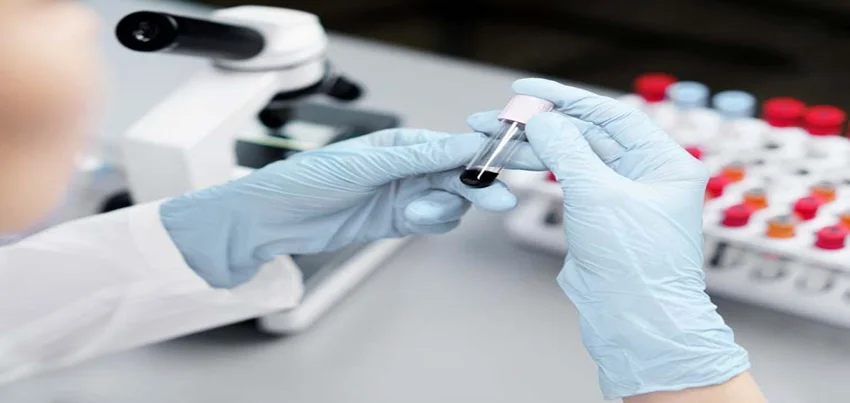
Bilirubin Test Bilirubin is a yellow pigment that is formed when red blood cells are broken down in the body. The bilirubin test is used to measure the level of bilirubin in the blood, which can help diagnose and monitor liver and blood disorders. Pre-test preparation:There is no specific preparation required for this test. Testing method:A blood sample is taken and sent to a laboratory for analysis. Common symptoms that may prompt a healthcare provider to prescribe a bilirubin test include: Jaundice (yellowing of the skin and whites of the eyes)Dark-colored urineLight-colored stools Itchy skinFatigueAbdominal pain Diagnosis:Elevated levels of bilirubin in the blood can be a sign of liver disease, such as cirrhosis, hepatitis, or biliary obstruction, or a blood disorder such as hemolytic anemia.Low levels of bilirubin in the blood are not common. Reference range:Normal values for bilirubin levels in the blood vary depending on the laboratory, but generally range from 0.3 to 1.2 milligrams per deciliter (mg/dL) for total bilirubin and 0.1 to 0.3 mg/dL for direct bilirubin. It’s important to note that the test results should be interpreted in the context of the patient’s clinical presentation and other test results. A single test result should not be used as the sole basis for diagnosis and treatment decisions. A qualified healthcare professional should interpret the test results and give you a proper diagnosis. Additionally, other liver function tests like AST, ALT, ALP, and BSBP should also be considered along with bilirubin test to get a better understanding of liver function.
Read More
Gram Stain Test The Gram stain test is a laboratory procedure used to identify and classify bacteria based on their cell wall structure. The test uses crystal violet dye, which is taken up by the cell walls of some bacteria, while others do not take it up. Pre-test preparation: No special preparation is needed for the Gram stain test. Testing method: A sample of bacteria is collected, usually from a patient’s infection site, and is placed on a microscope slide. Crystal violet dye is added to the sample, and then a decolorizing agent, such as alcohol or acetone, is applied. The slide is then rinsed with a counterstain, such as safranin, which stains any bacteria that did not take up the crystal violet dye. The slide is then examined under a microscope to identify and classify the bacteria. Common symptoms for prescribing this test: This test is commonly used to diagnose bacterial infections such as strep throat, pneumonia, and urinary tract infections. It is also used to identify bacteria that are resistant to certain antibiotics. Diagnosis: Based on the shape, size and color of the bacteria, the lab technician can determine if the bacteria are gram-positive or gram-negative. The gram-positive bacteria will appear purple, while the gram-negative bacteria will appear red. Reference range: Not applicable Normal values:Gram-positive bacteria: PurpleGram-negative bacteria: Red It is important to note that the Gram stain test is only a preliminary test and should be used in conjunction with other diagnostic tests to confirm a bacterial infection. Also, the results of the test should be considered along with the patient’s clinical presentation and other laboratory test results to arrive at an accurate diagnosis.
Read MoreTop rated products
-
 Full Body Health Checkup I
Original price was: ₹3,000.00.₹1,770.00Current price is: ₹1,770.00.
Full Body Health Checkup I
Original price was: ₹3,000.00.₹1,770.00Current price is: ₹1,770.00.
-
 MFG IND PACK III
Original price was: ₹3,900.00.₹2,145.00Current price is: ₹2,145.00.
MFG IND PACK III
Original price was: ₹3,900.00.₹2,145.00Current price is: ₹2,145.00.
-
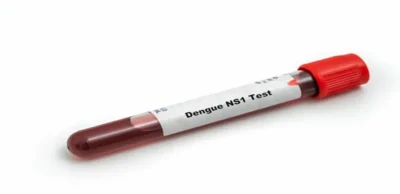 Dengue NS1 Antigen Test
₹900.00
Dengue NS1 Antigen Test
₹900.00
-
 Lipoprotein (A) Blood Test – Lp(a)
₹750.00
Lipoprotein (A) Blood Test – Lp(a)
₹750.00
-
 Healthy Life Advance Male
Original price was: ₹15,000.00.₹8,250.00Current price is: ₹8,250.00.
Healthy Life Advance Male
Original price was: ₹15,000.00.₹8,250.00Current price is: ₹8,250.00.