PrognoHealth – Corporate Health & Wellness Specialist

Fungal Culture Test A Fungal Culture test is a laboratory test used to detect the presence of fungal infections in the body. This test can be used to diagnose fungal infections in various parts of the body, such as the skin, nails, hair, and internal organs. Pre-test preparation: No specific preparation is needed before the test. However, if the test is being performed on a skin or nail sample, the area should be cleaned and dried prior to the test. Testing method: The test is typically performed on a sample of skin, nails, hair, or other body fluids such as blood, urine, or cerebrospinal fluid. The sample is collected in a sterile container and sent to a laboratory for testing. The laboratory will then use a variety of techniques, such as microscopy, to identify the presence of fungal cells in the sample. Common symptoms for prescribing this test: Symptoms of fungal infections can vary depending on the location of the infection. Common symptoms include itching, redness, scaling, or thickened skin, discoloration or disfigurement of nails, and hair loss. Diagnosis: A positive fungal culture test result indicates the presence of fungal cells in the sample, which confirms the presence of a fungal infection. However, it is not specific for a certain fungal species, it’s important to identify the specific type of fungus by additional testing like microscopic examination and/or molecular methods. Reference range: Not applicable Normal values: A negative fungal culture test result indicates that no fungal cells were found in the sample, and that a fungal infection is unlikely to be the cause of the symptoms. Medical Disclaimer: This information is intended for general knowledge only and is not a substitute for professional medical advice or treatment. Always seek the advice of your physician or other qualified healthcare providers with any questions you may have regarding a medical condition.
Read More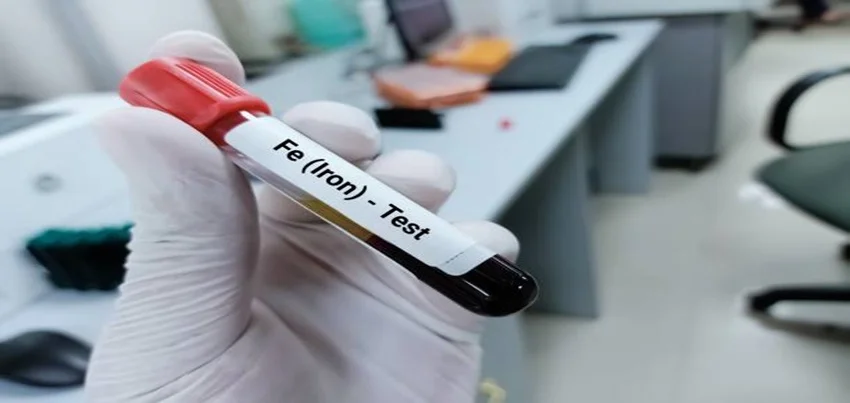
Iron Test Iron test is a laboratory test that measures the amount of iron in the blood. It is typically used to diagnose and monitor iron-deficiency anemia and other conditions related to iron metabolism. Pre-test preparation:The patient should fast for at least 8 hours prior to the test. Testing method:A blood sample is typically drawn from a vein in the arm.The sample is then sent to a laboratory for analysis. Common symptoms for prescribing this test: FatigueWeaknessPale skinShortness of breath DizzinessHeart palpitationsHeadaches Diagnosis:Iron-deficiency anemia is diagnosed when the test results show low levels of iron in the blood.Other conditions, such as hemochromatosis, may be diagnosed based on the test results and other clinical information. Reference range:The normal reference range for iron levels in the blood is typically between 60 and 170 micrograms per deciliter (mcg/dL) for adult men and between 50 and 170 mcg/dL for adult women. Normal values:Iron level of 60 to 170 mcg/dL is considered normalIron level below 60 mcg/dL is considered low and may indicate iron-deficiency anemia.It is important to consult with a doctor or healthcare professional for any questions or concerns regarding the this test or any other medical test
Read More
Alzheimer’s Disease Alzheimer’s disease is a progressive, degenerative disorder that affects the brain, leading to memory loss, difficulty with language, disorientation, mood swings, loss of motivation and impaired judgment. It is the most common cause of dementia, a general term for a decline in cognitive function severe enough to interfere with daily life. Symptoms of Alzheimer’s disease typically develop gradually and include memory loss, difficulty with language, disorientation, mood swings, loss of motivation and impaired judgment. As the disease progresses, individuals may also experience difficulty with daily activities such as bathing, dressing, and eating. To diagnose Alzheimer’s disease, a healthcare provider will typically perform a physical examination and take a medical history. They may also use diagnostic tools such as cognitive and neuropsychological tests, brain imaging scans, and laboratory tests to rule out other potential causes of cognitive decline. Health check up is a good way to identify the symptoms of Alzheimer’s disease and start the diagnosis process. It is important to schedule regular check-ups to monitor symptoms and progress. There is currently no cure for Alzheimer’s disease, but there are medications and therapies that can help to slow the progression of the disease and improve quality of life. These include cholinesterase inhibitors and memantine, which can help to improve memory and thinking, and non-pharmacologic therapies such as cognitive stimulation and physical exercise. Prevention methods for Alzheimer’s disease include maintaining a healthy lifestyle through a balanced diet and regular exercise. Studies have shown that a diet that is high in fruits, vegetables, and whole grains, and low in saturated fats may be beneficial. Regular physical activity can also help to reduce the risk of cognitive decline. Other risk reduction methods include mental and social stimulation, stress management, and managing and treating other health conditions such as hypertension, diabetes, and depression. It’s also important to have regular check-ups to monitor cognitive function, and if there is any sign of cognitive decline, seek professional advice. In conclusion, Alzheimer’s disease is a progressive, degenerative disorder that affects the brain, leading to memory loss, difficulty with language, disorientation, mood swings, loss of motivation and impaired judgment. Scheduling regular health check-ups is essential to identify the symptoms of Alzheimer’s disease and start the diagnosis process. There is currently no cure for Alzheimer’s disease, but there are medications and therapies that can help to slow the progression of the disease and improve quality of life. Maintaining a healthy lifestyle through a balanced diet and regular exercise, mental and social stimulation, stress management, and managing and treating other health conditions are recommended prevention methods.
Read More
Autism Autism, also known as autism spectrum disorder (ASD), is a neurodevelopmental disorder that affects communication, social interaction, and behavior. It is a spectrum disorder, meaning that it affects individuals differently and to varying degrees. Symptoms of autism typically appear in early childhood, and can include difficulty with social interaction, communication, and repetitive behaviors. Some children with autism may have difficulty making eye contact, have trouble understanding social cues, or have difficulty with language development. They may also engage in repetitive behaviors, such as rocking or flapping their hands, and have difficulty with changes in routine. To diagnose autism, a healthcare provider will typically perform a physical examination and take a medical history. They may also use diagnostic tools such as the Diagnostic and Statistical Manual of Mental Disorders (DSM-5) or the Autism Diagn Observation Schedule (ADOS) to assess the severity of symptoms and make a diagnosis. Health check up is a good way to identify the symptoms of autism and start the diagnosis process. It is important to schedule regular check-ups to monitor symptoms and progress. Common treatment options for autism include behavioral therapy, such as Applied Behavioral Analysis (ABA), speech therapy, and occupational therapy. Medications may also be used to treat symptoms such as anxiety, depression, and attention deficit hyperactivity disorder (ADHD). There is no known way to prevent autism, however, early intervention is essential for the best outcome for children with autism. Early diagnosis and treatment can help children with autism develop the skills they need to reach their full potential. There is no specific diet or exercise plan that has been shown to prevent autism, however, maintaining a healthy lifestyle through a balanced diet and regular exercise can promote overall health and well-being. In conclusion, autism is a neurodevelopmental disorder that affects communication, social interaction, and behavior. It is a spectrum disorder and affects individuals differently. Scheduling regular health check-ups can help to identify the symptoms of autism and start the diagnosis process. There is no known way to prevent autism, however, early intervention is essential for the best outcome for children with autism. A healthy diet and regular exercise can promote overall health and well-being.
Read More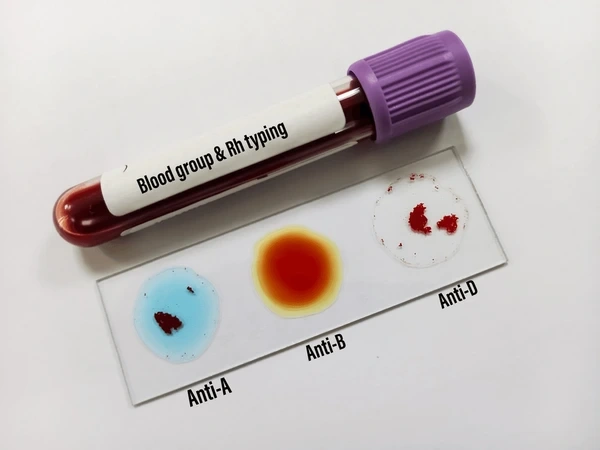
Blood Grouping And Rh Typing Blood grouping and Rh typing is a laboratory test used to determine a person’s blood type (A, B, AB, or O) and Rh factor (positive or negative). The test is often done before a blood transfusion or before a woman becomes pregnant to check for compatibility with the blood of the person receiving the blood or the fetus. Pre-test preparation: No special preparation is required for this test. Testing method: The test is typically done using a sample of blood from a vein in the arm. The blood is mixed with special reagents that cause a reaction if certain blood antigens are present. The results of the test are then read and interpreted by a laboratory technician. Common symptoms for prescribing this test: This test is typically ordered as part of a routine prenatal screening or before a blood transfusion. It may also be ordered if a person has a history of blood transfusions or if they have a certain medical condition that affects the blood. Diagnosis: The test results will indicate the person’s blood type and Rh factor. Reference range: The reference range for blood grouping and Rh typing will depend on the specific test being used. Normal values: A person’s blood type can be A, B, AB, or O, and their Rh factor can be positive or negative. It is important to note that a person can have a different blood type than their biological parents. It is important to consult with a doctor or healthcare professional for any questions or concerns regarding the Blood Type test or any other medical test
Read More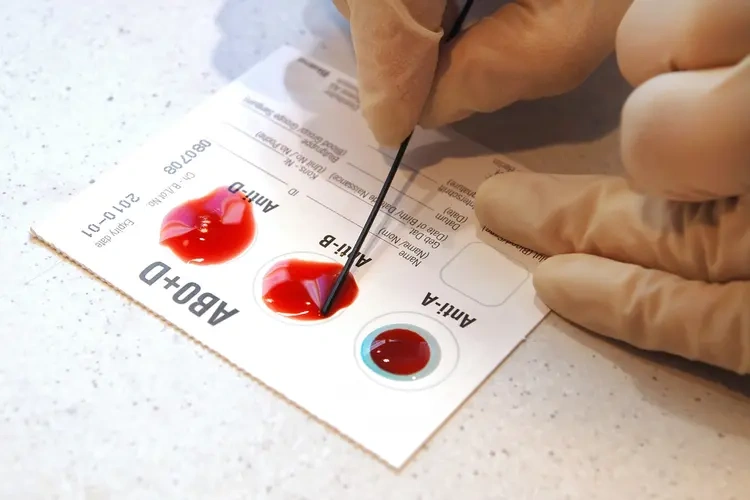
Blood grouping and Rh typing Test Blood grouping and Rh typing is a laboratory test used to determine a person’s blood type (A, B, AB, or O) and Rh factor (positive or negative). The test is often done before a blood transfusion or before a woman becomes pregnant to check for compatibility with the blood of the person receiving the blood or the fetus.Pre-test preparation: No special preparation is required for this test.Testing method: The test is typically done using a sample of blood from a vein in the arm. The blood is mixed with special reagents that cause a reaction if certain blood antigens are present. The results of the test are then read and interpreted by a laboratory technician.Common symptoms for prescribing this test: This test is typically ordered as part of a routine prenatal screening or before a blood transfusion. It may also be ordered if a person has a history of blood transfusions or if they have a certain medical condition that affects the blood.Diagnosis: The test results will indicate the person’s blood type and Rh factor.Reference range: The reference range for blood grouping and Rh typing will depend on the specific test being used.Normal values: A person’s blood type can be A, B, AB, or O, and their Rh factor can be positive or negative. It is important to note that a person can have a different blood type than their biological parents.It is important to consult with a doctor or healthcare professional for any questions or concerns regarding the Blood Type test or any other medical test
Read More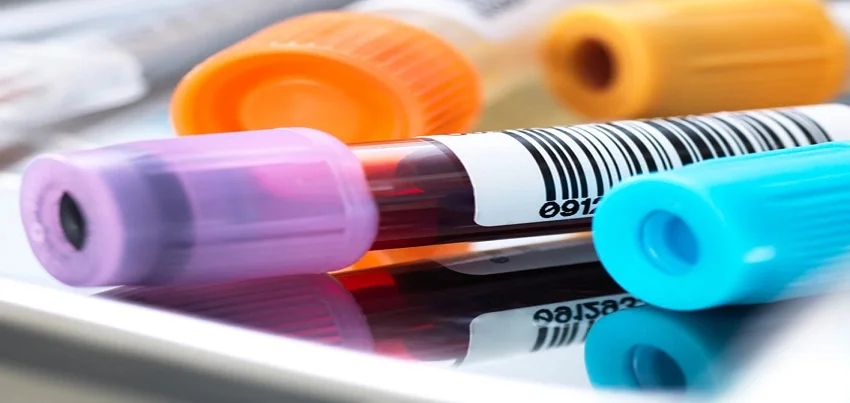
Adult Hemoglobin Electrophoresis (Hb-Elec) test is a laboratory test that separates different types of hemoglobin present in the blood by using an electric current.
Read More
Absolute Eosinophil Count (AEC) Test The Absolute Eosinophil Count (AEC) test is a blood test that measures the number of eosinophils, a type of white blood cell, in a person’s blood. Eosinophils are involved in the body’s immune response and are often elevated in certain diseases such as allergies, parasitic infections, and certain types of cancer. Pre-test preparation: No special preparation is usually required for this test. Testing method: A small sample of blood is taken from a vein in the arm using a needle and syringe. The blood sample is sent to a laboratory for analysis. Common Symptoms for prescribing this test: Itchy skin, rash, or hives Shortness of breath Swelling of the face, lips, tongue, or throat Persistent or recurring infections Abdominal pain Diarrhea Fatigue Unusual weight loss Diagnosis: The AEC test is often used to help diagnose conditions such as allergies, asthma, and parasitic infections. It can also be used to monitor the effectiveness of treatment for these conditions. Reference range: The reference range for AEC varies depending on the laboratory that performs the test. Typically, a normal AEC is between 150 and 450 eosinophils per microliter of blood. However, it is important to note that the reference range can vary depending on the lab that performed the test and the patient’s age, sex, and overall health. Normal values: AEC values between 150 and 450 eosinophils per microliter of blood are considered normal in most laboratories. It is important to consult with a doctor or healthcare professional for any questions or concerns regarding the AEC test or any other medical test.
Read More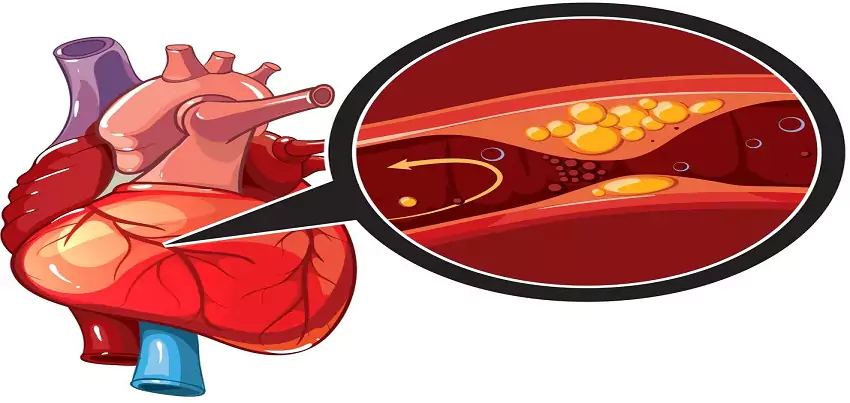
Coronary heart disease, also known as coronary artery disease, is a condition in which the blood vessels that supply oxygen and nutrients to the heart become narrowed or blocked. This can lead to chest pain, shortness of breath, and even heart attack.
Read More
Exposure Keratopathy Exposure keratopathy is a condition in which the cornea, the clear outer layer of the eye, becomes damaged due to exposure to the environment. This can be caused by a variety of factors, including dry eyes, eyelid malposition, or neurological conditions that affect the ability to close the eyelids properly. Symptoms of exposure keratopathy include dry, red, and irritated eyes, as well as pain and a gritty sensation. In severe cases, the cornea can become cloudy and vision may be affected. The diagnosis of exposure keratopathy begins with a comprehensive eye exam, including a visual acuity test, a measurement of the tear film, and a slit-lamp examination to examine the cornea. Additional testing may include a Schirmer test to measure the amount of tears produced, and a corneal stain test to look for signs of damage to the cornea. Common treatment methods for exposure keratopathy include the use of artificial tears to lubricate the eyes, ointments to protect the eyes at night, and the use of moisture-retaining goggles or eye patches to protect the eyes during the day. In severe cases, surgery may be necessary to reposition the eyelids or to repair damage to the cornea. To prevent exposure keratopathy, it is important to maintain good eye hygiene, such as regularly cleaning the eyelids and lashes and avoiding exposure to irritants such as smoke and wind. Using a humidifier in dry environments can also help to keep the eyes lubricated. In addition to good eye hygiene, lifestyle changes, such as diet and exercise, can also help to prevent exposure keratopathy. Eating a diet rich in vitamins A, C, and E, as well as omega-3 fatty acids, can help to support eye health. Regular exercise can also help to improve circulation, which can provide the eyes with the necessary oxygen and nutrients to function properly. Annual health check-ups are also important in preventing exposure keratopathy. During these check-ups, a healthcare provider can check for any risk factors or early signs of the condition and provide appropriate recommendations or treatment. Finally, Corporate health & wellness programs can play an important role in preventing exposure keratopathy by providing employees with access to education and resources about eye health, as well as opportunities for regular eye exams and check-ups. This can help ensure that individuals who are at risk of exposure keratopathy receive the care and support they need to prevent this condition. In conclusion, Exposure keratopathy is a condition in which the cornea becomes damaged due to exposure to the environment. Symptoms include dry, red, and irritated eyes, as well as pain and a gritty sensation. The diagnosis typically begins with a comprehensive eye exam, and treatment methods include artificial tears, ointments, moisture-retaining goggles or eye patches, and in severe cases, surgery. To prevent exposure keratopathy, maintaining good eye hygiene, a healthy diet, exercise, annual health check-ups, and corporate health & wellness programs are all important steps.
Read MoreTop rated products
-
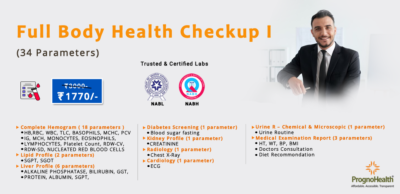 Full Body Health Checkup I
Original price was: ₹3,000.00.₹1,770.00Current price is: ₹1,770.00.
Full Body Health Checkup I
Original price was: ₹3,000.00.₹1,770.00Current price is: ₹1,770.00.
-
 MFG IND PACK III
Original price was: ₹3,900.00.₹2,145.00Current price is: ₹2,145.00.
MFG IND PACK III
Original price was: ₹3,900.00.₹2,145.00Current price is: ₹2,145.00.
-
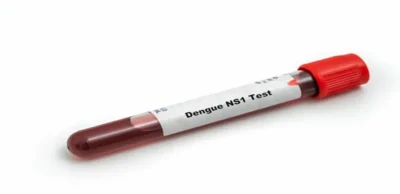 Dengue NS1 Antigen Test
₹900.00
Dengue NS1 Antigen Test
₹900.00
-
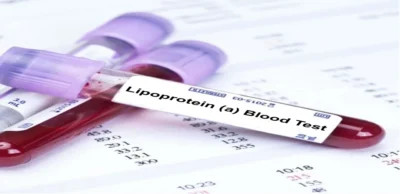 Lipoprotein (A) Blood Test – Lp(a)
₹750.00
Lipoprotein (A) Blood Test – Lp(a)
₹750.00
-
 Healthy Life Advance Male
Original price was: ₹15,000.00.₹8,250.00Current price is: ₹8,250.00.
Healthy Life Advance Male
Original price was: ₹15,000.00.₹8,250.00Current price is: ₹8,250.00.