PrognoHealth – Corporate Health & Wellness Specialist


Food poisoning is a common ailment that occurs when an individual ingests food or drink that is contaminated with harmful bacteria, viruses, or toxins. It can cause a range of symptoms, including nausea, vomiting, diarrhea, stomach cramps, and fever.
Read More
Gaming disorder, also known as internet gaming disorder or video game addiction, is a condition characterized by persistent and recurrent problematic behavior related to video game use.
Read More
Diphtheria Diphtheria is a highly contagious bacterial infection that mainly affects the respiratory system, but can also affect other parts of the body. The bacteria that causes diphtheria, Corynebacterium diphtheriae, produces a toxin that can cause severe damage to the airway, heart, and nerves. Symptoms of diphtheria typically begin 2-5 days after exposure and can include a sore throat, fever, and swollen lymph nodes in the neck. A thick, gray membrane may also form in the back of the throat, which can make it difficult to breathe or swallow. In some cases, diphtheria can also cause a skin infection that leads to the formation of a large, painful sore. The diagnosis of diphtheria is typically made through a physical examination and laboratory tests such as a culture of the throat or skin lesion. Blood tests may also be done to check for the presence of antibodies to the diphtheria toxin. Treatment for diphtheria typically involves the use of antibiotics to clear the infection, as well as antitoxins to neutralize the diphtheria toxin. In severe cases, hospitalization may be necessary to provide supportive care such as respiratory support and fluids. The best way to prevent diphtheria is through vaccination. The diphtheria, tetanus, and pertussis (DTaP) vaccine is given as a series of five shots to children starting at 2 months of age, with a booster shot given between ages 4-6 years old, and every 10 years after that. Annual health check-ups can be important for individuals at risk for diphtheria, as they can help to identify any early signs of the infection and allow for early intervention and treatment. Corporate health & wellness programs can also play an important role in preventing diphtheria by promoting vaccination and providing access to preventive care and health screenings. Diet and exercise do not play a role in preventing diphtheria. However, maintaining a healthy diet and regular exercise can have many benefits for overall health and may help to improve the overall immune system function. In conclusion, Diphtheria is a highly contagious bacterial infection that mainly affects the respiratory system and can also affect other parts of the body. The best way to prevent diphtheria is through vaccination, The diphtheria, tetanus, and pertussis (DTaP) vaccine, which is given as a series of five shots to children starting at 2 months of age, with a booster shot given between ages 4-6 years old, and every 10 years after that. Annual health check-ups and corporate health & wellness programs can play an important role in preventing diph
Read More
Diarrhea Diarrhea is a common condition characterized by frequent and loose bowel movements. It can be caused by a variety of factors, including viral or bacterial infections, food poisoning, or the use of certain medications. Symptoms of diarrhea include frequent bowel movements, abdominal cramps and pain, bloating, and the passing of watery or loose stools. In severe cases, diarrhea can also lead to dehydration, which can cause symptoms such as dry mouth, dark urine, and fatigue. Diagnosis of diarrhea typically involves a physical examination and the collection of a stool sample for analysis. The stool sample is examined for the presence of blood, bacteria, or parasites, which can help to identify the underlying cause of the diarrhea. In some cases, additional tests such as blood tests or imaging studies may also be performed to further evaluate the condition. Common treatment methods for diarrhea include the use of over-the-counter medications such as bismuth subsalicylate (Pepto-Bismol) and loperamide (Imodium) to reduce the frequency of bowel movements and control diarrhea symptoms. In cases of severe diarrhea or dehydration, the patient may be given fluids and electrolytes through an IV to help rehydrate the body. Antibiotics may also be prescribed if the diarrhea is caused by a bacterial infection. To prevent diarrhea from occurring, individuals should take steps to maintain good hygiene, including washing their hands frequently and properly preparing food. They should also be mindful of the foods they eat, avoiding raw or undercooked meats, and any food that may have been contaminated. In addition to these preventative measures, diet and exercise can also play a role in preventing diarrhea. Eating a balanced diet that is rich in fruits, vegetables, and fiber can help to promote regular bowel movements and reduce the risk of diarrhea. Regular physical activity can also help to improve overall health and reduce the risk of diarrhea. Annual health check-ups can also be an effective way to detect and prevent diarrhea. During these check-ups, individuals can discuss any symptoms they may be experiencing with their doctor and have a stool sample analyzed. Corporate health and wellness programs can also be implemented in the workplace to promote healthy habits and prevent the development of diarrhea among employees. In conclusion, diarrhea is a common condition characterized by frequent and loose bowel movements. It can be caused by a variety of factors and can lead to symptoms such as abdominal cramps, bloating, and dehydration. Diagnosis typically involves a physical examination and the collection of a stool sample for analysis. Common treatment methods include over-the-counter medications, fluids and electrolytes, and antibiotics. To prevent diarrhea from occurring, individuals should maintain good hygiene, be mindful of the foods they eat and exercise regularly. Annual health check-ups and corporate health and wellness programs can also be effective in preventing diarrhea.
Read More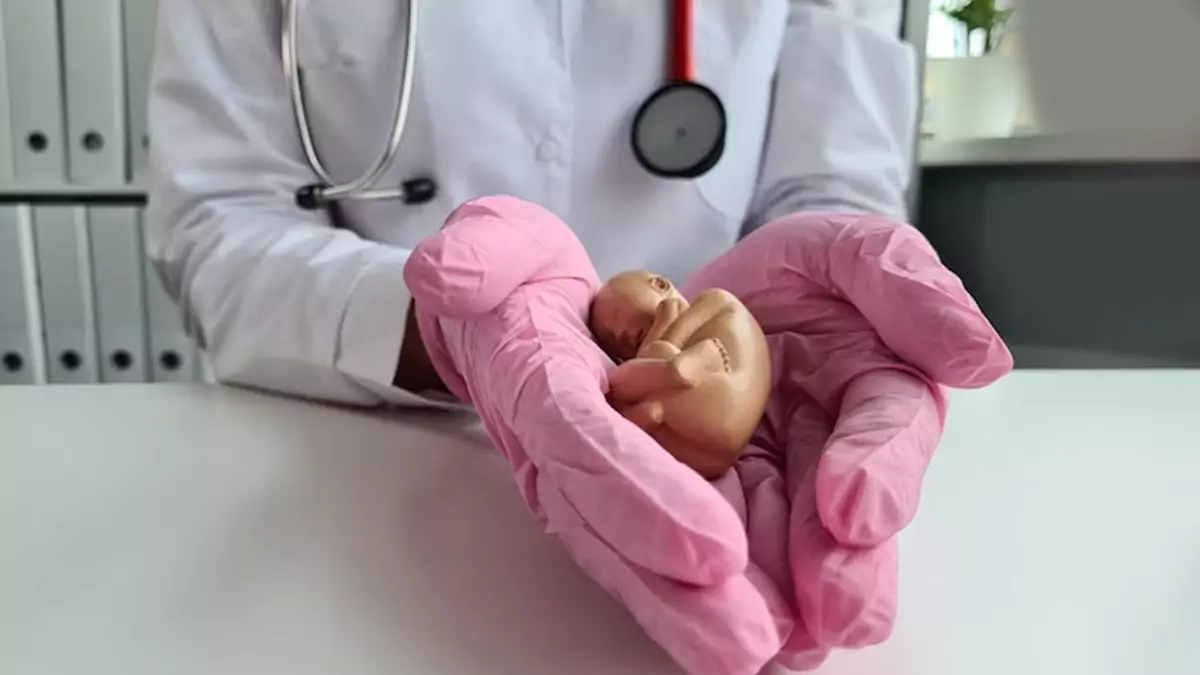
Congenital Anomalies Congenital anomalies, also known as birth defects, are structural or functional abnormalities present at birth that can affect various systems of the body. These anomalies can range from minor physical abnormalities to life-threatening conditions and can occur due to a combination of genetic and environmental factors. Symptoms of congenital anomalies vary depending on the type and severity of the defect. Some common symptoms include abnormal physical characteristics, difficulty with movement or coordination, difficulty with feeding or breathing, and developmental delays. Diagnosis of congenital anomalies is typically made during pregnancy through prenatal testing such as ultrasound, amniocentesis, or chorionic villus sampling. After birth, a physical examination and various imaging tests such as X-rays or MRI can be used to confirm the diagnosis. Treatment for congenital anomalies varies depending on the specific condition and can include surgery, medication, physical therapy, and other therapies. Some birth defects may require multiple surgeries and ongoing treatment throughout a person’s life. Preventing congenital anomalies involves understanding the risk factors and taking steps to reduce exposure to potential causes. This can include controlling infectious diseases, managing chronic health conditions, avoiding certain medications during pregnancy, and maintaining a healthy lifestyle. Annual health check-ups can be a valuable tool in preventing congenital anomalies. These check-ups can identify potential health risks and allow for early intervention and management of chronic health conditions. Corporate health and wellness programs can also play a role in preventing congenital anomalies by promoting healthy lifestyle choices and providing access to preventative care. A healthy diet and regular exercise are also important in preventing congenital anomalies. Eating a diet rich in fruits, vegetables, and whole grains, and low in processed foods can help reduce the risk of certain birth defects. Regular exercise can also help maintain a healthy weight, improve overall health, and reduce the risk of certain congenital anomalies. In conclusion, congenital anomalies are structural or functional abnormalities present at birth that can affect various systems of the body. These anomalies can range from minor physical abnormalities to life-threatening conditions and can occur due to a combination of genetic and environmental factors. While some birth defects may not be preventable, there are steps that can be taken to reduce the risk, such as controlling infectious diseases, managing chronic health conditions, avoiding certain medications during pregnancy, and maintaining a healthy lifestyle. Annual health check-ups, corporate health and wellness programs, a healthy diet and regular exercise are also important in preventing congenital anomalies.
Read More
Childhood exotropia Childhood exotropia is a type of strabismus, or misalignment of the eyes, in which one eye turns outward. It is a relatively common condition that affects about 2-4% of children. Children with exotropia may have difficulty with depth perception and may experience double vision. Symptoms of childhood exotropia can vary depending on the severity of the condition and the age of the child. Common symptoms include crossing or turning out of one eye, difficulty with depth perception, double vision, and headaches. Children may also have difficulty with fine motor skills such as writing and drawing, and may have trouble with reading and sports. To diagnose childhood exotropia, a comprehensive eye examination is typically performed. This may include a visual acuity test, which measures the child’s ability to see clearly at various distances, and a visual field test, which measures the child’s peripheral vision. The doctor may also perform a cover test, in which the child’s eyes are covered one at a time to check for misalignment. Treatment for childhood exotropia will depend on the severity of the condition and the age of the child. In some cases, glasses or contact lenses may be prescribed to help the child see more clearly. In other cases, surgery may be recommended to correct the misalignment. To prevent childhood exotropia from occurring, it is important to have regular eye exams, especially during childhood. Annual health check-ups can help to identify any vision problems early on, and corporate health and wellness programs can help to promote healthy habits and reduce the risk of eye problems. Diet and exercise can also play a role in preventing childhood exotropia. A healthy diet that is rich in fruits, vegetables, and whole grains can help to promote good vision and reduce the risk of eye problems. Regular exercise can also help to improve overall health and reduce the risk of chronic conditions such as obesity, which can increase the risk of exotropia. In summary, Childhood exotropia is a type of strabismus where one eye turns outward and it is relatively common affecting 2-4% of children. Symptoms include crossing or turning out of one eye, difficulty with depth perception, double vision, and headaches, difficulty with fine motor skills and trouble with reading and sports. To diagnose childhood exotropia, a comprehensive eye examination is typically performed. Treatment for childhood exotropia will depend on the severity of the condition and the age of the child. To prevent childhood exotropia from occurring, it is important to have regular eye exams, especially during childhood, and corporate health and wellness programs can help to promote healthy habits and reduce the risk of eye problems. Diet and exercise can also play a role in preventing childhood exotropia by promoting good vision and reducing the risk of eye problems.
Read More
Carpal Tunnel Syndrome (CTS) is a common condition that affects the hand and wrist. It is caused by the compression of the median nerve, which runs through a narrow passage in the wrist called the carpal tunnel.
Read More
Dengue fever Dengue fever is a viral illness transmitted by the bite of an infected mosquito. It is common in tropical and subtropical regions and can cause severe flu-like symptoms. The symptoms of dengue fever can vary in severity, but common symptoms include fever, headache, muscle and joint pain, fatigue, and a rash. In severe cases, dengue fever can lead to dengue hemorrhagic fever, which can be fatal. Diagnosis of dengue fever is typically made based on the individual’s symptoms and a physical examination. Blood tests, such as a complete blood count (CBC) and a platelet count, may also be performed to help confirm the diagnosis. In some cases, a viral culture or a PCR test may also be done to detect the presence of the dengue virus in the individual’s blood. Treatment for dengue fever primarily involves relieving symptoms and providing supportive care. This may include the use of pain relievers, such as acetaminophen, to reduce fever and muscle pain. Drinking plenty of fluids is also important to help prevent dehydration. In severe cases, hospitalization may be required, and the individual may need to receive fluids and blood transfusions. Preventing dengue fever involves taking steps to avoid mosquito bites. This may include wearing long-sleeved shirts and pants, using mosquito repellent, and staying indoors during times when mosquitoes are most active, typically early in the morning and at dusk. Additionally, it’s important to eliminate standing water around your home, as mosquitoes breed in stagnant water. Diet and exercise can also play a role in preventing dengue fever. Eating a balanced diet that is rich in fruits, vegetables, and lean protein can help to boost the immune system and reduce the risk of infection. Regular physical activity can also help to improve overall health and reduce the risk of developing dengue fever. Annual health check-ups can also be an effective way to detect and prevent dengue fever. During these check-ups, individuals can discuss any symptoms they may be experiencing with their doctor and have a blood test to detect the presence of the dengue virus. Corporate health and wellness programs can also be implemented in the workplace to promote healthy habits and prevent the development of dengue fever among employees. In conclusion, Dengue fever is a viral illness transmitted by the bite of an infected mosquito. It is common in tropical and subtropical regions and can cause severe flu-like symptoms. The symptoms of dengue fever can vary in severity, but common symptoms include fever, headache, muscle and joint pain, fatigue, and a rash. Treatment for dengue fever primarily involves relieving symptoms and providing supportive care. Preventing dengue fever involves taking steps to avoid mosquito bites, eliminating standing water, eating a balanced diet, regular physical activity and annual health check-ups. Corporate health and wellness programs can also be effective in preventing dengue fever among employees.
Read More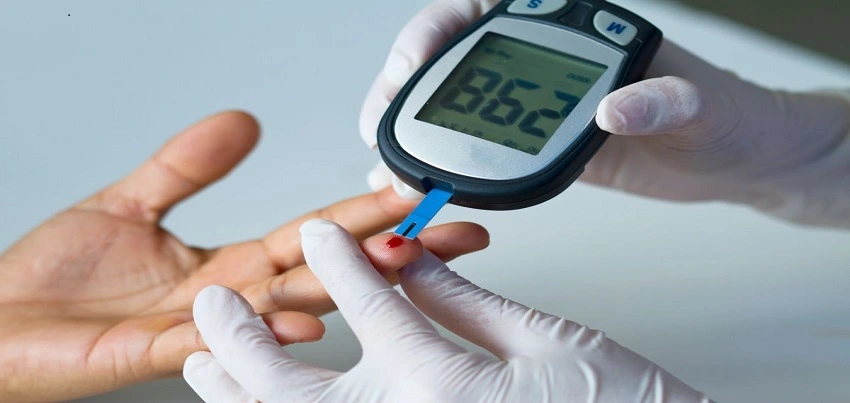
Diabetes Mellitus is a chronic medical condition in which the body is unable to properly regulate blood sugar levels. This can occur due to a lack of insulin production or a decrease in the body’s ability to respond to insulin.
Read More
Computer Vision Syndrome (CVS) Computer Vision Syndrome (CVS) is a condition that affects individuals who spend a significant amount of time using electronic devices such as computers, smartphones, and tablets. The symptoms of CVS include eye strain, headaches, blurred vision, dry eyes, and neck and shoulder pain. Diagnosis of CVS is typically done through a comprehensive eye exam, including visual acuity tests, eye movement tests, and tests for focusing and depth perception. Additionally, doctors may also assess a patient’s work environment and habits to determine if they are contributing to the development of CVS. Common treatment methods for CVS include the use of artificial tears to lubricate the eyes, the prescription of computer glasses with specialized lenses, and the use of computer software that can reduce glare and improve contrast on screens. In some cases, doctors may also recommend taking frequent breaks, adjusting the lighting in the work environment, and performing eye exercises to reduce symptoms. To prevent CVS from occurring, individuals should be mindful of their screen time and take regular breaks throughout the day. Additionally, they should also make sure to maintain good posture while working and use an ergonomic chair and keyboard. In addition to these preventative measures, diet and exercise can also play a role in preventing CVS. Eating a balanced diet that is rich in fruits and vegetables, and getting regular physical activity can help to improve overall health and reduce the risk of developing CVS. Annual health check-ups can also be an effective way to detect and prevent CVS. During these check-ups, individuals can have their eyes examined and discuss any symptoms they may be experiencing with their doctor. Corporate health and wellness programs can also be implemented in the workplace to promote healthy habits and prevent the development of CVS among employees. In conclusion, Computer Vision Syndrome is a common condition that affects individuals who spend a lot of time using electronic devices. It can cause symptoms such as eye strain, headaches, and blurred vision. Diagnosis is typically done through a comprehensive eye exam, and treatment methods include the use of artificial tears, computer glasses, and computer software. To prevent CVS from occurring, individuals should be mindful of their screen time, take regular breaks, maintain good posture, and eat a balanced diet and exercise regularly. Annual health check-ups and corporate health and wellness programs can also be effective in preventing CVS.
Read MoreTop rated products
-
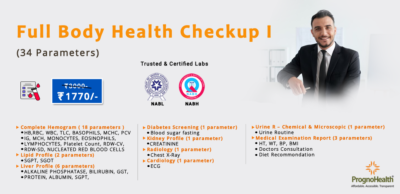 Full Body Health Checkup I
Original price was: ₹3,000.00.₹1,770.00Current price is: ₹1,770.00.
Full Body Health Checkup I
Original price was: ₹3,000.00.₹1,770.00Current price is: ₹1,770.00.
-
 MFG IND PACK III
Original price was: ₹3,900.00.₹2,145.00Current price is: ₹2,145.00.
MFG IND PACK III
Original price was: ₹3,900.00.₹2,145.00Current price is: ₹2,145.00.
-
 Dengue NS1 Antigen Test
₹900.00
Dengue NS1 Antigen Test
₹900.00
-
 Lipoprotein (A) Blood Test – Lp(a)
₹750.00
Lipoprotein (A) Blood Test – Lp(a)
₹750.00
-
 Healthy Life Advance Male
Original price was: ₹15,000.00.₹8,250.00Current price is: ₹8,250.00.
Healthy Life Advance Male
Original price was: ₹15,000.00.₹8,250.00Current price is: ₹8,250.00.