PrognoHealth – Corporate Health & Wellness Specialist


World AIDS DAY Hands Up For HIV Prevention AIDS ( Acquired Immune Deficiency Syndrome ) Is A Deadly Disease Caused By The Human Immunodeficiency Virus (HIV),…
Read More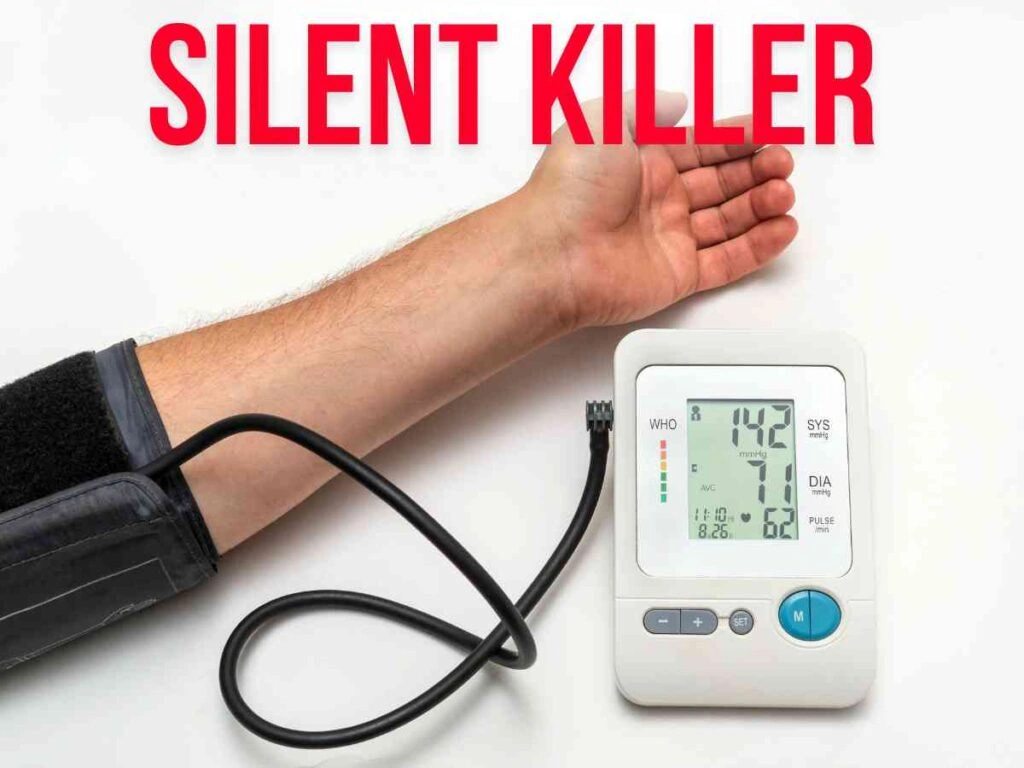
High Blood Pressure – The Silent Killer Blood Pressure refers to the pressure of the blood on the inner walls of the arteries. A person’s blood pressure is defined by two measurements – systolic (the pressure in the arteries produced when the heart contracts at the time of a heartbeat) and diastolic (the pressure in the arteries during relaxation of the heart between heartbeats).A normal blood pressure reading should be 120/80. However, a single high reading does not indicate hypertension. The doctor usually advises repeat testing after a week or so, before confirming a diagnosis of hypertension.High blood pressure is called a ‘silent killer’ because it has no signs and symptoms even when it reaches extreme levels.High sodium said to be the major cause of high blood pressure. The WHO recommends a salt intake of 5 gms per day. While regular food may be prepared with the right amount of salt, it is other items like bakery products, pickles, chutneys, papad, non-alcoholic beverages, and canned food that contribute to the “extra” consumption. Avoid salt in salads and fruits. Tips to control and prevent high blood pressure o Reduce the amount of salt in your diet. Note the amount of salt present In the processed foods you eat, especially packaged foods. o Lose weight, if you are overweight or obese. Regular physical activity can help lower blood pressure and keep your weight under control. o Avoid alcohol, it can raise your blood pressure, o Stop smoking and use of tobacco. Tobacco injures the blood vessel walls and speeds up the process of hardening of the arteries. o Increase the consumption of fruits and vegetables. Get plenty of potassium, which can help prevent and control high blood pressure. o Reduce oil, fat, and excess calorie consumption. o Manage stress as much as possible. Practice healthy coping techniques such as yoga, meditation, or deep breathing. o Monitor the blood pressure regularly to help control it. o Take medication for high blood pressure regularly (as advised by the doctor). Understanding High Blood Pressure: Causes, Symptoms, and Treatments High BP Symptoms High blood pressure is often referred to as a “silent killer” because it usually has no obvious symptoms until it has caused significant damage to the heart and arteries. However, some people may experience high blood pressure symptoms such as headaches, shortness of breath, nosebleeds, and dizziness. These symptoms are not specific and usually occur once hypertension has reached a severe or life-threatening stage. Hypertension and Its Impact Hypertension is categorized into two types: primary (essential) hypertension and secondary hypertension. Primary hypertension develops gradually over many years and has no identifiable cause. Secondary hypertension is caused by an underlying condition such as kidney disease, hormonal disorders, or certain medications. The effects of high blood pressure can be severe, leading to heart attack, stroke, aneurysm, heart failure, weakened blood vessels in the kidneys, and vision loss. Causes of High Blood Pressure The causes of high blood pressure can be multifactorial. Key factors include genetics, age, gender (men are more likely to develop hypertension before the age of 55, while women are more likely after 55), and lifestyle choices. Specific reasons for high blood pressure include high salt intake, lack of physical activity, obesity, excessive alcohol consumption, stress, and smoking. Additionally, causes of sudden high blood pressure may be linked to acute stress, kidney disease, adrenal gland tumors, and thyroid problems. High Blood Pressure Symptoms in Women and Pregnancy Women may experience unique high blood pressure symptoms, especially during pregnancy. High blood pressure in pregnancy, also known as gestational hypertension, can lead to preeclampsia, a serious condition that can harm both the mother and the baby. Symptoms of preeclampsia include severe headaches, changes in vision, upper abdominal pain, and swelling in the hands and face. Pregnant women should monitor their blood pressure regularly and seek immediate medical attention if they notice any signs of high blood pressure. High Blood Pressure in Young Adults High blood pressure in young adults is increasingly common due to lifestyle factors such as poor diet, lack of exercise, and stress. Causes of high blood pressure in young adults include genetic predisposition, obesity, high sodium intake, and sedentary behavior. Early detection and intervention are crucial to prevent long-term health complications. High Blood Pressure Range and Signs Blood pressure readings are measured in millimeters of mercury (mm Hg) and include two numbers: systolic pressure (the pressure when the heart beats) and diastolic pressure (the pressure when the heart rests between beats). A normal blood pressure reading is below 120/80 mm Hg. Hypertension is diagnosed when readings consistently exceed 130/80 mm Hg. Signs and symptoms of high blood pressure can be subtle but may include chest pain, irregular heartbeat, and fatigue. Diagnosis and Tests for High Blood Pressure Diagnosing high blood pressure, or hypertension, involves a combination of measuring blood pressure levels, assessing medical history, and conducting various tests to determine underlying causes and assess potential damage to organs. Blood Pressure Measurement The primary method for diagnosing high blood pressure is through blood pressure measurement using a sphygmomanometer. Blood pressure readings are taken in millimeters of mercury (mm Hg) and recorded as two numbers: systolic pressure (the pressure when the heart beats) over diastolic pressure (the pressure when the heart rests between beats). A consistent reading of 130/80 mm Hg or higher indicates hypertension. Ambulatory Blood Pressure Monitoring Ambulatory blood pressure monitoring (ABPM) involves wearing a device that measures blood pressure at regular intervals over 24 hours. This method provides a comprehensive view of blood pressure fluctuations throughout the day and night, helping to rule out white-coat hypertension (elevated readings in a clinical setting but not in everyday life). Home Blood Pressure Monitoring Home blood pressure monitoring allows individuals to track their blood pressure regularly in a comfortable setting. This method can provide more accurate readings and help monitor the effectiveness of treatment plans. Medical History and Physical Examination A thorough medical history and physical examination are essential for diagnosing high blood pressure.
Read More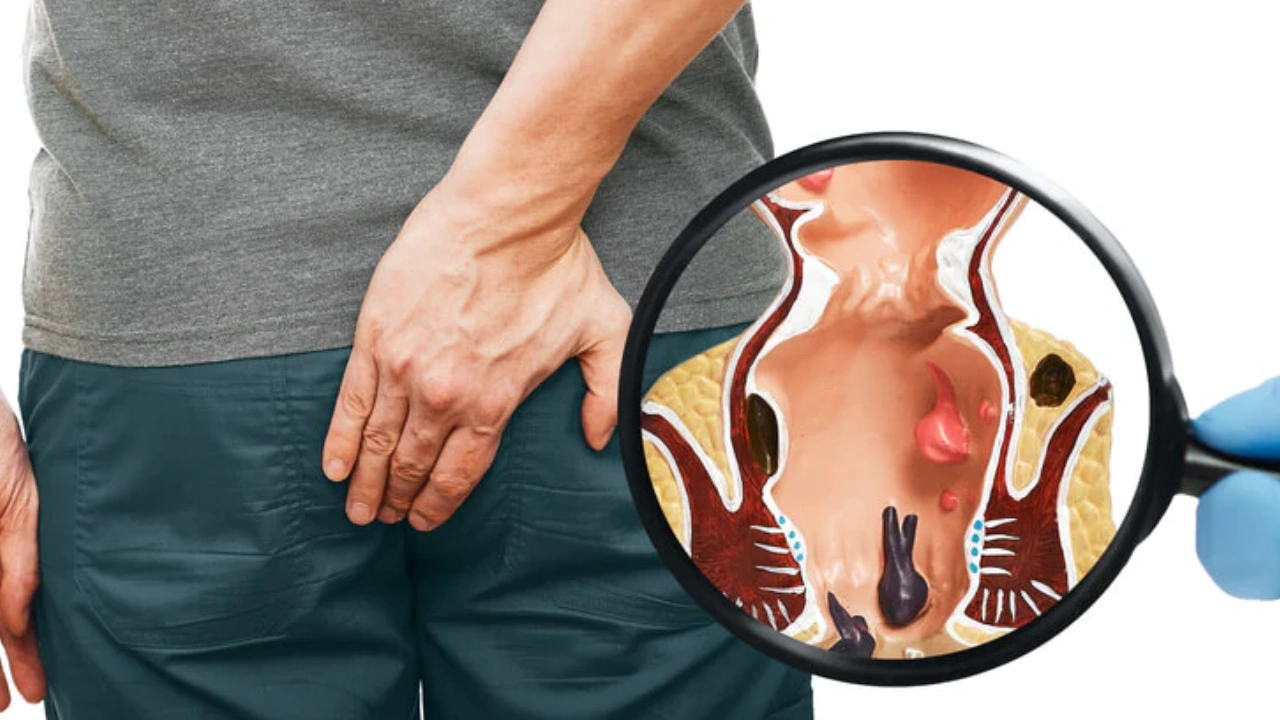
Hemorrhoids Hemorrhoids Or Piles Are Swollen And Inflamed Veins In The Anus And Lower Rectum. This Occurs When The Veins In And Around The Anus and the lower rectum stretch and swell due to pressure.
Read More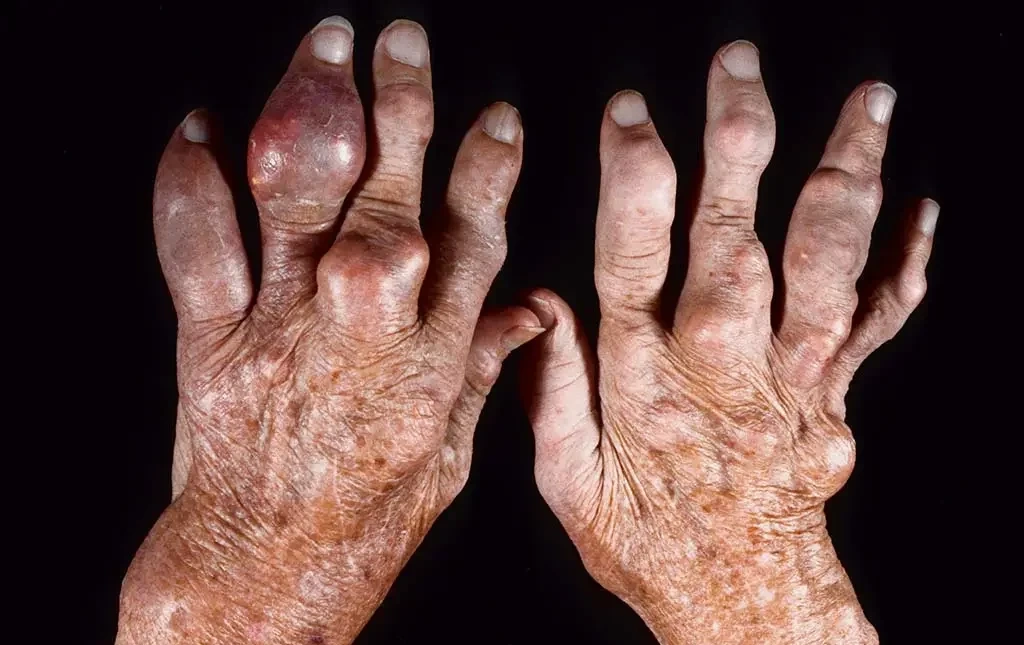
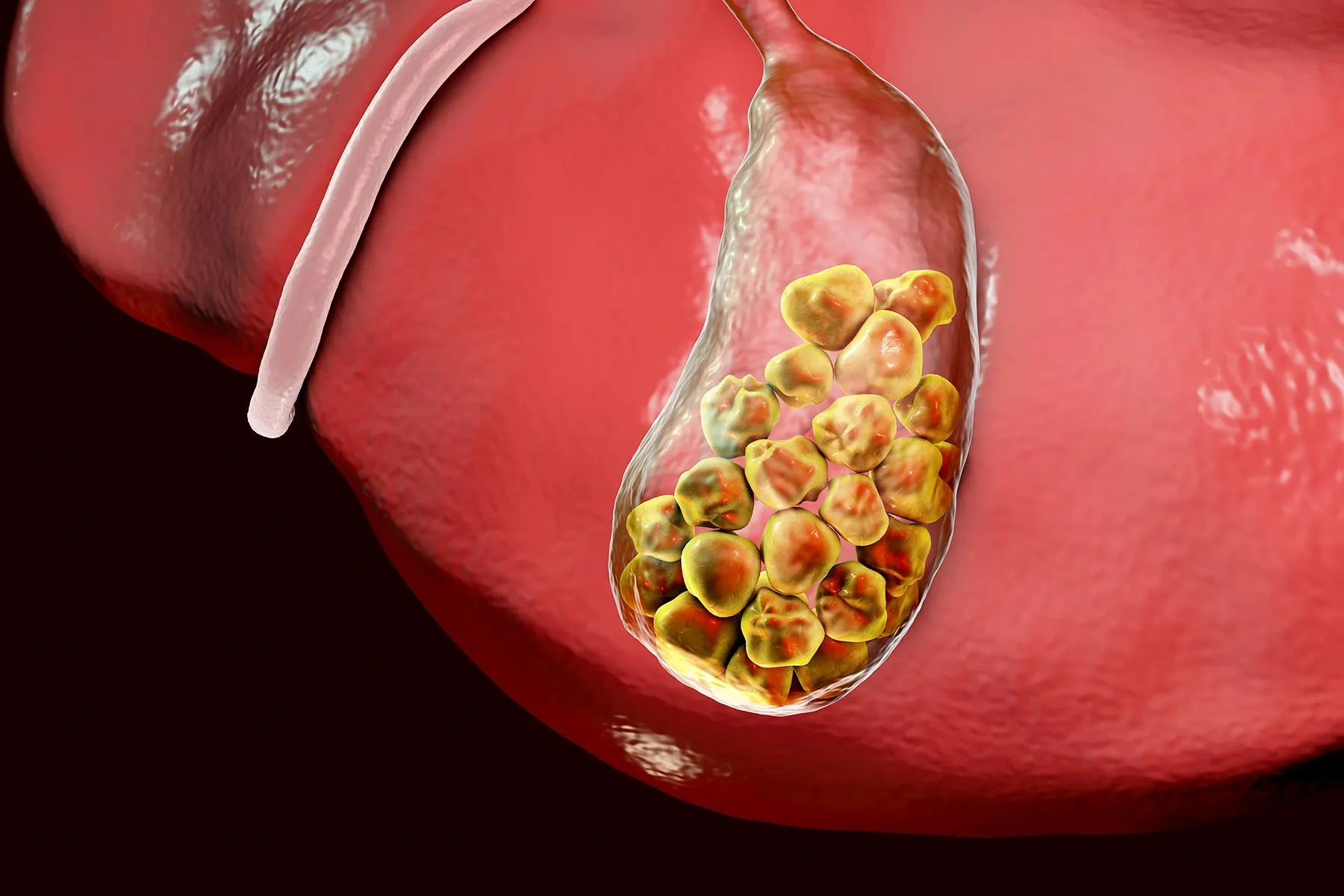
Gallstones One Of The Most Common Emergency Cases In Hospitals Are Patients With Abdominal Pain Due To Gallstones. The Gallbladder Is A Small, Pouch-Like…
Read More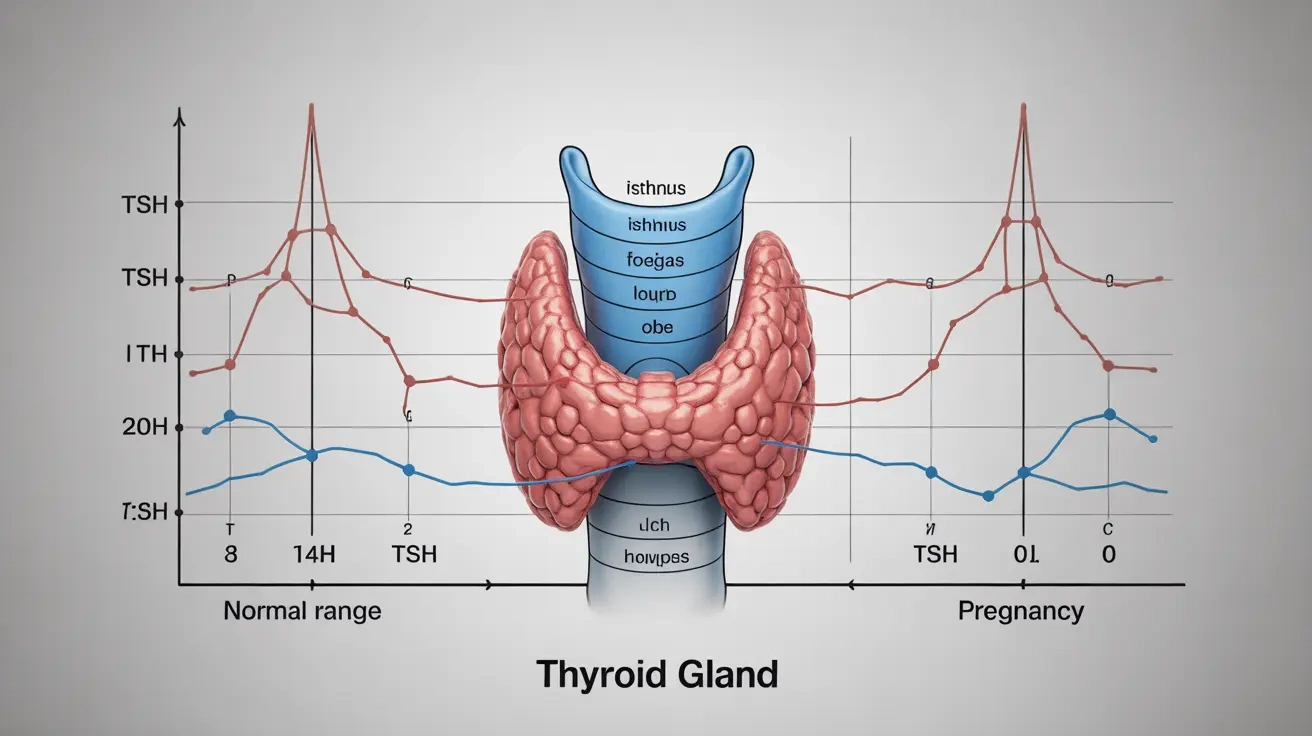
For Healthy Thyroid Levels Do You Know, It Is Estimated That One In Eight Women Is Likely To Develop A Thyroid Disorder? Weight Loss, Fatigue, Irritability, Depression, Hair…
Read More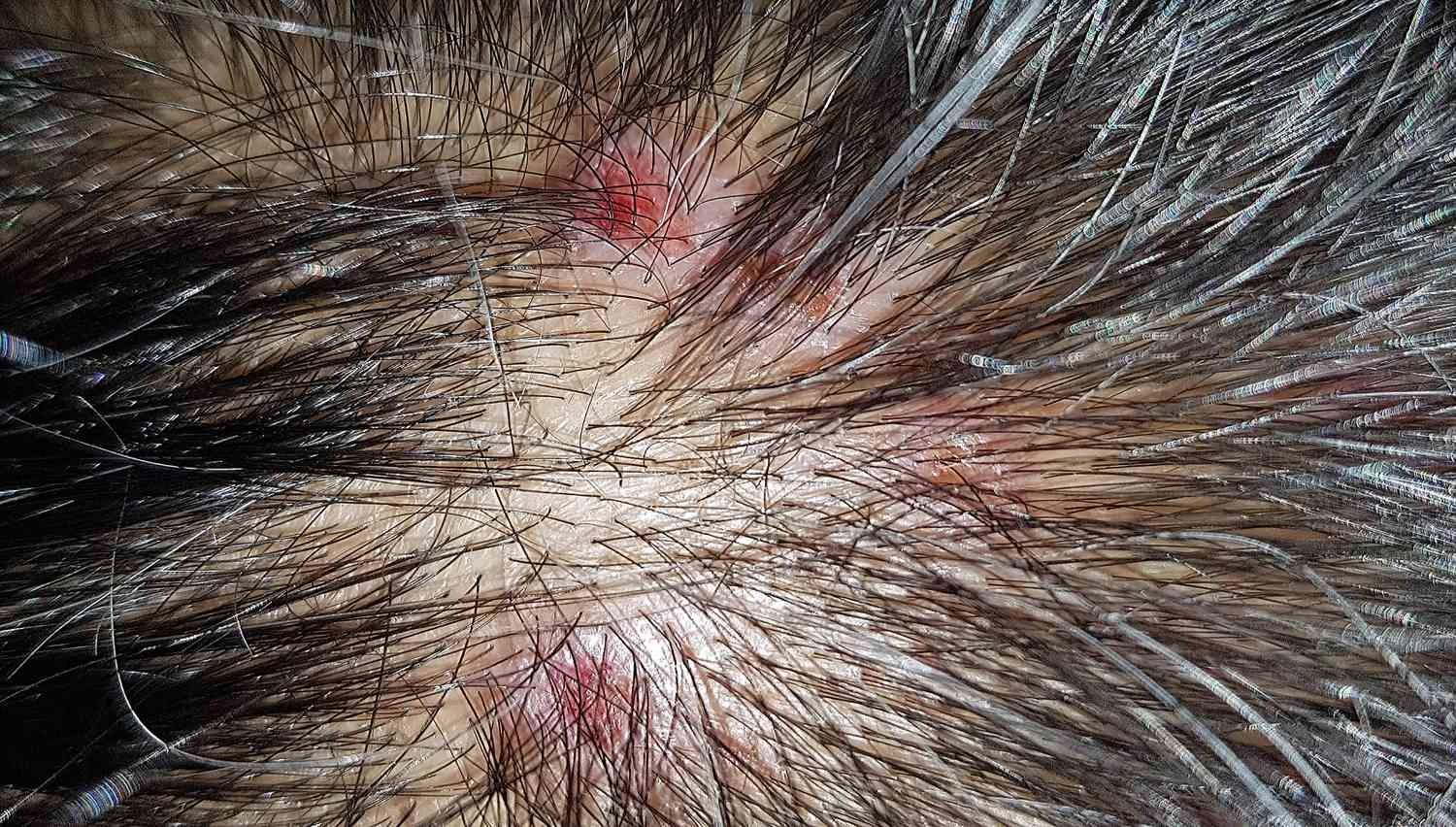
Folliculitis Folliculitis is an inflammation of one or more hair follicles in which tiny pus-filled spots develop at the base of a hair. It’s usually caused by a bacterial or fungal infection The infection can spread and turn into non-healing, crusty sores.Folliculitis can occur anywhere on the skin and is a common problem, usually not serious. It generally occurs at sites where hair follicles are damaged by friction or shaving or where there is a blockage of the follicle. Excess sweating can be another cause. Sometimes a specific face cream can trigger it. Folliculitis most commonly occurs in the beard area of males. Other common sites are the arms, legs, armpits, and buttocks. Symptoms • Clusters of small red bumps or white-headed pimples that develop around the hair follicles.• Pus-filled blisters that break open and crust over• Red and inflamed skin• Itchy or burning skin Basic self-care measures • Apply a warm cloth or compress. If required moisten the compress with a saltwater solution.• Clean the affected skin and gently wash twice a day. Use a clean cloth and towel each time.• Avoid wearing tight clothes to reduce friction between the skin and clothing• While shaving use an electric razor or a clean, sharp blade each time, wash the skin with warm water, and apply lotion afterwards.• Avoid sharing towels and other personal items. Use a clean towel each time you bathe.• Avoid applying oil on the skin. Oil can trap bacteria in the pores of the skin and can cause folliculitis. Consult the doctor if the condition is widespread or the signs and symptoms don’t go away after a few days.
Read More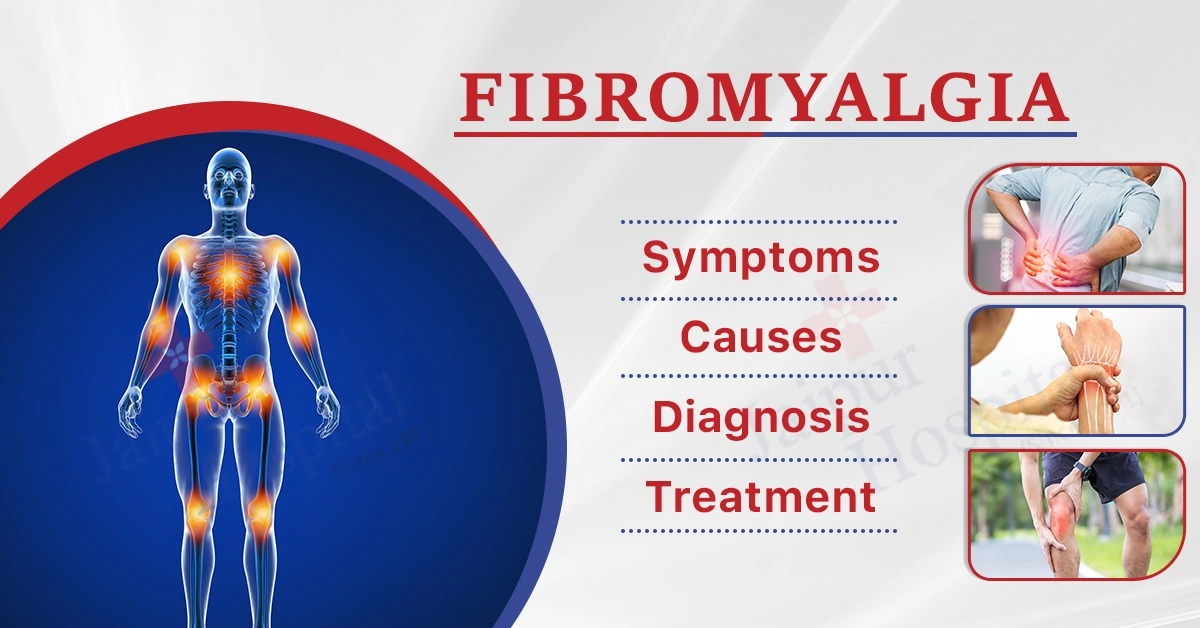
Fibromyalgia Fibromyalgia Is A Chronic Condition That Affects The Whole Body. It Is Characterized By Pain & Stiffness In The Muscles, But It Is but it is usually not measurable…
Read More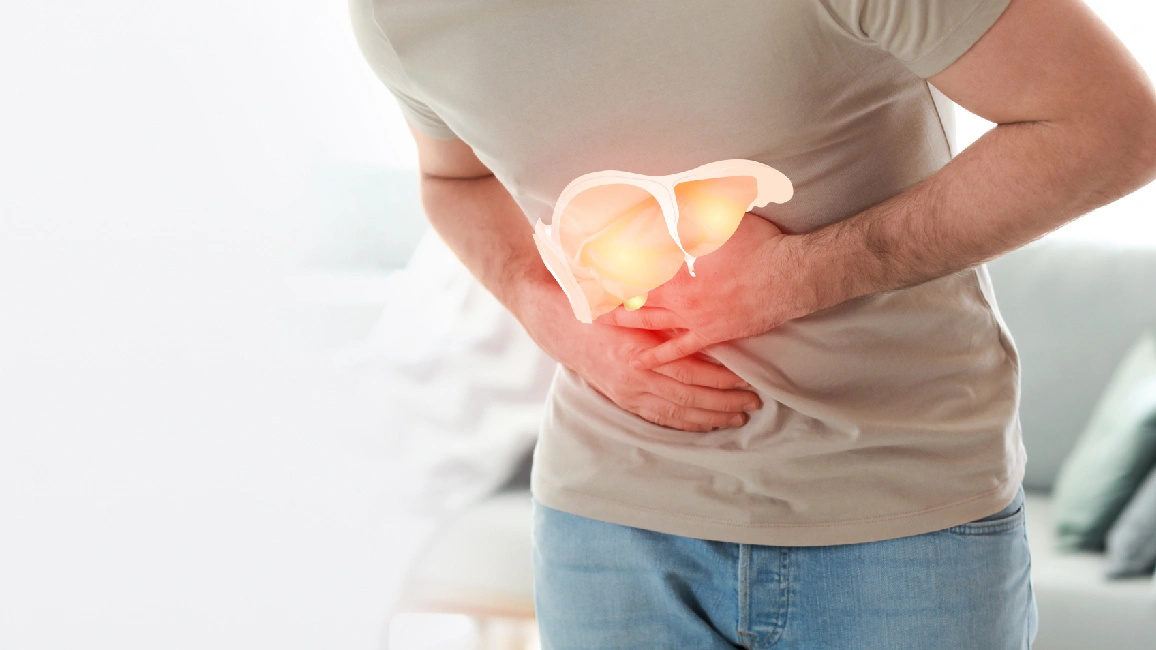
Fatty liver or steatosis refers to the build-up of fat in the liver. Having some fat in the liver is normal when fat is more than 5-10%, it is called fatty liver disease. fatty liver disease.
Fatty liver disease occurs when the liver has trouble breaking down fats
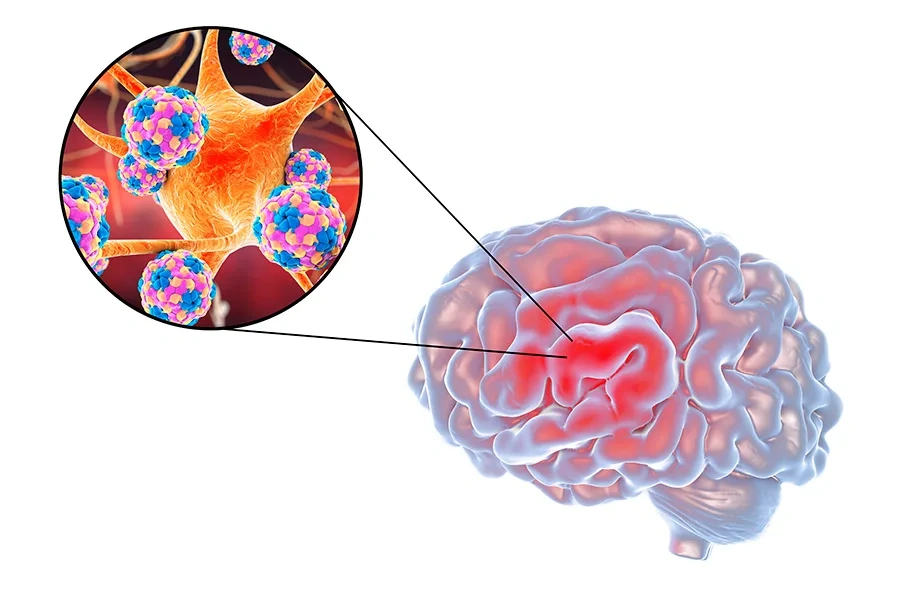
Encephalitis Encephalitis Is Inflammation Of The Brain, Caused By A Viral Infection Or When The Body’s Own Immune System Mistakenly Attacks The Brain…
Read MoreTop rated products
-
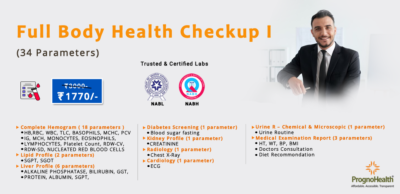 Full Body Health Checkup I
Original price was: ₹3,000.00.₹1,770.00Current price is: ₹1,770.00.
Full Body Health Checkup I
Original price was: ₹3,000.00.₹1,770.00Current price is: ₹1,770.00.
-
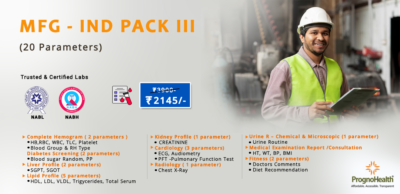 MFG IND PACK III
Original price was: ₹3,900.00.₹2,145.00Current price is: ₹2,145.00.
MFG IND PACK III
Original price was: ₹3,900.00.₹2,145.00Current price is: ₹2,145.00.
-
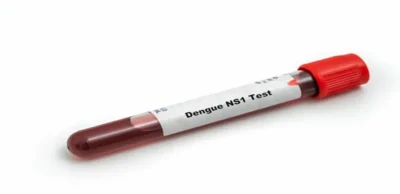 Dengue NS1 Antigen Test
₹900.00
Dengue NS1 Antigen Test
₹900.00
-
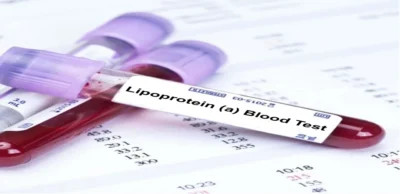 Lipoprotein (A) Blood Test – Lp(a)
₹750.00
Lipoprotein (A) Blood Test – Lp(a)
₹750.00
-
 Healthy Life Advance Male
Original price was: ₹15,000.00.₹8,250.00Current price is: ₹8,250.00.
Healthy Life Advance Male
Original price was: ₹15,000.00.₹8,250.00Current price is: ₹8,250.00.