PrognoHealth – Corporate Health & Wellness Specialist


Cancer is a disease that occurs when abnormal cells in the body grow and divide uncontrollably. There are many different types of cancer, each with their own set of symptoms and risk factors. Some common types of cancer include breast cancer, lung cancer, prostate cancer, and colon cancer.
Read More
Back Pain Back pain is a common condition that affects a significant portion of the population. It can be caused by a variety of factors, including injury, disease, poor posture, and muscle strain. In this article, we will discuss the symptoms of back pain, tests for diagnosis, common treatment methods, and ways to prevent it from occurring. Additionally, we will discuss the importance of diet and exercise in maintaining a healthy back through corporate health and wellness programs. Symptoms of back pain can vary depending on the cause of the pain, but common symptoms include a dull or sharp pain in the lower or upper back, stiffness, and difficulty standing or sitting for long periods. In some cases, back pain may also be accompanied by muscle weakness, numbness, or tingling in the legs or feet. Diagnosis of back pain typically begins with a physical examination, during which a doctor may assess your posture, range of motion, and muscle strength. Additional tests, such as x-rays, MRI or CT scans, may also be used to evaluate the spine and surrounding structures. Common treatment methods for back pain include physical therapy, pain medication, and in some cases, surgery. Physical therapy can help to strengthen the muscles that support the spine, improve posture and reduce pain. Medications such as non-steroidal anti-inflammatory drugs (NSAIDs) and muscle relaxants may also be prescribed to alleviate pain. Surgery is usually a last resort and only recommended if the pain is caused by a specific condition such as a herniated disc, or if other treatments haven’t been successful. Medications such as non-steroidal anti-inflammatory drugs (NSAIDs) and muscle relaxants may also be prescribed to alleviate pain. Surgery is usually a last resort and only recommended if the pain is caused by a specific condition such as a herniated disc, or if other treatments haven’t been successful. Prevention of back pain can include maintaining a healthy weight, practising good posture, and engaging in regular physical activity. Corporate health and wellness programs can also play a role in preventing back pain by promoting healthy lifestyle choices, providing education on proper body mechanics and ergonomics, and offering regular health screenings and check-ups. Diet and exercise are also important in maintaining a healthy back. Eating a diet rich in fruits and vegetables, and lean protein, can help to support the muscles and bones of the back. Regular exercise can also help to improve strength, flexibility and reduce the risk of injury. In particular, exercises such as yoga, Pilates, and core-strengthening exercises can be beneficial to keep the back healthy. In terms of corporate health and wellness, promoting healthy habits such as regular exercise, providing healthy food options in the workplace, and organizing activities like sports teams or fitness challenges can help prevent back pain and other musculoskeletal injuries. In conclusion, back pain is a common condition that can cause significant discomfort and impact daily activities. Through preventative measures such as maintaining a healthy weight, practising good posture, and participating in corporate health and wellness programs, individuals can take steps to reduce their risk of developing back pain. If you’re experiencing symptoms of back pain, it’s important to seek medical attention as soon as possible for proper diagnosis and treatment.
Read More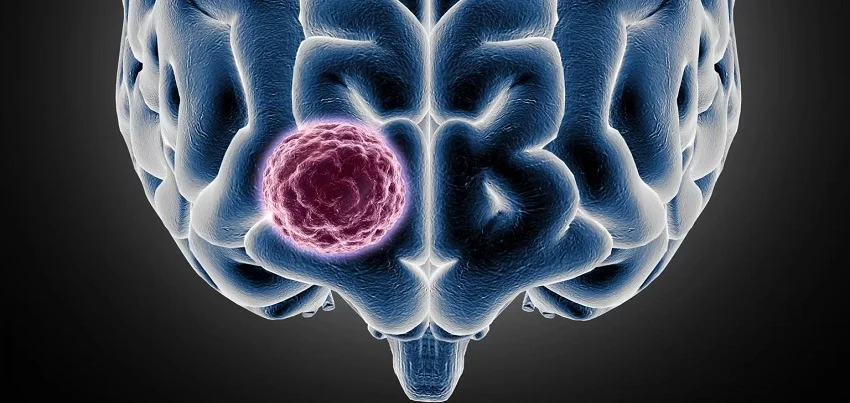
Brain tumours Brain tumors are abnormal growths of cells within the brain or on its surface. They can be benign (non-cancerous) or malignant (cancerous) and can occur in any part of the brain or spinal cord. Brain tumors can cause a wide range of symptoms depending on the size, location, and type of tumor. Symptoms of brain tumors can include:Headaches, which are often worse in the morningNausea and vomitingSeizuresVision problems, such as double vision or blurred visionSpeech difficultiesWeakness or numbness in the arms or legsPersonality or behavior changesDrowsiness or fatigue To diagnose a brain tumor, a doctor may perform a physical exam, a neurological exam, and imaging tests such as a CT scan or MRI. A biopsy may also be done to confirm the diagnosis and determine the type of tumor. Common treatment methods for brain tumors include surgery, radiation therapy, and chemotherapy. The type of treatment will depend on the size, location, and type of tumor, as well as the patient’s overall health. To prevent brain tumors from occurring, it is important to reduce exposure to risk factors such as radiation and certain chemicals. Eating a healthy diet and getting regular exercise can also help to reduce the risk of developing a brain tumor. Corporate health and wellness programs can also play a role in preventing brain tumors by offering regular health check-ups and promoting healthy habits among employees. These programs may include on-site fitness classes, health screenings, and educational workshops on topics such as cancer prevention and healthy living. A healthy diet for brain tumor prevention should include a variety of fruits and vegetables, whole grains, lean proteins, and healthy fats. It is also important to limit processed foods, sugary drinks, and alcohol. Exercise, such as brisk walking or cycling, for at least 30 minutes a day is also recommended for brain tumor prevention. In summary, brain tumors are abnormal growths of cells within the brain. Symptoms can vary widely depending on the location and type of tumor. Diagnosis typically involves a physical exam, neurological exam, and imaging tests. Treatment may include surgery, radiation therapy, and chemotherapy. To reduce the risk of brain tumors, it is important to reduce exposure to risk factors, eat a healthy diet, exercise regularly and get regular health check-ups through corporate health and wellness programs.
Read More
Anthrax Anthrax is a rare but serious bacterial infection caused by the spore-forming bacterium Bacillus anthracis. The infection can occur in three forms: cutaneous, inhalational, and gastrointestinal. Cutaneous anthrax is the most common form and occurs when the spores come into contact with a break in the skin. Inhalational anthrax occurs when the spores are inhaled, and gastrointestinal anthrax occurs when the spores are ingested. Symptoms of anthrax can vary depending on the form of the infection, but common symptoms include fever, fatigue, and muscle aches. In the case of cutaneous anthrax, a painless, raised bump that resembles an insect bite may appear, which then develops into a painful, black scab. In the case of inhalational anthrax, symptoms may include difficulty breathing, chest pain, and a cough. Gastrointestinal anthrax may cause abdominal pain, nausea, vomiting, and diarrhea. To diagnose anthrax, a healthcare provider will typically perform a physical examination and take a medical history. They may also order diagnostic tests such as blood tests, culture, and PCR (polymerase chain reaction) to confirm the diagnosis. Health check up is a good way to identify the symptoms of anthrax and start the diagnosis process. It is important to schedule regular check-ups to monitor symptoms and progress. Treatment for anthrax typically involves the use of antibiotics such as ciprofloxacin, doxycycline, or penicillin. Treatment should be started as soon as possible, as anthrax can be fatal if left untreated. Prevention methods for anthrax include vaccinations and avoiding contact with infected animals or contaminated animal products. If you work in an occupation that has a higher risk of exposure to anthrax, such as farming, it’s important to take precautions and be aware of the signs and symptoms of the infection. A healthy diet and regular exercise may also help to boost overall health and improve the immune system’s ability to fight off infection. In conclusion, Anthrax is a rare but serious bacterial infection caused spore-forming bacterium Bacillus anthracis. Scheduling regular health check-up is important to prevent the disease.
Read More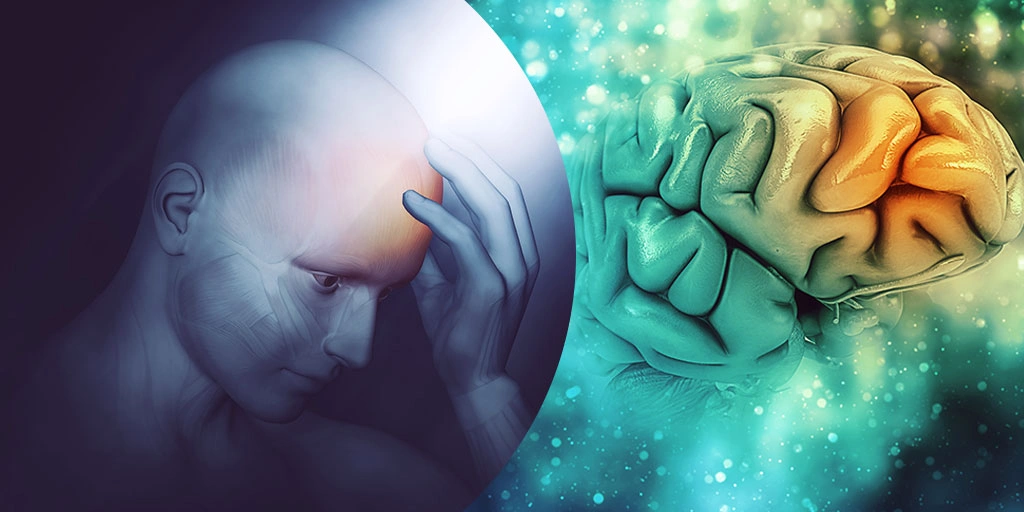
Alzheimer’s disease is a progressive, degenerative disorder that affects the brain, leading to memory loss, difficulty with language, disorientation, mood swings, loss of motivation and impaired judgment.
Read More
Autism Autism, also known as autism spectrum disorder (ASD), is a neuro developmental disorder that affects communication, social interaction, and behavior. It is a spectrum disorder, meaning that it affects individuals differently and to varying degrees.Symptoms of autism typically appear in early childhood, and can include difficulty with social interaction, communication, and repetitive behaviors. Some children with autism may have difficulty making eye contact, have trouble understanding social cues, or have difficulty with language development. They may also engage in repetitive behaviors, such as rocking or flapping their hands, and have difficulty with changes in routine.To diagnose autism, a healthcare provider will typically perform a physical examination and take a medical history. They may also use diagnostic tools such as the Diagnostic and Statistical Manual of Mental Disorders (DSM-5) or the Autism Diagn Observation Schedule (ADOS) to assess the severity of symptoms and make a diagnosis.Health check up is a good way to identify the symptoms of autism and start the diagnosis process. It is important to schedule regular check-ups to monitor symptoms and progress.Common treatment options for autism include behavioral therapy, such as Applied Behavioral Analysis (ABA), speech therapy, and occupational therapy. Medications may also be used to treat symptoms such as anxiety, depression, and attention deficit hyperactivity disorder (ADHD).There is no known way to prevent autism, however, early intervention is essential for the best outcome for children with autism. Early diagnosis and treatment can help children with autism develop the skills they need to reach their full potential.There is no specific diet or exercise plan that has been shown to prevent autism, however, maintaining a healthy lifestyle through a balanced diet and regular exercise can promote overall health and well-being.In conclusion, autism is a neuro developmental disorder that affects communication, social interaction, and behavior. It is a spectrum disorder and affects individuals differently. Scheduling regular health check-ups can help to identify the symptoms of autism and start the diagnosis process. There is no known way to prevent autism, however, early intervention is essential for the best outcome for children with autism. A healthy diet and regular exercise can promote overall health and well-being.
Read More
Bursitis is an inflammation of the bursa. The bursa is a sac filled with fluid under the skin, which acts as a cushion between the tendons and the bones. Bursitis occurs when the bursa becomes inflamed. The most common areas where bursitis occurs are the shoulders, elbows, and hip
Read More
What Is Vitamin Deficiency Anemia? Vitamin Deficiency Anemia Is A Condition In Which The Body Does Not Have Sufficient Healthy Red Blood Cells. Red Blood Cells Provide Oxygen
Read More
Calcium is the most vital and abundant mineral found in the human body. It is essential for the health of the bones and teeth, and normal heart rhythm, it is also required
Read More
Are you taking enough Vitamin D? If you are not exposed to the sun much, are allergic to milk, or are a strict vegetarian, you may be at risk of vitamin D deficiency. Known as the sunshine vitamin, vitamin D is produced by the body in response to sunlight. It also occurs naturally in foods such as fish, fish liver oils, and egg yolks, and fortified dairy and grain products. Vitamin D is essential for strong bones. Its deficiency can cause rickets, leading to soft bones and skeletal deformities. Increasingly, research shows the importance of vitamin D in protecting the body against a host of health problems. Symptoms of bone pain and muscle weakness could indicate vitamin D deficiency. Here are some sources of vitamin D: • Milk – an excellent source; a single glass gives you up to a quarter of the recommended dosage. • Fish – contains one-fourth of a day’s vitamin D dosage raw fish contains even more vitamin D. • Cereals are fortified with vitamin D, but check the nutritional information on the carton. • Egg yolk is high in vitamin D, but It is advisable to have the whole egg. • Orange juice is commonly fortified with the sunshine vitamin and one glass a day is highly recommended. • Mushrooms have a significant amount of vitamin D1 the amount varies according to its type. • Cod liver oil has been a popular supplement for years and contains very high levels of vitamin A and vitamin D. Eat a varied diet and get some sun ( about 20 minutes early in the morning, unfiltered by sunscreen ) to get your daily dose of vitamin D.
Read MoreTop rated products
-
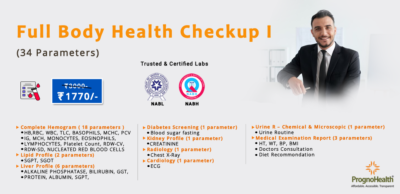 Full Body Health Checkup I
Original price was: ₹3,000.00.₹1,770.00Current price is: ₹1,770.00.
Full Body Health Checkup I
Original price was: ₹3,000.00.₹1,770.00Current price is: ₹1,770.00.
-
 MFG IND PACK III
Original price was: ₹3,900.00.₹2,145.00Current price is: ₹2,145.00.
MFG IND PACK III
Original price was: ₹3,900.00.₹2,145.00Current price is: ₹2,145.00.
-
 Dengue NS1 Antigen Test
₹900.00
Dengue NS1 Antigen Test
₹900.00
-
 Lipoprotein (A) Blood Test – Lp(a)
₹750.00
Lipoprotein (A) Blood Test – Lp(a)
₹750.00
-
 Healthy Life Advance Male
Original price was: ₹15,000.00.₹8,250.00Current price is: ₹8,250.00.
Healthy Life Advance Male
Original price was: ₹15,000.00.₹8,250.00Current price is: ₹8,250.00.