PrognoHealth – Corporate Health & Wellness Specialist


World AIDS DAY Hands Up For HIV Prevention AIDS ( Acquired Immune Deficiency Syndrome ) Is A Deadly Disease Caused By The Human Immunodeficiency Virus (HIV),…
Read More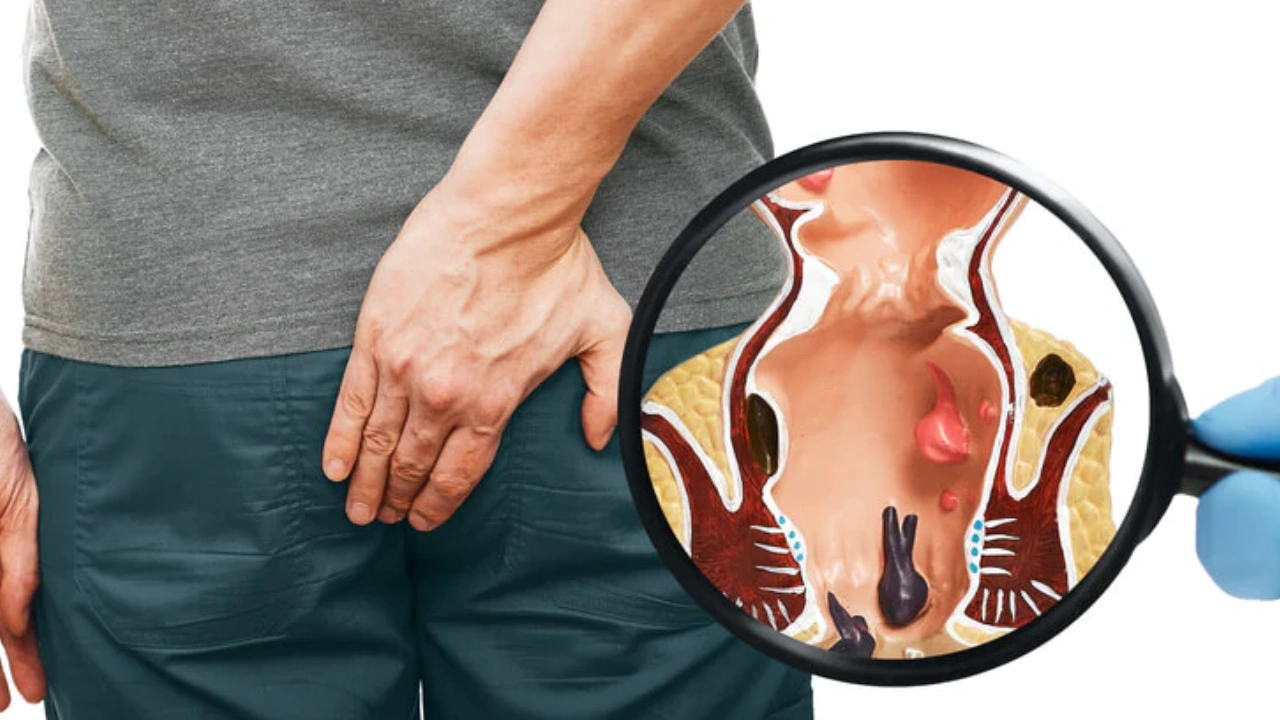
Hemorrhoids Hemorrhoids Or Piles Are Swollen And Inflamed Veins In The Anus And Lower Rectum. This Occurs When The Veins In And Around The Anus and the lower rectum stretch and swell due to pressure.
Read More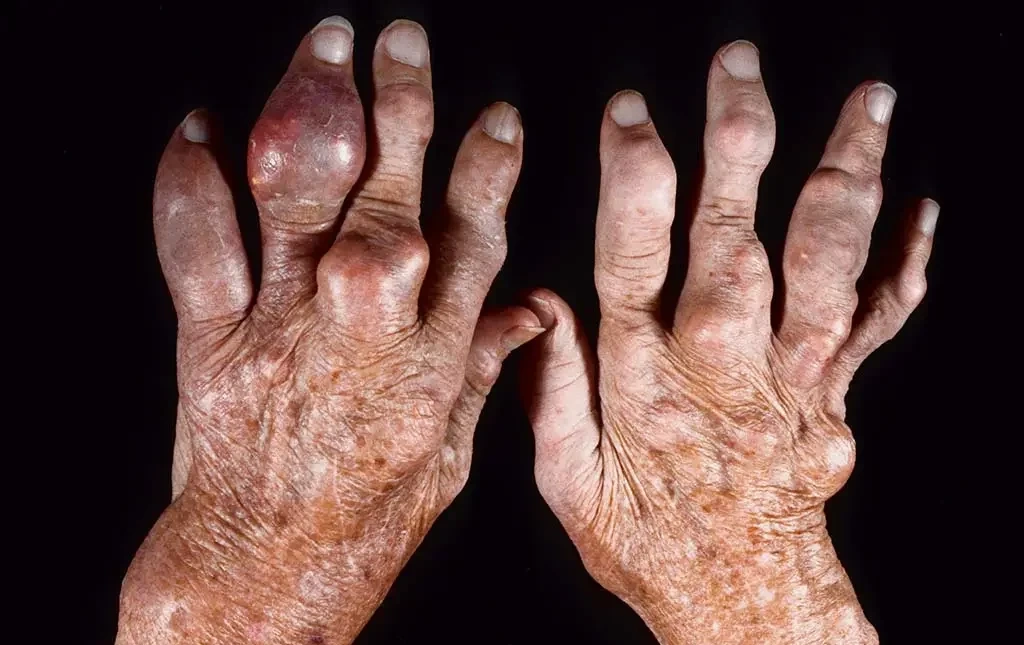
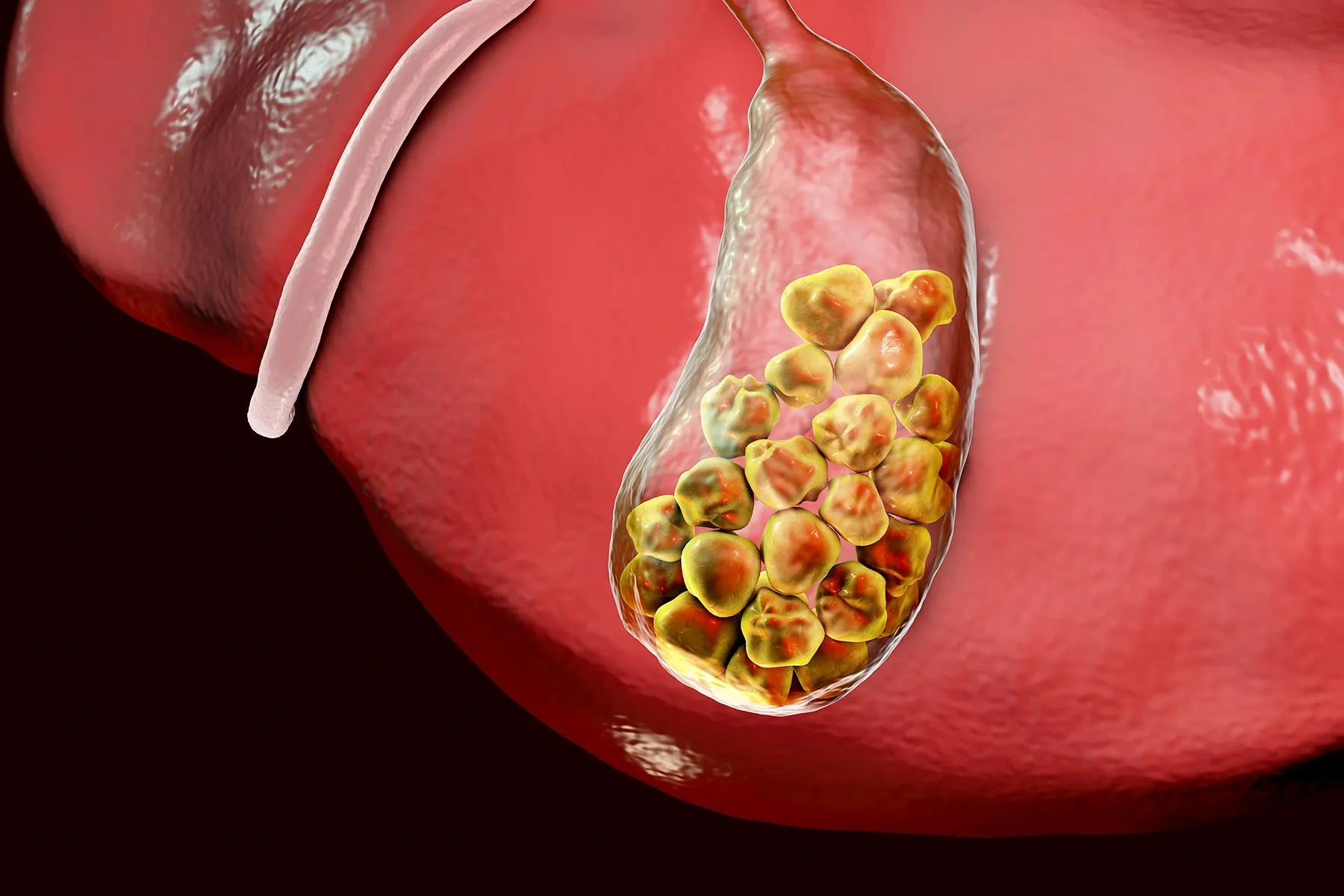
Gallstones One Of The Most Common Emergency Cases In Hospitals Are Patients With Abdominal Pain Due To Gallstones. The Gallbladder Is A Small, Pouch-Like…
Read More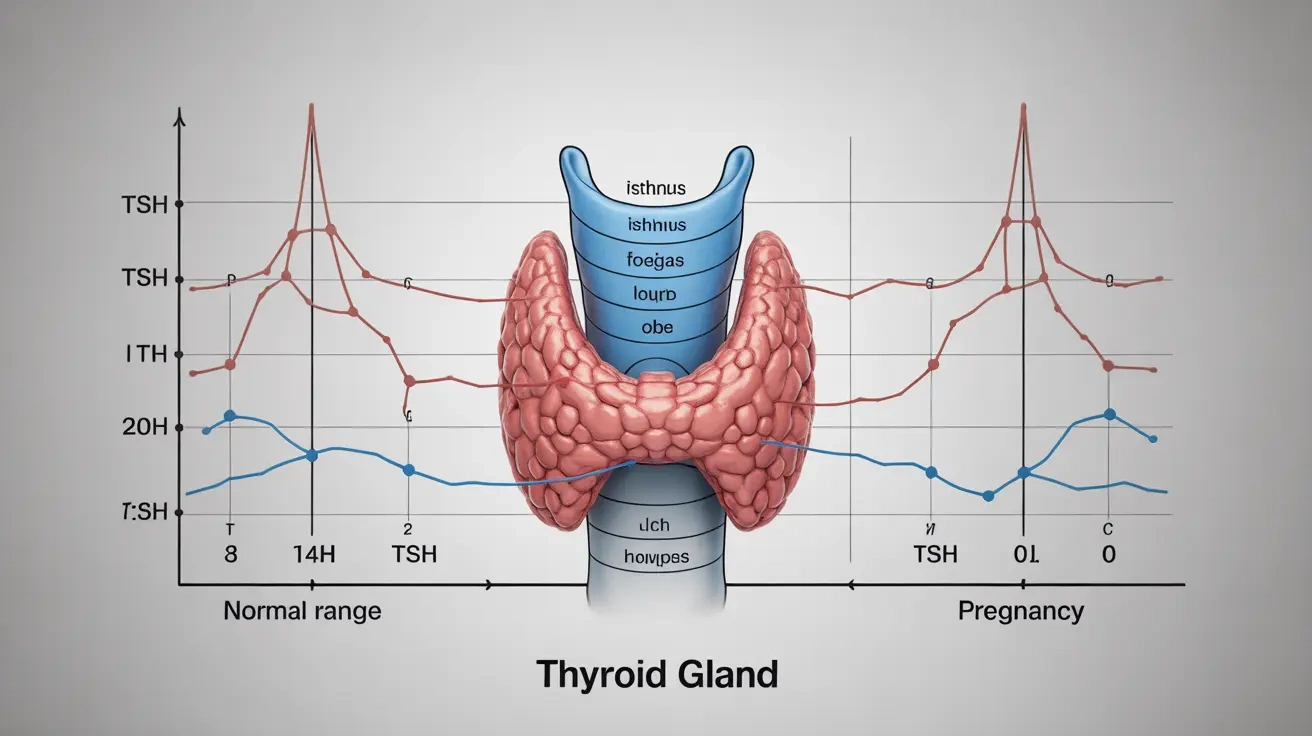
For Healthy Thyroid Levels Do You Know, It Is Estimated That One In Eight Women Is Likely To Develop A Thyroid Disorder? Weight Loss, Fatigue, Irritability, Depression, Hair…
Read More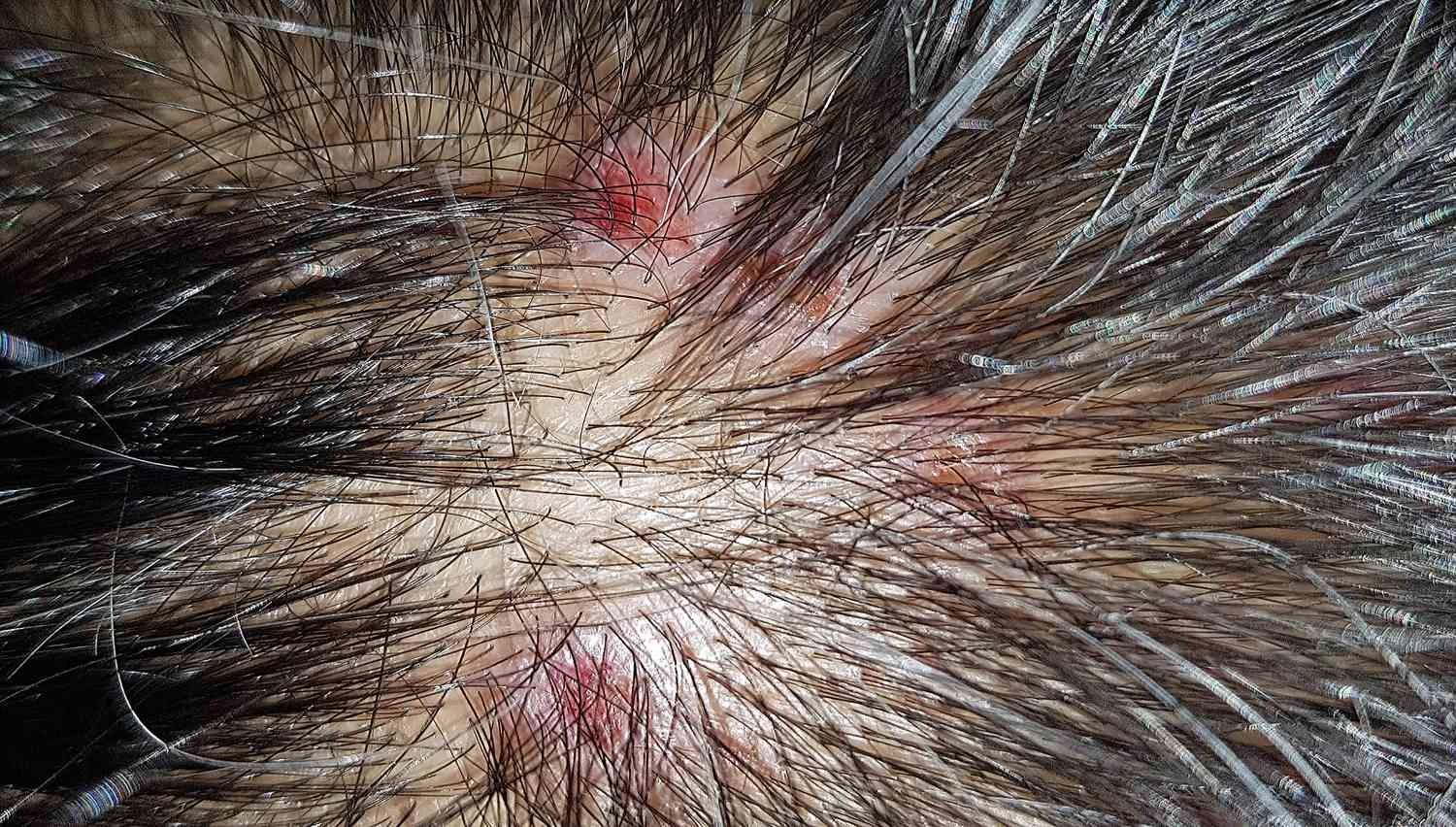
Folliculitis Folliculitis is an inflammation of one or more hair follicles in which tiny pus-filled spots develop at the base of a hair. It’s usually caused by a bacterial or fungal infection The infection can spread and turn into non-healing, crusty sores.Folliculitis can occur anywhere on the skin and is a common problem, usually not serious. It generally occurs at sites where hair follicles are damaged by friction or shaving or where there is a blockage of the follicle. Excess sweating can be another cause. Sometimes a specific face cream can trigger it. Folliculitis most commonly occurs in the beard area of males. Other common sites are the arms, legs, armpits, and buttocks. Symptoms • Clusters of small red bumps or white-headed pimples that develop around the hair follicles.• Pus-filled blisters that break open and crust over• Red and inflamed skin• Itchy or burning skin Basic self-care measures • Apply a warm cloth or compress. If required moisten the compress with a saltwater solution.• Clean the affected skin and gently wash twice a day. Use a clean cloth and towel each time.• Avoid wearing tight clothes to reduce friction between the skin and clothing• While shaving use an electric razor or a clean, sharp blade each time, wash the skin with warm water, and apply lotion afterwards.• Avoid sharing towels and other personal items. Use a clean towel each time you bathe.• Avoid applying oil on the skin. Oil can trap bacteria in the pores of the skin and can cause folliculitis. Consult the doctor if the condition is widespread or the signs and symptoms don’t go away after a few days.
Read More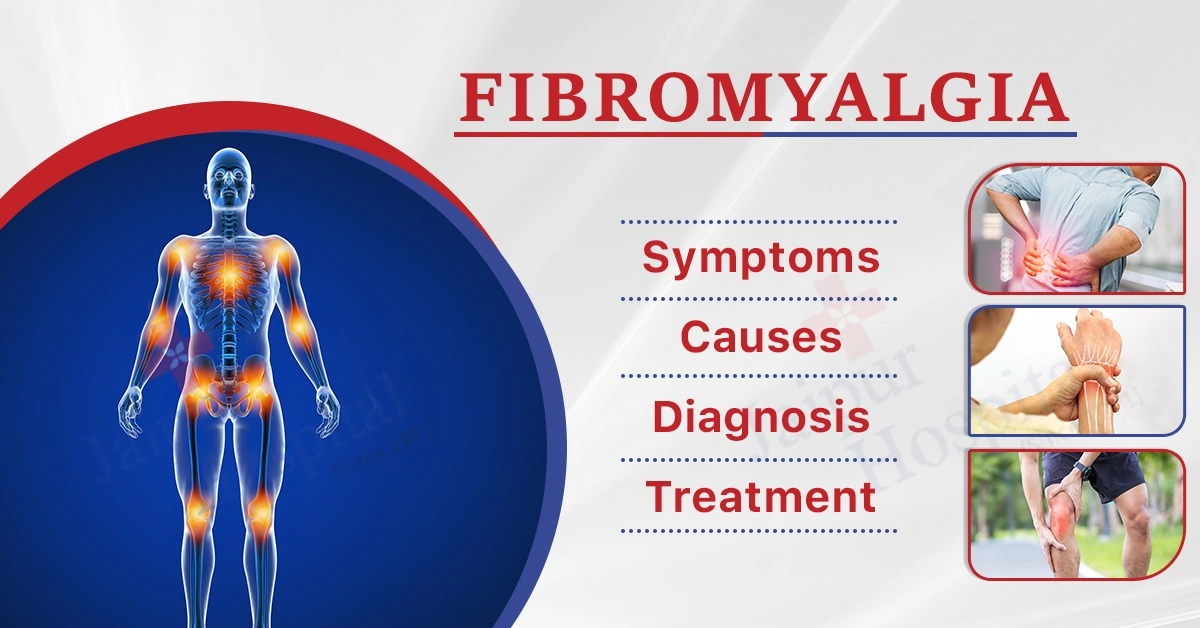
Fibromyalgia Fibromyalgia Is A Chronic Condition That Affects The Whole Body. It Is Characterized By Pain & Stiffness In The Muscles, But It Is but it is usually not measurable…
Read More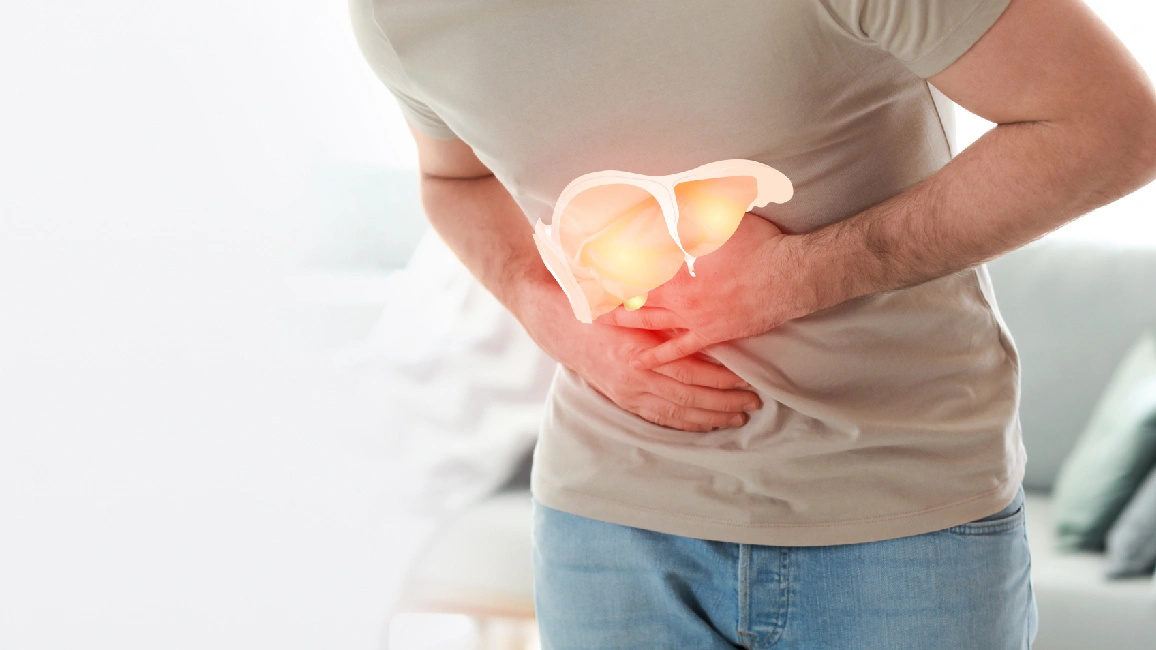
Fatty liver or steatosis refers to the build-up of fat in the liver. Having some fat in the liver is normal when fat is more than 5-10%, it is called fatty liver disease. fatty liver disease.
Fatty liver disease occurs when the liver has trouble breaking down fats
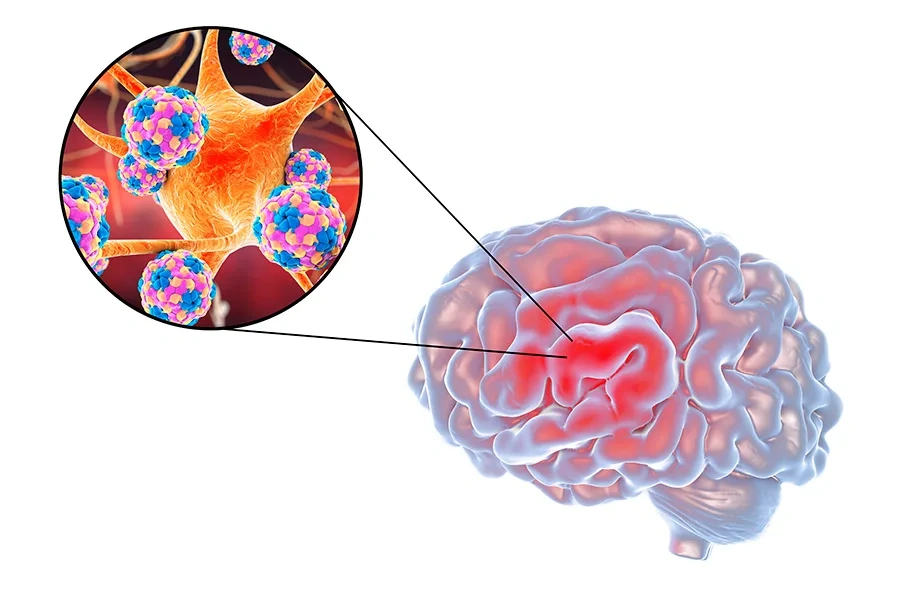
Encephalitis Encephalitis Is Inflammation Of The Brain, Caused By A Viral Infection Or When The Body’s Own Immune System Mistakenly Attacks The Brain…
Read More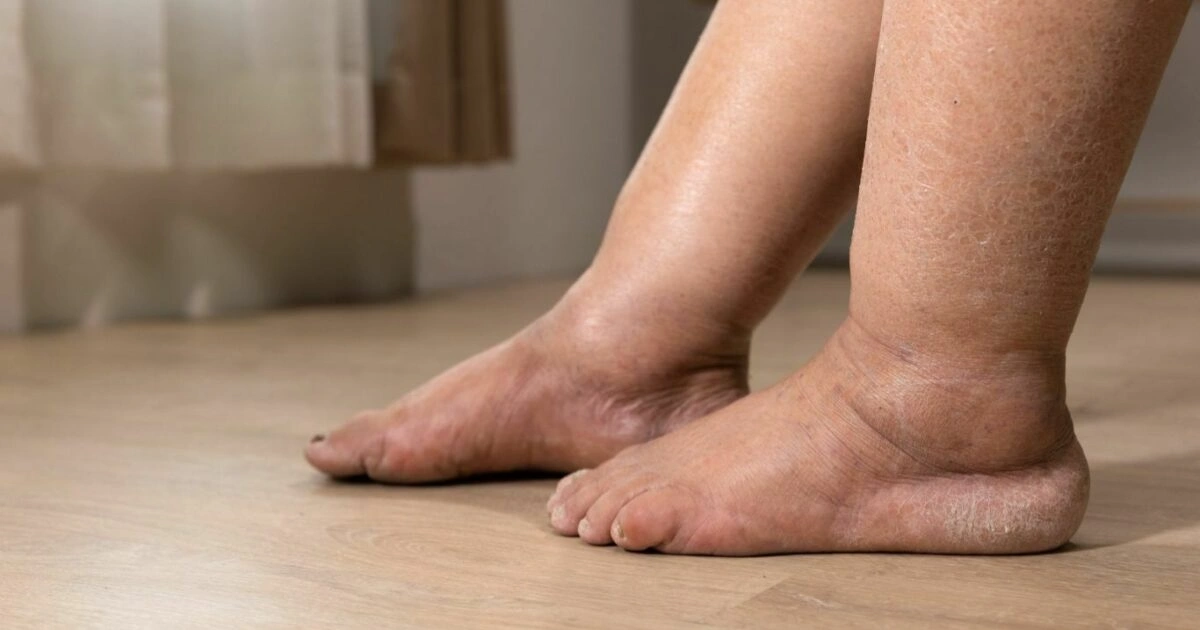
Edema Edema is a term used for swelling of the body due to an injury or inflammation. It happens when the small blood vessels leak and release fluid to the nearby tissues, Edema can affect any part of the body but most commonly occurs in the hands, arms, feet, ankles, and legs. Edema Symptoms*Swelling or puffiness of the tissue directly under your skin*Stretched or shiny skin*Skin that retains a dimple after being pressed for several seconds Edema Causes*Weakened valves of the veins in the legs.*Certain diseases such as congestive heart failure and lung, liver, kidney, and thyroid diseases.*Medication for blood pressure or pain*Severe burns, trauma, or poor nutrition*Too much salt in the diet*Sitting or standing in one place for too long*Pregnancy can cause edema in the legs Medication can help remove excess fluid. Reducing the amount of salt in the food also relieves edema often. But if edema is a sign of an underlying disease, the disease itself will require proper treatment. Tips to manage edema *Alight massage of the affected area may help, move the excess fluid away from the area. *Put a pillow under your legs when you are lying down or sitting for long periods so the legs are kept elevated above the level of the heart. *Wear compression stockings, sleeves or gloves. These garments keep the pressure on the limbs to prevent fluid from collecting in the tissue. *Keep the affected area clean, moisturized, and free from injury. Dry, cracked skin is more prone to scrapes, cuts, and infection. *Reduce salt intake. Salt can increase fluid retention and worsen edema. Note the amount of salt present in processed foods, especially packaged foods. *Do not sit or stand for long periods of time without moving. Every 10-15 minutes trying to change your position, stretch, and walk around.
Read MoreTop rated products
-
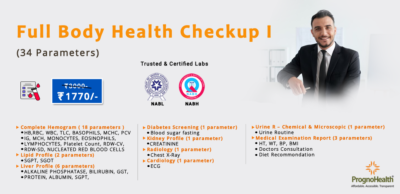 Full Body Health Checkup I
Original price was: ₹3,000.00.₹1,770.00Current price is: ₹1,770.00.
Full Body Health Checkup I
Original price was: ₹3,000.00.₹1,770.00Current price is: ₹1,770.00.
-
 MFG IND PACK III
Original price was: ₹3,900.00.₹2,145.00Current price is: ₹2,145.00.
MFG IND PACK III
Original price was: ₹3,900.00.₹2,145.00Current price is: ₹2,145.00.
-
 Dengue NS1 Antigen Test
₹900.00
Dengue NS1 Antigen Test
₹900.00
-
 Lipoprotein (A) Blood Test – Lp(a)
₹750.00
Lipoprotein (A) Blood Test – Lp(a)
₹750.00
-
 Healthy Life Advance Male
Original price was: ₹15,000.00.₹8,250.00Current price is: ₹8,250.00.
Healthy Life Advance Male
Original price was: ₹15,000.00.₹8,250.00Current price is: ₹8,250.00.