PrognoHealth – Corporate Health & Wellness Specialist
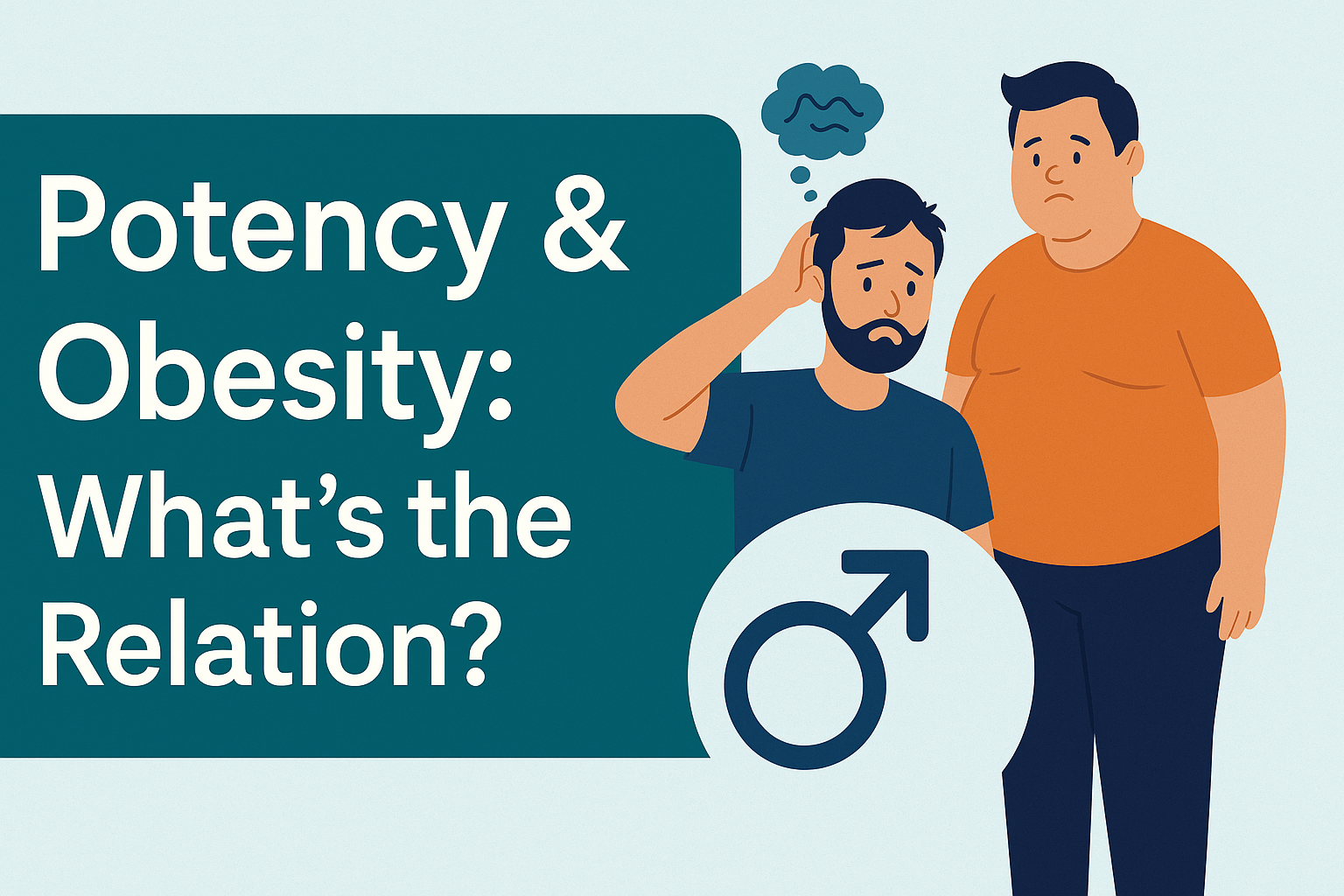
Potency & Obesity: What’s the Relation? In today’s fast-paced, sedentary lifestyle, health concerns related to obesity have gained significant attention. But while we often talk about diabetes, heart disease, and hypertension in connection with obesity, one lesser-discussed but equally critical area is potency or sexual health, especially in men. Is there a direct relationship between obesity and potency? The answer is a resounding yes—and it affects both physical and psychological aspects of sexual performance. 🚨 Look Beyond the Scales: Obesity Is More Than Just Extra Weight Obesity is not just about the number on the weighing scale. It’s a metabolic disorder that triggers a chain reaction of hormonal imbalances, inflammation, and impaired blood circulation—all of which can directly impact sexual performance, libido, and reproductive health. Let’s unpack this further. 🧠 The Science Behind Obesity & Potency 1. Hormonal Disruption Obesity leads to decreased testosterone levels in men and increased estrogen levels due to the activity of aromatase enzyme in fat tissue. Testosterone is crucial for: Libido (sexual desire) Erectile function Sperm production A drop in testosterone levels can lead to erectile dysfunction (ED), low sex drive, and infertility. 2. Impaired Blood Flow Erection is a vascular event, heavily dependent on healthy blood flow. Excess fat, especially visceral fat, contributes to atherosclerosis (narrowing of blood vessels), increasing the risk of ED. 3. Psychological Impact Obesity is often associated with: Poor self-image Low confidence Depression and anxiety These psychological factors can create a mental barrier to arousal and performance, compounding the physiological issues. 4. Insulin Resistance & Metabolic Syndrome Obese individuals are more prone to insulin resistance, which contributes to type 2 diabetes—a leading cause of erectile dysfunction due to nerve and blood vessel damage. 📊 Key Facts & Stats Obese men are 2.5 times more likely to experience erectile dysfunction. Studies have shown weight loss improves testosterone levels and sexual function. Even a 10% reduction in weight can significantly improve potency. 🧬 Is This Just a Male Issue? No. While much of the focus is on male sexual health, obesity also impacts female reproductive health: Hormonal imbalance affecting ovulation Increased risk of PCOS Reduced fertility and libido Hence, the potency-obesity connection is not gender-exclusive. 💪 What Can Be Done? 1. Weight Management Adopt a sustainable and balanced approach to diet and exercise. Even moderate weight loss improves sexual health. 2. Medical Checkups Get screened for hormonal imbalances, diabetes, and cardiovascular risks. Functional tests and health checks (offered at PrognoHealth) can detect underlying issues early. 3. Lifestyle Modifications Quit smoking and alcohol Improve sleep hygiene Manage stress through yoga or meditation 4. Professional Support Seek help from andrologists, urologists, or endocrinologists for targeted interventions. 🧘♂️ Corporate Wellness Takeaway In a corporate environment, stress, sedentary jobs, and unhealthy snacking are silent culprits behind obesity and declining vitality. By promoting regular health checks and lifestyle awareness at the workplace, companies can help employees improve not only their productivity but also their quality of life. At PrognoHealth, we believe that sexual health is health. Let’s not treat it as a taboo. Instead, let’s educate, empower, and encourage healthy living—for the body and the mind. ✅ Conclusion: Time to Act Obesity doesn’t just weigh on your heart and joints; it weighs down your confidence, hormones, and sexual well-being. But the good news? It’s reversible. With awareness, medical support, and the right lifestyle changes, you can take back control of your health—inside and out.
Read More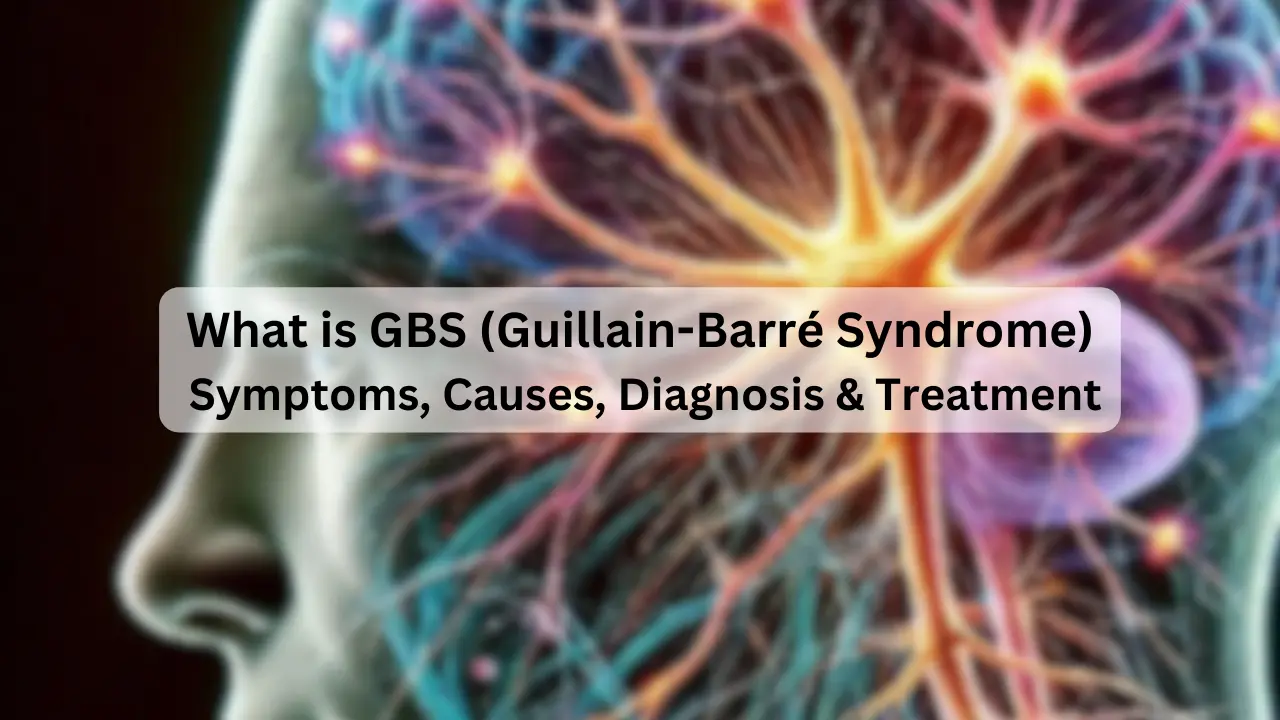
What is GBS (Guillain-Barré Syndrome) | Symptoms, Causes, Diagnosis & Treatment Guillain-Barré Syndrome (GBS) is a rare but serious neurological disorder where the body’s immune system mistakenly attacks the peripheral nerves. This condition can lead to muscle weakness, paralysis, and, in severe cases, respiratory failure. Understanding GBS is crucial for early diagnosis and effective treatment. Understanding Guillain-Barré Syndrome GBS is an autoimmune disorder that affects the peripheral nervous system—the network of nerves outside the brain and spinal cord. The exact cause of GBS remains unknown, but it often follows an infection, such as a respiratory or gastrointestinal illness. In some cases, surgeries or vaccinations have been associated with the onset of GBS. Symptoms of GBS Guillain-Barré Syndrome (GBS) is characterized by a variety of symptoms that develop over a few days or weeks, often following an infection or other triggering event. The severity and progression of these symptoms can vary among individuals, with some experiencing mild discomfort and others facing life-threatening complications. Below is a detailed breakdown of the symptoms associated with GBS: 1. Initial Symptoms Tingling Sensations (Paresthesia): The earliest sign of GBS is often a tingling or “pins and needles” sensation, typically starting in the feet and legs. In some cases, it may also affect the hands and arms. Muscle Weakness: Progressive weakness begins in the lower limbs and may spread to the upper body. This weakness often starts as mild but can worsen rapidly over time. 2. Progressive Symptoms Ascending Weakness: One of the hallmark features of GBS is weakness that starts in the legs and moves upward toward the arms, chest, and even facial muscles. This pattern of progression is known as “ascending paralysis.” Loss of Reflexes: A noticeable reduction or absence of reflexes, such as the knee-jerk reflex, is common. Difficulty Walking: As weakness progresses, individuals may experience instability, unsteady walking, or even the inability to walk without assistance. Severe Pain: Many individuals report deep, aching pain, often in the back, thighs, or shoulders. This pain can be exacerbated by movement or touch. Facial Weakness: Muscles in the face may weaken, leading to difficulties with smiling, closing the eyes, or other facial expressions. 3. Autonomic Nervous System Symptoms GBS can also affect the autonomic nervous system, leading to: Abnormal Heart Rhythms: Irregular or rapid heartbeats (arrhythmias). Fluctuations in Blood Pressure: High or low blood pressure can occur, which may require monitoring and treatment. Difficulty Regulating Body Functions: This can include problems with sweating, digestion, and bladder or bowel control. 4. Respiratory Complications Breathing Difficulties: In severe cases, weakness in the chest and diaphragm muscles can impair breathing, requiring mechanical ventilation. Shortness of Breath: Some individuals may feel breathless even at rest or during mild activity. 5. Cranial Nerve Involvement Vision Problems: Weakness in eye muscles can cause double vision or difficulty focusing. Speech and Swallowing Difficulties: Weakness in the muscles involved in speech and swallowing may lead to slurred speech or choking. 6. Paralysis Severe Cases: In advanced stages, individuals may experience total paralysis. While this is rare, it highlights the seriousness of GBS and the need for prompt medical intervention. 7. Psychological Impact Emotional Distress: The rapid progression of symptoms and the potential loss of independence can lead to feelings of fear, anxiety, or depression. 8. Recovery Phase Symptoms Fatigue: Even after initial recovery, many individuals experience persistent fatigue that can last for months or years. Residual Weakness: Some patients may have lingering weakness or reduced strength in certain muscle groups. Sensory Abnormalities: Numbness or tingling may persist, especially in the extremities. Causes and Risk Factors of GBS Guillain-Barré Syndrome (GBS) is an autoimmune condition in which the immune system attacks the peripheral nervous system. While the exact cause of GBS remains unclear, research has identified several possible triggers and risk factors that may increase the likelihood of developing the condition. Understanding these causes and risks is essential for early detection and prevention. Causes of GBS The precise mechanism behind Guillain-Barré Syndrome is not fully understood. However, it is believed to be an autoimmune response where the body’s immune system mistakenly attacks the myelin sheath—the protective covering of nerves—or the nerves themselves. This leads to impaired nerve signal transmission and the symptoms of GBS, such as weakness and paralysis. Here are some common triggers linked to GBS: 1.Infections Bacterial Infections: Campylobacter jejuni: This is the most common bacterial infection associated with GBS. Campylobacter jejuni is often contracted through contaminated food or water, particularly undercooked poultry. Viral Infections: Epstein-Barr Virus (EBV): Known to cause mononucleosis, EBV has been associated with the onset of GBS. Influenza: Certain flu strains and their complications can trigger GBS. Zika Virus: Outbreaks of Zika virus have been linked to an increase in GBS cases, particularly in South and Central America. Cytomegalovirus (CMV): This common virus, especially among immunocompromised individuals, is another potential trigger. 2. Surgical Procedures Surgical interventions, especially those involving major operations, have been linked to the onset of GBS in some cases. It is believed that the immune response triggered by surgery may sometimes misfire and affect the nervous system. 3. Vaccinations Certain vaccinations have been associated with GBS, although these cases are rare. For example: Vaccines for influenza or COVID-19 have occasionally been linked to GBS cases, though the benefits of vaccination overwhelmingly outweigh the risks. Vaccines may occasionally stimulate an autoimmune response, leading to GBS in susceptible individuals. 4. Trauma or Physical Stress Physical injuries or significant trauma can sometimes act as a trigger for the immune system, leading to the onset of GBS in rare instances. 5. Other Medical Conditions GBS may also develop as a complication of other diseases, such as certain types of cancer, lymphoma, or autoimmune disorders. These conditions can disrupt the immune system, increasing the risk of a misdirected immune response. Risk Factors of GBS Certain factors can make individuals more susceptible to developing Guillain-Barré Syndrome. These risk factors include: 1. Age GBS can occur at any age but is more common in adults, especially those over the age of
Read MoreTop rated products
-
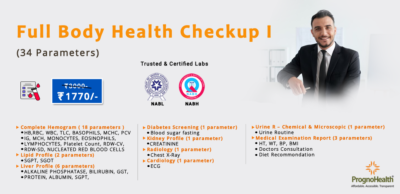 Full Body Health Checkup I
Original price was: ₹3,000.00.₹1,770.00Current price is: ₹1,770.00.
Full Body Health Checkup I
Original price was: ₹3,000.00.₹1,770.00Current price is: ₹1,770.00.
-
 MFG IND PACK III
Original price was: ₹3,900.00.₹2,145.00Current price is: ₹2,145.00.
MFG IND PACK III
Original price was: ₹3,900.00.₹2,145.00Current price is: ₹2,145.00.
-
 Dengue NS1 Antigen Test
₹900.00
Dengue NS1 Antigen Test
₹900.00
-
 Lipoprotein (A) Blood Test – Lp(a)
₹750.00
Lipoprotein (A) Blood Test – Lp(a)
₹750.00
-
 Healthy Life Advance Male
Original price was: ₹15,000.00.₹8,250.00Current price is: ₹8,250.00.
Healthy Life Advance Male
Original price was: ₹15,000.00.₹8,250.00Current price is: ₹8,250.00.