PrognoHealth – Corporate Health & Wellness Specialist


Bilirubin Test Bilirubin is a yellow pigment that is formed when red blood cells are broken down in the body. The bilirubin test is used to measure the level of bilirubin in the blood, which can help diagnose and monitor liver and blood disorders. Pre-test preparation:There is no specific preparation required for this test. Testing method:A blood sample is taken and sent to a laboratory for analysis. Common symptoms that may prompt a healthcare provider to prescribe a bilirubin test include: Jaundice (yellowing of the skin and whites of the eyes)Dark-colored urineLight-colored stools Itchy skinFatigueAbdominal pain Diagnosis:Elevated levels of bilirubin in the blood can be a sign of liver disease, such as cirrhosis, hepatitis, or biliary obstruction, or a blood disorder such as hemolytic anemia.Low levels of bilirubin in the blood are not common. Reference range:Normal values for bilirubin levels in the blood vary depending on the laboratory, but generally range from 0.3 to 1.2 milligrams per deciliter (mg/dL) for total bilirubin and 0.1 to 0.3 mg/dL for direct bilirubin. It’s important to note that the test results should be interpreted in the context of the patient’s clinical presentation and other test results. A single test result should not be used as the sole basis for diagnosis and treatment decisions. A qualified healthcare professional should interpret the test results and give you a proper diagnosis. Additionally, other liver function tests like AST, ALT, ALP, and BSBP should also be considered along with bilirubin test to get a better understanding of liver function.
Read More
Iron Test Iron test is a laboratory test that measures the amount of iron in the blood. It is typically used to diagnose and monitor iron-deficiency anemia and other conditions related to iron metabolism. Pre-test preparation:The patient should fast for at least 8 hours prior to the test. Testing method:A blood sample is typically drawn from a vein in the arm.The sample is then sent to a laboratory for analysis. Common symptoms for prescribing this test: FatigueWeaknessPale skinShortness of breath DizzinessHeart palpitationsHeadaches Diagnosis:Iron-deficiency anemia is diagnosed when the test results show low levels of iron in the blood.Other conditions, such as hemochromatosis, may be diagnosed based on the test results and other clinical information. Reference range:The normal reference range for iron levels in the blood is typically between 60 and 170 micrograms per deciliter (mcg/dL) for adult men and between 50 and 170 mcg/dL for adult women. Normal values:Iron level of 60 to 170 mcg/dL is considered normalIron level below 60 mcg/dL is considered low and may indicate iron-deficiency anemia.It is important to consult with a doctor or healthcare professional for any questions or concerns regarding the this test or any other medical test
Read More
Alzheimer’s Disease Alzheimer’s disease is a progressive, degenerative disorder that affects the brain, leading to memory loss, difficulty with language, disorientation, mood swings, loss of motivation and impaired judgment. It is the most common cause of dementia, a general term for a decline in cognitive function severe enough to interfere with daily life. Symptoms of Alzheimer’s disease typically develop gradually and include memory loss, difficulty with language, disorientation, mood swings, loss of motivation and impaired judgment. As the disease progresses, individuals may also experience difficulty with daily activities such as bathing, dressing, and eating. To diagnose Alzheimer’s disease, a healthcare provider will typically perform a physical examination and take a medical history. They may also use diagnostic tools such as cognitive and neuropsychological tests, brain imaging scans, and laboratory tests to rule out other potential causes of cognitive decline. Health check up is a good way to identify the symptoms of Alzheimer’s disease and start the diagnosis process. It is important to schedule regular check-ups to monitor symptoms and progress. There is currently no cure for Alzheimer’s disease, but there are medications and therapies that can help to slow the progression of the disease and improve quality of life. These include cholinesterase inhibitors and memantine, which can help to improve memory and thinking, and non-pharmacologic therapies such as cognitive stimulation and physical exercise. Prevention methods for Alzheimer’s disease include maintaining a healthy lifestyle through a balanced diet and regular exercise. Studies have shown that a diet that is high in fruits, vegetables, and whole grains, and low in saturated fats may be beneficial. Regular physical activity can also help to reduce the risk of cognitive decline. Other risk reduction methods include mental and social stimulation, stress management, and managing and treating other health conditions such as hypertension, diabetes, and depression. It’s also important to have regular check-ups to monitor cognitive function, and if there is any sign of cognitive decline, seek professional advice. In conclusion, Alzheimer’s disease is a progressive, degenerative disorder that affects the brain, leading to memory loss, difficulty with language, disorientation, mood swings, loss of motivation and impaired judgment. Scheduling regular health check-ups is essential to identify the symptoms of Alzheimer’s disease and start the diagnosis process. There is currently no cure for Alzheimer’s disease, but there are medications and therapies that can help to slow the progression of the disease and improve quality of life. Maintaining a healthy lifestyle through a balanced diet and regular exercise, mental and social stimulation, stress management, and managing and treating other health conditions are recommended prevention methods.
Read More
Autism Autism, also known as autism spectrum disorder (ASD), is a neurodevelopmental disorder that affects communication, social interaction, and behavior. It is a spectrum disorder, meaning that it affects individuals differently and to varying degrees. Symptoms of autism typically appear in early childhood, and can include difficulty with social interaction, communication, and repetitive behaviors. Some children with autism may have difficulty making eye contact, have trouble understanding social cues, or have difficulty with language development. They may also engage in repetitive behaviors, such as rocking or flapping their hands, and have difficulty with changes in routine. To diagnose autism, a healthcare provider will typically perform a physical examination and take a medical history. They may also use diagnostic tools such as the Diagnostic and Statistical Manual of Mental Disorders (DSM-5) or the Autism Diagn Observation Schedule (ADOS) to assess the severity of symptoms and make a diagnosis. Health check up is a good way to identify the symptoms of autism and start the diagnosis process. It is important to schedule regular check-ups to monitor symptoms and progress. Common treatment options for autism include behavioral therapy, such as Applied Behavioral Analysis (ABA), speech therapy, and occupational therapy. Medications may also be used to treat symptoms such as anxiety, depression, and attention deficit hyperactivity disorder (ADHD). There is no known way to prevent autism, however, early intervention is essential for the best outcome for children with autism. Early diagnosis and treatment can help children with autism develop the skills they need to reach their full potential. There is no specific diet or exercise plan that has been shown to prevent autism, however, maintaining a healthy lifestyle through a balanced diet and regular exercise can promote overall health and well-being. In conclusion, autism is a neurodevelopmental disorder that affects communication, social interaction, and behavior. It is a spectrum disorder and affects individuals differently. Scheduling regular health check-ups can help to identify the symptoms of autism and start the diagnosis process. There is no known way to prevent autism, however, early intervention is essential for the best outcome for children with autism. A healthy diet and regular exercise can promote overall health and well-being.
Read More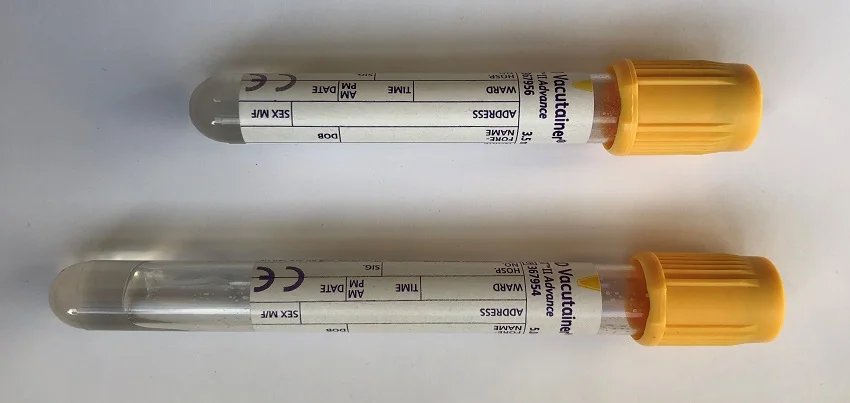
The ACE (angiotensin-converting enzyme) level test is a blood test that measures the level of ACE in the blood. ACE is an enzyme that plays a role in regulating blood pressure
Read More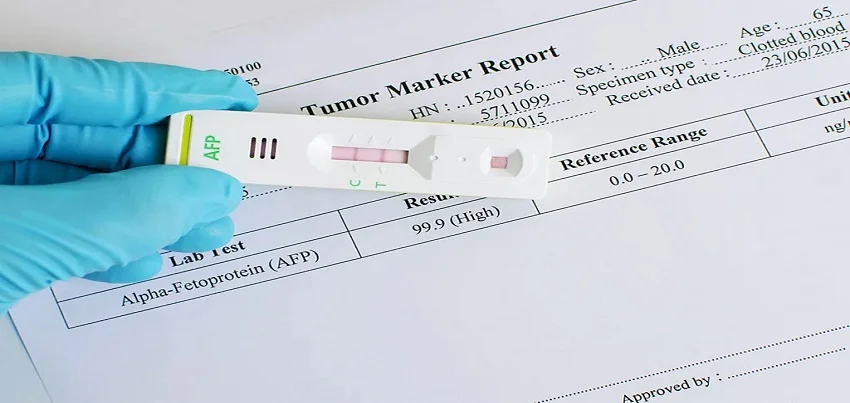
Alpha-Fetoprotein (AFP) is a protein that is produced by the liver and yolk sac of a developing fetus. It is typically measured as part of prenatal screening for certain birth defects, such as neural tube defects and Down syndrome.
Read More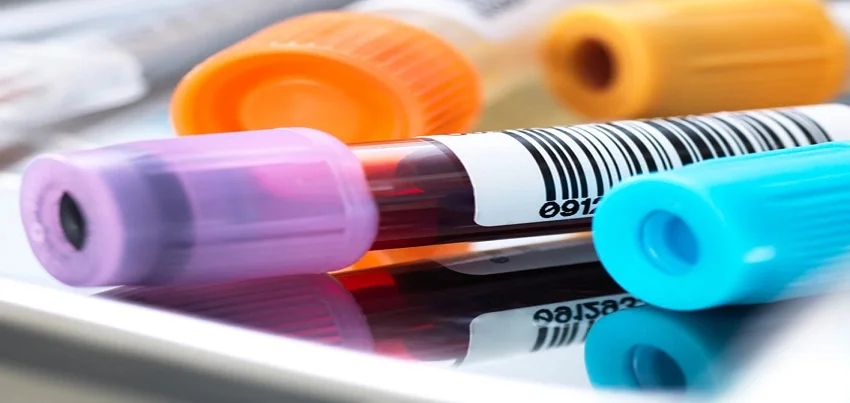
Adult Hemoglobin Electrophoresis (Hb-Elec) test is a laboratory test that separates different types of hemoglobin present in the blood by using an electric current.
Read More
Partial Thromboplastin Time (PTT) Test The Partial Thromboplastin Time (PTT) test is a blood test that measures how long it takes for blood to clot. It is used to evaluate the intrinsic and common pathways of the coagulation cascade, specifically the activity of clotting factors VIII, IX, XI, XII, and high molecular weight kininogen. Pre-test preparation: It is important to inform the healthcare provider of any medications being taken as some may affect the results of the test. Avoid taking aspirin, non-steroidal anti-inflammatory drugs (NSAIDs), or vitamin E supplements for at least one week before the test. Testing method: A small sample of blood is taken from a vein in the arm using a needle and syringe. The sample is then sent to a laboratory for analysis. Common symptoms for prescribing this test: Unexpected or heavy bleeding Bruising easily Blood in the urine or stool Prolonged bleeding after injury or surgery Prolonged bleeding after tooth extraction Excessive menstrual bleeding Blood clots Diagnosis: The PTT test is used to help diagnose and monitor bleeding disorders such as hemophilia and von Willebrand disease, as well as to monitor the effectiveness of treatment for these conditions. Also, it is used to monitor the effectiveness of heparin therapy, a type of anticoagulant medication. Reference range: The reference range for PTT test varies depending on the laboratory that performs the test. Typically, the normal range for PTT test is 25-36 seconds. However, it is important to note that the reference range can vary depending on the lab that performed the test, the patient’s age, sex, and overall health. Normal values: Normal values for PTT test vary depending on the lab that performed the test, but typically fall within the range of 25-36 seconds. It is important to consult with a doctor or healthcare professional for any questions or concerns regarding the PTT test or any other medical test.
Read More
Absolute Eosinophil Count (AEC) Test The Absolute Eosinophil Count (AEC) test is a blood test that measures the number of eosinophils, a type of white blood cell, in a person’s blood. Eosinophils are involved in the body’s immune response and are often elevated in certain diseases such as allergies, parasitic infections, and certain types of cancer. Pre-test preparation: No special preparation is usually required for this test. Testing method: A small sample of blood is taken from a vein in the arm using a needle and syringe. The blood sample is sent to a laboratory for analysis. Common Symptoms for prescribing this test: Itchy skin, rash, or hives Shortness of breath Swelling of the face, lips, tongue, or throat Persistent or recurring infections Abdominal pain Diarrhea Fatigue Unusual weight loss Diagnosis: The AEC test is often used to help diagnose conditions such as allergies, asthma, and parasitic infections. It can also be used to monitor the effectiveness of treatment for these conditions. Reference range: The reference range for AEC varies depending on the laboratory that performs the test. Typically, a normal AEC is between 150 and 450 eosinophils per microliter of blood. However, it is important to note that the reference range can vary depending on the lab that performed the test and the patient’s age, sex, and overall health. Normal values: AEC values between 150 and 450 eosinophils per microliter of blood are considered normal in most laboratories. It is important to consult with a doctor or healthcare professional for any questions or concerns regarding the AEC test or any other medical test.
Read More
“ A Guide for Different Age Groups and Genders”
Read MoreTop rated products
-
 Full Body Health Checkup I
Original price was: ₹3,000.00.₹1,770.00Current price is: ₹1,770.00.
Full Body Health Checkup I
Original price was: ₹3,000.00.₹1,770.00Current price is: ₹1,770.00.
-
 MFG IND PACK III
Original price was: ₹3,900.00.₹2,145.00Current price is: ₹2,145.00.
MFG IND PACK III
Original price was: ₹3,900.00.₹2,145.00Current price is: ₹2,145.00.
-
 Dengue NS1 Antigen Test
₹900.00
Dengue NS1 Antigen Test
₹900.00
-
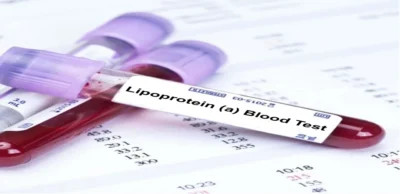 Lipoprotein (A) Blood Test – Lp(a)
₹750.00
Lipoprotein (A) Blood Test – Lp(a)
₹750.00
-
 Healthy Life Advance Male
Original price was: ₹15,000.00.₹8,250.00Current price is: ₹8,250.00.
Healthy Life Advance Male
Original price was: ₹15,000.00.₹8,250.00Current price is: ₹8,250.00.