PrognoHealth – Corporate Health & Wellness Specialist


Scabies Scabies is a highly contagious skin condition caused by the infestation of the human itch mite (Sarcoptes scabiei). The mites burrow into the skin and lay eggs, leading to intense itching and a rash. Scabies is most common in crowded living conditions and can easily spread through close physical contact. Symptoms of scabies typically appear 2-6 weeks after the infestation and include intense itching, especially at night, a pimple-like rash, and burrows or lines on the skin. The rash and burrows are most commonly found on the hands, wrists, and between the fingers, but can also occur on other parts of the body. Diagnosis of scabies is often based on the symptoms and a physical examination of the skin. A dermatologist may use a magnifying lens to look for the mites, eggs, or fecal matter. Scraping or burrow ink tests can also be done to confirm the diagnosis. Treatment for scabies typically involves the use of prescription medicated creams or lotions, such as permethrin or lindane. These medications are applied to the entire body, including the scalp and nails, and left on for a prescribed amount of time before being washed off. Oral medications may also be prescribed in some cases. It is essential to follow the treatment as prescribed by the doctor and repeat it if needed. To prevent scabies from occurring, it’s important to practice good personal hygiene and avoid close contact with infected individuals. Keeping living areas clean and washing bedding, clothing, and towels in hot water and dry on high heat can help prevent the spread of the mites. Annual health check-ups can also help to detect and prevent scabies. A dermatologist can examine the skin and identify any symptoms of scabies or other skin conditions that may put an individual at risk. Corporate health and wellness programs can also play a role in preventing scabies by promoting good hygiene practices and educating employees on how to identify and prevent the spread of scabies. Diet and exercise do not have a direct effect on preventing scabies, as it is primarily a skin condition caused by an infestation of mites. However, a healthy diet and regular exercise can help to boost the immune system, which can help an individual to recover faster after scabies treatment. In conclusion, Scabies is a highly contagious skin condition that can cause severe itching and a rash. It can be treated with prescription medicated creams or lotions, but it’s important to practice good personal hygiene and avoid close contact with infected individuals to prevent it from occurring. Annual health check-ups and corporate health and wellness programs can also play a role in preventing scabies. While diet and exercise do not have a direct effect on preventing scabies, it can aid in recovering faster after treatment.
Read More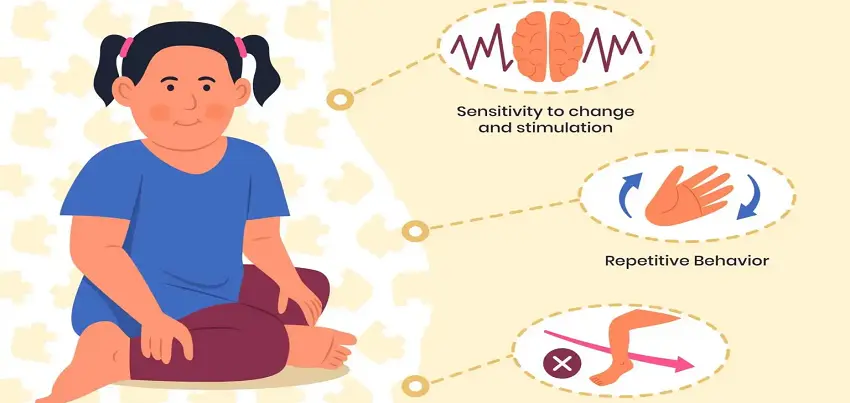
Turner Syndrome Turner Syndrome is a genetic disorder that affects only females and is caused by a missing or incomplete copy of the X chromosome. It is a relatively rare condition, affecting about 1 in 2,500 live female births. Symptoms of Turner Syndrome can vary, but they may include short stature, webbed neck, low hairline, and a broad chest. Other symptoms may include delayed onset of puberty, infertility, and cardiovascular problems. Some girls with Turner Syndrome may also have learning difficulties, attention-deficit hyperactivity disorder (ADHD), and difficulty with social interactions. Diagnosis of Turner Syndrome typically begins with a physical examination and a review of the patient’s medical history. Additional diagnostic tests may include a chromosomal analysis, an ultrasound of the heart and blood vessels, and an assessment of cognitive and developmental abilities. There is no cure for Turner Syndrome, but treatment options are available to manage symptoms and prevent complications. Treatment may include growth hormone therapy to help girls with Turner Syndrome reach a normal height, and estrogen therapy to induce puberty and promote healthy bone development. Surgery may also be used to correct any physical abnormalities. There is no known way to prevent Turner Syndrome. However, early detection and treatment can help manage symptoms and prevent complications. Annual health check-ups and corporate health and wellness programs are important to help identify and diagnose Turner Syndrome early. A healthy diet and regular exercise are important for overall health, and can help prevent some of the health complications associated with Turner Syndrome. Eating a diet rich in fruits, vegetables, lean protein and whole grains, and reducing salt and sugar intake can help lower blood pressure and improve cardiovascular health. Regular exercise can also help maintain healthy bones, improve cardiovascular health, and improve overall well-being. In conclusion, Turner Syndrome is a genetic disorder that affects only females and is caused by a missing or incomplete copy of the X chromosome. It can be diagnosed through physical examination and genetic testing. While there is no cure for Turner Syndrome, treatment options are available to manage symptoms and prevent complications. Annual health check-ups and corporate health and wellness programs can help identify and diagnose Turner Syndrome early and a healthy diet and regular exercise can help prevent some of the health complications associated with Turner Syndrome.
Read More
Severe Acute Respiratory Syndrome (SARS) Severe Acute Respiratory Syndrome (SARS) is a serious and potentially life-threatening respiratory illness caused by the SARS-associated coronavirus (SARS-CoV). The illness was first identified in Asia in 2003 and quickly spread to other parts of the world, leading to a global outbreak. Symptoms of SARS typically develop 2-7 days after exposure to the virus and can include fever, cough, difficulty breathing, and body aches. Some people with SARS may also experience chills, headache, and sore throat. In severe cases, SARS can lead to pneumonia, which can cause difficulty breathing, chest pain, and a bluish tint to the skin. Diagnosis of SARS typically involves a combination of clinical evaluation, laboratory tests, and imaging studies. A clinical evaluation typically includes a thorough physical and respiratory examination, as well as a review of the patient’s medical and travel history. Laboratory tests, such as polymerase chain reaction (PCR) tests, can be used to detect the presence of the virus in the respiratory tract. Imaging studies, such as chest x-rays or computed tomography (CT) scans, can be used to confirm the diagnosis of pneumonia. Treatment for SARS typically involves supportive care to manage symptoms and prevent complications. This may include oxygen therapy, mechanical ventilation, and antibiotics to treat any secondary bacterial infections. There is no specific antiviral treatment for SARS, but some drugs that have been used to treat other coronaviruses, such as remdesivir, have shown promise in treating SARS. Preventing the spread of SARS is crucial to controlling outbreaks. Measures such as isolation of infected individuals, quarantine of close contacts, and infection control practices in healthcare settings can help to reduce the spread of the virus. Wearing a mask, washing hands frequently and practicing social distancing are also recommended to prevent the spread of SARS. Annual health check-ups and corporate health and wellness programs can also play a role in preventing SARS by identifying and addressing risk factors early on. These check-ups can include assessments of respiratory health and can help detect any early warning signs of SARS. Corporate health and wellness programs can provide education and resources on infection control and healthy living, and can also create a supportive work environment for those who may be at risk for developing SARS. Diet and exercise can also play a role in preventing SARS. Eating a healthy and balanced diet, rich in fruits, vegetables, and lean proteins, can help to boost the immune system and reduce the risk of developing the illness. Regular physical activity, such as walking, running, cycling, or swimming, can also help to boost the immune system and reduce the risk of developing SARS. In summary, Severe Acute Respiratory Syndrome (SARS) is a serious and potentially life-threatening respiratory illness caused by the SARS-associated coronavirus (SARS-CoV). Its symptoms include fever, cough, difficulty breathing, and body aches. Its diagnosis involves a combination of clinical evaluation, laboratory tests, and imaging studies. Its treatment typically involves supportive care to manage symptoms and prevent complications. Preventing the spread of SARS is crucial to controlling outbreaks, through isolation, quarantine, infection control practices, wearing a mask, washing hands frequently and practicing social distancing. Annual health check-ups, corporate health and wellness programs, a healthy diet and regular exercise can also play a role in preventing SARS.
Read More
Hepatitis Hepatitis is a serious condition that affects the liver, causing inflammation and damage to the organ. There are several types of hepatitis, including hepatitis A, B, C, D, and E, each caused by a different virus. Symptoms of hepatitis can vary depending on the type, but may include fatigue, nausea, vomiting, abdominal pain, jaundice (yellowing of the skin and eyes), and dark urine. Some people may not have any symptoms at all, making it important to have regular check-ups to detect the disease early. Diagnosis of hepatitis typically involves a blood test to detect the presence of the virus and to determine the type. Additional tests may also be conducted to evaluate the function of the liver and to check for any damage. Treatment for hepatitis depends on the type and stage of the disease, but may include antiviral medications, such as interferon and ribavirin, to fight the virus and slow the progression of the disease. In some cases, a liver transplant may be necessary. Preventing hepatitis is key to maintaining good health. The best way to prevent hepatitis A and E is to practice good hygiene, such as washing your hands frequently, and to be cautious about consuming contaminated food and water. Hepatitis B and C can be prevented through vaccination and by practicing safe sex and avoiding shared needles. During an annual health check-up, it is important to have a comprehensive examination to detect any signs of hepatitis and take steps to prevent it from occurring. Corporate health and wellness programs can also play a role in preventing hepatitis by providing access to vaccines and promoting healthy behaviors among employees. Diet and exercise also play a role in preventing hepatitis. A healthy diet that is high in fruits, vegetables, and lean proteins can help support the liver and improve overall health. Exercise can also improve overall health, boost the immune system, and reduce stress, which can also have a positive impact on liver health. Avoiding alcohol and smoking are also important to decrease the risk of hepatitis. In conclusion, hepatitis is a serious condition that affects the liver and can lead to serious health problems if left untreated. By understanding the symptoms, getting regular check-ups and taking steps to prevent it, as well as following a healthy diet and exercise routine, it is possible to maintain good health and avoid the negative consequences of hepatitis. Corporate health and wellness programs can also play a key role in preventing hepatitis by providing access to vaccines and promoting healthy behaviors among employees.
Read More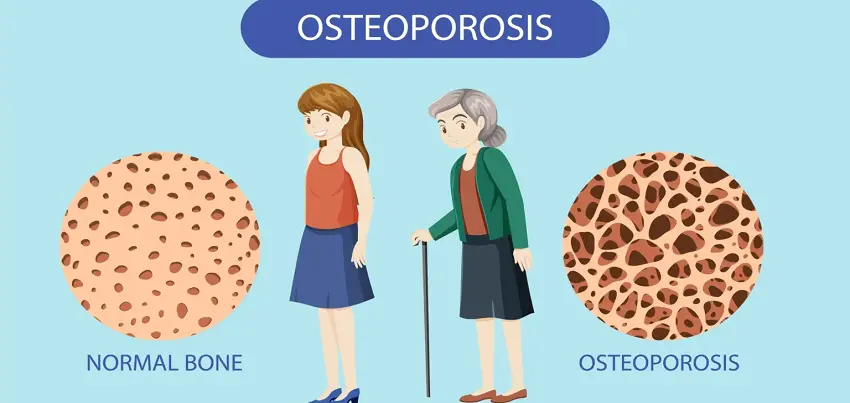
Osteoporosis Osteoporosis is a condition that affects the bones, causing them to become weak and brittle. This can increase the risk of fractures, particularly in the hip, spine, and wrist. Osteoporosis is most common in older adults, but it can occur at any age. Symptoms of osteoporosis can be difficult to detect in the early stages, as the condition often causes no pain or discomfort. However, as the disease progresses, symptoms may include back pain, a loss of height, and a hunched posture. Fractures can also occur with minimal trauma or even spontaneously. Diagnosis of osteoporosis typically begins with a physical examination and a review of medical history. Imaging tests such as a dual-energy X-ray absorptiometry (DXA) scan may be used to measure bone density, which can indicate the presence of osteoporosis. Blood tests may also be used to check for low levels of calcium and Vitamin D, which can contribute to the development of osteoporosis. Treatment for osteoporosis typically includes medications to slow or stop the loss of bone density, such as bisphosphonates, denosumab, and teriparatide. Hormone therapy may also be used in postmenopausal women. Lifestyle changes such as diet, exercise, and fall prevention measures are also important in managing osteoporosis. Prevention of osteoporosis is key, and there are several steps that can be taken to reduce the risk of developing the disease. One of the most important is to get enough calcium and Vitamin D, as these are essential for maintaining strong bones. It is also important to engage in regular weight-bearing and muscle-strengthening exercise, as this can help to keep bones strong. In addition to these preventive measures, a healthy diet and regular exercise can also help to reduce the risk of osteoporosis. Eating a diet rich in calcium and Vitamin D can help to keep bones strong, while regular exercise can help to boost the immune system and reduce the risk of infection. Annual health checkups are an important way to stay on top of your overall health, and can help to detect osteoporosis early. This is especially true for people who are at high risk for the disease, such as postmenopausal women, people with low body weight, and people with a family history of osteoporosis. Corporate health & wellness programs can also play a role in preventing osteoporosis. Many companies now offer health screenings and education programs to their employees to help them stay healthy and reduce their risk of developing osteoporosis. In conclusion, osteoporosis is a condition that affects the bones, causing them to become weak and brittle. It can increase the risk of fractures, particularly in older adults. It can be prevented by getting enough calcium and Vitamin D, engaging in regular weight-bearing and muscle-strengthening exercise, and having a healthy diet. Regular checkups, screenings, and corporate health & wellness programs can also play a key role in preventing osteoporosis. It’s important for people to take their bone health seriously and make sure to get regular checkups to detect any osteoporosis early, so that it can be treated more effectively.
Read More
Oral Cancer Oral cancer, also known as mouth cancer, is a type of cancer that affects the lips, tongue, gums, and other parts of the mouth. It can be a serious and life-threatening condition if not caught and treated early. Symptoms of oral cancer include sores or lumps in the mouth that do not heal, pain or difficulty swallowing, loose teeth, and changes in the way the teeth fit together. Other symptoms can include numbness or tingling in the face or tongue, hoarseness or a change in the voice, and red or white patches in the mouth. Diagnosis of oral cancer typically begins with a physical examination of the mouth, which may be followed by a biopsy of any suspicious areas. Other tests that may be used to diagnose oral cancer include X-rays, CT scans, and MRI scans. Treatment for oral cancer typically involves surgery to remove the cancerous cells, followed by radiation therapy and/or chemotherapy to kill any remaining cancer cells. In some cases, a combination of treatments may be used. Prevention of oral cancer is key, and there are several steps that can be taken to reduce the risk of developing the disease. One of the most important is to avoid tobacco and alcohol, as these are both major risk factors for oral cancer. It is also important to have regular dental checkups and screenings, as well as to practice good oral hygiene. In addition to these preventive measures, a healthy diet and regular exercise can also help to reduce the risk of oral cancer. Eating a diet rich in fruits and vegetables, as well as limiting processed foods, can help to protect against cancer. Similarly, regular exercise can help to boost the immune system and reduce the risk of developing cancer. Annual health checkups are an important way to stay on top of your overall health, and can help to detect oral cancer early. This is especially true for people who are at high risk for the disease, such as smokers and heavy drinkers. Corporate health & wellness programs can also play a role in preventing oral cancer. Many companies now offer health screenings and education programs to their employees to help them stay healthy and reduce their risk of developing cancer. In conclusion, oral cancer is a serious and life-threatening condition that can be prevented by avoiding tobacco and alcohol, practicing good oral hygiene, eating a healthy diet, and staying physically active. Regular checkups, screenings, and corporate health & wellness programs can also play a key role in preventing oral cancer. It’s important for people to take their oral health seriously and make sure to get regular checkups to detect any oral cancer early, so that it can be treated more effectively.
Read More
Obsessive Compulsive Disorder (OCD) Obsessive Compulsive Disorder (OCD) is a mental health condition characterized by persistent and recurring thoughts, impulses, or images that cause anxiety or distress (obsessions) and repetitive behaviors or mental acts that an individual feels driven to perform in response to an obsession or according to rigid rules (compulsions). This disorder can significantly impact an individual’s daily functioning and quality of life. Symptoms of OCD may include recurrent, persistent and unwanted thoughts or images, a persistent need to perform certain rituals or routines, a persistent need to check things, a persistent need to hoard things, excessive cleaning, and excessive counting. These symptoms can vary in severity and intensity, and can be distressing and disruptive to an individual’s daily life. Diagnosis of OCD is typically made by a mental health professional, such as a psychiatrist or psychologist, through a combination of a clinical interview, a thorough medical history and a physical examination. The practitioner may also use specific tools such as the Yale-Brown Obsessive Compulsive Scale (Y-BOCS) to evaluate the severity of symptoms. Common treatment methods for OCD include cognitive-behavioral therapy (CBT), particularly exposure and response prevention (ERP), medication, and a combination of both. Medications such as selective serotonin reuptake inhibitors (SSRIs) have been shown to be effective in reducing symptoms of OCD. In severe cases, electroconvulsive therapy (ECT) may be considered. Preventing OCD from occurring is not yet fully understood, but research suggests that early intervention and treatment can be effective in reducing the symptoms of OCD. Identifying and addressing potential risk factors, such as a family history of OCD or other mental health conditions, can be helpful in preventing the onset of symptoms. Annual health check-ups and corporate health and wellness programs can also play a role in preventing OCD. These programs can provide individuals with access to mental health professionals who can identify potential risk factors and provide early intervention and support. Diet and exercise can also play a role in preventing OCD. Eating a balanced diet that includes plenty of fruits and vegetables, whole grains, and lean proteins can help to promote overall mental and physical health. Regular exercise can also help to reduce stress and improve overall well-being. In addition, stress-reducing techniques such as yoga, deep breathing exercises, and meditation can help to manage symptoms of OCD. Incorporating mindfulness practices into daily routine can help individuals to recognize when obsessive thoughts or compulsive behaviors are arising and provide tools to manage them. In summary, Obsessive Compulsive Disorder (OCD) is a mental health condition characterized by persistent and recurring thoughts, impulses, or images that cause anxiety or distress (obsessions) and repetitive behaviors or mental acts that an individual feels driven to perform. Common treatment methods include cognitive-behavioral therapy (CBT), medication and a combination of both. Preventing OCD from occurring is not yet fully understood, but early intervention and treatment can be effective in reducing the symptoms of OCD. Identifying and addressing potential risk factors, such as a family history of OCD or other mental health conditions, can be helpful in preventing the onset of symptoms. Annual health check-ups and corporate health and wellness programs can also play a role in preventing OCD. Diet and exercise and stress-reducing techniques can also help to prevent and manage symptoms of OCD.
Read More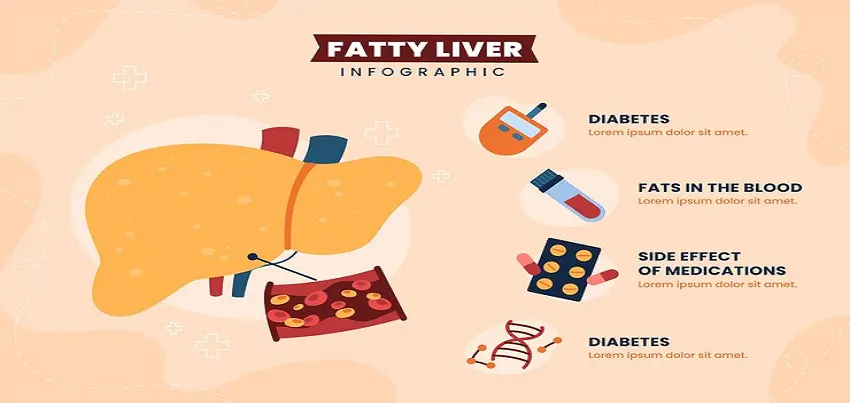
Nonalcoholic Fatty Liver Disease (NAFLD) Nonalcoholic fatty liver disease (NAFLD) is a condition characterized by the buildup of excess fat in the liver. It is a common condition that affects up to 25% of adults worldwide. NAFLD can lead to serious health complications, including liver inflammation, cirrhosis, and liver cancer. Symptoms of NAFLD are often subtle and may not be present in the early stages of the disease. However, as the condition progresses, symptoms may include fatigue, weakness, abdominal pain, and jaundice. In some cases, NAFLD can also cause weight loss, diabetes, and high cholesterol. Diagnosis of NAFLD is typically made through a physical examination and medical history. Blood tests may be performed to check for liver function, glucose, and lipid levels. Imaging tests such as ultrasound and CT scans may be used to assess the degree of liver damage. A liver biopsy may also be performed to confirm the diagnosis. Common treatment methods for NAFLD include weight loss, exercise, and a healthy diet. Medications such as statins and vitamin E may also be prescribed to improve liver function. In some cases, bariatric surgery may be recommended for individuals who are severely overweight. To prevent NAFLD from occurring, it is important to maintain a healthy diet and exercise regularly. Annual health check-ups and corporate health and wellness programs can help to ensure that individuals are receiving the necessary care and support to maintain a healthy lifestyle. Incorporating healthy fats such as olive oil, avocado, and nuts in your diet and limiting the intake of processed food, sugary drinks, and saturated fats can also be helpful. Regular exercise can also play a role in preventing NAFLD. Engaging in at least 30 minutes of moderate-intensity aerobic activity, such as brisk walking, cycling, or swimming, on most days of the week can help to improve insulin sensitivity, reduce inflammation, and lower the risk of NAFLD. In addition, it is important to manage any underlying conditions such as obesity, diabetes, and high cholesterol. Incorporating stress-reducing techniques such as yoga, deep breathing exercises, and meditation can also help to reduce the risk of NAFLD. In summary, Nonalcoholic fatty liver disease (NAFLD) is a condition characterized by the buildup of excess fat in the liver. It is a common condition that affects up to 25% of adults worldwide. NAFLD can lead to serious health complications, including liver inflammation, cirrhosis, and liver cancer. Diagnosis is typically made through a physical examination and medical history. Common treatment methods include weight loss, exercise, and a healthy diet. To prevent NAFLD from occurring, it is important to maintain a healthy diet and exercise regularly. Annual health check-ups and corporate health and wellness programs can help to ensure that individuals are receiving the necessary care and support to maintain a healthy lifestyle. Managing underlying conditions and incorporating stress-reducing techniques can also help to reduce the risk of NAFLD.
Read More
Nausea And Vomiting of Pregnancy Nausea and vomiting of pregnancy, also known as morning sickness, is a common condition that affects up to 80% of pregnant women. In some cases, the symptoms can be severe, leading to a condition called hyperemesis gravidarum. Hyperemesis gravidarum is characterized by excessive nausea and vomiting that can lead to weight loss, dehydration, and electrolyte imbalances. Symptoms of morning sickness include nausea, vomiting, and food aversions. These symptoms typically occur during the first trimester of pregnancy and can last up to 14 weeks. In some cases, the symptoms may persist throughout the entire pregnancy. Hyperemesis gravidarum is characterized by more severe symptoms, including excessive vomiting, weight loss, dehydration, and electrolyte imbalances. Diagnosis of morning sickness and hyperemesis gravidarum is typically made through a physical examination and medical history. Blood tests may be performed to check for dehydration and electrolyte imbalances. In some cases, imaging tests such as ultrasound may be used to rule out other causes of nausea and vomiting. Common treatment methods for morning sickness and hyperemesis gravidarum include anti-nausea medications, vitamin B6 supplements, and ginger. In some cases, hospitalization may be necessary to manage dehydration and electrolyte imbalances. To prevent morning sickness and hyperemesis gravidarum from occurring, it is important to maintain a healthy diet and exercise regularly. Annual health check-ups and corporate health and wellness programs can help to ensure that women are receiving the necessary care and support during their pregnancy. Eating smaller, more frequent meals, and avoiding foods and smells that trigger nausea can also be helpful. Diet and exercise can also play a role in preventing morning sickness and hyperemesis gravidarum. Eating a balanced diet that includes plenty of fruits and vegetables, whole grains, and lean proteins can help to keep nausea and vomiting at bay. Regular exercise can also help to reduce stress and improve overall health during pregnancy. In addition, incorporating stress-reducing techniques such as yoga, deep breathing exercises, and meditation can help to manage symptoms of morning sickness and hyperemesis gravidarum. In summary, morning sickness and hyperemesis gravidarum are common conditions that affect pregnant women. Symptoms include nausea, vomiting, and food aversions. Diagnosis is typically made through a physical examination and medical history. Common treatment methods include anti-nausea medications, vitamin B6 supplements, and ginger. To prevent these conditions from occurring, it is important to maintain a healthy diet and exercise regularly. Annual health check-ups and corporate health and wellness programs can also help to ensure that women are receiving the necessary care and support during their pregnancy.
Read More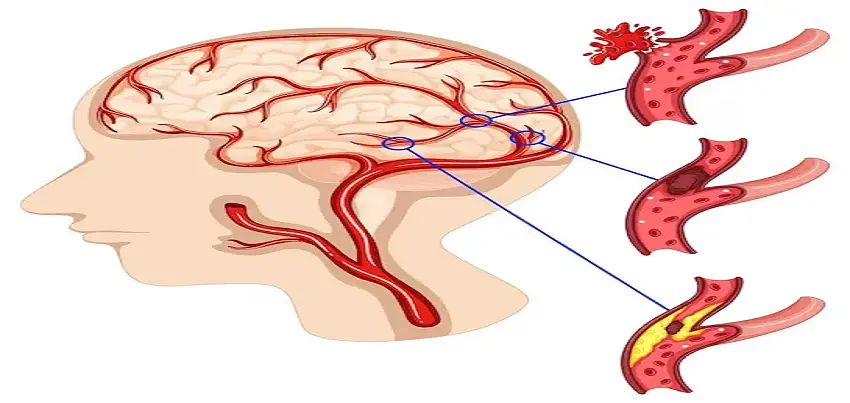
Stroke A stroke, also known as a cerebrovascular accident (CVA), is a medical emergency that occurs when blood flow to the brain is disrupted. This can happen as a result of a blocked or ruptured blood vessel, and it can have serious and long-lasting effects on the body and mind. In this blog post, we will discuss the symptoms, tests for diagnosis, common treatment methods, and ways to prevent a stroke from occurring. We will also discuss how annual health check-ups and corporate health and wellness programs can help prevent and manage the risk of stroke. The symptoms of a stroke can vary depending on the type of stroke and the area of the brain affected. Common symptoms include sudden numbness or weakness in the face, arm, or leg, especially on one side of the body; sudden confusion, trouble speaking or understanding speech; sudden trouble seeing in one or both eyes; sudden trouble walking, dizziness, loss of balance or coordination; and sudden severe headache with no known cause. These symptoms usually appear suddenly and can happen to anyone at any age, but the risk increases with age, high blood pressure, diabetes, high cholesterol, smoking, and obesity. Diagnosis of a stroke typically begins with a physical examination, which includes checking vital signs, such as blood pressure, heart rate, and breathing. A CT scan or MRI can be used to identify the type of stroke and the area of the brain affected. Additional tests, such as an angiogram or Doppler ultrasound, may be done to determine the cause of the stroke and to identify any underlying health issues that may have contributed to it. Treatment for a stroke depends on the type of stroke and the area of the brain affected. For ischemic strokes, which occur when a blood vessel to the brain is blocked, treatment may include administering a “clot-busting” drug, such as tPA, to dissolve the clot, and/or endovascular procedures to remove the clot. For hemorrhagic strokes, which occur when a blood vessel in the brain ruptures, treatment may include surgery to repair the ruptured vessel or to remove any accumulated blood. Rehabilitation, including physical, occupational and speech therapy, is also important for patients after a stroke to help them regain function and independence. Preventing a stroke from occurring can be done by managing risk factors such as high blood pressure, diabetes, high cholesterol, smoking, and obesity. This can be done through lifestyle changes, such as eating a healthy diet, getting regular physical activity, quitting smoking and managing stress. Medications can also be used to control blood pressure, cholesterol, and blood sugar levels. Annual health check-ups and corporate health and wellness programs can play an important role in preventing and managing the risk of stroke by providing information and resources on healthy lifestyle choices, screenings and risk assessments for early detection, and management of risk factors. Diet and exercise can also play a significant role in preventing a stroke. Eating a diet that is rich in fruits, vegetables, and whole grains, and low in saturated fat, sodium and added sugar can help reduce the risk of stroke. Getting regular physical activity, such as walking, cycling, or swimming, can also help lower blood pressure, improve circulation, and control weight. In conclusion, a stroke is a serious medical emergency that occurs when blood flow to the brain is disrupted. Symptoms can vary and range from numbness, weakness, confusion, trouble speaking, vision, walking and severe headache. Diagnosis and treatment depends on the type of stroke and the area of the brain affected. Prevention can be done by managing risk factors, such as high blood pressure, diabetes, high cholesterol, smoking, and obesity through lifestyle changes, medications and annual health check
Read MoreTop rated products
-
 Full Body Health Checkup I
Original price was: ₹3,000.00.₹1,770.00Current price is: ₹1,770.00.
Full Body Health Checkup I
Original price was: ₹3,000.00.₹1,770.00Current price is: ₹1,770.00.
-
 MFG IND PACK III
Original price was: ₹3,900.00.₹2,145.00Current price is: ₹2,145.00.
MFG IND PACK III
Original price was: ₹3,900.00.₹2,145.00Current price is: ₹2,145.00.
-
 Dengue NS1 Antigen Test
₹900.00
Dengue NS1 Antigen Test
₹900.00
-
 Lipoprotein (A) Blood Test – Lp(a)
₹750.00
Lipoprotein (A) Blood Test – Lp(a)
₹750.00
-
 Healthy Life Advance Male
Original price was: ₹15,000.00.₹8,250.00Current price is: ₹8,250.00.
Healthy Life Advance Male
Original price was: ₹15,000.00.₹8,250.00Current price is: ₹8,250.00.