PrognoHealth – Corporate Health & Wellness Specialist

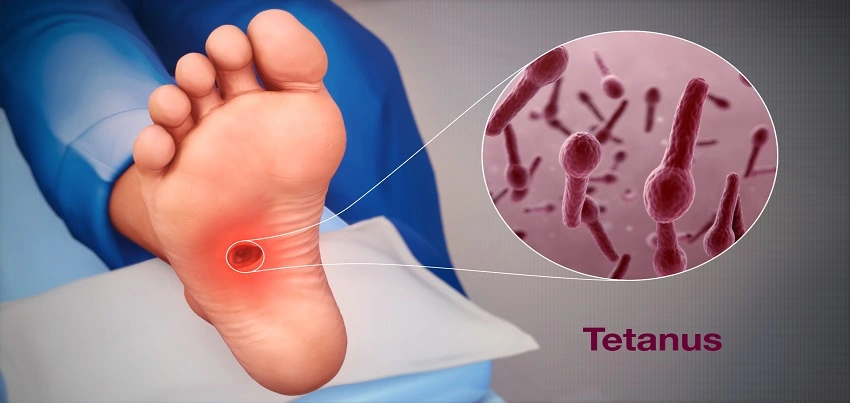
Tetanus Tetanus is a serious disease caused by a bacterial toxin that affects the nervous system. The bacteria responsible for tetanus, Clostridium tetani, are commonly found in soil, dust, and animal feces. Tetanus typically affects the muscles that control jaw movement, swallowing, and breathing, which can make it difficult to open the mouth, eat, and breathe. Symptoms of tetanus typically appear within 3 to 21 days after the initial infection. The early symptoms include muscle stiffness in the jaw and neck, difficulty swallowing, and a fever. As the disease progresses, the affected person may experience stiffness and spasms in other muscles, such as those in the chest, abdomen, and back. The spasms can be severe and can cause fractures and dislocations. In severe cases, tetanus can lead to respiratory failure and death. Diagnosis of tetanus is made by a medical professional based on the person’s symptoms and a history of a tetanus-prone wound. A blood test may be done to confirm the diagnosis. Treatment for tetanus typically includes a tetanus toxoid vaccine to prevent further infection and antibiotics to kill the bacteria. Spasms can be treated with medications such as diazepam, which helps to relax the muscles. In severe cases, the person may need to be placed on a ventilator to help with breathing. Preventing tetanus from occurring is key to protecting the health of individuals. This can be done by making sure that tetanus immunizations are up-to-date and cleaning and properly caring for wounds to prevent infection. Tetanus boosters are recommended every 10 years for adults and as part of a routine vaccination schedule for children. Annual health check-ups and corporate health & wellness programs can play a crucial role in preventing tetanus. These check-ups can help identify potential health risks, such as exposure to tetanus-causing bacteria, and provide individuals with the resources and support they need to stay healthy. Corporate health & wellness programs can also help promote healthy habits, such as regular exercise and a healthy diet, which can help reduce the risk of tetanus and other infectious diseases. In terms of diet and exercise, a healthy diet with plenty of fruits and vegetables can help improve the immune system, a strong immune system can help fight off infections. Regular exercise, such as brisk walking or cycling, can also help improve overall health and reduce the risk of infection. In conclusion, Tetanus is a serious disease caused by a bacterial toxin that affects the nervous system. Symptoms include muscle stiffness in the jaw and neck, difficulty swallowing, and fever. Tetanus can lead to severe muscle spasms and can be fatal if not treated promptly. To prevent tetanus from occurring, it is important to keep tetanus immunizations up-to-date and properly care for wounds to prevent infection. Annual health check-ups and corporate health & wellness programs can play a crucial role in preventing tetanus and promoting overall health. A healthy diet and regular exercise can also help reduce the risk of tetanus and other infectious diseases.
Read More
Vitamin B12 Deficiency Vitamin B12 is an essential nutrient that plays a vital role in maintaining good health. It is responsible for the production of red blood cells, DNA synthesis, and the proper functioning of the nervous system. However, a deficiency in vitamin B12 can lead to a variety of health problems. In this blog, we will discuss the symptoms, tests, treatment methods, and prevention of vitamin B12 deficiency, as well as the importance of annual health check-ups and corporate health and wellness programs in identifying and addressing this condition. Symptoms of vitamin B12 deficiency can be subtle and may take a long time to appear. Common symptoms include fatigue, weakness, constipation, loss of appetite, weight loss, nerve damage, depression, and memory loss. In severe cases, vitamin B12 deficiency can lead to anemia, which is a condition in which the body does not have enough red blood cells to carry oxygen to the body’s tissues. There are several tests that can be used to diagnose vitamin B12 deficiency, including blood tests to measure the levels of vitamin B12 and other vitamins and minerals in the body. The most common test for vitamin B12 deficiency is the serum vitamin B12 test, which measures the amount of vitamin B12 in the blood. Other tests that may be used to diagnose vitamin B12 deficiency include the methylmalonic acid test, the homocysteine test, and the Schilling test. The common treatment methods for vitamin B12 deficiency include supplementing with vitamin B12 in the form of tablets, injections, or nasal sprays. The recommended daily allowance of vitamin B12 is 2.4 micrograms per day for adults. Vitamin B12 supplements are available in various forms, including tablets, capsules, and injectable forms. People with pernicious anemia, a type of anemia caused by a lack of intrinsic factor, a protein needed to absorb vitamin B12, may need to receive vitamin B12 by injection or nasal spray. Preventing vitamin B12 deficiency is possible by including vitamin B12-rich foods in your diet and by taking vitamin B12 supplements. Good sources of vitamin B12 include meat, fish, eggs, and dairy products. Vegetarians and vegans are at a higher risk of vitamin B12 deficiency because they do not eat animal-based foods that are rich in vitamin B12. Diet and exercise can play an important role in preventing vitamin B12 deficiency. Eating a healthy and balanced diet that includes plenty of fruits, vegetables, whole grains, and lean protein can help to ensure that you are getting all of the essential vitamins and minerals that your body needs. Regular exercise can also help to boost your energy levels and improve your overall health. Annual health check-ups and corporate health and wellness programs can also be effective in identifying and addressing vitamin B12 deficiency. At an annual health check-up, a doctor or other healthcare professional can conduct a physical examination, take a medical history, and order blood tests to check your vitamin B12 levels. Corporate health and wellness programs can also help to identify employees who may be at risk for vitamin B12 deficiency and provide them with the necessary resources to address the condition. In conclusion, vitamin B12 deficiency is a serious condition that can lead to a variety of health problems. By understanding the symptoms, tests, treatment methods, and prevention of this condition, we can take steps to ensure that we are getting enough vitamin B12 in our diets and that we are taking the necessary steps to maintain good health. Annual health check-ups and corporate health and wellness programs can also play an important role in identifying and addressing vitamin B12 deficiency.
Read More
Tomato Allergy Tomato fever is not a recognized medical condition. Its referred to as tomato allergies, which is a rare but possible allergic reaction to tomatoes. Tomatoes belong to the nightshade family of plants, and similar to other members of this family, they can cause allergic reactions in some people. Symptoms of tomato allergy can vary widely, but they often include itching, hives, swelling of the face, lips, tongue, or throat, and difficulty breathing. These symptoms typically appear within minutes to hours after consuming tomatoes or products made from tomatoes. In severe cases, an allergic reaction to tomatoes can lead to anaphylaxis, a life-threatening condition that requires immediate medical attention. Diagnosis of tomato allergy is usually made through skin prick tests, blood tests, or oral food challenge tests. A skin prick test involves exposing a small area of skin to a small amount of tomato extract, and observing for any signs of an allergic reaction. A blood test can detect the presence of IgE antibodies to tomatoes, indicating an allergic response. An oral food challenge test is considered the gold standard for diagnosing food allergies, it involves consuming small amounts of the food in question under the supervision of an allergist. Treatment for tomato allergy typically involves avoiding tomatoes and products that contain tomatoes. If a person is exposed to tomatoes and experiences an allergic reaction, they may be given an antihistamine to reduce symptoms such as itching and hives, or an epinephrine injection to treat anaphylaxis. Prevention of tomato allergy is key to avoiding the condition altogether. Some effective methods of prevention include: 1] Avoiding tomatoes and products that contain tomatoes.2] Reading labels carefully and avoiding processed foods that may contain tomato derivatives.3] Educating oneself about cross-reactivity between tomato and other plants of the nightshade family.4] Carrying an epinephrine auto-injector with you in case of an emergency.5] In addition to these methods, annual health check-ups and corporate health & wellness programs can also play a key role in preventing tomato allergy.6]Through regular check-ups, individuals can identify and address any risk factors for the disease, such as family history of allergies, and catch any underlying issues that may cause an allergy.7]Corporate health & wellness programs can also promote healthy behaviors and practices among employees, such as education about food allergies, to reduce the risk of sensitivity. Diet and exercise also play an important role in preventing tomato allergy. Eating a balanced diet that is varied and does not heavily rely on tomatoes or nightshades can help protect from developing an allergy. Regular exercise can also help improve overall health and reduce the risk of allergies. It’s important to note that tomato allergies are relatively rare, and most people can consume tomatoes without any problems. If you have symptoms that you suspect are caused by a tomato allergy, consult with an allergist for proper diagnosis and treatment. “Tomato Allergy: Symptoms, Treatment, and Management Tomato allergy, although less common than other food allergies, can cause discomfort and adverse reactions in susceptible individuals. Understanding the symptoms, treatment options, and management strategies for tomato allergy is crucial for those affected. Let’s explore the key aspects of tomato allergy: Symptoms of Tomato Allergy: Skin Reactions: Itchy rash, hives, redness, or swelling. Respiratory Symptoms: Runny nose, sneezing, nasal congestion, coughing, wheezing, or shortness of breath. Gastrointestinal Issues: Nausea, vomiting, stomach pain, cramps, or diarrhea. Oral Allergy Syndrome (OAS): Itchy mouth, lips, throat, or tongue shortly after consuming tomatoes. Systemic Reactions: Anaphylaxis, characterized by severe allergic reactions affecting multiple organ systems, including difficulty breathing, rapid pulse, drop in blood pressure, and loss of consciousness (rare but potentially life-threatening). Diagnosis: If you suspect a tomato allergy, consult an allergist for proper evaluation and diagnosis. Diagnosis may involve: Detailed medical history Allergy testing, including skin prick tests or blood tests (specific IgE testing) Oral food challenge (in controlled medical settings) Treatment and Management: Avoidance: The primary treatment for tomato allergy is strict avoidance of tomatoes and tomato-based products. Symptom Relief: Over-the-counter antihistamines may help alleviate mild allergic reactions, such as itching or hives. Consult a healthcare professional for appropriate medication. Emergency Action Plan: Individuals with severe allergies, such as anaphylaxis, should have an emergency action plan in place, including the use of epinephrine auto-injectors (e.g., EpiPen) and seeking immediate medical attention. Cross-Reactivity and Oral Allergy Syndrome (OAS): Tomato allergy may be associated with cross-reactivity to other foods, particularly those within the same botanical family (Solanaceae), such as potatoes, eggplants, and peppers. OAS, also known as pollen-food syndrome, may cause oral symptoms in individuals allergic to tomatoes due to cross-reactivity with certain pollens. Managing Cross-Reactivity and OAS: Cooking or processing tomatoes may reduce allergenicity for some individuals. Avoiding raw tomatoes and opting for cooked or processed tomato products may help prevent OAS symptoms. Consultation with an allergist or dietitian can provide guidance on managing cross-reactive food allergies and developing a suitable diet plan. Lifestyle Considerations: Read food labels carefully to identify tomato-derived ingredients in packaged foods. Inform restaurant staff about your tomato allergy when dining out to prevent accidental exposure. Consider carrying an allergy action plan, medications, and emergency contact information at all times, especially if prone to severe allergic reactions. Conclusion: Tomato allergy can manifest with a variety of symptoms, ranging from mild to severe, and may require careful management to avoid adverse reactions. By understanding the symptoms, triggers, and treatment options for tomato allergy, individuals can take proactive steps to prevent allergic episodes and maintain overall well-being. Consulting with healthcare professionals and allergists can provide personalized guidance and support for managing tomato allergy effectively” Understanding Tomato Allergy : Tomatoes are a staple in many kitchens worldwide, known for their versatility and rich flavor. However, for some individuals, consuming tomatoes can trigger allergic reactions or food intolerances. Understanding these reactions is crucial for managing health and dietary choices. Let’s delve into tomato allergies and how they differ from intolerances, including the symptoms, causes, and dietary considerations. What is Tomato Allergy? A tomato allergy is an immune system response
Read More
Obesity Obesity is a growing public health concern that affects people of all ages and backgrounds. It is defined as having a body mass index (BMI) of 30 or higher, and it is characterised by an excessive accumulation of body fat. Obesity can lead to a number of serious health problems, including diabetes, heart disease, and certain types of cancer. Symptoms of obesity can include difficulty losing weight, feeling tired or short of breath, and experiencing joint pain or discomfort. However, many people with obesity do not experience any obvious symptoms, which is why regular health check-ups are so important. To diagnose obesity, a healthcare provider will typically measure a person’s height, weight, and waist circumference, and calculate their BMI. Other tests, such as blood tests, may also be used to determine if a person has any related health conditions, such as diabetes or high cholesterol. Common treatment methods for obesity include lifestyle changes, such as diet and exercise, as well as medication and weight loss surgery. Lifestyle changes are generally considered the first line of treatment, and can include a combination of healthy eating, regular physical activity, and behaviour modification therapy. Medications, such as weight loss pills, can also be used to help people lose weight, but they should be used in conjunction with other methods. Surgery, such as gastric bypass or sleeve gastrectomy, may be an option for those who are severely overweight and have not been able to lose weight through other means. Preventing obesity from occurring in the first place is crucial to maintaining good health. Some effective ways to prevent obesity include:Eating a healthy diet that is rich in fruits, vegetables, and whole grains, and low in added sugars and saturated fats.Getting regular physical activity, such as 30 minutes of moderate-intensity exercise most days of the week.Maintaining a healthy weight through regular health check-ups, which can help identify any potential weight-related problems early on. Corporate health and wellness programs can also play a key role in preventing obesity by encouraging employees to make healthy lifestyle choices. These programs may include things like onsite fitness classes, healthy eating options in the workplace, and access to health and wellness resources. In addition to the above mentioned tips, an individual can also focus on incorporating the following in their daily routine to maintain a healthy weightEating a diet that is high in fiber, lean protein, and healthy fats.Avoiding foods that are high in added sugars and saturated fats, such as processed foods, fast foods, and sugary drinks.Incorporating regular physical activity, such as brisk walking, jogging, cycling, or swimming, into your daily routine.Getting enough sleep, as lack of sleep can contribute to weight gain.In conclusion, obesity is a serious health concern that can lead to a number of chronic diseases. Regular health check-ups, along with healthy eating and regular physical activity, are key to preventing and treating obesity. Corporate health and wellness programs can also play an important role in promoting healthy lifestyle choices among employees. By taking steps to prevent and manage obesity, individuals can improve their overall health and quality of life.
Read More
Infertility Infertility is a condition in which a person is unable to conceive or carry a pregnancy to term. It affects both men and women and can have a significant impact on a person’s physical and emotional well-being. Symptoms of infertility can vary depending on the underlying cause, but some common signs include irregular menstrual cycles, difficulty getting pregnant, and pain or discomfort during intercourse. Men may experience symptoms such as difficulty maintaining an erection, low sperm count, or a lack of sperm motility. To diagnose infertility, a doctor will typically begin by performing a physical examination and taking a medical history. Additional tests may include blood tests to check hormone levels, a semen analysis for men, and imaging tests such as ultrasound or x-ray to check for structural issues in the reproductive organs. Common treatment methods for infertility include medication to regulate hormones and increase the chances of ovulation in women, and assisted reproductive technologies such as in-vitro fertilization (IVF) and intracytoplasmic sperm injection (ICSI) for both men and women. To prevent infertility, it is important to maintain a healthy lifestyle. This includes eating a balanced diet, getting regular exercise, and maintaining a healthy weight. It is also important to avoid smoking, as it can damage the reproductive organs and decrease fertility. Annual health check-ups and corporate health & wellness programs can also play a role in preventing infertility. These programs can help to identify individuals who may be at risk of developing the condition and provide them with the necessary education and resources to make lifestyle changes to prevent it. Diet and exercise can also be important in preventing infertility. Eating a diet that is rich in fruits, vegetables, and whole grains can help to maintain a healthy weight and balance hormones. Regular exercise can also improve overall health and increase the chances of conception. It’s also important to be aware of environmental factors that can negatively impact fertility. Chemicals such as pesticides and heavy metals, radiation and certain medications can affect fertility. It’s important to work closely with your doctor to identify any potential sources of exposure and take steps to avoid or mitigate them. Incorporating annual health check-ups and corporate health & wellness programs can also be very helpful in preventing infertility. These programs can help identify individuals who may be at risk of developing the condition and provide them with the necessary education and resources to make lifestyle changes to prevent it. Overall, infertility is a complex condition that can have a significant impact on a person’s physical and emotional well-being. By maintaining a healthy lifestyle, participating in annual health check-ups and corporate health & wellness programs, and being aware of environmental factors that can negatively impact fertility, individuals can reduce their risk of developing the condition and improve their chances of having a family.
Read More
Sarcoma Sarcoma is a type of cancer that develops in the connective tissues of the body, such as bones, muscles, cartilage, and fat. It is a rare form of cancer, accounting for less than 1% of all cancer cases. Sarcoma can occur in any part of the body, but it is most commonly found in the arms, legs, and torso. Symptoms of sarcoma can vary depending on the location of the tumor. Common symptoms include:Pain or swelling in the affected areaFatigueLoss of appetiteWeight lossDifficulty moving the affected limbA lump or mass that can be felt under the skin To diagnose sarcoma, a variety of tests may be used, including:X-ray: to detect bone tumorsCT scan: to create detailed images of the inside of the bodyMRI: to create detailed images of the soft tissue tumorsBiopsy: to remove a small sample of tissue from the tumor for examination under a microscope Common treatment methods for sarcoma include:Surgery: to remove the tumor and some surrounding healthy tissueRadiation therapy: to use high-energy radiation to kill cancer cellsChemotherapy: to use drugs to kill cancer cellsTargeted therapy: touse drugs that target specific proteins in cancer cells Preventing sarcoma from occurring is difficult, as the exact cause of the disease is unknown. However, there are a few steps that can be taken to reduce the risk of developing sarcoma. One way to reduce the risk of sarcoma is to undergo annual health check-ups. During these check-ups, a doctor will perform a physical examination and may order additional tests to detect any potential health issues. Corporate health & wellness programs can also play a role in preventing sarcoma. These programs may include offering employees access to healthy foods, encouraging physical activity, and providing resources for stress management. Diet and exercise can also be important in preventing sarcoma. Eating a diet that is rich in fruits, vegetables, and whole grains can help to boost the immune system and reduce the risk of cancer. Regular physical activity can also help to reduce the risk of cancer by maintaining a healthy weight and reducing inflammation. In conclusion, sarcoma is a rare form of cancer that develops in the connective tissues of the body. Symptoms can vary depending on the location of the tumor and can include pain, swelling, and a lump or mass under the skin. Diagnosis of sarcoma is made through a variety of tests, including x-ray, CT scan, MRI, and biopsy. Treatment options include surgery, radiation therapy, chemotherapy, and targeted therapy. While the exact cause of sarcoma is unknown, steps can be taken to reduce the risk of developing the disease, including undergoing annual health check-ups, participating in corporate health & wellness programs and maintaining a healthy diet and regular physical activity.
Read More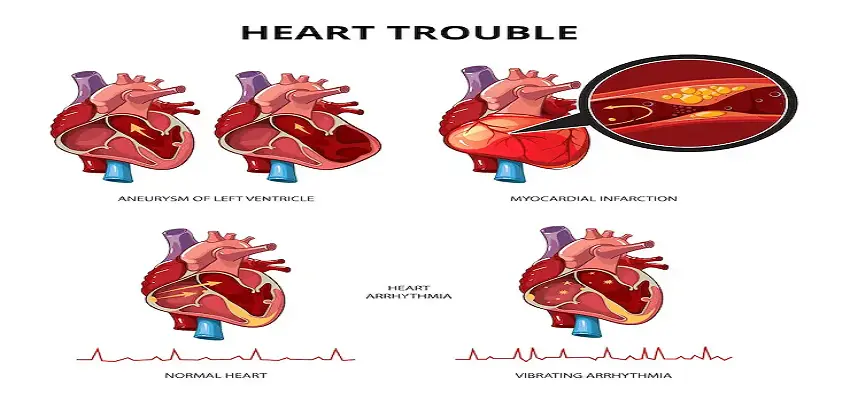
Myocardial Myocardial Infarction, also known as a heart attack, occurs when the blood flow to a section of the heart is blocked, resulting in damage or death of the heart muscle. This can happen due to a variety of reasons, including the buildup of plaque in the coronary arteries, blood clots, or a spasm of the coronary artery. Symptoms of a heart attack can vary, but common signs include chest pain or discomfort, shortness of breath, and discomfort in the arms, neck, jaw, or back. Other symptoms may include nausea, sweating, and lightheadedness. It is important to note that not all heart attacks present with the classic symptoms of chest pain, and some individuals may experience a heart attack without any symptoms at all. Diagnosis of a heart attack typically involves a combination of tests, including an electrocardiogram (ECG), blood tests, and imaging tests such as a computed tomography (CT) scan or magnetic resonance imaging (MRI). These tests can help to confirm the diagnosis and determine the extent of the damage to the heart. Common treatment methods for a heart attack include medications such as aspirin and thrombolytics to dissolve blood clots, as well as angioplasty or coronary artery bypass surgery to restore blood flow to the heart. In some cases, lifestyle changes such as quitting smoking, managing stress, and making changes to diet and exercise habits can also play a role in recovery. Preventing a heart attack is key to maintaining good heart health. Annual health check-ups can help identify potential risk factors for a heart attack, such as high blood pressure or cholesterol, and provide an opportunity to discuss prevention strategies with a healthcare provider. Corporate health and wellness programs can also help to promote healthy habits among employees, such as regular exercise, healthy eating, and stress management. Diet and exercise are key components of preventing a heart attack. Eating a diet rich in fruits, vegetables, whole grains, and lean proteins can help to lower the risk of heart disease. Regular exercise, such as brisk walking or cycling, can also help to improve cardiovascular health. It is important to keep your weight in check, as obesity is a major risk factor for heart disease. In addition to regular check-ups, corporate health and wellness programs can also help to promote healthy habits among employees, such as regular exercise, healthy eating, and stress management. These programs can include things like on-site fitness classes, healthy food options in the workplace, and stress management resources. In conclusion, Myocardial Infarction or Heart Attack is a serious condition caused by the blockage of blood flow to the heart. Symptoms of a heart attack can vary, and it is important to seek medical attention immediately if you suspect that you or someone you know may be experiencing a heart attack. Annual health check-ups, corporate health and wellness programs, diet, and exercise can all play a role in preventing a heart attack. It is important to be aware of the risk factors and take steps to lower your risk. With appropriate care and management, heart attacks can be prevented, and the risk of complications can be reduced.
Read More
Malaria Malaria is a serious and potentially life-threatening disease caused by the Plasmodium parasite. It is transmitted to humans through the bite of an infected mosquito. The symptoms of malaria can vary depending on the type of Plasmodium parasite responsible for the infection, but they typically include fever, chills, headache, muscle pain, and fatigue. In severe cases, malaria can lead to anemia, kidney failure, brain damage, and even death. Diagnosis of malaria is typically made based on the presence of symptoms and a history of exposure to the disease. A laboratory test called a malaria rapid diagnostic test (RDT) or a blood smear can be used to confirm the diagnosis. The RDTs detect the presence of the malaria parasite in the blood and the blood smear can identify the species of the parasite. Common treatment methods for malaria include administering antimalarial drugs such as artemisinin-based combination therapies (ACTs). The choice of drugs and the duration of treatment depend on the type of Plasmodium parasite responsible for the infection, the patient’s symptoms, and their overall health. In severe cases, hospitalization may be required for supportive care and to prevent complications. Preventing malaria from occurring is important for both individuals and the community as a whole. The best way to prevent malaria is to prevent the mosquito bites that transmit the disease. This can be done by using mosquito repellents, sleeping under bed nets, and wearing protective clothing. Annual health check-ups are a valuable tool in preventing malaria, as they allow individuals to be aware of their health status and take steps to improve it. A health check-up can help detect malaria early and provide appropriate treatment. Corporate health and wellness programs can also play a key role in preventing malaria by promoting preventive measures and providing employees with access to annual health check-ups. In addition to preventive measures, there are several lifestyle changes that can be made to help prevent malaria. Eating a healthy diet and engaging in regular physical activity can help boost the immune system, making it more effective at fighting off infections. In terms of diet, it is important to consume a variety of nutrient-dense foods such as fruits and vegetables, lean proteins, and whole grains. These foods provide the vitamins and minerals needed to support a strong immune system. Exercise is also an important part of preventing malaria. Regular physical activity can help improve overall health and decrease the risk of infections. Aim for at least 30 minutes of moderate-intensity exercise most days of the week. In conclusion, malaria is a serious and potentially life-threatening disease caused by the Plasmodium parasite. It is transmitted to humans through the bite of an infected mosquito. The best way to prevent malaria is to prevent the mosquito bites that transmit the disease. Annual health check-ups are a valuable tool in preventing malaria, as are corporate health and wellness programs. Eating a healthy diet and engaging in regular physical activity are also important for supporting a strong immune system and preventing malaria.
Read More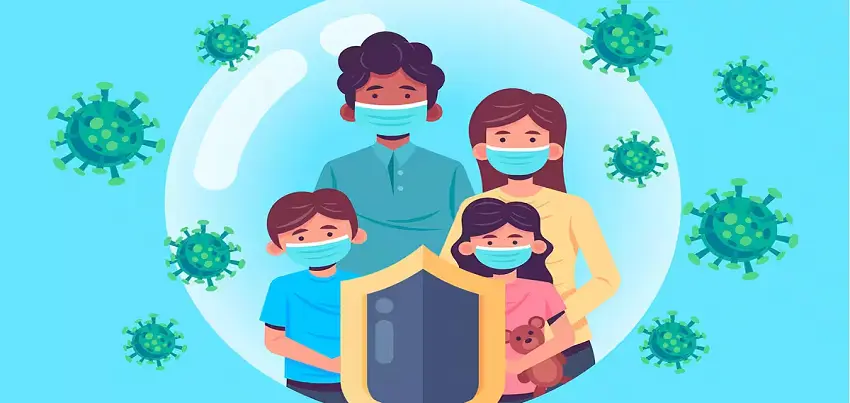
Long COVID Long COVID, also known as post-acute sequelae of SARS-CoV-2 infection (PASC) or post-acute sequelae of COVID-19 (PASC-19), refers to the persistence of symptoms following acute COVID-19 infection. These symptoms can range from mild to severe, and can include fatigue, brain fog, shortness of breath, chest pain, and heart palpitations. Diagnosis of Long COVID can be challenging, as there is currently no definitive test for the condition. Symptoms can be similar to those of other illnesses, such as chronic fatigue syndrome or fibromyalgia. To diagnose Long COVID, doctors may perform a physical examination and take a patient’s medical history, including information about their COVID-19 infection. They may also order blood tests, imaging tests, or other diagnostic tests to rule out other conditions. Common treatment methods for Long COVID include rest, physical therapy, and medication to manage symptoms. Antidepressants and anti-anxiety medications may be prescribed to help with emotional and mental symptoms. In addition, some doctors may recommend taking supplements such as vitamin D or magnesium to help improve overall health and reduce symptoms. To prevent Long COVID from occurring, it is important to practice good infection control measures, such as handwashing, wearing a mask, and practicing social distancing. Additionally, getting the COVID-19 vaccine can help protect against severe illness and long-term effects of the virus. Diet and exercise are also important in preventing Long COVID. A healthy diet that is rich in fruits, vegetables, and whole grains can help boost the immune system and reduce inflammation. Exercise, such as walking, cycling, or swimming, can also help to improve overall health and reduce symptoms. Annual health check-ups and corporate health & wellness programs can also play a role in preventing Long COVID. Annual health check-ups can help to identify potential health issues early, while corporate health & wellness programs can help to promote healthy lifestyle choices and prevent illness. In conclusion, Long COVID is a condition that can occur following acute COVID-19 infection, with symptoms that can range from mild to severe. Diagnosis can be challenging and treatment includes rest, physical therapy, and medication to manage symptoms. To prevent Long COVID, it is important to practice good infection control measures, get the COVID-19 vaccine, maintain a healthy diet and exercise, and utilize annual health check-ups and corporate health & wellness programs.
Read More
Adult Inclusion Conjunctivitis Adult inclusion conjunctivitis, also known as chlamydia conjunctivitis, is a type of eye infection caused by the bacteria Chlamydia trachomatis. It typically affects adults, and can lead to serious complications if left untreated.Symptoms of Adult Inclusion Conjunctivitis:The symptoms of adult inclusion conjunctivitis can include red, swollen eyes, discharge from the eyes, and burning or itching. In some cases, the infection may also cause blurred vision.Tests for Diagnosis:To diagnose adult inclusion conjunctivitis, a healthcare provider will typically perform an eye examination and take a sample of the eye discharge for testing. The sample will be examined under a microscope to look for the presence of the Chlamydia trachomatis bacteria.Common Treatment Methods:Treatment for adult inclusion conjunctivitis typically involves the use of antibiotics to kill the bacteria causing the infection. These antibiotics may be given as eyed drops, ointment, or pills.Preventing Adult Inclusion Conjunctivitis:To prevent adult inclusion conjunctivitis, it is important to practice good hygiene and take steps to avoid spreading the infection. This includes washing your hands regularly, avoiding touching or rubbing your eyes, and avoiding sharing personal items such as towels or makeup.Diet and Exercise to Prevent Adult Inclusion Conjunctivitis:A healthy diet and regular exercise can help to boost the immune system and reduce the risk of infection. Eating a diet that is rich in fruits and vegetables, and getting enough vitamins, such as Vitamin A, C, and E, can help to support a healthy immune system. Regular exercise can also help to boost immunity and reduce stress, which can make you more susceptible to infections.Health check-up corporate health and wellness programs can help to identify and prevent Adult Inclusion Conjunctivitis by providing employees with regular screenings and education about good hygiene practices. These programs can also provide employees with access to fitness and nutrition resources and support.In summary, Adult Inclusion Conjunctivitis is a type of eye infection caused by the bacteria Chlamydia trachomatis. The symptoms can include red, swollen eyes, discharge from the eyes, and burning or itching. To diagnose it, a healthcare provider will typically perform an eye examination and take a sample of the eye discharge for testing. The common treatment methods include the use of antibiotics to kill the bacteria causing the infection. To prevent it, it’s important to practice good hygiene and take steps to avoid spreading the infection. A healthy diet and regular exercise can help to boost the immune system and reduce the risk of infection. Corporate health and wellness programs can help to identify and prevent Adult Inclusion Conjunctivitis by providing employees with regular screenings and education about good hygiene practices.
Read MoreTop rated products
-
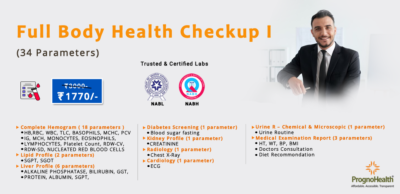 Full Body Health Checkup I
Original price was: ₹3,000.00.₹1,770.00Current price is: ₹1,770.00.
Full Body Health Checkup I
Original price was: ₹3,000.00.₹1,770.00Current price is: ₹1,770.00.
-
 MFG IND PACK III
Original price was: ₹3,900.00.₹2,145.00Current price is: ₹2,145.00.
MFG IND PACK III
Original price was: ₹3,900.00.₹2,145.00Current price is: ₹2,145.00.
-
 Dengue NS1 Antigen Test
₹900.00
Dengue NS1 Antigen Test
₹900.00
-
 Lipoprotein (A) Blood Test – Lp(a)
₹750.00
Lipoprotein (A) Blood Test – Lp(a)
₹750.00
-
 Healthy Life Advance Male
Original price was: ₹15,000.00.₹8,250.00Current price is: ₹8,250.00.
Healthy Life Advance Male
Original price was: ₹15,000.00.₹8,250.00Current price is: ₹8,250.00.