PrognoHealth – Corporate Health & Wellness Specialist

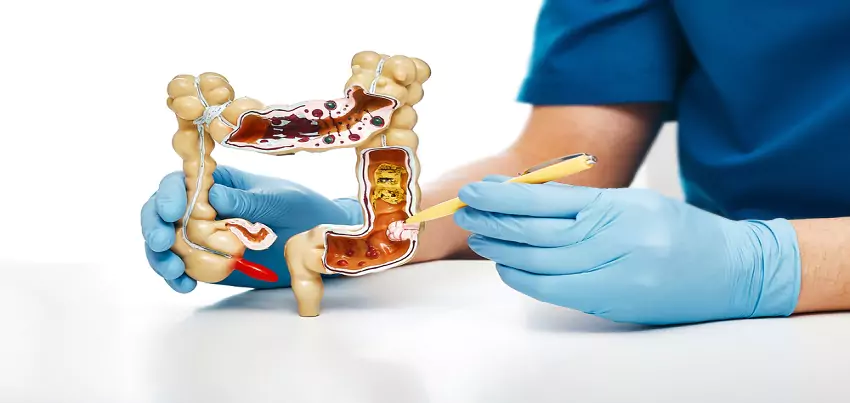
Colorectal Cancer Colorectal cancer, also known as colon cancer or rectal cancer, is the third most common cancer in both men and women in the United States. It occurs when abnormal cells in the colon or rectum grow out of control and form a tumor. Symptoms of colorectal cancer can include: Blood in the stool A change in bowel habits, such as constipation or diarrhea Abdominal pain or cramping Fatigue or weakness Unexpected weight loss It’s important to note that many of these symptoms can also be caused by other conditions, so it’s important to see a doctor if you experience any of them. There are several tests that can be used to diagnose colorectal cancer, including:Colonoscopy: A procedure in which a long, flexible tube with a camera is inserted into the rectum and used to examine the entire colonSigmoidoscopy: Similar to a colonoscopy, but only examines the lower part of the colon Fecal occult blood test: A test to check for blood in the stool, which can be a sign of cancerStool DNA test: A test that looks for abnormal DNA in the stool, which can be a sign of cancer If colorectal cancer is diagnosed, common treatment methods include surgery to remove the tumor, chemotherapy to kill cancer cells, and radiation therapy to shrink the tumor. The choice of treatment will depend on the stage and location of the cancer, as well as the patient’s overall health. Annual health check-ups and corporate health and wellness programs can play a critical role in the prevention of colorectal cancer. Regular screenings, such as colonoscopies, can help detect colorectal cancer in its early stages when it is most treatable. In addition to regular screenings, there are several lifestyle changes that can help reduce the risk of colorectal cancer. These include: Eating a diet high in fruits, vegetables, and whole grains Exercising regularly Avoiding tobacco and excessive alcohol consumption Maintaining a healthy weight Corporate health and wellness programs can also help to promote healthy lifestyle choices and prevent colorectal cancer by offering employees education and resources on healthy eating and exercise, as well as access to regular screenings and other preventive care. In summary, colorectal cancer is a common cancer that can be prevented and treated effectively through regular screenings and healthy lifestyle choices. Annual health check-ups and corporate health and wellness programs can play a critical role in the early detection and prevention of colorectal cancer.
Read More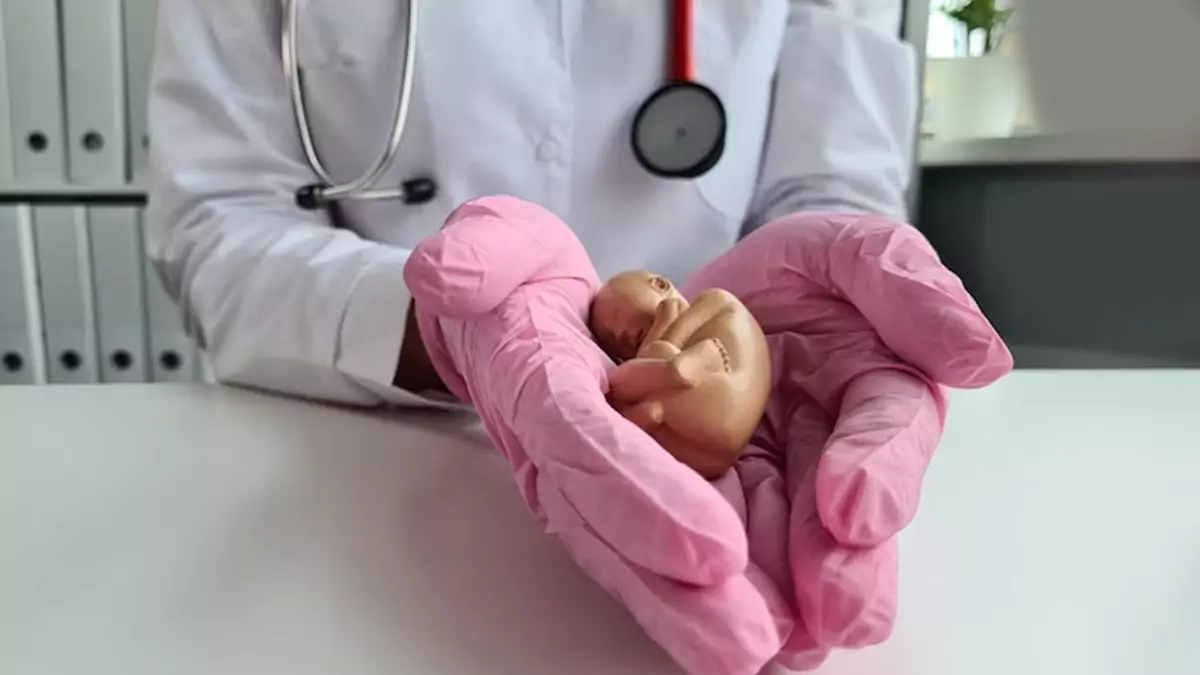
Congenital Anomalies Congenital anomalies, also known as birth defects, are structural or functional abnormalities present at birth that can affect various systems of the body. These anomalies can range from minor physical abnormalities to life-threatening conditions and can occur due to a combination of genetic and environmental factors. Symptoms of congenital anomalies vary depending on the type and severity of the defect. Some common symptoms include abnormal physical characteristics, difficulty with movement or coordination, difficulty with feeding or breathing, and developmental delays. Diagnosis of congenital anomalies is typically made during pregnancy through prenatal testing such as ultrasound, amniocentesis, or chorionic villus sampling. After birth, a physical examination and various imaging tests such as X-rays or MRI can be used to confirm the diagnosis. Treatment for congenital anomalies varies depending on the specific condition and can include surgery, medication, physical therapy, and other therapies. Some birth defects may require multiple surgeries and ongoing treatment throughout a person’s life. Preventing congenital anomalies involves understanding the risk factors and taking steps to reduce exposure to potential causes. This can include controlling infectious diseases, managing chronic health conditions, avoiding certain medications during pregnancy, and maintaining a healthy lifestyle. Annual health check-ups can be a valuable tool in preventing congenital anomalies. These check-ups can identify potential health risks and allow for early intervention and management of chronic health conditions. Corporate health and wellness programs can also play a role in preventing congenital anomalies by promoting healthy lifestyle choices and providing access to preventative care. A healthy diet and regular exercise are also important in preventing congenital anomalies. Eating a diet rich in fruits, vegetables, and whole grains, and low in processed foods can help reduce the risk of certain birth defects. Regular exercise can also help maintain a healthy weight, improve overall health, and reduce the risk of certain congenital anomalies. In conclusion, congenital anomalies are structural or functional abnormalities present at birth that can affect various systems of the body. These anomalies can range from minor physical abnormalities to life-threatening conditions and can occur due to a combination of genetic and environmental factors. While some birth defects may not be preventable, there are steps that can be taken to reduce the risk, such as controlling infectious diseases, managing chronic health conditions, avoiding certain medications during pregnancy, and maintaining a healthy lifestyle. Annual health check-ups, corporate health and wellness programs, a healthy diet and regular exercise are also important in preventing congenital anomalies.
Read More
Childhood exotropia Childhood exotropia is a type of strabismus, or misalignment of the eyes, in which one eye turns outward. It is a relatively common condition that affects about 2-4% of children. Children with exotropia may have difficulty with depth perception and may experience double vision. Symptoms of childhood exotropia can vary depending on the severity of the condition and the age of the child. Common symptoms include crossing or turning out of one eye, difficulty with depth perception, double vision, and headaches. Children may also have difficulty with fine motor skills such as writing and drawing, and may have trouble with reading and sports. To diagnose childhood exotropia, a comprehensive eye examination is typically performed. This may include a visual acuity test, which measures the child’s ability to see clearly at various distances, and a visual field test, which measures the child’s peripheral vision. The doctor may also perform a cover test, in which the child’s eyes are covered one at a time to check for misalignment. Treatment for childhood exotropia will depend on the severity of the condition and the age of the child. In some cases, glasses or contact lenses may be prescribed to help the child see more clearly. In other cases, surgery may be recommended to correct the misalignment. To prevent childhood exotropia from occurring, it is important to have regular eye exams, especially during childhood. Annual health check-ups can help to identify any vision problems early on, and corporate health and wellness programs can help to promote healthy habits and reduce the risk of eye problems. Diet and exercise can also play a role in preventing childhood exotropia. A healthy diet that is rich in fruits, vegetables, and whole grains can help to promote good vision and reduce the risk of eye problems. Regular exercise can also help to improve overall health and reduce the risk of chronic conditions such as obesity, which can increase the risk of exotropia. In summary, Childhood exotropia is a type of strabismus where one eye turns outward and it is relatively common affecting 2-4% of children. Symptoms include crossing or turning out of one eye, difficulty with depth perception, double vision, and headaches, difficulty with fine motor skills and trouble with reading and sports. To diagnose childhood exotropia, a comprehensive eye examination is typically performed. Treatment for childhood exotropia will depend on the severity of the condition and the age of the child. To prevent childhood exotropia from occurring, it is important to have regular eye exams, especially during childhood, and corporate health and wellness programs can help to promote healthy habits and reduce the risk of eye problems. Diet and exercise can also play a role in preventing childhood exotropia by promoting good vision and reducing the risk of eye problems.
Read More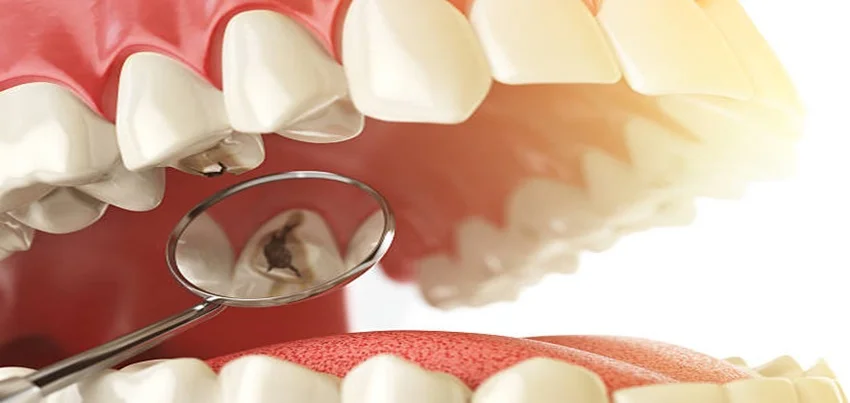
Cavities Cavities, also known as tooth decay or dental caries, are a common oral health problem caused by the buildup of bacteria in the mouth. These bacteria produce acid that erodes the surface of the teeth, leading to the formation of small holes or “cavities.” Symptoms of cavities can vary depending on the severity of the decay, but common signs include tooth sensitivity, pain, and visible holes or discoloration in the affected teeth. In some cases, cavities may not cause any symptoms at all. Diagnosis of cavities is typically made through a physical examination of the teeth by a dentist or dental hygienist. The dentist may use a small mirror or probe to examine the teeth, or may take X-rays to identify any cavities that may not be visible to the naked eye. Common treatment methods for cavities include fillings, inlays, onlays, or crowns. The appropriate treatment will depend on the size, location, and severity of the decay. In some cases, a root canal or extraction may be necessary if the decay has advanced to the pulp of the tooth. Preventing cavities from occurring can be achieved by maintaining good oral hygiene habits, such as brushing and flossing regularly and visiting the dentist for regular check-ups. Additionally, reducing the frequency of sugary and acidic foods and drinks in the diet can help to lower the risk of tooth decay. Annual health check-ups and corporate health & wellness programs can also play an important role in preventing cavities. During these check-ups, a dental exam can be performed to identify any potential risk factors for decay and make recommendations for preventive measures. In terms of diet and exercise, there is evidence to suggest that a diet rich in fruits, vegetables, and whole grains can help to promote oral health and lower the risk of cavities. Additionally, regular physical activity can help to improve overall health, which can also have positive effects on oral health. It is important to note that cavities are a preventable condition, and regular visits to the dentist can help to identify and treat decay early on. With the help of annual health check-ups and corporate health & wellness programs, early diagnosis and treatment can be ensured for the best possible outcome.
Read More
Carpal Tunnel Syndrome (CTS) is a common condition that affects the hand and wrist. It is caused by the compression of the median nerve, which runs through a narrow passage in the wrist called the carpal tunnel.
Read More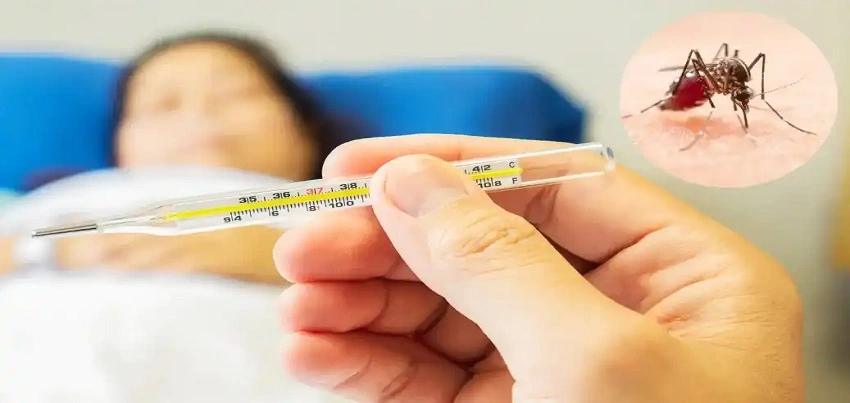
Dengue fever Dengue fever is a viral illness transmitted by the bite of an infected mosquito. It is common in tropical and subtropical regions and can cause severe flu-like symptoms. The symptoms of dengue fever can vary in severity, but common symptoms include fever, headache, muscle and joint pain, fatigue, and a rash. In severe cases, dengue fever can lead to dengue hemorrhagic fever, which can be fatal. Diagnosis of dengue fever is typically made based on the individual’s symptoms and a physical examination. Blood tests, such as a complete blood count (CBC) and a platelet count, may also be performed to help confirm the diagnosis. In some cases, a viral culture or a PCR test may also be done to detect the presence of the dengue virus in the individual’s blood. Treatment for dengue fever primarily involves relieving symptoms and providing supportive care. This may include the use of pain relievers, such as acetaminophen, to reduce fever and muscle pain. Drinking plenty of fluids is also important to help prevent dehydration. In severe cases, hospitalization may be required, and the individual may need to receive fluids and blood transfusions. Preventing dengue fever involves taking steps to avoid mosquito bites. This may include wearing long-sleeved shirts and pants, using mosquito repellent, and staying indoors during times when mosquitoes are most active, typically early in the morning and at dusk. Additionally, it’s important to eliminate standing water around your home, as mosquitoes breed in stagnant water. Diet and exercise can also play a role in preventing dengue fever. Eating a balanced diet that is rich in fruits, vegetables, and lean protein can help to boost the immune system and reduce the risk of infection. Regular physical activity can also help to improve overall health and reduce the risk of developing dengue fever. Annual health check-ups can also be an effective way to detect and prevent dengue fever. During these check-ups, individuals can discuss any symptoms they may be experiencing with their doctor and have a blood test to detect the presence of the dengue virus. Corporate health and wellness programs can also be implemented in the workplace to promote healthy habits and prevent the development of dengue fever among employees. In conclusion, Dengue fever is a viral illness transmitted by the bite of an infected mosquito. It is common in tropical and subtropical regions and can cause severe flu-like symptoms. The symptoms of dengue fever can vary in severity, but common symptoms include fever, headache, muscle and joint pain, fatigue, and a rash. Treatment for dengue fever primarily involves relieving symptoms and providing supportive care. Preventing dengue fever involves taking steps to avoid mosquito bites, eliminating standing water, eating a balanced diet, regular physical activity and annual health check-ups. Corporate health and wellness programs can also be effective in preventing dengue fever among employees.
Read More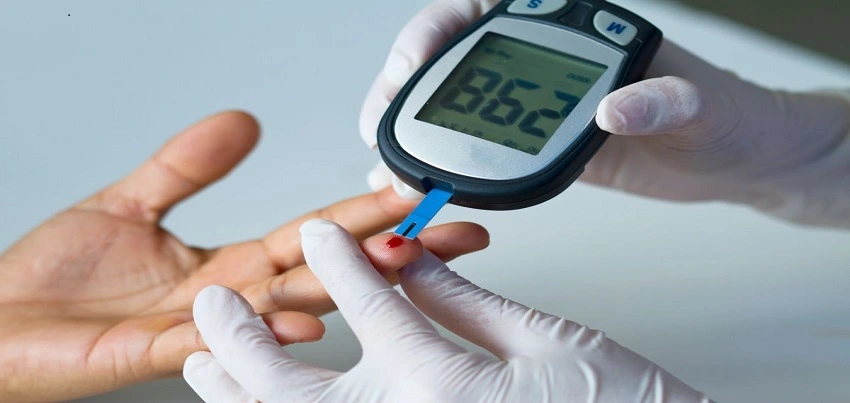
Diabetes Mellitus is a chronic medical condition in which the body is unable to properly regulate blood sugar levels. This can occur due to a lack of insulin production or a decrease in the body’s ability to respond to insulin.
Read More
Computer Vision Syndrome (CVS) Computer Vision Syndrome (CVS) is a condition that affects individuals who spend a significant amount of time using electronic devices such as computers, smartphones, and tablets. The symptoms of CVS include eye strain, headaches, blurred vision, dry eyes, and neck and shoulder pain. Diagnosis of CVS is typically done through a comprehensive eye exam, including visual acuity tests, eye movement tests, and tests for focusing and depth perception. Additionally, doctors may also assess a patient’s work environment and habits to determine if they are contributing to the development of CVS. Common treatment methods for CVS include the use of artificial tears to lubricate the eyes, the prescription of computer glasses with specialized lenses, and the use of computer software that can reduce glare and improve contrast on screens. In some cases, doctors may also recommend taking frequent breaks, adjusting the lighting in the work environment, and performing eye exercises to reduce symptoms. To prevent CVS from occurring, individuals should be mindful of their screen time and take regular breaks throughout the day. Additionally, they should also make sure to maintain good posture while working and use an ergonomic chair and keyboard. In addition to these preventative measures, diet and exercise can also play a role in preventing CVS. Eating a balanced diet that is rich in fruits and vegetables, and getting regular physical activity can help to improve overall health and reduce the risk of developing CVS. Annual health check-ups can also be an effective way to detect and prevent CVS. During these check-ups, individuals can have their eyes examined and discuss any symptoms they may be experiencing with their doctor. Corporate health and wellness programs can also be implemented in the workplace to promote healthy habits and prevent the development of CVS among employees. In conclusion, Computer Vision Syndrome is a common condition that affects individuals who spend a lot of time using electronic devices. It can cause symptoms such as eye strain, headaches, and blurred vision. Diagnosis is typically done through a comprehensive eye exam, and treatment methods include the use of artificial tears, computer glasses, and computer software. To prevent CVS from occurring, individuals should be mindful of their screen time, take regular breaks, maintain good posture, and eat a balanced diet and exercise regularly. Annual health check-ups and corporate health and wellness programs can also be effective in preventing CVS.
Read More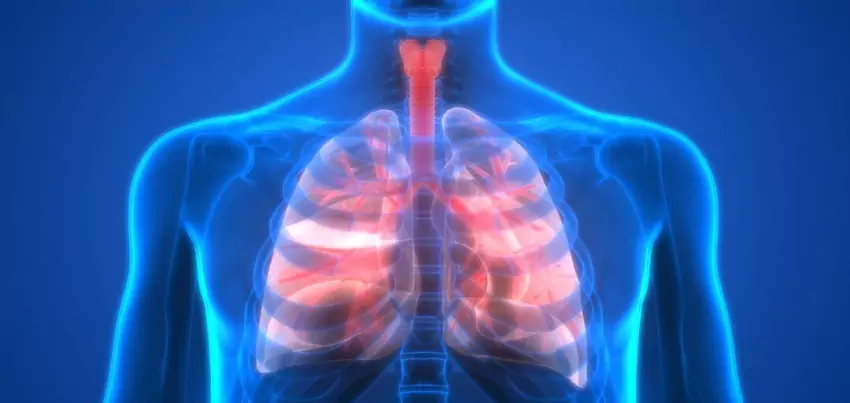
Chronic obstructive pulmonary disease (COPD) is a progressive lung disease that makes it difficult to breathe.
Read More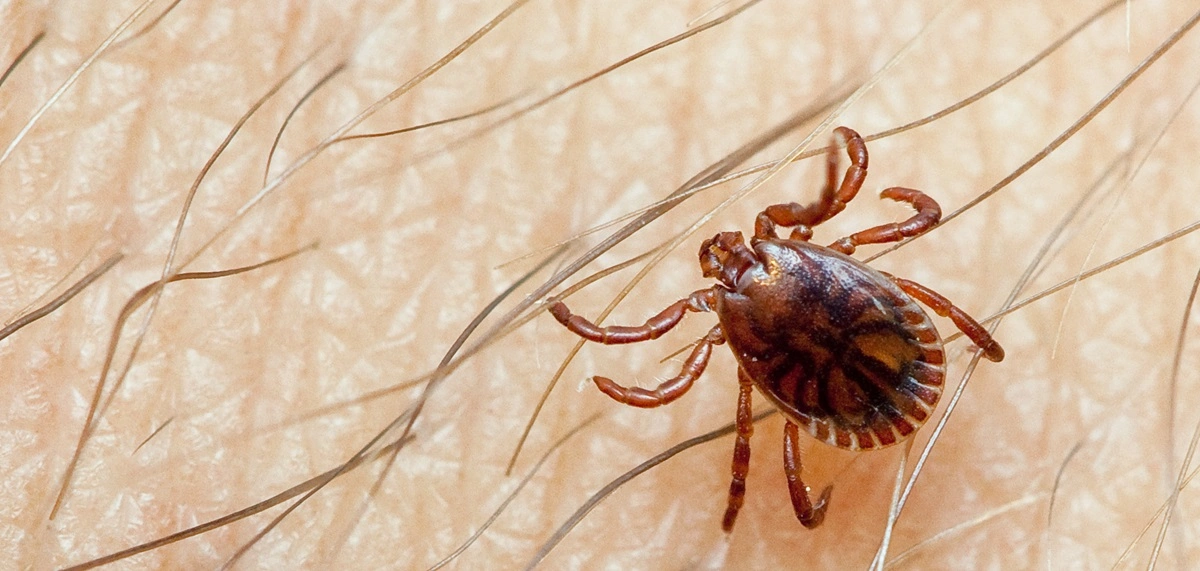
Crimean-Congo Haemorrhagic Fever (CCHF) Crimean-Congo haemorrhagic fever (CCHF) is a viral infection that is spread by ticks and can also be spread to humans through contact with infected animal blood or tissue. The virus is found in Africa, Asia, and Eastern Europe and is considered a serious public health concern due to its high case-fatality rate. Symptoms of CCHF typically appear within 2-9 days after exposure and include fever, headache, muscle aches, weakness, dizziness, abdominal pain, nausea, and vomiting. As the disease progresses, patients may develop a rash, and may experience bleeding from the gums, nose, and under the skin. In severe cases, patients may develop kidney failure, and may experience bleeding in the brain, lungs, and stomach. Diagnosis of CCHF is typically made through blood tests, which can detect antibodies to the virus or viral RNA. In some cases, a chest X-ray or CT scan may be performed to check for signs of pneumonia or other complications. Treatment for CCHF is typically supportive, and may include medications to control fever, pain, and bleeding. In severe cases, patients may require intensive care and may need to be hospitalized. There is no specific antiviral therapy for CCHF. To prevent CCHF from occurring, it is important to take precautions to avoid tick bites, such as wearing long sleeves and pants, using tick repellent, and checking for ticks after spending time outdoors. It is also important to avoid contact with infected animal blood or tissue. Annual health check-ups can help to identify any underlying health conditions that may increase the risk of CCHF, and corporate health and wellness programs can help to promote healthy habits and reduce the risk of infection. It is also important to wash hands frequently and practice good hygiene especially if working in areas with known cases of CCHF. Diet and exercise do not play a direct role in preventing CCHF, but maintaining a healthy lifestyle can help to boost the immune system and reduce the risk of infection. In summary, Crimean-Congo haemorrhagic fever (CCHF) is a viral infection that is spread by ticks and can also be spread to humans through contact with infected animal blood or tissue. Symptoms include fever, headache, muscle aches, weakness, dizziness, abdominal pain, nausea, and vomiting. As the disease progresses, patients may develop a rash, and may experience bleeding from the gums, nose, and under the skin. Diagnosis is typically made through blood tests. Treatment is typically supportive, and there is no specific antiviral therapy for CCHF. To prevent CCHF from occurring it is important to take precautions to avoid tick bites, avoid contact with infected animal blood or tissue, practice good hygiene, and wash hands frequently. Annual health check-ups and corporate health and wellness programs can help to identify any underlying health conditions that may increase the risk of CCHF and promote healthy habits. Diet and exercise do not play a direct role in preventing CCHF, but maintaining a healthy lifestyle can help to boost the immune system and reduce the risk of infection. Crimean-Congo Hemorrhagic Fever. CCHF, or Crimean-Congo Hemorrhagic Fever, is a severe viral disease transmitted to humans by ticks or through contact with the blood or tissues of infected animals or humans. Here’s a detailed overview: Overview of Crimean-Congo Hemorrhagic Fever (CCHF) • Causative Agent : The CCHF virus is a member of the Nairovirus genus within the Bunyaviridae family.• First Identified : The disease was first identified in Crimea in 1944 and later recognized in Congo in 1956, which led to its name.• Geographical Distribution : CCHF is found in Eastern Europe, the Mediterranean, central Asia, Africa, the Middle East, and the Indian subcontinent. It has been detected in over 30 countries. Transmission : 1. Tick Bites : The primary vector for CCHF is the Hyalomma tick. Humans can become infected through bites from infected ticks.2. Animal Contact : Direct contact with the blood or tissues of infected livestock (cattle, sheep, goats) can transmit the virus. These animals often get infected by tick bites.3. Human-to-Human Transmission : This can occur through exposure to blood or bodily fluids of infected individuals, particularly in healthcare settings without adequate infection control measures. Symptoms and Clinical Course : CCHF has a rapid onset and can lead to severe hemorrhagic complications: 1. Incubation Period : Typically 1-3 days after a tick bite or up to 9 days after contact with infected blood or tissues.2. Initial Symptoms 😮 Sudden fevero Muscle acheso Dizzinesso Neck pain and stiffnesso Backacheo Headacheo Sore eyeso Photophobia (sensitivity to light)3. Gastrointestinal Symptoms 😮 Nauseao Vomitingo Diarrheao Abdominal paino Sore throat4. Severe Symptoms (typically appear after a few days) 😮 Rapidly progressive signs of bleeding (petechiae, ecchymoses, purpura, bleeding from gums or nose, blood in urine and stools)o Hepatomegaly (enlarged liver)o Jaundiceo Mood changes (agitation, confusion)o Severe cases can lead to multi-organ failure and shock.5. Recovery : If the patient survives the hemorrhagic phase, recovery begins within 9-10 days of symptom onset. Diagnosis : 1. Clinical Suspicion : Diagnosis is often based on the patient’s travel history, exposure risks, and clinical presentation.2. Laboratory Tests:o RT-PCR (Reverse Transcription Polymerase Chain Reaction) : Detects viral RNA in the blood.o Serology : Detects antibodies (IgM and IgG) against CCHF virus.o Virus Isolation : Culturing the virus, which requires a high-containment laboratory. Treatment and Management : 1. Supportive Care : The mainstay of treatment includes maintaining hydration, blood pressure, and oxygen levels, as well as managing hemorrhagic symptoms.2. Antiviral Treatment : Ribavirin, an antiviral drug, has been used with varying success, but its effectiveness is still under review.3. Infection Control : Strict isolation and use of personal protective equipment (PPE) are essential to prevent human-to-human transmission, especially in healthcare settings. Prognosis • The mortality rate for CCHF ranges from 10-40%, depending on the outbreak and quality of medical care.• Early diagnosis and supportive treatment improve the chances of survival. Prevention 1. Avoiding Tick Bites 😮 Wear protective clothing and use insect repellents in endemic areas.o Perform regular tick checks and remove ticks promptly
Read MoreTop rated products
-
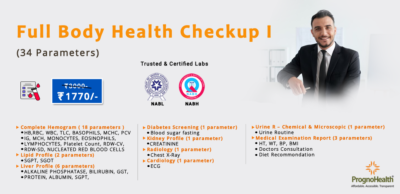 Full Body Health Checkup I
Original price was: ₹3,000.00.₹1,770.00Current price is: ₹1,770.00.
Full Body Health Checkup I
Original price was: ₹3,000.00.₹1,770.00Current price is: ₹1,770.00.
-
 MFG IND PACK III
Original price was: ₹3,900.00.₹2,145.00Current price is: ₹2,145.00.
MFG IND PACK III
Original price was: ₹3,900.00.₹2,145.00Current price is: ₹2,145.00.
-
 Dengue NS1 Antigen Test
₹900.00
Dengue NS1 Antigen Test
₹900.00
-
 Lipoprotein (A) Blood Test – Lp(a)
₹750.00
Lipoprotein (A) Blood Test – Lp(a)
₹750.00
-
 Healthy Life Advance Male
Original price was: ₹15,000.00.₹8,250.00Current price is: ₹8,250.00.
Healthy Life Advance Male
Original price was: ₹15,000.00.₹8,250.00Current price is: ₹8,250.00.