PrognoHealth – Corporate Health & Wellness Specialist

Blindness Blindness is a condition where an individual is unable to see or has limited vision. It can be caused by a variety of factors, including injury, disease, or genetics. In this article, we will discuss the symptoms of blindness, tests for diagnosis, common treatment methods, and ways to prevent it from occurring. Additionally, we will discuss the importance of diet and exercise in maintaining eye health through corporate health and wellness programs. Symptoms of blindness can include difficulty seeing in low light, difficulty distinguishing colors, and difficulty seeing fine details. In some cases, blindness can be sudden, while in others it can develop gradually over time. Diagnosis of blindness typically involves a comprehensive eye exam, which may include visual acuity tests, tonometry tests to measure eye pressure, and visual field tests to assess peripheral vision. Imaging tests such as MRI or CT scans may also be used to assess the health of the eyes and surrounding structures. Common treatment methods for blindness include medication, surgery, and the use of assistive devices such as magnifying glasses or white canes. In some cases, therapy may also be used to help individuals learn to navigate their environment without sight. Prevention of blindness can include regular eye exams, wearing protective eyewear, and maintaining a healthy lifestyle. This includes eating a diet rich in fruits and vegetables, exercising regularly, and avoiding smoking and excessive alcohol consumption. In terms of Corporate Health and Wellness, regular eye check-ups and health education can play an important role in preventing blindness. This can include offering regular eye exams as part of a preventative health program, or providing information on healthy lifestyle choices that can help preserve eye health. Diet and exercise also play a crucial role in maintaining good eye health. Eating a diet rich in fruits and vegetables, particularly those high in vitamins A, C, and E, can help to protect the eyes from damage. Regular exercise can also help to improve circulation, which can promote the delivery of oxygen and nutrients to the eyes. In conclusion, blindness is a serious condition that can have a significant impact on an individual’s quality of life. Through regular eye exams, healthy lifestyle choices, and corporate health and wellness programs, we can work to prevent blindness and preserve the health of our eyes. If you’re experiencing any symptoms of blindness, it’s important to seek medical attention as soon as possible.
Read More
Bleeding gums, also known as gingivitis, is a common condition that affects many people at some point in their lives. It is caused by a buildup of plaque and bacteria on the teeth and gums, which can lead to inflammation and bleeding.
Read More
Bad breath, also known as halitosis, is a common condition that affects many people at some point in their lives. It can be caused by a variety of factors, including poor oral hygiene, certain foods and drinks,
Read More
Maternal Anemia Maternal anemia, also known as anaemia during pregnancy, is a common condition that occurs when a woman does not have enough iron in her body to support the needs of both herself and her growing baby. The symptoms of maternal anemia can include fatigue, weakness, shortness of breath, and pale skin. To diagnose maternal anemia, a healthcare provider will typically perform a complete blood count (CBC) test to measure the levels of hemoglobin, the protein in red blood cells that carries oxygen to the body’s tissues. Other tests, such as a ferritin test, may also be performed to measure the amount of iron stored in the body. Treatment for maternal anemia typically involves increasing the intake of iron through diet or supplements. Iron-rich foods include red meat, seafood, leafy green vegetables, and fortified cereals. Iron supplements may also be prescribed by a healthcare provider. In some cases, a woman with severe anemia may require a blood transfusion. Corporate health & wellness programs can play a role in preventing maternal anemia by educating employees on the importance of a healthy diet during pregnancy and offering access to prenatal care. Employers can also offer resources for employees to access iron-rich foods through on-site cafeteria or vending machines. To further prevent maternal anemia, pregnant women should also engage in regular exercise and maintain a healthy diet rich in iron, folic acid, and other essential nutrients. This includes consuming lean meats, fish, poultry, beans, lentils, and tofu, and also leafy green vegetables, fruits, and whole grains. In summary, maternal anemia is a common condition that occurs during pregnancy and can be diagnosed through a CBC test. Treatment typically involves increasing iron intake through diet or supplements, and corporate health & wellness programs can play a role in preventing maternal anemia by educating employees on the importance of a healthy diet during pregnancy and offering access to prenatal care. Pregnant women should also engage in regular exercise and maintain a healthy diet rich in iron, folic acid, and other essential nutrients.
Read More
Atherosclerosis is a condition in which the arteries become thickened and hardened due to the buildup of plaque. This plaque is made up of cholesterol, fatty substances, and other materials that can accumulate on the inner walls of the arteries.
Read More
Anthrax Anthrax is a rare but serious bacterial infection caused by the spore-forming bacterium Bacillus anthracis. The infection can occur in three forms: cutaneous, inhalational, and gastrointestinal. Cutaneous anthrax is the most common form and occurs when the spores come into contact with a break in the skin. Inhalational anthrax occurs when the spores are inhaled, and gastrointestinal anthrax occurs when the spores are ingested. Symptoms of anthrax can vary depending on the form of the infection, but common symptoms include fever, fatigue, and muscle aches. In the case of cutaneous anthrax, a painless, raised bump that resembles an insect bite may appear, which then develops into a painful, black scab. In the case of inhalational anthrax, symptoms may include difficulty breathing, chest pain, and a cough. Gastrointestinal anthrax may cause abdominal pain, nausea, vomiting, and diarrhea. To diagnose anthrax, a healthcare provider will typically perform a physical examination and take a medical history. They may also order diagnostic tests such as blood tests, culture, and PCR (polymerase chain reaction) to confirm the diagnosis. Health check up is a good way to identify the symptoms of anthrax and start the diagnosis process. It is important to schedule regular check-ups to monitor symptoms and progress. Treatment for anthrax typically involves the use of antibiotics such as ciprofloxacin, doxycycline, or penicillin. Treatment should be started as soon as possible, as anthrax can be fatal if left untreated. Prevention methods for anthrax include vaccinations and avoiding contact with infected animals or contaminated animal products. If you work in an occupation that has a higher risk of exposure to anthrax, such as farming, it’s important to take precautions and be aware of the signs and symptoms of the infection. A healthy diet and regular exercise may also help to boost overall health and improve the immune system’s ability to fight off infection. In conclusion, Anthrax is a rare but serious bacterial infection caused spore-forming bacterium Bacillus anthracis. Scheduling regular health check-up is important to prevent the disease.
Read More


Alzheimer’s disease is a progressive, degenerative disorder that affects the brain, leading to memory loss, difficulty with language, disorientation, mood swings, loss of motivation and impaired judgment.
Read MoreTop rated products
-
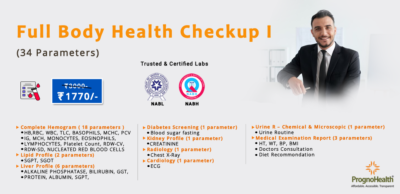 Full Body Health Checkup I
Original price was: ₹3,000.00.₹1,770.00Current price is: ₹1,770.00.
Full Body Health Checkup I
Original price was: ₹3,000.00.₹1,770.00Current price is: ₹1,770.00.
-
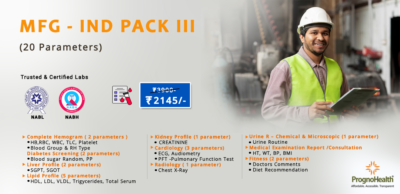 MFG IND PACK III
Original price was: ₹3,900.00.₹2,145.00Current price is: ₹2,145.00.
MFG IND PACK III
Original price was: ₹3,900.00.₹2,145.00Current price is: ₹2,145.00.
-
 Dengue NS1 Antigen Test
₹900.00
Dengue NS1 Antigen Test
₹900.00
-
 Lipoprotein (A) Blood Test – Lp(a)
₹750.00
Lipoprotein (A) Blood Test – Lp(a)
₹750.00
-
 Healthy Life Advance Male
Original price was: ₹15,000.00.₹8,250.00Current price is: ₹8,250.00.
Healthy Life Advance Male
Original price was: ₹15,000.00.₹8,250.00Current price is: ₹8,250.00.