PrognoHealth – Corporate Health & Wellness Specialist

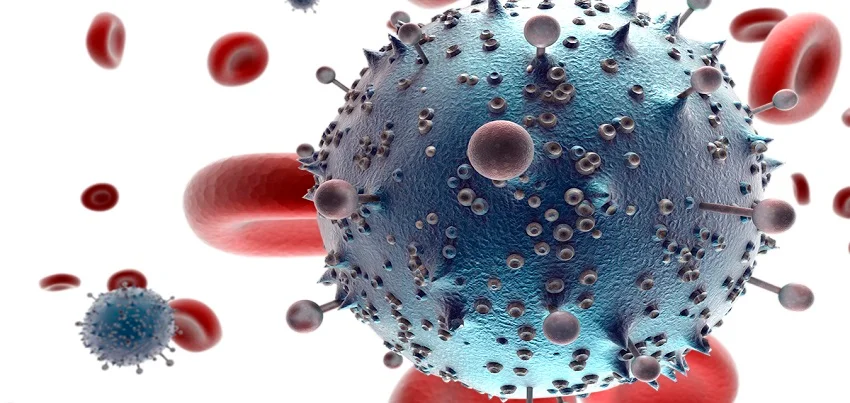
Acquired Immunodeficiency Syndrome (AIDS) is a serious, life-threatening condition caused by the human immunodeficiency virus (HIV).
Read More
Autism Autism, also known as autism spectrum disorder (ASD), is a neuro developmental disorder that affects communication, social interaction, and behavior. It is a spectrum disorder, meaning that it affects individuals differently and to varying degrees.Symptoms of autism typically appear in early childhood, and can include difficulty with social interaction, communication, and repetitive behaviors. Some children with autism may have difficulty making eye contact, have trouble understanding social cues, or have difficulty with language development. They may also engage in repetitive behaviors, such as rocking or flapping their hands, and have difficulty with changes in routine.To diagnose autism, a healthcare provider will typically perform a physical examination and take a medical history. They may also use diagnostic tools such as the Diagnostic and Statistical Manual of Mental Disorders (DSM-5) or the Autism Diagn Observation Schedule (ADOS) to assess the severity of symptoms and make a diagnosis.Health check up is a good way to identify the symptoms of autism and start the diagnosis process. It is important to schedule regular check-ups to monitor symptoms and progress.Common treatment options for autism include behavioral therapy, such as Applied Behavioral Analysis (ABA), speech therapy, and occupational therapy. Medications may also be used to treat symptoms such as anxiety, depression, and attention deficit hyperactivity disorder (ADHD).There is no known way to prevent autism, however, early intervention is essential for the best outcome for children with autism. Early diagnosis and treatment can help children with autism develop the skills they need to reach their full potential.There is no specific diet or exercise plan that has been shown to prevent autism, however, maintaining a healthy lifestyle through a balanced diet and regular exercise can promote overall health and well-being.In conclusion, autism is a neuro developmental disorder that affects communication, social interaction, and behavior. It is a spectrum disorder and affects individuals differently. Scheduling regular health check-ups can help to identify the symptoms of autism and start the diagnosis process. There is no known way to prevent autism, however, early intervention is essential for the best outcome for children with autism. A healthy diet and regular exercise can promote overall health and well-being.
Read More
Abdominal Pain Abdominal pain is a common complaint that can have many causes. The symptoms of abdominal pain can vary greatly depending on the underlying condition, but often include cramping, sharp or dull aches, and discomfort in the stomach or abdomen. There are a variety of tests that can be used to diagnose the cause of abdominal pain. These may include blood tests, imaging tests such as X-rays or CT scans, and endoscopic procedures such as a colonoscopy or upper endoscopy. Common causes of abdominal pain include conditions such as ulcers, inflammatory bowel disease, and diverticulitis. Treatment plans for these conditions typically involve medication and dietary changes, such as avoiding foods that can irritate the stomach or intestines. In some cases, surgery may be required. Prevention of abdominal pain is often possible by making lifestyle changes such as eating a healthy diet, maintaining a healthy weight, and getting regular exercise. A diet that is high in fiber and low in saturated fat can help to prevent conditions such as diverticulitis and inflammatory bowel disease. Regular exercise can also help to prevent abdominal pain by promoting a healthy gut and reducing stress levels. To prevent abdominal pain, it’s recommended to: Eat a diet high in fruits, vegetables, and whole grains Limit foods high in saturated fat, such as red meat and full-fat dairy products Avoid foods that can irritate the stomach or intestines, such as spicy foods or high-fat foods Get regular exercise, such as 30 minutes of moderate-intensity activity on most days of the week Manage stress levels through techniques such as meditation or yoga. By following these recommendations, you may be able to reduce your risk of developing abdominal pain and improve your overall health. However, if you are experiencing severe or chronic abdominal pain, it is important to consult with a healthcare provider for an accurate diagnosis and appropriate treatment plan.
Read More
World Hypertension Day is observed on May 17 every year across the world to create awareness about hypertension, which is also known as high blood pressure (HBP).
Read More
INTERNATIONAL YOGA DAY 21 June International Yoga Day is celebrated on June 21st every year. It was internationally recognized by the United Nations General Assembly ( UNGA ) on December 11, 2014, Prime Minister Mr. Narendra Modi in his UN Address had suggested June 21, as it is the longest day of the year.The science of yoga initially developed during the Indus-Sarasvati civilization in Northern India Over 5000 years ago. However, Some researchers believe it dates back to over 10,000 years. The Word ‘Yoga’ was first mentioned in the oldest scripture, the Rig Veda, Which was a collection of songs, mantras, and rituals used by Vedic priests.Yoga is the union of the mind and the body – the control of thought waves in the mind. Yoga is a conscious process of gaining mastery over the mind. The main objective of traditional yoga is to open your body and clear your mind. It purifies your body. Mind and soul. BENEFITS OF YOGA* Yoga, when practiced regularly, gives all-round fitness.* Weight loss is slow but very effective.* It makes you calm and helps relieve stress, especially at work.* It improves concentration and focus.* It builds immunity.* Allows for better flexibility and postures.* It makes one feel energetic all through the day.* Prevents cartilage and joint breakdown as one grows old.* Improves your bone health and blood flow.* The heartbeat and pulse rate slows down and the blood pressure drops.* Makes you happier and peaceful.* Helps in cardiovascular and nervous disorders.* Makes the respiration process more efficient. The workplace can sometimes get a little stressful and you may avoid taking care of your body. Here are a few exercises which can keep your body healthy and stress-free. These are all basic stretch movements – side bending ( artha kati chakrasan ), back bending (artha chandrasana), hand stretching and leg raising, and forward bending ( padangushtasana).
Read More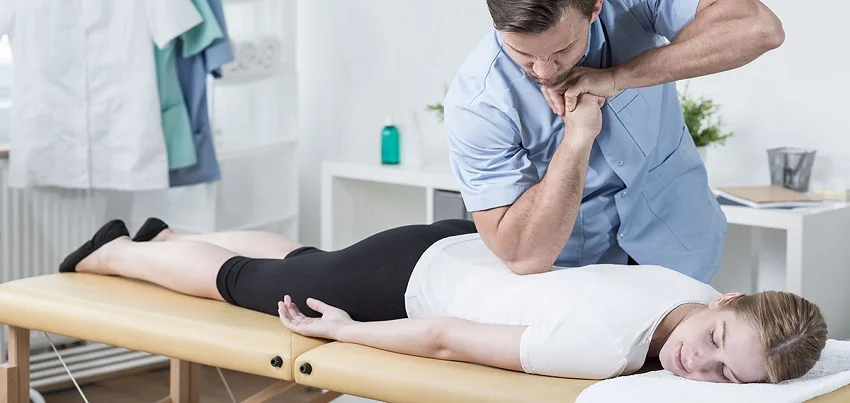
A slipped disk/disc is also known as a herniated disk that occurs when one of the disks of the spine becomes damaged and presses on the nerves. The disks are protective shock-absorbing pads between the bones of the spine (vertebrae).
Read More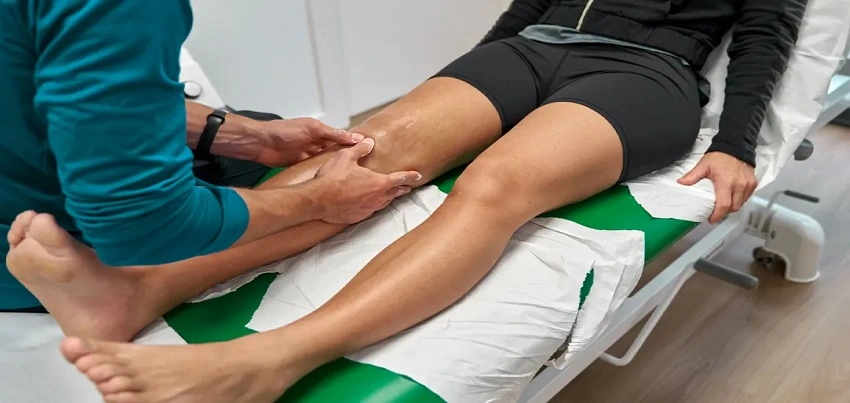
Knee Bursitis Knee bursitis is an inflammation of a bursa located near the knee joint. A bursa is a small fluid-filled, pad-like sac that functions as a gliding surface to reduce friction and cushions the pressure points between the bones, tendons, and muscles near the joints. Each knee has 11 bursae. An injury, infection, frequent pressure from kneeling or rheumatic condition can cause a bursa inflammation. Age also plays a role. As tendons age, they tolerate less stress, become less elastic, and tear easily. Knee bursitis most commonly occurs over the kneecap or on the inner side of the knee below the joint.Knee bursitis causes pain and can limit mobility. Treatment includes self-care practices and medical management to relieve pain and inflammation. Tips to reduce pain and discomfort Rest the knee. Discontinue the activity that causes knee bursitis and avoid movements that increase the pain. Use an ice pack for 20 minutes several times a day until the pain is less and the knee does not feel warm to the touch. Use a compressive wrap or knee sleeve to reduce the swelling. Raise the knee by placing the legs on pillows to reduce swelling. Wear kneepads to cushion and protect the knees while working on your knees or participating in sports that put the knees at risk. Take regular breaks if you are working for a prolonged period resting on the knees. Stretch the legs and give the knees a rest. Avoid excessive squatting as it increases pressure on the knee joints Lift heavy items properly. Bend your knees to reduce stress on the bursae. Walk frequently. Try not to sit in one position too long, especially on hard surfaces. Maintain a healthy weight. Being overweight places more stress on the joints. Start the day with exercise. This will help the muscles protect the affected joints. Warm up and stretch before strenuous activities to protect the joints from injury.
Read More
Bursitis is an inflammation of the bursa. The bursa is a sac filled with fluid under the skin, which acts as a cushion between the tendons and the bones. Bursitis occurs when the bursa becomes inflamed. The most common areas where bursitis occurs are the shoulders, elbows, and hip
Read More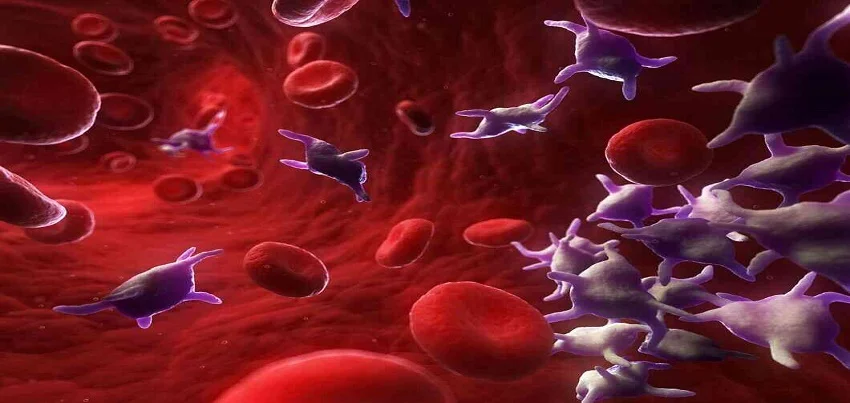
Platelet Count Test A Platelet Count test is a blood test that measures the number of platelets in a person’s blood. Platelets are small cells that help the blood to clot, and are important in preventing bleeding. Pre-test preparation: No special preparation is usually required for this test. Testing method: A small sample of blood is taken from a vein in the arm using a needle and syringe. The sample is then sent to a laboratory for analysis. Common Symptoms for prescribing this test: Bruising easily Heavy or prolonged bleeding from cuts Blood in the urine or stool Nosebleeds Petechiae, which are small red or purple spots on the skin Excessive menstrual bleeding Diagnosis: The Platelet Count test is used to help diagnose and monitor platelet disorders, such as thrombocytopenia (low platelet count) and thrombocytosis (high platelet count), as well as to monitor the effectiveness of treatment for these conditions Reference range: The reference range for a Platelet Count test varies depending on the laboratory that performs the test. Typically, the normal range for a Platelet Count test is 150,000-450,000/mcL. However, it is important to note that the reference range can vary depending on the lab that performed the test and the patient’s age, sex, and overall health. Normal values: Normal values for a Platelet Count test vary depending on the lab that performed the test, but typically fall within the range of 150,000-450,000/mcL. It is important to consult with a doctor or healthcare professional for any questions or concerns regarding the Platelet Count test or any other medical test.
Read More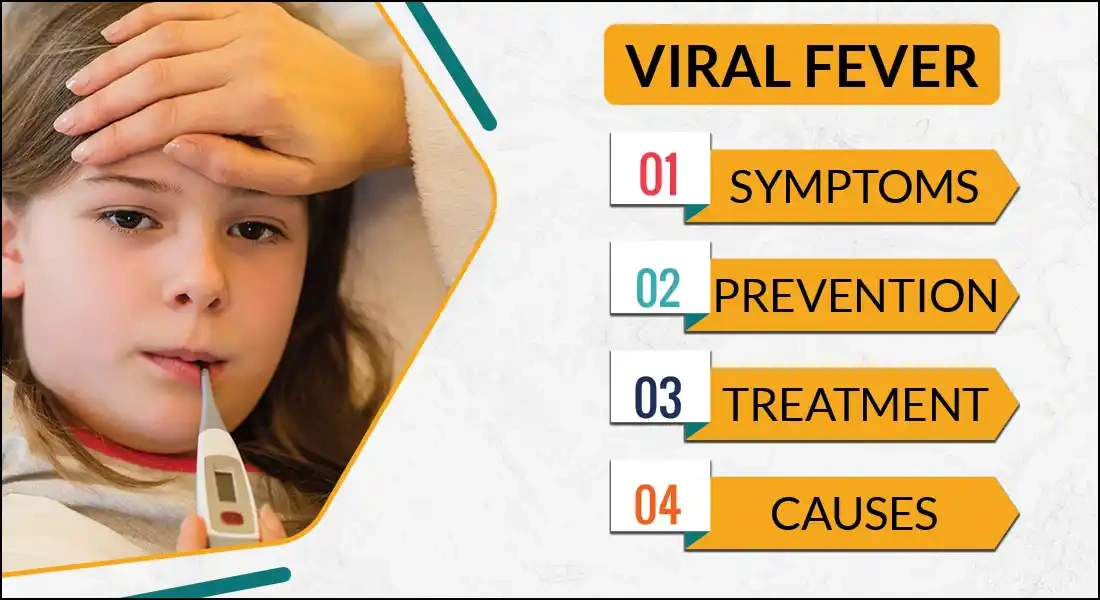
Viral Fever Fever is a temporary increase in body temperature beyond normal levels, often due to an illness. Fever is a symptom of illness, not a disease. Viral fever occurs due to an infection caused by viruses, which enter the body through inhalation (coughing and sneezing), contact with infected people or contaminated surfaces, unsafe food and water, contact with pets, cattle, and insects. People with a low immune system are at a higher risk of falling ill. Common Symptoms of Fever (temperature above 98.6 F) • Sweating + Headache + Loss of appetite + General weakness • Shivering + Muscle pains + Dehydration Tips to prevent viral infections • Wash hands thoroughly especially after using the toilet; frequent hand-washing is the best way to prevent many common infections. Carry hand sanitizers if soap and water aren’t readily available. • Cover the mouth and nose while sneezing or coughing. Avoid contaminating hands; use a tissue or handkerchief. • Try to avoid touching the nose, mouth, or eyes, as these are the main ways that viruses and bacteria enter the body and cause infection. • Viruses are most commonly spread through food or water contaminated with feces. Avoid unfiltered water and roadside food. * Store trash in rat-proof containers; clean them regularly and throw the garbage regularly. * Close the doors and windows early in the evening to stop mosquitoes. Put wire mesh on windows and doors. * Make sure there is no stagnant water in and around the house. * Be physically active. A brisk walk for 30-40 minutes, five days a week, boosts the immune system by increasing circulation, oxygenating the body, purging toxins through sweat, and releasing tension. * Avoid alcohol and smoking. It makes the body weak and decreases the ability to fight viral infections. * Stay away from sick people. Viral fever spreads when particles of the virus spread through droplets in the air if the sick person coughs, sneezes, or talks. So keep a distance and avoid physical contact. * Getting immunized is the best way of preventing viral infections. Speak to the doctor regarding vaccination. Avoid taking antibiotics without consulting a doctor. Antibiotics are medicines that kill bacteria they cannot kill viruses. So by taking them, you would unnecessarily suffer from side effects, such as acidity, stomach upset, and sometimes damage to the liver and kidneys. Consult your doctor for proper diagnosis and treatment.
Read MoreTop rated products
-
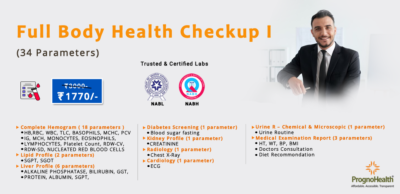 Full Body Health Checkup I
Original price was: ₹3,000.00.₹1,770.00Current price is: ₹1,770.00.
Full Body Health Checkup I
Original price was: ₹3,000.00.₹1,770.00Current price is: ₹1,770.00.
-
 MFG IND PACK III
Original price was: ₹3,900.00.₹2,145.00Current price is: ₹2,145.00.
MFG IND PACK III
Original price was: ₹3,900.00.₹2,145.00Current price is: ₹2,145.00.
-
 Dengue NS1 Antigen Test
₹900.00
Dengue NS1 Antigen Test
₹900.00
-
 Lipoprotein (A) Blood Test – Lp(a)
₹750.00
Lipoprotein (A) Blood Test – Lp(a)
₹750.00
-
 Healthy Life Advance Male
Original price was: ₹15,000.00.₹8,250.00Current price is: ₹8,250.00.
Healthy Life Advance Male
Original price was: ₹15,000.00.₹8,250.00Current price is: ₹8,250.00.