PrognoHealth – Corporate Health & Wellness Specialist

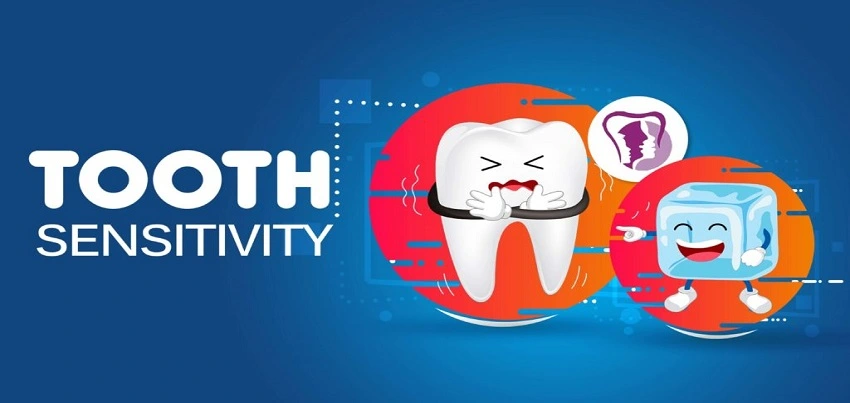
Tooth Sensitivity Tooth sensitivity, also known as dentin hypersensitivity, is a common oral health condition characterized by a sharp, temporary pain or discomfort in the teeth when exposed to certain stimuli such as hot, cold, sweet, or sour foods and drinks, or even breathing in cold air. This condition can affect one or more teeth and can be caused by a variety of factors, including tooth decay, gum disease, worn tooth enamel, or even tooth whitening products. Symptoms of tooth sensitivity include sharp pain or discomfort in one or more teeth when exposed to hot, cold, sweet, or sour foods and drinks, or even when breathing in cold air. This pain or discomfort is usually temporary and subsides quickly, but can be severe enough to affect a person’s ability to eat and drink normally. Some people may also experience pain when brushing or flossing their teeth. Diagnosis of tooth sensitivity is typically made through a physical examination of the teeth and gums, as well as a review of the patient’s dental and medical history. Your dentist may also use diagnostic tools such as a cold air or cold water spray to test the sensitivity of your teeth. X-rays may also be taken to check for any underlying dental issues, such as tooth decay or gum disease. Treatment for tooth sensitivity depends on the underlying cause of the condition. If the sensitivity is caused by tooth decay or gum disease, your dentist will treat these underlying issues first. If the sensitivity is caused by worn tooth enamel, your dentist may recommend fluoride treatments or dental sealants to strengthen the teeth. If the sensitivity is caused by tooth whitening products, your dentist may recommend switching to a different whitening product or discontinuing use altogether. Prevention of tooth sensitivity is key to avoiding the condition altogether. Some effective methods of prevention include: Brushing and flossing your teeth regularly to maintain good oral hygiene and prevent tooth decay and gum disease. Using a soft-bristled toothbrush and toothpaste specifically formulated for sensitive teeth. Limiting consumption of acidic foods and drinks, as they can weaken tooth enamel. Avoiding tooth whitening products if you have sensitive teeth. Using a mouthguard or nightguard to prevent teeth grinding or clenching. In addition to these methods, annual health check-ups and corporate health & wellness programs can also play a key role in preventing tooth sensitivity. Through regular check-ups, individuals can identify and address any risk factors for the disease, such as poor oral hygiene or acid erosion, and catch any underlying issues that may cause sensitivity. Corporate health & wellness programs can also promote healthy behaviors and practices among employees, such as proper oral hygiene and limiting consumption of acidic foods and drinks, to reduce the risk of sensitivity. Diet and exercise also play an important role in preventing tooth sensitivity. Eating a balanced diet that is low in sugar and acidity can help protect tooth enamel and reduce the risk of sensitivity. Regular exercise can also help improve overall health and reduce the risk of sensitivity. In conclusion, tooth sensitivity is a common oral health condition characterized by a sharp, temporary pain or discomfort in the teeth when exposed to certain stimuli such as hot, cold, sweet, or sour foods and drinks, or even breathing in cold air. It can be caused by a variety of factors, including tooth decay, gum disease, worn tooth enamel, or even tooth whitening products. Treatment depends on the underlying cause, and may include fluoride treatments, dental sealants, or discontinuing use of certain tooth whitening products. Prevention is key to avoiding the condition altogether and includes regular check-ups, good oral hygiene, limiting consumption of acidic foods and drinks, and taking care of your.
Read More
Vitamin B12 Deficiency Vitamin B12 is an essential nutrient that plays a vital role in maintaining good health. It is responsible for the production of red blood cells, DNA synthesis, and the proper functioning of the nervous system. However, a deficiency in vitamin B12 can lead to a variety of health problems. In this blog, we will discuss the symptoms, tests, treatment methods, and prevention of vitamin B12 deficiency, as well as the importance of annual health check-ups and corporate health and wellness programs in identifying and addressing this condition. Symptoms of vitamin B12 deficiency can be subtle and may take a long time to appear. Common symptoms include fatigue, weakness, constipation, loss of appetite, weight loss, nerve damage, depression, and memory loss. In severe cases, vitamin B12 deficiency can lead to anemia, which is a condition in which the body does not have enough red blood cells to carry oxygen to the body’s tissues. There are several tests that can be used to diagnose vitamin B12 deficiency, including blood tests to measure the levels of vitamin B12 and other vitamins and minerals in the body. The most common test for vitamin B12 deficiency is the serum vitamin B12 test, which measures the amount of vitamin B12 in the blood. Other tests that may be used to diagnose vitamin B12 deficiency include the methylmalonic acid test, the homocysteine test, and the Schilling test. The common treatment methods for vitamin B12 deficiency include supplementing with vitamin B12 in the form of tablets, injections, or nasal sprays. The recommended daily allowance of vitamin B12 is 2.4 micrograms per day for adults. Vitamin B12 supplements are available in various forms, including tablets, capsules, and injectable forms. People with pernicious anemia, a type of anemia caused by a lack of intrinsic factor, a protein needed to absorb vitamin B12, may need to receive vitamin B12 by injection or nasal spray. Preventing vitamin B12 deficiency is possible by including vitamin B12-rich foods in your diet and by taking vitamin B12 supplements. Good sources of vitamin B12 include meat, fish, eggs, and dairy products. Vegetarians and vegans are at a higher risk of vitamin B12 deficiency because they do not eat animal-based foods that are rich in vitamin B12. Diet and exercise can play an important role in preventing vitamin B12 deficiency. Eating a healthy and balanced diet that includes plenty of fruits, vegetables, whole grains, and lean protein can help to ensure that you are getting all of the essential vitamins and minerals that your body needs. Regular exercise can also help to boost your energy levels and improve your overall health. Annual health check-ups and corporate health and wellness programs can also be effective in identifying and addressing vitamin B12 deficiency. At an annual health check-up, a doctor or other healthcare professional can conduct a physical examination, take a medical history, and order blood tests to check your vitamin B12 levels. Corporate health and wellness programs can also help to identify employees who may be at risk for vitamin B12 deficiency and provide them with the necessary resources to address the condition. In conclusion, vitamin B12 deficiency is a serious condition that can lead to a variety of health problems. By understanding the symptoms, tests, treatment methods, and prevention of this condition, we can take steps to ensure that we are getting enough vitamin B12 in our diets and that we are taking the necessary steps to maintain good health. Annual health check-ups and corporate health and wellness programs can also play an important role in identifying and addressing vitamin B12 deficiency.
Read More
Tomato Allergy Tomato fever is not a recognized medical condition. Its referred to as tomato allergies, which is a rare but possible allergic reaction to tomatoes. Tomatoes belong to the nightshade family of plants, and similar to other members of this family, they can cause allergic reactions in some people. Symptoms of tomato allergy can vary widely, but they often include itching, hives, swelling of the face, lips, tongue, or throat, and difficulty breathing. These symptoms typically appear within minutes to hours after consuming tomatoes or products made from tomatoes. In severe cases, an allergic reaction to tomatoes can lead to anaphylaxis, a life-threatening condition that requires immediate medical attention. Diagnosis of tomato allergy is usually made through skin prick tests, blood tests, or oral food challenge tests. A skin prick test involves exposing a small area of skin to a small amount of tomato extract, and observing for any signs of an allergic reaction. A blood test can detect the presence of IgE antibodies to tomatoes, indicating an allergic response. An oral food challenge test is considered the gold standard for diagnosing food allergies, it involves consuming small amounts of the food in question under the supervision of an allergist. Treatment for tomato allergy typically involves avoiding tomatoes and products that contain tomatoes. If a person is exposed to tomatoes and experiences an allergic reaction, they may be given an antihistamine to reduce symptoms such as itching and hives, or an epinephrine injection to treat anaphylaxis. Prevention of tomato allergy is key to avoiding the condition altogether. Some effective methods of prevention include: 1] Avoiding tomatoes and products that contain tomatoes.2] Reading labels carefully and avoiding processed foods that may contain tomato derivatives.3] Educating oneself about cross-reactivity between tomato and other plants of the nightshade family.4] Carrying an epinephrine auto-injector with you in case of an emergency.5] In addition to these methods, annual health check-ups and corporate health & wellness programs can also play a key role in preventing tomato allergy.6]Through regular check-ups, individuals can identify and address any risk factors for the disease, such as family history of allergies, and catch any underlying issues that may cause an allergy.7]Corporate health & wellness programs can also promote healthy behaviors and practices among employees, such as education about food allergies, to reduce the risk of sensitivity. Diet and exercise also play an important role in preventing tomato allergy. Eating a balanced diet that is varied and does not heavily rely on tomatoes or nightshades can help protect from developing an allergy. Regular exercise can also help improve overall health and reduce the risk of allergies. It’s important to note that tomato allergies are relatively rare, and most people can consume tomatoes without any problems. If you have symptoms that you suspect are caused by a tomato allergy, consult with an allergist for proper diagnosis and treatment. “Tomato Allergy: Symptoms, Treatment, and Management Tomato allergy, although less common than other food allergies, can cause discomfort and adverse reactions in susceptible individuals. Understanding the symptoms, treatment options, and management strategies for tomato allergy is crucial for those affected. Let’s explore the key aspects of tomato allergy: Symptoms of Tomato Allergy: Skin Reactions: Itchy rash, hives, redness, or swelling. Respiratory Symptoms: Runny nose, sneezing, nasal congestion, coughing, wheezing, or shortness of breath. Gastrointestinal Issues: Nausea, vomiting, stomach pain, cramps, or diarrhea. Oral Allergy Syndrome (OAS): Itchy mouth, lips, throat, or tongue shortly after consuming tomatoes. Systemic Reactions: Anaphylaxis, characterized by severe allergic reactions affecting multiple organ systems, including difficulty breathing, rapid pulse, drop in blood pressure, and loss of consciousness (rare but potentially life-threatening). Diagnosis: If you suspect a tomato allergy, consult an allergist for proper evaluation and diagnosis. Diagnosis may involve: Detailed medical history Allergy testing, including skin prick tests or blood tests (specific IgE testing) Oral food challenge (in controlled medical settings) Treatment and Management: Avoidance: The primary treatment for tomato allergy is strict avoidance of tomatoes and tomato-based products. Symptom Relief: Over-the-counter antihistamines may help alleviate mild allergic reactions, such as itching or hives. Consult a healthcare professional for appropriate medication. Emergency Action Plan: Individuals with severe allergies, such as anaphylaxis, should have an emergency action plan in place, including the use of epinephrine auto-injectors (e.g., EpiPen) and seeking immediate medical attention. Cross-Reactivity and Oral Allergy Syndrome (OAS): Tomato allergy may be associated with cross-reactivity to other foods, particularly those within the same botanical family (Solanaceae), such as potatoes, eggplants, and peppers. OAS, also known as pollen-food syndrome, may cause oral symptoms in individuals allergic to tomatoes due to cross-reactivity with certain pollens. Managing Cross-Reactivity and OAS: Cooking or processing tomatoes may reduce allergenicity for some individuals. Avoiding raw tomatoes and opting for cooked or processed tomato products may help prevent OAS symptoms. Consultation with an allergist or dietitian can provide guidance on managing cross-reactive food allergies and developing a suitable diet plan. Lifestyle Considerations: Read food labels carefully to identify tomato-derived ingredients in packaged foods. Inform restaurant staff about your tomato allergy when dining out to prevent accidental exposure. Consider carrying an allergy action plan, medications, and emergency contact information at all times, especially if prone to severe allergic reactions. Conclusion: Tomato allergy can manifest with a variety of symptoms, ranging from mild to severe, and may require careful management to avoid adverse reactions. By understanding the symptoms, triggers, and treatment options for tomato allergy, individuals can take proactive steps to prevent allergic episodes and maintain overall well-being. Consulting with healthcare professionals and allergists can provide personalized guidance and support for managing tomato allergy effectively” Understanding Tomato Allergy : Tomatoes are a staple in many kitchens worldwide, known for their versatility and rich flavor. However, for some individuals, consuming tomatoes can trigger allergic reactions or food intolerances. Understanding these reactions is crucial for managing health and dietary choices. Let’s delve into tomato allergies and how they differ from intolerances, including the symptoms, causes, and dietary considerations. What is Tomato Allergy? A tomato allergy is an immune system response
Read More
Obesity Obesity is a growing public health concern that affects people of all ages and backgrounds. It is defined as having a body mass index (BMI) of 30 or higher, and it is characterised by an excessive accumulation of body fat. Obesity can lead to a number of serious health problems, including diabetes, heart disease, and certain types of cancer. Symptoms of obesity can include difficulty losing weight, feeling tired or short of breath, and experiencing joint pain or discomfort. However, many people with obesity do not experience any obvious symptoms, which is why regular health check-ups are so important. To diagnose obesity, a healthcare provider will typically measure a person’s height, weight, and waist circumference, and calculate their BMI. Other tests, such as blood tests, may also be used to determine if a person has any related health conditions, such as diabetes or high cholesterol. Common treatment methods for obesity include lifestyle changes, such as diet and exercise, as well as medication and weight loss surgery. Lifestyle changes are generally considered the first line of treatment, and can include a combination of healthy eating, regular physical activity, and behaviour modification therapy. Medications, such as weight loss pills, can also be used to help people lose weight, but they should be used in conjunction with other methods. Surgery, such as gastric bypass or sleeve gastrectomy, may be an option for those who are severely overweight and have not been able to lose weight through other means. Preventing obesity from occurring in the first place is crucial to maintaining good health. Some effective ways to prevent obesity include:Eating a healthy diet that is rich in fruits, vegetables, and whole grains, and low in added sugars and saturated fats.Getting regular physical activity, such as 30 minutes of moderate-intensity exercise most days of the week.Maintaining a healthy weight through regular health check-ups, which can help identify any potential weight-related problems early on. Corporate health and wellness programs can also play a key role in preventing obesity by encouraging employees to make healthy lifestyle choices. These programs may include things like onsite fitness classes, healthy eating options in the workplace, and access to health and wellness resources. In addition to the above mentioned tips, an individual can also focus on incorporating the following in their daily routine to maintain a healthy weightEating a diet that is high in fiber, lean protein, and healthy fats.Avoiding foods that are high in added sugars and saturated fats, such as processed foods, fast foods, and sugary drinks.Incorporating regular physical activity, such as brisk walking, jogging, cycling, or swimming, into your daily routine.Getting enough sleep, as lack of sleep can contribute to weight gain.In conclusion, obesity is a serious health concern that can lead to a number of chronic diseases. Regular health check-ups, along with healthy eating and regular physical activity, are key to preventing and treating obesity. Corporate health and wellness programs can also play an important role in promoting healthy lifestyle choices among employees. By taking steps to prevent and manage obesity, individuals can improve their overall health and quality of life.
Read More
Infertility Infertility is a condition in which a person is unable to conceive or carry a pregnancy to term. It affects both men and women and can have a significant impact on a person’s physical and emotional well-being. Symptoms of infertility can vary depending on the underlying cause, but some common signs include irregular menstrual cycles, difficulty getting pregnant, and pain or discomfort during intercourse. Men may experience symptoms such as difficulty maintaining an erection, low sperm count, or a lack of sperm motility. To diagnose infertility, a doctor will typically begin by performing a physical examination and taking a medical history. Additional tests may include blood tests to check hormone levels, a semen analysis for men, and imaging tests such as ultrasound or x-ray to check for structural issues in the reproductive organs. Common treatment methods for infertility include medication to regulate hormones and increase the chances of ovulation in women, and assisted reproductive technologies such as in-vitro fertilization (IVF) and intracytoplasmic sperm injection (ICSI) for both men and women. To prevent infertility, it is important to maintain a healthy lifestyle. This includes eating a balanced diet, getting regular exercise, and maintaining a healthy weight. It is also important to avoid smoking, as it can damage the reproductive organs and decrease fertility. Annual health check-ups and corporate health & wellness programs can also play a role in preventing infertility. These programs can help to identify individuals who may be at risk of developing the condition and provide them with the necessary education and resources to make lifestyle changes to prevent it. Diet and exercise can also be important in preventing infertility. Eating a diet that is rich in fruits, vegetables, and whole grains can help to maintain a healthy weight and balance hormones. Regular exercise can also improve overall health and increase the chances of conception. It’s also important to be aware of environmental factors that can negatively impact fertility. Chemicals such as pesticides and heavy metals, radiation and certain medications can affect fertility. It’s important to work closely with your doctor to identify any potential sources of exposure and take steps to avoid or mitigate them. Incorporating annual health check-ups and corporate health & wellness programs can also be very helpful in preventing infertility. These programs can help identify individuals who may be at risk of developing the condition and provide them with the necessary education and resources to make lifestyle changes to prevent it. Overall, infertility is a complex condition that can have a significant impact on a person’s physical and emotional well-being. By maintaining a healthy lifestyle, participating in annual health check-ups and corporate health & wellness programs, and being aware of environmental factors that can negatively impact fertility, individuals can reduce their risk of developing the condition and improve their chances of having a family.
Read More
Leishmaniasis Leishmaniasis, also known as Kala-azar, is a parasitic infection caused by Leishmania protozoan. It is transmitted to humans through the bite of infected female sandflies. The disease is found in many parts of the world, but is most common in tropical and subtropical regions such as India, Bangladesh, Sudan, and Brazil. Symptoms of leishmaniasis can vary depending on the type of infection. The most common form, cutaneous leishmaniasis, causes skin sores that can take months to heal. These sores may be accompanied by fever, weight loss, and fatigue. The more severe form, visceral leishmaniasis, can cause fever, weight loss, anemia, and damage to the spleen, liver, and bone marrow. Diagnosis of leishmaniasis is typically made through blood tests or by analyzing tissue samples from a skin sore. The most common test is called a rK39 rapid diagnostic test, which looks for antibodies in the blood. Other tests include PCR, culture and microscopy. Treatment for leishmaniasis depends on the type of infection and the severity of the symptoms. Cutaneous leishmaniasis is often treated with topical medications or oral drugs. Visceral leishmaniasis, which can be life-threatening, is typically treated with a combination of drugs such as Amphotericin B, Miltefosine and Paromomycin. Preventing leishmaniasis involves avoiding exposure to infected sandflies. This can be done by using insect repellent, wearing long-sleeved clothing, and sleeping under a bed net. It is also important to control the population of sandflies by eliminating their breeding sites, such as standing water. In addition to avoiding exposure to infected sandflies, a healthy diet and regular exercise can help prevent leishmaniasis. Eating a balanced diet that is rich in fruits, vegetables, and whole grains can help boost the immune system and prevent chronic diseases. Regular physical activity can also help to keep the body in good shape and improve overall health. Annual health check-ups are an important way to prevent leishmaniasis and other diseases. These check-ups can help identify potential health problems early, when they are most treatable. Corporate health and wellness programs can also help to promote healthy habits among employees, such as regular exercise, healthy eating, and stress management. In conclusion, Leishmaniasis, also known as Kala-azar, is a parasitic infection that is transmitted through the bite of infected female sandflies. Symptoms can vary depending on the type of infection, but common symptoms include fever, weight loss, and skin sores. Diagnosis is typically made through blood tests or by analyzing tissue samples. Treatment depends on the type of infection and the severity of the symptoms. Preventing leishmaniasis involves avoiding exposure to infected sandflies, controlling the population of sandflies, eating a healthy diet and regular exercise. Annual health check-ups, and corporate health and wellness programs can also help to prevent the disease.
Read More
Jaundice Jaundice, also known as icterus, is a condition characterized by yellowing of the skin and whites of the eyes due to an excess of bilirubin in the blood. Bilirubin is a yellow pigment that is formed when the liver breaks down old red blood cells. Symptoms of jaundice include yellowing of the skin and whites of the eyes, dark urine, and light-colored stools. Other symptoms can include fatigue, weakness, itching, abdominal pain, and loss of appetite. In some cases, jaundice may also be accompanied by fever, nausea, vomiting, and confusion. Diagnosis of jaundice is typically made through a physical examination and blood tests. The most common blood tests used to diagnose jaundice include the complete blood count (CBC), the liver function test (LFT) and the bilirubin level test. The treatment of jaundice depends on the underlying cause. In some cases, jaundice may resolve on its own with no specific treatment. However, if jaundice is caused by a liver disease or infection, treatment may include antibiotics, antiviral medications or other drugs to help manage the underlying condition. If jaundice is caused by a blocked bile duct, surgery may be necessary to remove the blockage. Preventing jaundice is key to staying healthy and avoiding the disease. One of the most effective ways to prevent jaundice is by maintaining a healthy lifestyle. This can be done by eating a balanced diet, getting regular exercise, and avoiding alcohol and tobacco. Annual health check-ups are also a great way to stay on top of your health and catch any potential issues early on. Corporate health & wellness programs can also be an effective way to promote healthy habits and prevent the spread of disease among employees. A healthy diet and regular exercise can also help to support liver health and prevent jaundice. Eating a diet rich in fruits and vegetables, lean protein, and whole grains can help to support overall health and wellness. Regular exercise, such as 30 minutes of moderate activity most days of the week, can also help to boost immunity and reduce the risk of infection. In conclusion, Jaundice is a common condition characterized by yellowing of the skin and whites of the eyes due to an excess of bilirubin in the blood. The treatment of jaundice depends on the underlying cause. Preventive measures such as maintaining a healthy lifestyle, annual health check-ups and corporate health & wellness programs, healthy diet and regular exercise can help to prevent the spread of the disease and support overall health and wellness. It is important to seek medical attention if you suspect you have jaundice, as it can be a sign of a more serious underlying condition.
Read More
Mouth Breathing Mouth breathing is a common condition in which a person breathes primarily through their mouth instead of their nose. This can occur for a variety of reasons, including nasal congestion, allergies, and structural abnormalities of the nose or jaw. Symptoms of mouth breathing include dry mouth, bad breath, difficulty sleeping, and snoring. Additionally, mouth breathing can lead to other health problems such as sleep apnea, sinus infections, and even behavioral and cognitive issues in children. Diagnosis of mouth breathing can be done through a physical examination by a doctor or dentist, as well as through tests such as x-rays or CT scans to assess the structure of the nose and jaw. Common treatment methods for mouth breathing include nasal decongestants, antihistamines, and nasal sprays to alleviate nasal congestion. In some cases, surgery may be necessary to correct structural abnormalities. Prevention of mouth breathing can be achieved by addressing underlying causes such as allergies or nasal congestion. Additionally, practicing good sleep hygiene, such as sleeping on your side and avoiding alcohol and sedatives before bed, can help prevent mouth breathing. Diet and exercise can also play a role in preventing mouth breathing. Eating a healthy diet, rich in fruits and vegetables and low in processed foods, can help improve overall health and reduce inflammation. Regular exercise can also help improve respiratory function and reduce the risk of mouth breathing. Annual health check-ups can help identify potential risks for mouth breathing and allow for early intervention. Corporate health and wellness programs can also play a role in preventing mouth breathing by promoting healthy habits and providing resources for employees to address any issues they may be facing. In conclusion, mouth breathing is a common condition that can lead to a variety of health problems. By identifying the symptoms, getting a proper diagnosis, and implementing appropriate treatment methods, it is possible to effectively manage and prevent mouth breathing. Annual health check-ups and corporate health and wellness programs can also play an important role in preventing mouth breathing by promoting healthy habits and addressing underlying issues.
Read More
The magnesium test is a laboratory test that measures the amount of magnesium in the blood. Magnesium is an essential mineral that is involved in many bodily functions such as muscle and nerve function, heart rhythm, immune function and bone health.
Read More
Lipid Profile Test A lipid profile, also known as a cholesterol panel, is a group of blood tests that measure the levels of different types of fats and cholesterol in the blood. These tests can help to assess a person’s risk for heart disease and other cardiovascular conditions. Pre-test preparation:Before a lipid profile, you will be asked to fast for 9-12 hours. This means you should not eat or drink anything other than water during this time. Testing method:A sample of blood is taken from a vein in the arm and sent to a lab for analysis. Common symptoms for prescribing this test:There are usually no symptoms of high cholesterol, so a lipid profile is often ordered as part of a routine health screening or in cases where a person has risk factors for heart disease such as obesity, family history, smoking or diabetes. Diagnosis:The results of a lipid profile can provide information about a person’s risk for heart disease. High levels of LDL cholesterol, also known as “bad” cholesterol, can increase the risk of heart disease, while high levels of HDL cholesterol, also known as “good” cholesterol, can help to protect against heart disease. Reference range:The reference ranges for a lipid profile will vary depending on the lab and the method used to measure them. Typically, normal values for total cholesterol are considered to be less than 200 mg/dL, for LDL cholesterol less than 100 mg/dL, for HDL cholesterol more than 40 mg/dL for men and more than 50 mg/dL for women, and for triglycerides less than 150 mg/dL. Normal values:The normal values for lipid profile can vary slightly depending on the lab. Typically, normal values for total cholesterol are considered to be less than 200 mg/dL, for LDL cholesterol less than 100 mg/dL, for HDL cholesterol more than 40 mg/dL for men and more than 50 mg/dL for women, and for triglycerides less than 150 mg/dL. Medical disclaimer: It’s important to note that this is general information, and it’s always best to consult with a healthcare professional to understand the specifics of your individual case and to interpret your test results.
Read MoreTop rated products
-
 Full Body Health Checkup I
Original price was: ₹3,000.00.₹1,770.00Current price is: ₹1,770.00.
Full Body Health Checkup I
Original price was: ₹3,000.00.₹1,770.00Current price is: ₹1,770.00.
-
 MFG IND PACK III
Original price was: ₹3,900.00.₹2,145.00Current price is: ₹2,145.00.
MFG IND PACK III
Original price was: ₹3,900.00.₹2,145.00Current price is: ₹2,145.00.
-
 Dengue NS1 Antigen Test
₹900.00
Dengue NS1 Antigen Test
₹900.00
-
 Lipoprotein (A) Blood Test – Lp(a)
₹750.00
Lipoprotein (A) Blood Test – Lp(a)
₹750.00
-
 Healthy Life Advance Male
Original price was: ₹15,000.00.₹8,250.00Current price is: ₹8,250.00.
Healthy Life Advance Male
Original price was: ₹15,000.00.₹8,250.00Current price is: ₹8,250.00.