PrognoHealth – Corporate Health & Wellness Specialist


Bicarbonate Test The Bicarbonate test is used to measure the level of bicarbonate in the blood, which is a buffer that helps maintain the body’s acid-base balance. The test is also called total CO2 test or HCO3 test. Pre-test preparation: No special preparation is usually required for a bicarbonate test. Testing method: A blood sample is taken and sent to a laboratory for analysis. Common symptoms that may prompt a healthcare provider to prescribe a bicarbonate test include:Shortness of breathConfusionFatigueNauseaLoss of appetiteComa Diagnosis:Low levels of bicarbonate in the blood can be a sign of metabolic acidosis, which is a condition in which the body produces too much acid or does not get rid of enough acid.High levels of bicarbonate in the blood can be a sign of metabolic alkalosis, which is a condition in which the body produces too little acid or gets rid of too much acid.
Read More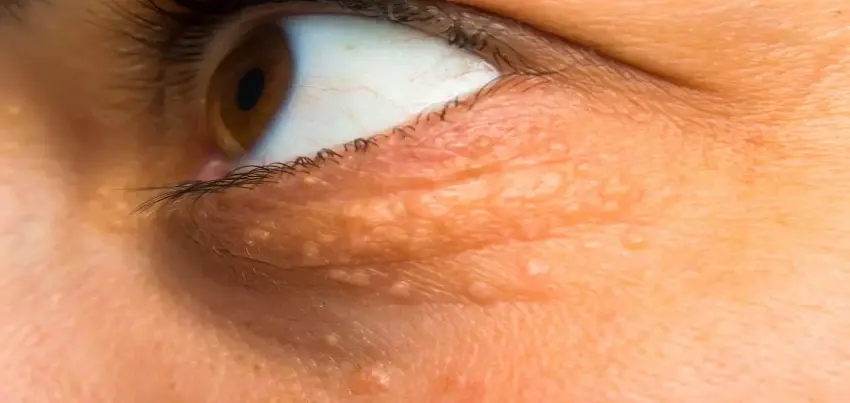
Xanthelasma is a condition characterised by yellowish plaques or patches that form on the skin, usually around the eyes. The plaques are made up of cholesterol and other fats and are caused by the buildup of fatty deposits in the skin.
Read More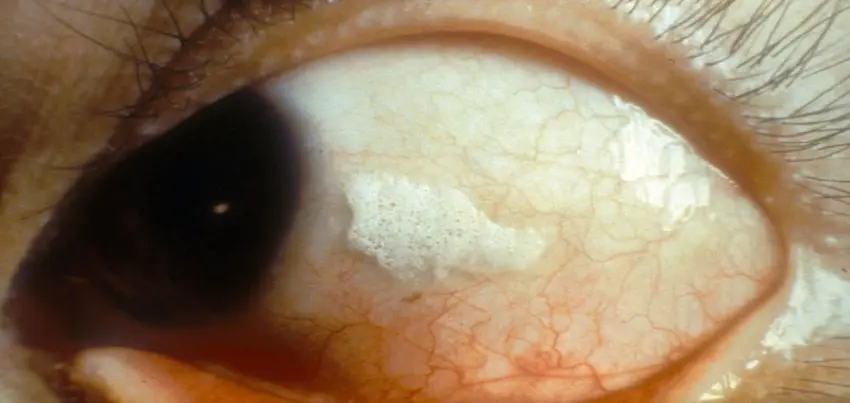
Xerophthalmia Xerophthalmia is a condition characterised by dryness and inflammation of the eyes. It is often caused by a deficiency of vitamin A, which is essential for maintaining the health of the eyes. The symptoms of xerophthalmia include dry eyes, itching, redness, and difficulty seeing in dim light. Diagnosis of xerophthalmia can be done through a physical examination and by measuring the levels of vitamin A in the blood. A common test for vitamin A deficiency is the measurement of serum retinol levels. Treatment for xerophthalmia typically involves supplementing with vitamin A. This can be done through oral or injectable forms of the vitamin. In severe cases, a person may need to receive high doses of vitamin A for several weeks. In addition to vitamin A supplementation, people with xerophthalmia should also be advised to use artificial tears to lubricate the eyes and to avoid rubbing their eyes. Preventing xerophthalmia from occurring in the first place is the best way to ensure that you do not develop this condition. This can be done by consuming a diet that is rich in vitamin A, such as leafy green vegetables, sweet potatoes, and carrots. Additionally, regular exercise is also important for maintaining overall health, including eye health. Annual health check-ups can also be useful in detecting the early signs of xerophthalmia, allowing for early treatment and prevention. Corporate health and wellness programs can also play a role in preventing xerophthalmia by encouraging regular check-ups, promoting healthy diets, and encouraging regular exercise. In addition to eating a balanced diet, it is also important to keep your body hydrated by drinking enough water. This can help to reduce the symptoms of dry eyes and prevent the condition from becoming worse. To prevent xerophthalmia, it is important to consume a diet that is rich in vitamin A. This can be done by eating foods such as leafy green vegetables, sweet potatoes, and carrots. Additionally, regular exercise is important for maintaining overall health, including eye health. Annual health check-ups can also be useful in detecting the early signs of xerophthalmia, allowing for early treatment and prevention. Corporate health and wellness programs can also play a role in preventing xerophthalmia by encouraging regular check-ups, promoting healthy diets, and encouraging regular exercise. In summary, Xerophthalmia is an eye condition that is caused by a deficiency of vitamin A and is characterised by dryness and inflammation of the eyes. Symptoms include dry eyes, itching, redness, and difficulty seeing in dim light. The condition can be diagnosed by measuring the levels of vitamin A in the blood and can be treated by supplementing with vitamin A. The best way to prevent xerophthalmia is by consuming a diet that is rich in vitamin A and regular exercise, and also regular health check-ups and corporate health and wellness programs.
Read More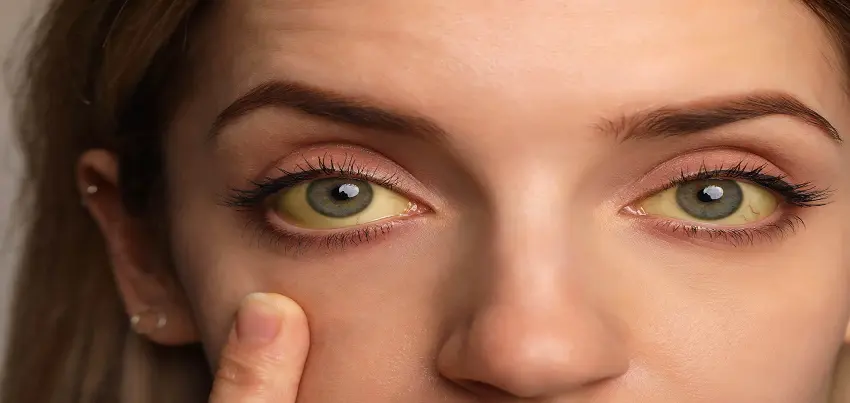
Yellow Fever Yellow fever is a viral disease that is transmitted by mosquitoes. The symptoms of yellow fever can include fever, headache, muscle aches, and nausea. In more severe cases, the symptoms can progress to jaundice (hence the name “yellow” fever), kidney failure, and even death. Diagnosis of yellow fever is usually based on the patient’s symptoms and a history of possible exposure to the virus. Blood tests can be used to confirm the diagnosis. The most common test is the reverse transcriptase-polymerase chain reaction (RT-PCR) test, which can detect the presence of the yellow fever virus in the blood. There is no specific treatment for yellow fever, and treatment is mainly supportive in nature. This can include providing fluids to prevent dehydration, pain relief medication, and oxygen therapy if the patient is having trouble breathing. In severe cases, hospitalization may be necessary Preventing yellow fever from occurring in the first place is the best way to ensure that you do not develop this condition. The most effective way to prevent yellow fever is by getting vaccinated. Yellow fever vaccine is safe and effective and provides long-lasting immunity against the virus. In addition, it is important to reduce exposure to mosquitoes, which can be done by using mosquito repellent, wearing long-sleeved shirts and pants, and staying indoors during peak mosquito biting hours (dawn and dusk)Annual health check-ups can also be useful in detecting the early signs of yellow fever, allowing for early treatment and prevention. Corporate health and wellness programs can also play a role in preventing yellow fever by encouraging regular check-ups, promoting vaccination and providing education on how to reduce exposure to mosquitoes It is also important to note that yellow fever is a risk for travelers visiting certain countries. If you are planning to travel to an area where yellow fever is present, it is important to check with the Centers for Disease Control and Prevention (CDC) for the most up-to-date information on yellow fever risk and to get vaccinated. In summary, Yellow fever is a viral disease transmitted by mosquitoes, symptoms includes fever, headache, muscle aches, and nausea and in severe cases can progress to jaundice, kidney failure, and even death. The most common diagnostic test is the RT-PCR test. There is no specific treatment for yellow fever, it is mainly supportive in nature. The best way to prevent yellow fever is by getting vaccinated and reducing exposure to mosquitoes, and also by annual health check-ups and corporate health and wellness programs. It is important to note that travelers going to certain countries are at risk of yellow fever and should check with the CDC for the most up-to-date information on yellow fever risk and to get vaccinated.
Read More
Yaws Yaws is a chronic bacterial infection caused by the bacterium Treponema pallidum subspecies pertenue. It is primarily found in tropical regions, particularly in rural areas of Africa, Asia, and Latin America. The infection is primarily spread through direct skin-to-skin contact with an infected person, although it can also be transmitted through contact with an infected object, such as a towel or a toy. The symptoms of yaws typically appear within 1-4 weeks after exposure to the bacterium. Early symptoms may include a painless, red, raised sore (known as a “mother yaw”) at the site of infection, as well as swollen lymph nodes. As the infection progresses, more sores may appear on the skin and bones, and the infected person may develop a fever, headaches, and joint pain. Diagnosis of yaws is typically made through a physical examination and a blood test. A dark field microscope test can also be used to detect the presence of the Treponema pallidum bacterium in fluid from the sores. Treatment for yaws typically involves a course of antibiotics, such as penicillin or azithromycin. It is important to complete the full course of antibiotics even if the symptoms have disappeared. If left untreated, yaws can cause severe disfigurement and disability. Preventing yaws from occurring in the first place is the best way to ensure that you do not develop this condition. This can be done by avoiding direct skin-to-skin contact with infected individuals, and also by washing hands regularly, particularly after touching an infected person or object. Annual health check-ups can also be useful in detecting the early signs of yaws, allowing for early treatment and prevention. Corporate health and wellness programs can also play a role in preventing yaws by encouraging regular check-ups, promoting good hygiene practices, and providing education on the prevention of skin-to-skin contact with infected individuals. It is also important to note that yaws is more common in areas with poor living conditions, such as in rural areas or in overcrowded housing. Improving living conditions and increasing access to clean water and sanitation can also help to reduce the risk of yaws. In summary, Yaws is a chronic bacterial infection caused by Treponema pallidum subspecies pertenue, primarily found in tropical regions and spread through direct skin-to-skin contact with an infected person. Symptoms include a painless, red, raised sore, swollen lymph nodes, and fever, headaches, and joint pain. Diagnosis is made through physical examination and blood test, and treatment is typically done with antibiotics. The best way to prevent yaws is by avoiding direct skin-to-skin contact with infected individuals and promoting good hygiene practices. Annual health check-ups and corporate health and wellness programs can also play a role in preventing yaws. Also, it is important to note that yaws is more common in areas with poor living conditions, and improving living conditions and access to clean water and sanitation can also help to reduce the risk of yaws.
Read More
Mental Health Mental health is an essential aspect of overall well-being and should be a top priority for corporate employees. Unfortunately, mental health issues such as anxiety, depression, and stress are becoming increasingly common in the workplace, leading to decreased productivity, increased absenteeism, and higher healthcare costs. One of the most important steps that companies can take to promote mental well-being among their employees is to implement mental health programs. These programs can help employees understand and manage their mental health, provide support and resources, and create a culture of openness and understanding around mental health issues. Here are a few types of mental health programs that companies can consider implementing:Employee Assistance Programs (EAPs) – EAPs provide employees with confidential counseling, resources, and support to help them manage personal and work-related issues.Wellness Programs – Wellness programs can include a wide range of activities such as exercise classes, healthy eating programs, and stress management workshops. These programs can help employees improve their physical and mental well-being, and reduce the risk of developing mental health issues.Mental Health Training – Training programs can educate employees about mental health, including the signs and symptoms of mental health issues, and how to access support and resources.Employee Support Groups – Employee support groups can provide a safe and confidential space for employees to share their experiences, provide support to one another, and find solutions to the challenges they face.Flexible working hours and work-life balance – Allowing employee to have a good work-life balance can reduce stress and anxiety and improve mental well-being. In conclusion, mental health is an important aspect of overall well-being, and companies have a responsibility to promote and protect the mental health of their employees. By implementing mental health programs, companies can create a culture of openness and understanding around mental health issues, and provide employees with the support and resources they need to manage their mental well-being.
Read More
West Nile Fever West Nile fever is a viral infection caused by the West Nile virus (WNV), which is transmitted to humans through the bite of an infected mosquito. The symptoms of West Nile fever can range from mild to severe, and can include fever, headache, muscle and joint pain, weakness, and rash. In severe cases, the infection can lead to neurological complications such as encephalitis and meningitis. Diagnosis of West Nile fever is typically made through a blood test, which can detect the presence of antibodies to the virus. Other diagnostic tests, such as a spinal tap or a CT scan, may be used to rule out other conditions if the patient is experiencing neurological symptoms. Common treatment methods for West Nile fever include taking over-the-counter pain relievers to alleviate symptoms, and resting to help the body recover from the infection. In severe cases, hospitalization may be necessary, and treatment may include the use of antiviral medications and supportive care such as IV fluids and oxygen therapy. To prevent the occurrence of West Nile fever, it is important to take steps to reduce the risk of being bitten by mosquitoes. This can include using mosquito repellents, wearing long-sleeved shirts and pants, and avoiding outdoor activities during peak mosquito-biting hours (dusk and dawn).Additionally, it is important to eliminate standing water around your home, as this can be a breeding ground for mosquitoes. An annual health check-up can also be an effective tool in preventing West Nile fever, as it allows individuals to identify potential risk factors and take steps to address them before they lead to serious health issues. Corporate health and wellness programs can also play a role in preventing West Nile fever by promoting healthy lifestyle practices, such as regular exercise and a balanced diet, which can help to boost the immune system and reduce the risk of infection. Eating a healthy diet and exercising regularly can also be an effective way to prevent West Nile fever. A diet that is rich in fruits and vegetables, lean protein, and whole grains can provide the nutrients the body needs to stay strong and healthy. Regular exercise can also help to boost the immune system and improve overall health. In conclusion, West Nile fever is a viral infection that can cause a range of symptoms, from mild to severe. Diagnosis is typically made through a blood test and common treatment methods include taking over-the-counter pain relievers and resting. To prevent the occurrence of West Nile fever, it is important to reduce the risk of being bitten by mosquitoes, eliminate standing water around your home and have annual health check-ups. Corporate health and wellness programs can also play a role in preventing the disease by promoting healthy lifestyle practices such as regular exercise and a balanced diet.
Read More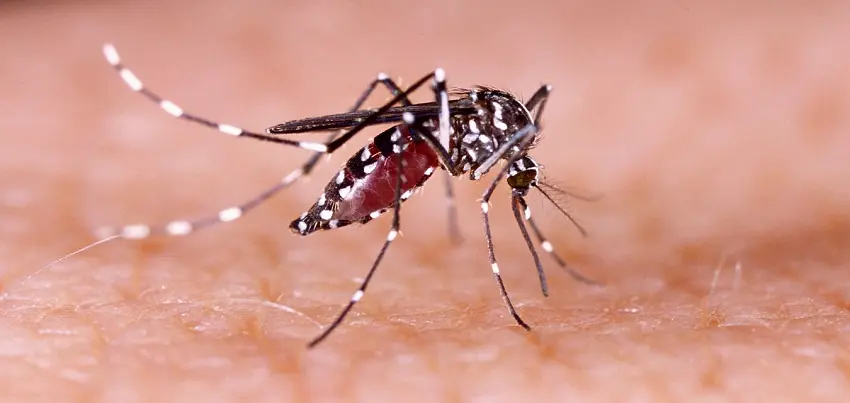
Zika Virus Disease Zika virus disease is a viral illness caused by the Zika virus. It is primarily spread through the bite of an infected Aedes mosquito, although it can also be transmitted sexually and from mother to baby during pregnancy. The symptoms of Zika virus disease can include fever, rash, headache, joint pain, and conjunctivitis (red eyes). In most cases, the symptoms are mild and last for several days to a week. However, in some cases, Zika virus infection can lead to more severe complications, such as Guillain-Barré syndrome and microcephaly (a birth defect where a baby’s head is smaller than expected). Diagnosis of Zika virus disease is typically made through a blood test. The most commonly used test is the Reverse Transcriptase-polymerase chain reaction (RT-PCR) test, which can detect the presence of the Zika virus in the blood.There is currently no specific treatment for Zika virus disease. Treatment is mainly supportive in nature and can include rest, fluids, and over-the-counter pain and fever medication. Preventing Zika virus disease from occurring in the first place is the best way to ensure that you do not develop this condition. The most effective way to prevent Zika virus infection is by avoiding mosquito bites. This can be done by using mosquito repellent, wearing long-sleeved shirts and pants, and staying indoors during peak mosquito biting hours (dawn and dusk). Annual health check-ups can also be useful in detecting the early signs of Zika virus disease, allowing for early treatment and prevention. Corporate health and wellness programs can also play a role in preventing Zika virus disease by encouraging regular check-ups, promoting the use of mosquito repellent, and providing education on how to reduce exposure to mosquitoes. It is also important to note that Zika virus disease is a risk for travelers visiting certain countries. If you are planning to travel to an area where Zika virus is present, it is important to check with the Centers for Disease Control and Prevention (CDC) for the most up-to-date information on Zika virus risk and to take appropriate measures to prevent mosquito bites. In summary, Zika virus disease is a viral illness caused by the Zika virus, primarily spread through the bite of an infected Aedes mosquito, although it can also be transmitted sexually and from mother to baby during pregnancy. Symptoms include fever, rash, headache, joint pain, and conjunctivitis. In most cases, the symptoms are mild and last for several days to a week. Diagnosis is typically made through a blood test and there is no specific treatment for the disease, it is mainly supportive. The best way to prevent Zika virus disease is by avoiding mosquito bites, using mosquito repellent, wearing long-sleeved shirts and pants, and staying indoors during peak mosquito biting hours. Annual health check-ups and corporate health and wellness programs can also play a role in preventing Zika virus disease by encouraging regular check-ups, promoting the use of mosquito repellent and providing education on how to reduce exposure to mosquitoes. Also, it is important to note that Zika virus disease is a risk for travelers visiting certain countries, they should check with the CDC for the most up-to-date information on Zika virus risk and to take appropriate measures to prevent mosquito bites.
Read More
Whooping Cough Whooping cough, also known as pertussis, is a highly contagious respiratory infection caused by the bacterium Bordetella pertussis. It is characterised by severe coughing spells that can make it difficult to breathe, and can be particularly dangerous for infants and young children Symptoms of whooping cough typically appear within 7 to 10 days after exposure to the bacterium, and can include a runny nose, low-grade fever, and mild cough. These symptoms can last for several days before the severe coughing spells begin. The characteristic “whoop” sound that gives the disease its name is heard when the individual inhales after a coughing spell. Infants may not exhibit this sound, instead they may turn blue or have difficulty breathing. Diagnosis of whooping cough is made by a combination of clinical symptoms and laboratory testing. A healthcare provider may take a nasopharyngeal swab or culture to test for the presence of B. pertussis bacteria. Blood test may also be done to detect antibodies to the bacteria. Treatment for whooping cough typically involves the use of antibiotics, such as azithromycin or erythromycin, to eliminate the bacteria and shorten the duration of the illness. In the case of infants and young children, they may need hospitalisation to manage complications such as pneumonia or dehydration. Over-the-counter medications such as acetaminophen or ibuprofen can be used to relieve fever and coughing.The most effective way to prevent whooping cough is through vaccination. The pertussis vaccine is typically given as part of the DTaP (diphtheria, tetanus, and pertussis) vaccine for children, and the Tdap (tetanus, diphtheria, and pertussis) vaccine for adolescents and adults. It is recommended that infants, children, adolescents, and adults should be vaccinated against pertussis. In addition to vaccination, good hygiene practices such as washing hands frequently, covering the mouth and nose when coughing or sneezing, and staying home when sick can help to prevent the spread of the disease. A healthy diet and regular exercise can also help to boost the immune system and reduce the risk of infection. Eating a diet rich in fruits, vegetables, and whole grains can provide the body with the necessary nutrients to fight off infection. Regular exercise can also help to improve overall health and reduce stress, which can weaken the immune system. Annual health check-ups are an important tool for identifying and preventing the spread of infectious diseases such as whooping cough. These check-ups can help to identify any potential health issues early on, allowing for prompt treatment and management. Corporate health and wellness programs can also play an important role in preventing the spread of infectious diseases by promoting vaccinations, healthy habits, and providing access to preventive care and screenings. In conclusion, Whooping cough, also known as pertussis, is a highly contagious respiratory infection caused by the bacterium Bordetella pertussis. It is characterised by severe coughing spells that can make it difficult to breathe, particularly dangerous for infants and young children. The most effective way to prevent whooping cough is through vaccination, in addition to good hygiene practices such as washing hands frequently, covering the mouth and nose when coughing or sneezing, and staying home when sick. A healthy diet and regular exercise can also help to boost the immune system and reduce the risk of infection. Annual health check-ups and corporate health and wellness programs can also play an important role in preventing the spread of infectious diseases such as whooping cough by promoting vaccinations, healthy habits, and providing access to preventive care and screenings.
Read More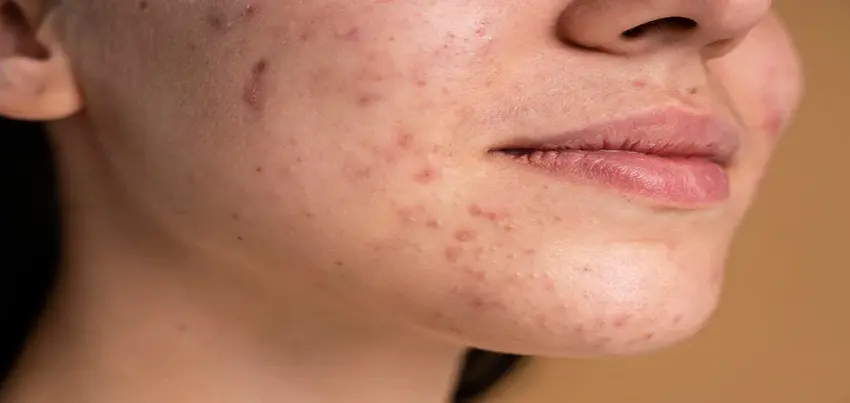
Urticaria Urticaria, also known as hives, is a skin condition characterized by red, itchy welts on the skin. These welts can appear anywhere on the body and can vary in size and shape. They are caused by the release of histamine and other chemicals from cells in the skin. Symptoms of urticaria can range from mild to severe and can include itching, redness, and swelling of the skin. In some cases, the welts can be accompanied by other symptoms such as a rash, sore throat, or difficulty breathing. These symptoms can last for a few days or up to several weeks, and can come and go in cycles. Diagnosing urticaria typically involves a physical examination and a review of the patient’s medical history. A blood test to measure the level of histamine in the blood may also be performed. If the cause of the hives is not clear, the doctor may perform additional tests, such as a skin biopsy or allergy testing, to rule out underlying conditions. Treatment for urticaria depends on the severity of the symptoms and the underlying cause of the condition. Mild cases of urticaria can be treated with over-the-counter antihistamines, while more severe cases may require prescription medications such as corticosteroids or immunomodulators. In some cases, light therapy or phototherapy may also be used to treat hives. Preventing urticaria from occurring in the first place can be challenging, as the cause of the condition is not always clear. However, avoiding triggers such as certain foods, medications, or environmental allergens can help to reduce the risk of hives. In addition, incorporating a healthy diet and regular exercise into your routine can help to improve overall health and reduce the risk of developing hives. Annual health check-ups can be a great way to stay on top of your health and catch any potential issues early. During your check-up, your doctor will likely review your medical history, perform a physical examination, and order any necessary tests. They can also help you to identify any potential triggers for urticaria and work with you to develop a plan to manage them. Corporate health & wellness programs are a great way for companies to help their employees stay healthy. By providing access to annual health check-ups, health screenings, and wellness education, companies can help their employees to identify potential health issues early and take steps to manage them. In addition, many companies also offer employees incentives to participate in health and wellness programs, such as gym memberships or discounts on healthy foods. In conclusion, Urticaria, also known as hives, is a skin condition characterized by red, itchy welts on the skin. Symptoms can range from mild to severe and can include itching, redness, and swelling of the skin. The underlying cause of the condition is not always clear. Treatment for urticaria depends on the severity of the symptoms and the underlying cause of the condition. Preventing urticaria from occurring in the first place can be challenging, but avoiding triggers such as certain foods, medications, or environmental allergens can help to reduce the risk of hives. Incorporating a healthy diet and regular exercise into your routine can help to improve overall health and reduce the risk of developing hives. Annual health check-ups and corporate health & wellness programs are a great way to stay on top of your health and catch any potential issues early.
Read MoreTop rated products
-
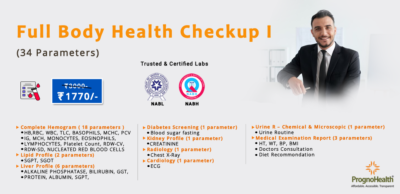 Full Body Health Checkup I
Original price was: ₹3,000.00.₹1,770.00Current price is: ₹1,770.00.
Full Body Health Checkup I
Original price was: ₹3,000.00.₹1,770.00Current price is: ₹1,770.00.
-
 MFG IND PACK III
Original price was: ₹3,900.00.₹2,145.00Current price is: ₹2,145.00.
MFG IND PACK III
Original price was: ₹3,900.00.₹2,145.00Current price is: ₹2,145.00.
-
 Dengue NS1 Antigen Test
₹900.00
Dengue NS1 Antigen Test
₹900.00
-
 Lipoprotein (A) Blood Test – Lp(a)
₹750.00
Lipoprotein (A) Blood Test – Lp(a)
₹750.00
-
 Healthy Life Advance Male
Original price was: ₹15,000.00.₹8,250.00Current price is: ₹8,250.00.
Healthy Life Advance Male
Original price was: ₹15,000.00.₹8,250.00Current price is: ₹8,250.00.