PrognoHealth – Corporate Health & Wellness Specialist


Tuberculosis Tuberculosis, also known as TB, is a bacterial infection that primarily affects the lungs. However, it can also affect other parts of the body such as the kidneys, spine, and brain. It is a serious and potentially deadly disease, but it is also preventable and treatable. Symptoms of TB include a persistent cough that lasts for more than three weeks, chest pain, weight loss, fatigue, night sweats, and fever. If you experience any of these symptoms, it is important to seek medical attention as soon as possible. Diagnosis of TB is typically done through a combination of tests, including a chest X-ray, a skin test called the tuberculin test, and a blood test called the interferon-gamma release assay. Sputum culture may also be performed to identify the specific strain of bacteria causing the infection. Common treatment methods for TB include a combination of antibiotics, which are typically taken for six to nine months. It is important to complete the full course of antibiotics even if you start feeling better, as this can help prevent the development of drug-resistant TB. Preventing TB from occurring is possible through a combination of vaccination, healthy lifestyle choices, and early detection and treatment of the disease. The Bacillus Calmette-Guérin (BCG) vaccine is given to children in many countries to protect against TB, and it is also recommended for adults at high risk of the disease. To prevent TB, it’s important to maintain a healthy diet, exercise regularly, and avoid smoking and excessive alcohol consumption. Annual health check-ups and corporate health & wellness programs can also help identify and prevent TB. Diet and exercise can also play a role in preventing TB. Eating a diet rich in fruits and vegetables, lean protein, and whole grains can help boost your immune system and protect against infection. Regular exercise can also help keep your lungs healthy and reduce your risk of developing TB. In conclusion, tuberculosis is a serious and potentially deadly disease, but it is also preventable and treatable. Regular check-ups, healthy lifestyle choices, and early detection and treatment are key to preventing TB. Corporate health and wellness programs can also play an important role in identifying and preventing TB among employees.
Read More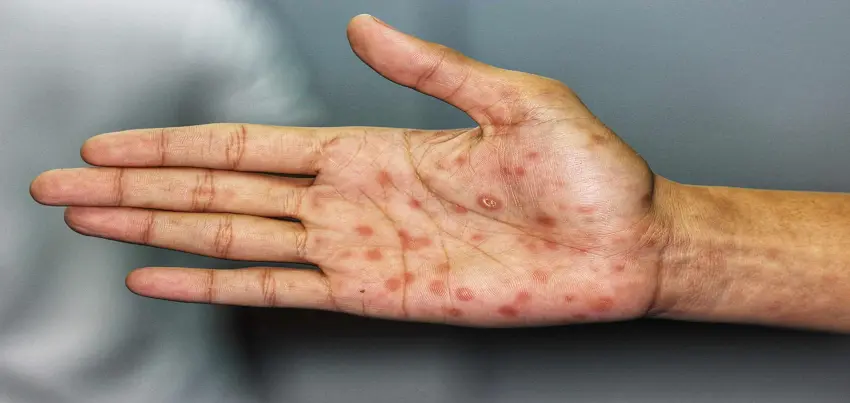
Syphilis Syphilis is a sexually transmitted infection (STI) caused by the bacterium Treponema pallidum. It is a serious condition that can have severe consequences if left untreated. In this blog post, we will discuss the symptoms, tests for diagnosis, common treatment methods, and ways to prevent syphilis from occurring. We will also discuss how annual health check-ups and corporate health and wellness programs can help prevent the spread of this STI. Symptoms of syphilis typically appear within 3 to 90 days after exposure to the bacteria. The initial symptoms are often mild and can include a sore or chancre at the site of infection, swollen lymph nodes, and fever. As the infection progresses, more severe symptoms can develop, such as a rash, sores in the mouth or genitals, and hair loss. Diagnosis of syphilis is typically done by taking a blood sample and testing it for the presence of the T. pallidum bacterium. A physical examination may also be done to look for any visible signs of the infection. Treatment for syphilis typically involves a course of antibiotics, such as penicillin. The length of treatment and the specific antibiotics used will depend on the stage of the infection. In primary and secondary syphilis, a single injection of penicillin is usually enough to cure the infection. In latent and tertiary syphilis, multiple injections or oral antibiotics may be needed. Preventing syphilis from occurring is primarily done by practicing safe sex. This includes using condoms during sexual activity, being in a monogamous relationship, and getting tested regularly for STIs. Annual health check-ups and corporate health and wellness programs can also help prevent the spread of syphilis by providing information and resources on safe sex practices, testing, and treatment. Diet and exercise can also play a role in preventing syphilis. Eating a healthy diet that is rich in fruits, vegetables, and whole grains can help boost the immune system and make it more difficult for the T. pallidum bacteria to take hold. Regular exercise can also help keep the immune system strong and prevent the spread of this STI. In conclusion, syphilis is a serious STI that can have severe consequences if left untreated. Symptoms can range from mild to severe and include sores, rashes, and hair loss. Diagnosis is typically done through blood tests and a physical examination. Treatment typically involves antibiotics, and prevention is primarily done by practicing safe sex and getting regular check-ups. Eating a healthy diet and exercising regularly can also help prevent the spread of syphilis. Corporate health and wellness programs can play an important role in providing information and resources on safe sex practices, testing, and treatment, which can help to reduce the spread of this STI.
Read More
Swine Flu – H1N1 Swine flu, also known as H1N1 influenza, is a respiratory illness caused by the H1N1 strain of the influenza virus. The virus was first identified in swine in the United States in 2009 and has since spread to other parts of the world. Symptoms of swine flu include fever, cough, sore throat, body aches, headache, chills, and fatigue. In some cases, people may also experience diarrhea and vomiting. These symptoms are similar to those of the seasonal flu, but can be more severe. Diagnosis of swine flu is typically made through a test that detects the presence of the H1N1 virus in a person’s respiratory secretions. The most common tests include rapid influenza diagnostic tests (RIDTs) and reverse transcription polymerase chain reaction (RT-PCR) tests. Common treatment methods for swine flu include antiviral medications such as oseltamivir (Tamiflu) and zanamivir (Relenza). These medications can help to reduce the severity of symptoms and shorten the duration of the illness. In some cases, people with swine flu may also be treated with antibiotics if they develop a secondary bacterial infection. To prevent the spread of swine flu, it is important to practice good hand hygiene, avoid close contact with sick people, and stay home when you are sick. It is also recommended that people get an annual flu shot to protect against seasonal influenza, as well as swine flu. In addition to these prevention measures, a healthy diet and regular exercise can also help to boost your immune system and reduce your risk of contracting swine flu. Eating a diet rich in fruits and vegetables, lean protein, and whole grains can provide the nutrients your body needs to stay healthy. Regular exercise can also help to improve your overall health and reduce your risk of contracting a variety of illnesses. Annual health check-ups are an important tool for monitoring your overall health and identifying any potential health issues. These check-ups can help to detect diseases such as swine flu at an early stage, when they are most treatable. Additionally, corporate health & wellness programs can also play an important role in promoting healthy lifestyles and reducing the risk of disease. Such programs can include onsite flu shots, health screenings, and wellness classes. In conclusion, swine flu is a serious respiratory illness caused by the H1N1 strain of the influenza virus. Symptoms include fever, cough, and body aches, and the virus can be diagnosed with a test that detects the presence of the H1N1 virus in a person’s respiratory secretions. To prevent the spread of swine flu, it is important to practice good hand hygiene, avoid close contact with sick people, and stay home when you are sick. Additionally, a healthy diet and regular exercise can help to boost your immune system and reduce your risk of contracting swine flu. Annual health check-ups and corporate health & wellness programs can also play an important role in promoting healthy lifestyles and reducing the risk of disease.
Read More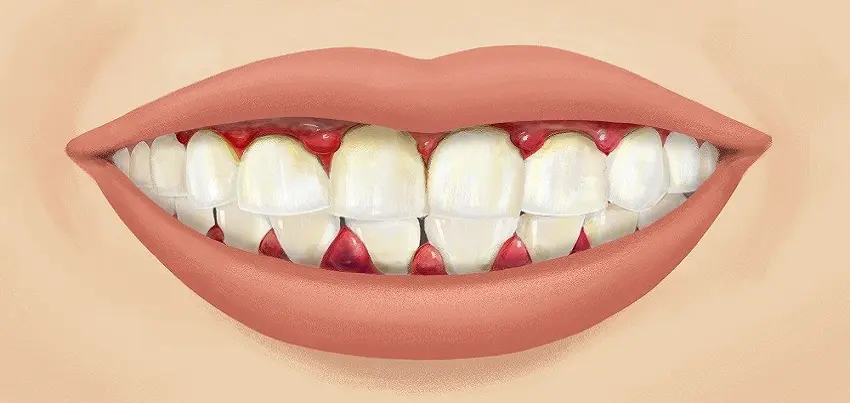
Scurvy Scurvy is a rare but serious condition caused by a deficiency of vitamin C, also known as ascorbic acid. This deficiency leads to the breakdown of collagen in the body, resulting in symptoms such as fatigue, muscle weakness, joint and muscle pain, and easy bruising. If left untreated, scurvy can lead to serious complications such as anemia, bleeding gums, and even death. The symptoms of scurvy can be subtle and may be mistaken for other conditions. Common symptoms include fatigue, muscle weakness, joint and muscle pain, and easy bruising. The skin may appear dry and rough, and may develop small, red-blue spots called petechiae. Scurvy can also cause bleeding gums, which can lead to tooth loss. The diagnosis of scurvy is typically made based on a combination of symptoms, physical examination, and laboratory tests. A blood test can measure the levels of vitamin C in the body and can confirm a deficiency. A deficiency of vitamin C can also be diagnosed by measuring the levels of hydroxyproline, a protein that is found in collagen and is essential for the formation of blood vessels and connective tissue. The treatment of scurvy is relatively straightforward and involves increasing the intake of vitamin C. This can be done through diet or supplements. Food sources of vitamin C include fruits such as oranges, lemons, and limes, as well as vegetables such as bell peppers, broccoli, and Brussels sprouts. Vitamin C supplements are also widely available and can be taken in pill or powder form. Preventing scurvy from occurring is relatively simple and can be achieved by ensuring an adequate intake of vitamin C. This can be done by eating a diet that is rich in fruits and vegetables, particularly those that are high in vitamin C, such as oranges, lemons, limes, bell peppers, broccoli, and Brussels sprouts. Annual health check-ups and corporate health and wellness programs can also play a role in preventing scurvy by identifying and addressing risk factors early on. These check-ups can include assessments of nutrient deficiencies and can help detect any early warning signs of scurvy. Corporate health and wellness programs can provide education and resources on healthy eating and nutrition, and can also create a supportive work environment for those who may be at risk for developing scurvy.Exercise is important for overall health and preventing scurvy, regular physical activity can help to reduce the risk of developing scurvy by promoting a healthy diet and lifestyle. It can also help to boost energy levels, improve mood, and reduce stress, which can all contribute to preventing scurvy. In summary, Scurvy is a rare but serious condition caused by a deficiency of vitamin C, resulting in symptoms such as fatigue, muscle weakness, joint and muscle pain, and easy bruising. Its diagnosis is typically made based on a combination of symptoms, physical examination, and laboratory tests. Its treatment is relatively straightforward and involves increasing the intake of vitamin C through diet or supplements. Preventing scurvy from occurring is relatively simple and can be achieved by ensuring an adequate intake of vitamin C, through eating a diet that is rich in fruits and vegetables, particularly those that are high in vitamin C, such as oranges, lemons, limes, bell peppers, broccoli, and Brussels sprouts. Annual health check-ups, corporate health and wellness programs and regular exercise can also play a role in preventing scurvy.
Read More
Sarcoma Sarcoma is a type of cancer that develops in the connective tissues of the body, such as bones, muscles, cartilage, and fat. It is a rare form of cancer, accounting for less than 1% of all cancer cases. Sarcoma can occur in any part of the body, but it is most commonly found in the arms, legs, and torso. Symptoms of sarcoma can vary depending on the location of the tumor. Common symptoms include:Pain or swelling in the affected areaFatigueLoss of appetiteWeight lossDifficulty moving the affected limbA lump or mass that can be felt under the skin To diagnose sarcoma, a variety of tests may be used, including:X-ray: to detect bone tumorsCT scan: to create detailed images of the inside of the bodyMRI: to create detailed images of the soft tissue tumorsBiopsy: to remove a small sample of tissue from the tumor for examination under a microscope Common treatment methods for sarcoma include:Surgery: to remove the tumor and some surrounding healthy tissueRadiation therapy: to use high-energy radiation to kill cancer cellsChemotherapy: to use drugs to kill cancer cellsTargeted therapy: touse drugs that target specific proteins in cancer cells Preventing sarcoma from occurring is difficult, as the exact cause of the disease is unknown. However, there are a few steps that can be taken to reduce the risk of developing sarcoma. One way to reduce the risk of sarcoma is to undergo annual health check-ups. During these check-ups, a doctor will perform a physical examination and may order additional tests to detect any potential health issues. Corporate health & wellness programs can also play a role in preventing sarcoma. These programs may include offering employees access to healthy foods, encouraging physical activity, and providing resources for stress management. Diet and exercise can also be important in preventing sarcoma. Eating a diet that is rich in fruits, vegetables, and whole grains can help to boost the immune system and reduce the risk of cancer. Regular physical activity can also help to reduce the risk of cancer by maintaining a healthy weight and reducing inflammation. In conclusion, sarcoma is a rare form of cancer that develops in the connective tissues of the body. Symptoms can vary depending on the location of the tumor and can include pain, swelling, and a lump or mass under the skin. Diagnosis of sarcoma is made through a variety of tests, including x-ray, CT scan, MRI, and biopsy. Treatment options include surgery, radiation therapy, chemotherapy, and targeted therapy. While the exact cause of sarcoma is unknown, steps can be taken to reduce the risk of developing the disease, including undergoing annual health check-ups, participating in corporate health & wellness programs and maintaining a healthy diet and regular physical activity.
Read More
Postmenopausal Bleeding Postmenopausal bleeding (PMB) is a condition in which a woman who has gone through menopause experiences vaginal bleeding. It is important to note that any vaginal bleeding after menopause should be reported to a healthcare provider as it can be a symptom of a serious condition. Symptoms of PMB include vaginal bleeding or spotting, pain or discomfort during intercourse, and vaginal discharge. In some cases, there may be no symptoms at all. To diagnose PMB, a healthcare provider may perform a pelvic exam, a Pap smear, or a biopsy of the uterus or cervix. Additional tests, such as an ultrasound or a hysteroscopy, may also be performed to determine the cause of the bleeding. Common treatment methods for PMB include hormone therapy, surgery, and radiation therapy. Hormone therapy may be used to stop the bleeding and reduce the risk of developing endometrial cancer. Surgery, such as a hysterectomy, may be necessary to remove abnormal tissue or growths. Radiation therapy may be used to shrink tumors or abnormal growths. To prevent PMB from occurring, it is important to maintain a healthy lifestyle. This includes eating a healthy diet and getting regular exercise. Annual health check-ups are also important to detect and prevent any abnormal changes or conditions. Corporate health and wellness programs can also help to educate and encourage employees to maintain a healthy lifestyle. Diet and exercise can play a significant role in preventing PMB. Eating a diet rich in fruits, vegetables, and whole grains can help to reduce the risk of developing PMB. In addition, regular exercise can help to maintain a healthy weight and reduce the risk of developing certain health conditions. To wrap up, PMB is a vaginal bleeding condition after menopause. It’s important to report to the healthcare provider for any vaginal bleeding after menopause. PMB can be diagnosed through pelvic exam, Pap smear, or biopsy of uterus or cervix. Common treatment methods include hormone therapy, surgery and radiation therapy. To prevent PMB, a healthy lifestyle and annual check-ups are necessary. Corporate health and wellness programs can also help to educate and encourage employees to maintain a healthy lifestyle. Diet and exercise are also important to prevent PMB.
Read More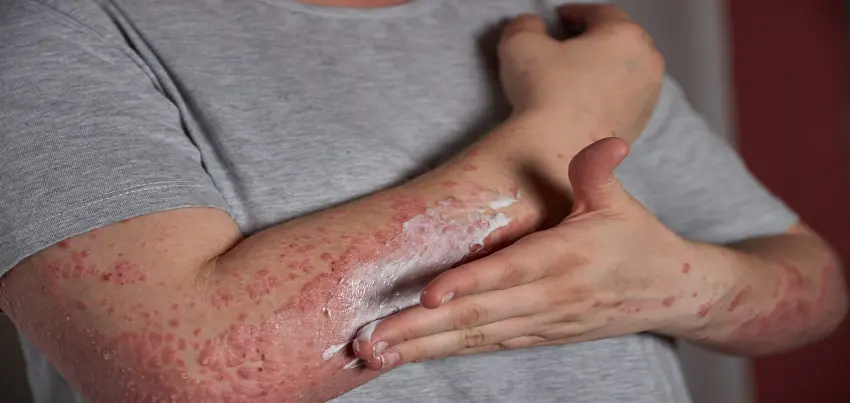
Psoriasis Psoriasis is a chronic, inflammatory skin condition that affects around 2-3% of the world’s population. The condition is characterised by red, scaly patches of skin that can be itchy and uncomfortable. Symptoms of psoriasis include red, scaly patches of skin, silvery scales, itching, burning, and soreness. The patches can appear anywhere on the body, but are most commonly found on the scalp, elbows, knees, and lower back. To diagnose psoriasis, a doctor will typically examine the affected skin and may also perform a skin biopsy. Blood tests, X-rays, and other imaging tests may also be used to rule out other conditions. Common treatment methods for psoriasis include topical creams and ointments, light therapy, and oral or injectable medications. Topical treatments include corticosteroids, coal tar, and retinoids. Light therapy, also known as phototherapy, involves exposing the skin to ultraviolet light. Oral or injectable medications, such as methotrexate, are used for more severe cases. Preventing psoriasis from occurring can be difficult, as the exact cause of the condition is not yet known. However, there are a number of things that people can do to reduce their risk of developing psoriasis. These include avoiding smoking, maintaining a healthy diet and exercise, and managing stress. One way to prevent psoriasis is through annual health check-ups. By staying on top of one’s health and identifying any potential risk factors, such as high blood pressure or obesity, it can help to lower the chances of developing psoriasis.Another way to prevent psoriasis is through corporate health and wellness programs. These programs can be effective in promoting healthy lifestyle choices, such as regular exercise and healthy eating, which can help to reduce the risk of developing psoriasis. In terms of diet and exercise, people with psoriasis should aim to eat a balanced diet that is rich in fruits and vegetables and low in saturated fats. Exercise is also important in keeping the body healthy, and it can help to reduce stress levels. In conclusion, psoriasis is a chronic, inflammatory skin condition that affects millions of people worldwide. While the exact cause of the condition is not yet known, there are a number of things that people can do to reduce their risk of developing psoriasis, including annual health check-ups, corporate health and wellness programs, healthy eating and regular exercise.It’s important to consult with a medical professional to find the best treatment plan for your psoriasis, as every case is different. With proper care and management, people with psoriasis can lead full and healthy lives
Read More
Yoga, an age-old practice that intertwines physical and mental well-being, has gained immense popularity worldwide in recent years. Recognizing its significance, the United Nations designated June 21st as International Yoga Day
Read More
Microcephaly is a rare neurological condition in which the head size of an individual is smaller than average, due to a problem with brain development. This can occur before birth or during the first few years of life.
Read More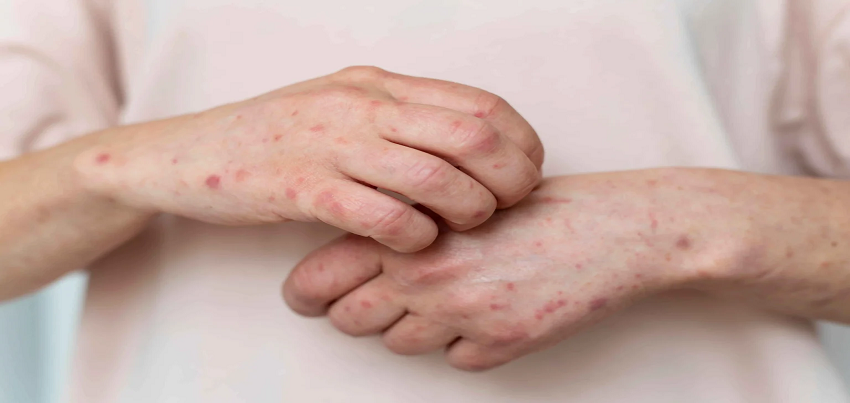
Monkeypox Mouth ulcers, also known as canker sores, are small, painful sores that develop inside the mouth. They can occur on the tongue, gums, or inside of the cheeks, and can make it difficult to eat or talk. Symptoms of mouth ulcers may include:Small, round or oval sores on the inside of the cheeks, gums, or tongueA red or yellow center with a red borderPain or a burning sensation in the affected areaSwelling or tenderness around the soreA loss of appetite or difficulty eating In most cases, mouth ulcers are not serious and can be diagnosed by a healthcare provider during a physical examination. In some cases, a biopsy may be taken to rule out any other underlying conditions. The treatment of mouth ulcers varies depending on the cause of the ulcer. Over-the-counter pain relievers can help to reduce the pain and discomfort associated with mouth ulcers. Topical gels or creams can also be applied to the affected area to provide pain relief. In more severe cases, oral medications may be prescribed. To prevent mouth ulcers, it is important to practice good oral hygiene. This includes:Brushing your teeth twice a day with a soft toothbrushFlossing once a dayRinsing your mouth with an antiseptic mouthwashAvoiding foods or drinks that can irritate the mouth, such as citrus fruits or acidic drinksAvoiding smoking or using smokeless tobaccoAnnual health checkups are a great way to detect any potential health issues early, and corporate health and wellness programs can also play a key role in promoting preventative care and early detection of mouth ulcers.A healthy diet and regular exercise can also help to boost your immune system and reduce your risk of developing mouth ulcers. Eating a diet rich in fruits, vegetables, and whole grains can provide the nutrients your body needs to stay healthy. Exercise, such as walking, jogging, cycling, or swimming, can also help to keep your immune system strong. In conclusion, Mouth ulcers are small, painful sores that develop inside the mouth. They can occur on the tongue, gums, or inside of the cheeks, and can make it difficult to eat or talk. Most cases of mouth ulcers are not serious and can be diagnosed by a healthcare provider during a physical examination. The treatment of mouth ulcers varies depending on the cause of the ulcer. To prevent mouth ulcers, it is important to practice good oral hygiene, such as brushing your teeth twice a day, flossing once a day, rinsing your mouth with an antiseptic mouthwash, avoiding foods or drinks that can irritate the mouth, avoiding smoking or using smokeless tobacco. Annual health checkups and corporate health and wellness programs can play a key role in promoting preventative care and early detection of mouth ulcers. A healthy diet and regular exercise can also help to boost your immune system and reduce the risk of developing mouth ulcers.
Read MoreTop rated products
-
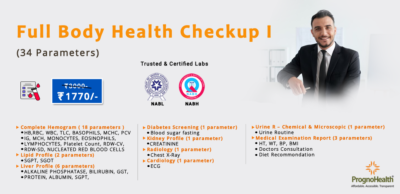 Full Body Health Checkup I
Original price was: ₹3,000.00.₹1,770.00Current price is: ₹1,770.00.
Full Body Health Checkup I
Original price was: ₹3,000.00.₹1,770.00Current price is: ₹1,770.00.
-
 MFG IND PACK III
Original price was: ₹3,900.00.₹2,145.00Current price is: ₹2,145.00.
MFG IND PACK III
Original price was: ₹3,900.00.₹2,145.00Current price is: ₹2,145.00.
-
 Dengue NS1 Antigen Test
₹900.00
Dengue NS1 Antigen Test
₹900.00
-
 Lipoprotein (A) Blood Test – Lp(a)
₹750.00
Lipoprotein (A) Blood Test – Lp(a)
₹750.00
-
 Healthy Life Advance Male
Original price was: ₹15,000.00.₹8,250.00Current price is: ₹8,250.00.
Healthy Life Advance Male
Original price was: ₹15,000.00.₹8,250.00Current price is: ₹8,250.00.