PrognoHealth – Corporate Health & Wellness Specialist


“ A Guide for Different Age Groups and Genders”
Read More
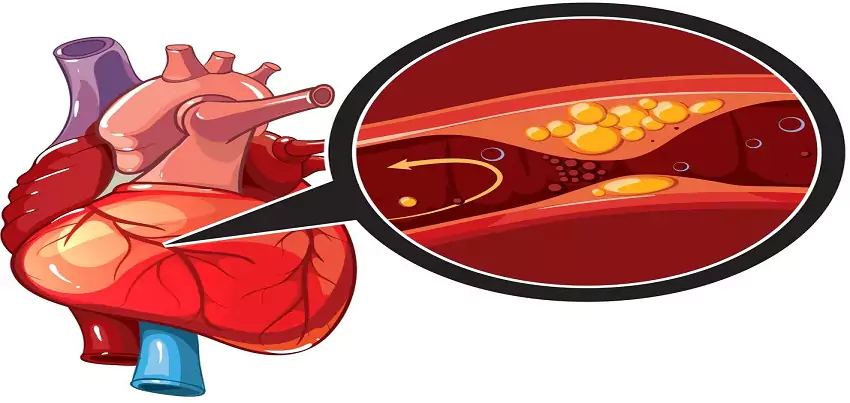
Coronary heart disease, also known as coronary artery disease, is a condition in which the blood vessels that supply oxygen and nutrients to the heart become narrowed or blocked. This can lead to chest pain, shortness of breath, and even heart attack.
Read More
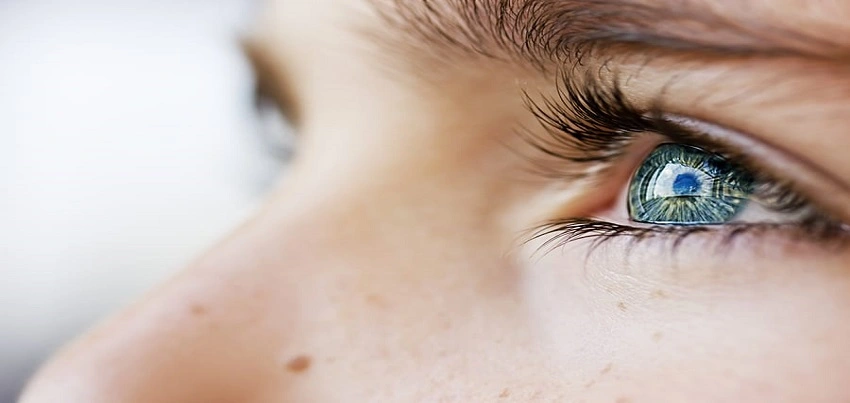
Exposure Keratopathy Exposure keratopathy is a condition in which the cornea, the clear outer layer of the eye, becomes damaged due to exposure to the environment. This can be caused by a variety of factors, including dry eyes, eyelid malposition, or neurological conditions that affect the ability to close the eyelids properly. Symptoms of exposure keratopathy include dry, red, and irritated eyes, as well as pain and a gritty sensation. In severe cases, the cornea can become cloudy and vision may be affected. The diagnosis of exposure keratopathy begins with a comprehensive eye exam, including a visual acuity test, a measurement of the tear film, and a slit-lamp examination to examine the cornea. Additional testing may include a Schirmer test to measure the amount of tears produced, and a corneal stain test to look for signs of damage to the cornea. Common treatment methods for exposure keratopathy include the use of artificial tears to lubricate the eyes, ointments to protect the eyes at night, and the use of moisture-retaining goggles or eye patches to protect the eyes during the day. In severe cases, surgery may be necessary to reposition the eyelids or to repair damage to the cornea. To prevent exposure keratopathy, it is important to maintain good eye hygiene, such as regularly cleaning the eyelids and lashes and avoiding exposure to irritants such as smoke and wind. Using a humidifier in dry environments can also help to keep the eyes lubricated. In addition to good eye hygiene, lifestyle changes, such as diet and exercise, can also help to prevent exposure keratopathy. Eating a diet rich in vitamins A, C, and E, as well as omega-3 fatty acids, can help to support eye health. Regular exercise can also help to improve circulation, which can provide the eyes with the necessary oxygen and nutrients to function properly. Annual health check-ups are also important in preventing exposure keratopathy. During these check-ups, a healthcare provider can check for any risk factors or early signs of the condition and provide appropriate recommendations or treatment. Finally, Corporate health & wellness programs can play an important role in preventing exposure keratopathy by providing employees with access to education and resources about eye health, as well as opportunities for regular eye exams and check-ups. This can help ensure that individuals who are at risk of exposure keratopathy receive the care and support they need to prevent this condition. In conclusion, Exposure keratopathy is a condition in which the cornea becomes damaged due to exposure to the environment. Symptoms include dry, red, and irritated eyes, as well as pain and a gritty sensation. The diagnosis typically begins with a comprehensive eye exam, and treatment methods include artificial tears, ointments, moisture-retaining goggles or eye patches, and in severe cases, surgery. To prevent exposure keratopathy, maintaining good eye hygiene, a healthy diet, exercise, annual health check-ups, and corporate health & wellness programs are all important steps.
Read More
Gaming disorder, also known as internet gaming disorder or video game addiction, is a condition characterized by persistent and recurrent problematic behavior related to video game use.
Read More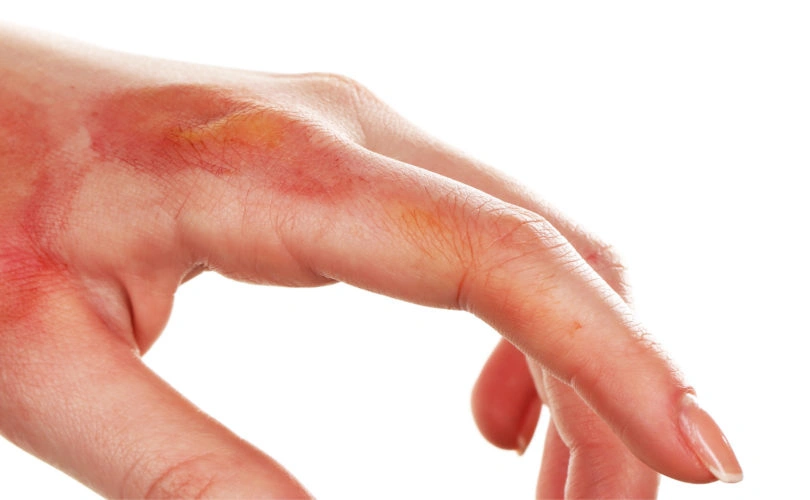
Chemical Injuries Chemical injuries to the eyes are a serious and potentially debilitating condition that can have long-lasting effects on a person’s vision and overall health. These injuries are caused by exposure to chemicals, such as acids, bases, or solvents, and can range from mild to severe. Symptoms of a chemical eye injury may include redness, burning, stinging, tearing, and swelling of the affected eye. In more severe cases, the person may experience blurred vision, sensitivity to light, and even temporary or permanent blindness. To diagnose a chemical eye injury, a doctor will typically perform a physical examination of the eye and ask about the person’s symptoms and any potential exposure to chemicals. They may also perform tests such as a fluorescein dye test, which can detect corneal damage, or a Schirmer test, which measures tear production. Common treatment methods for chemical eye injuries include flushing the eye with water or saline solution to remove any remaining chemicals, as well as prescription eye drops or ointments to reduce inflammation and pain. In severe cases, a person may need to be hospitalized for more aggressive treatment, such as surgery to repair damage to the eye. Preventing chemical eye injuries from occurring is the best way to protect yourself from this condition. One of the most important things you can do is to always wear eye protection when working with chemicals, such as safety goggles or a face shield. Annual health check-ups are also a good way to ensure that you are up-to-date on any potential health risks and can take steps to prevent them from occurring. Corporate health and wellness programs can be a great way for companies to provide employees with resources and support to stay healthy and safe on the job. In addition to taking preventive measures, a healthy diet and regular exercise can also help to support the overall health of the eyes and reduce the risk of chemical eye injuries. Eating a diet rich in fruits and vegetables, as well as omega-3 fatty acids, can help to protect the eyes from inflammation and damage. In conclusion, chemical injuries to the eyes are a serious condition that can have long-lasting effects on a person’s vision and overall health. By being aware of the symptoms and taking steps to protect yourself from exposure to chemicals, as well as adopting a healthy lifestyle through regular health check-ups, diet and exercise, you can reduce your risk of developing this condition. Corporate health and wellness programs can also play a key role in promoting safety and health among employees.
Read More
Diphtheria Diphtheria is a highly contagious bacterial infection that mainly affects the respiratory system, but can also affect other parts of the body. The bacteria that causes diphtheria, Corynebacterium diphtheriae, produces a toxin that can cause severe damage to the airway, heart, and nerves. Symptoms of diphtheria typically begin 2-5 days after exposure and can include a sore throat, fever, and swollen lymph nodes in the neck. A thick, gray membrane may also form in the back of the throat, which can make it difficult to breathe or swallow. In some cases, diphtheria can also cause a skin infection that leads to the formation of a large, painful sore. The diagnosis of diphtheria is typically made through a physical examination and laboratory tests such as a culture of the throat or skin lesion. Blood tests may also be done to check for the presence of antibodies to the diphtheria toxin. Treatment for diphtheria typically involves the use of antibiotics to clear the infection, as well as antitoxins to neutralize the diphtheria toxin. In severe cases, hospitalization may be necessary to provide supportive care such as respiratory support and fluids. The best way to prevent diphtheria is through vaccination. The diphtheria, tetanus, and pertussis (DTaP) vaccine is given as a series of five shots to children starting at 2 months of age, with a booster shot given between ages 4-6 years old, and every 10 years after that. Annual health check-ups can be important for individuals at risk for diphtheria, as they can help to identify any early signs of the infection and allow for early intervention and treatment. Corporate health & wellness programs can also play an important role in preventing diphtheria by promoting vaccination and providing access to preventive care and health screenings. Diet and exercise do not play a role in preventing diphtheria. However, maintaining a healthy diet and regular exercise can have many benefits for overall health and may help to improve the overall immune system function. In conclusion, Diphtheria is a highly contagious bacterial infection that mainly affects the respiratory system and can also affect other parts of the body. The best way to prevent diphtheria is through vaccination, The diphtheria, tetanus, and pertussis (DTaP) vaccine, which is given as a series of five shots to children starting at 2 months of age, with a booster shot given between ages 4-6 years old, and every 10 years after that. Annual health check-ups and corporate health & wellness programs can play an important role in preventing diph
Read More
Coronavirus Disease Coronavirus disease 2019 (COVID-19) is an infectious disease caused by the severe acute respiratory syndrome coronavirus 2 (SARS-CoV-2). It was first identified in Wuhan, China in December 2019 and has since spread to become a global pandemic. COVID-19 is primarily spread through respiratory droplets when an infected person coughs or sneezes, and through close contact with an infected person. Symptoms of COVID-19 can vary widely and may include fever, cough, shortness of breath, loss of taste or smell, fatigue, body aches, sore throat, and congestion or runny nose. Some people may have no symptoms at all or mild symptoms, while others may develop severe illness and require hospitalization. To diagnose COVID-19, a laboratory test called a RT-PCR (Reverse transcription polymerase chain reaction) test is typically used to detect the virus in a sample of respiratory secretions, such as a nasal or throat swab. Rapid antigen tests or antibody tests may also be used to diagnose COVID-19. There is no specific treatment for COVID-19, treatment is supportive and may include oxygen therapy, pain relief, and medications to reduce fever. In severe cases, patients may require mechanical ventilation or extracorporeal membrane oxygenation (ECMO). To prevent COVID-19 from occurring, it is important to practice good hygiene, such as washing hands frequently, avoiding close contact with people who are sick, and covering the mouth and nose when coughing or sneezing. It is also important to practice physical distancing, wear a mask in public places, and avoid large gatherings. Annual health check-ups can help to identify any underlying health conditions that may increase the risk of severe illness from COVID-19, and corporate health and wellness programs can help to promote healthy habits and reduce the risk of infection. Diet and exercise do not play a direct role in preventing COVID-19, but maintaining a healthy lifestyle can help to boost the immune system and reduce the risk of infection. In summary, Coronavirus disease 2019 (COVID-19) is an infectious disease caused by the severe acute respiratory syndrome coronavirus 2 (SARS-CoV-2) which was first identified in Wuhan, China in December 2019 and has since spread to become a global pandemic. Symptoms can vary widely and may include fever, cough, shortness of breath, loss of taste or smell, fatigue, body aches, sore throat, and congestion or runny nose. To diagnose COVID-19, a laboratory test called RT-PCR is typically used to detect the virus in a sample of respiratory secretions. There is no specific treatment for COVID-19, treatment is supportive and may include oxygen therapy, pain relief, and medications to reduce fever. To prevent COVID-19 from occurring, it is important to practice good hygiene, physical distancing, wear a mask in public places and avoid large gatherings. Annual health check-ups and corporate health & wellness plans include the prevention methods.
Read More
Diarrhea Diarrhea is a common condition characterized by frequent and loose bowel movements. It can be caused by a variety of factors, including viral or bacterial infections, food poisoning, or the use of certain medications. Symptoms of diarrhea include frequent bowel movements, abdominal cramps and pain, bloating, and the passing of watery or loose stools. In severe cases, diarrhea can also lead to dehydration, which can cause symptoms such as dry mouth, dark urine, and fatigue. Diagnosis of diarrhea typically involves a physical examination and the collection of a stool sample for analysis. The stool sample is examined for the presence of blood, bacteria, or parasites, which can help to identify the underlying cause of the diarrhea. In some cases, additional tests such as blood tests or imaging studies may also be performed to further evaluate the condition. Common treatment methods for diarrhea include the use of over-the-counter medications such as bismuth subsalicylate (Pepto-Bismol) and loperamide (Imodium) to reduce the frequency of bowel movements and control diarrhea symptoms. In cases of severe diarrhea or dehydration, the patient may be given fluids and electrolytes through an IV to help rehydrate the body. Antibiotics may also be prescribed if the diarrhea is caused by a bacterial infection. To prevent diarrhea from occurring, individuals should take steps to maintain good hygiene, including washing their hands frequently and properly preparing food. They should also be mindful of the foods they eat, avoiding raw or undercooked meats, and any food that may have been contaminated. In addition to these preventative measures, diet and exercise can also play a role in preventing diarrhea. Eating a balanced diet that is rich in fruits, vegetables, and fiber can help to promote regular bowel movements and reduce the risk of diarrhea. Regular physical activity can also help to improve overall health and reduce the risk of diarrhea. Annual health check-ups can also be an effective way to detect and prevent diarrhea. During these check-ups, individuals can discuss any symptoms they may be experiencing with their doctor and have a stool sample analyzed. Corporate health and wellness programs can also be implemented in the workplace to promote healthy habits and prevent the development of diarrhea among employees. In conclusion, diarrhea is a common condition characterized by frequent and loose bowel movements. It can be caused by a variety of factors and can lead to symptoms such as abdominal cramps, bloating, and dehydration. Diagnosis typically involves a physical examination and the collection of a stool sample for analysis. Common treatment methods include over-the-counter medications, fluids and electrolytes, and antibiotics. To prevent diarrhea from occurring, individuals should maintain good hygiene, be mindful of the foods they eat and exercise regularly. Annual health check-ups and corporate health and wellness programs can also be effective in preventing diarrhea.
Read MoreTop rated products
-
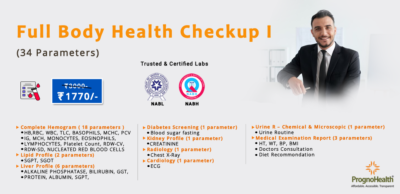 Full Body Health Checkup I
Original price was: ₹3,000.00.₹1,770.00Current price is: ₹1,770.00.
Full Body Health Checkup I
Original price was: ₹3,000.00.₹1,770.00Current price is: ₹1,770.00.
-
 MFG IND PACK III
Original price was: ₹3,900.00.₹2,145.00Current price is: ₹2,145.00.
MFG IND PACK III
Original price was: ₹3,900.00.₹2,145.00Current price is: ₹2,145.00.
-
 Dengue NS1 Antigen Test
₹900.00
Dengue NS1 Antigen Test
₹900.00
-
 Lipoprotein (A) Blood Test – Lp(a)
₹750.00
Lipoprotein (A) Blood Test – Lp(a)
₹750.00
-
 Healthy Life Advance Male
Original price was: ₹15,000.00.₹8,250.00Current price is: ₹8,250.00.
Healthy Life Advance Male
Original price was: ₹15,000.00.₹8,250.00Current price is: ₹8,250.00.