PrognoHealth – Corporate Health & Wellness Specialist

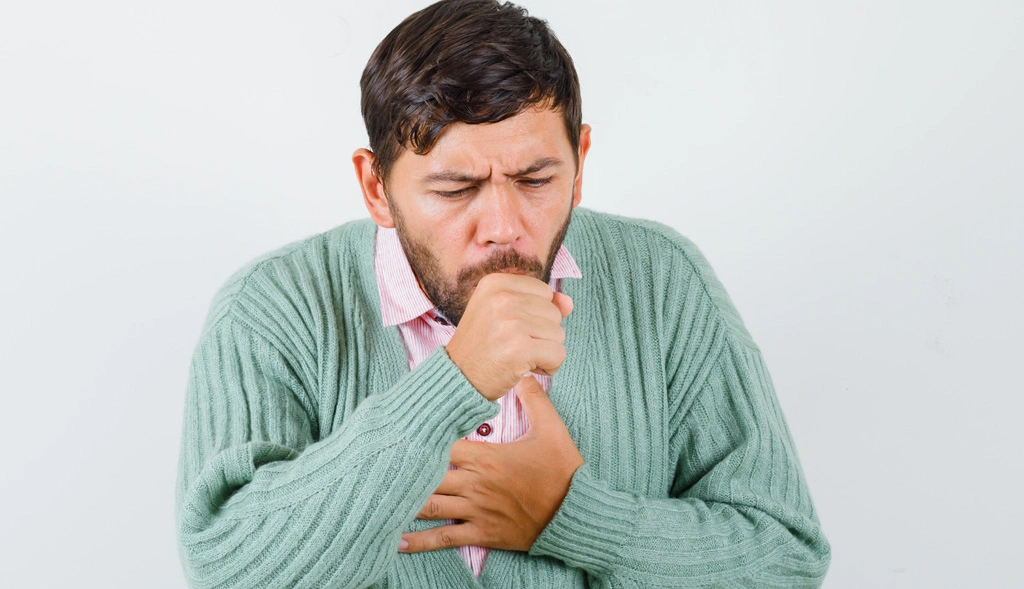
Cough Cough is a common symptom that can be caused by a variety of conditions, including colds, flu, bronchitis, pneumonia, and asthma. There are several different types of cough, including acute cough, subacute cough, and chronic cough. Symptoms of a cough can vary depending on the underlying cause, but may include a tickling or scratchy sensation in the throat, chest congestion, difficulty breathing, and production of phlegm or mucus. Some people may also experience a fever or chills, and chest pain. To diagnose the cause of a cough, a doctor may perform a physical examination and listen to the chest with a stethoscope. Additional tests may include a chest X-ray, CT scan, or pulmonary function test. Blood tests may also be ordered to check for infection or other underlying conditions. Treatment for a cough will depend on the underlying cause. Over-the-counter medications such as decongestants, antihistamines, and cough suppressants can help to relieve symptoms. In more severe cases, prescription medications such as antibiotics or inhaled broncho dilators may be prescribed. In addition to medications, there are several things that can be done to prevent a cough from occurring. These include: Annual health check-ups to identify and address any underlying health conditions that may increase the risk of cough. Corporate health and wellness programs can help to promote healthy habits and reduce the risk of cough and other respiratory conditions. Avoiding exposure to irritants such as smoke and pollution, and avoiding close contact with people who are sick. Washing your hands frequently, and covering your mouth and nose when you cough or sneeze. Diet and exercise can also play a role in preventing a cough. A healthy diet that is rich in fruits, vegetables, and whole grains can help to boost the immune system and reduce the risk of infection. Regular exercise can also help to improve lung function and reduce the risk of respiratory conditions. In summary, Cough is a common symptom that can be caused by a variety of conditions. There are several different types of cough, including acute, subacute, and chronic. Symptoms can vary depending on the underlying cause. To diagnose the cause of a cough, a doctor may perform a physical examination, listen to the chest with a stethoscope and run some tests. Treatment for a cough will depend on the underlying cause. To prevent a cough from occurring, annual health check-ups, corporate health and wellness programs, avoiding exposure to irritants, washing hands, and covering the mouth and nose when sneezing and coughing are important. Diet and exercise can also play a role in preventing a cough.
Read More
Corporate wellness programs have become an essential aspect
Read More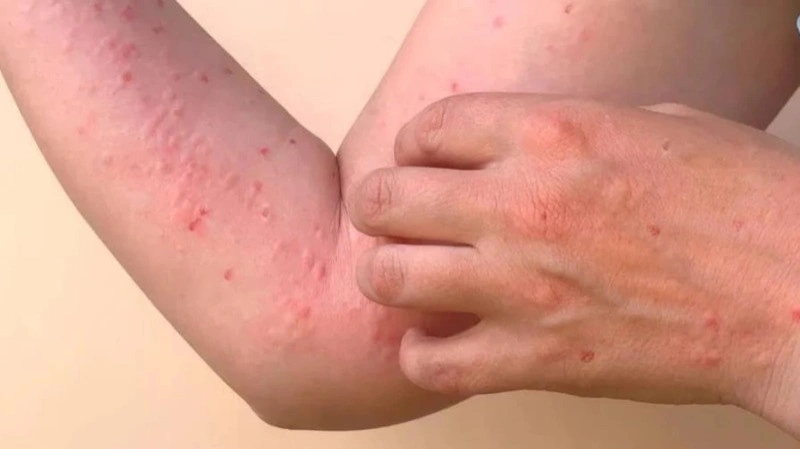
Chikungunya fever is a viral illness that is transmitted to humans by the bite of infected mosquitoes. The virus is primarily found in tropical and subtropical regions of the world, such as Africa, Asia, and the Caribbean.
Read More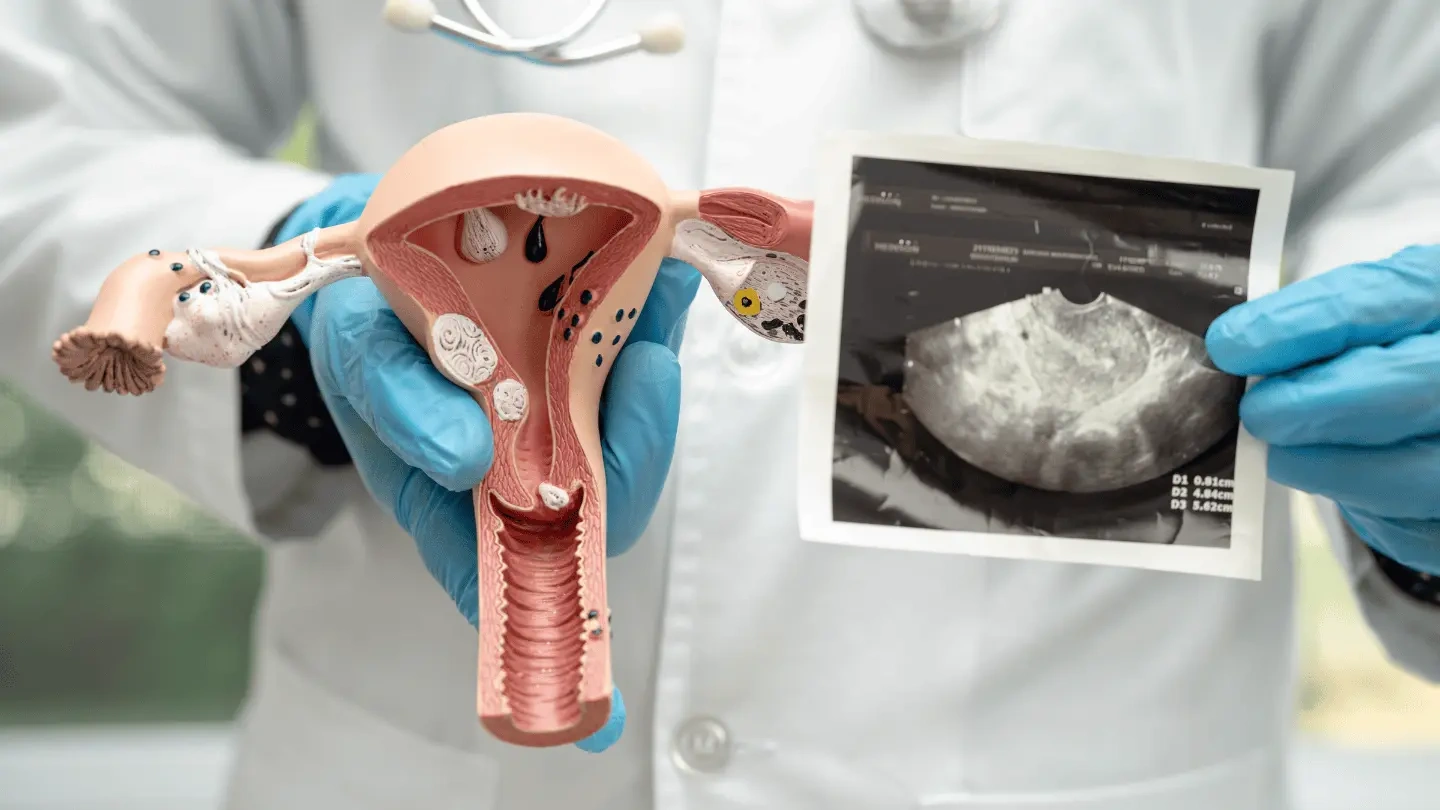
Cervical Cancer Cervical cancer is a type of cancer that occurs in the cervix, the lower part of the uterus that connects to the vagina. It is caused by the human papillomavirus (HPV), a sexually transmitted infection. Cervical cancer is one of the most preventable types of cancer, and early detection through regular screenings can greatly improve outcomes. Symptoms of cervical cancer may not be present in the early stages, but as the cancer progresses, symptoms may include abnormal vaginal bleeding, pelvic pain, and pain during intercourse. These symptoms can also be caused by other conditions, so it’s important to see a healthcare provider for proper diagnosis. Diagnosis of cervical cancer is typically made through a pelvic examination and pap smear test. If abnormal cells are found, further testing such as a colposcopy, biopsy, and HPV test may be done to confirm the diagnosis. Treatment for cervical cancer depends on the stage of the cancer and can include surgery, radiation therapy, and chemotherapy. In early stages, cervical cancer can often be treated with surgery to remove the abnormal tissue. In advanced stages, a combination of treatments may be used to improve outcomes. Preventing cervical cancer involves reducing the risk of contracting HPV, the virus that causes cervical cancer. This can include getting the HPV vaccine, practicing safe sex, and avoiding smoking and excessive alcohol consumption. Annual health check-ups and screenings are an important tool in preventing cervical cancer. During these check-ups, healthcare providers can perform pelvic exams and pap tests to detect any abnormal cells. Corporate health and wellness programs can also play a role in preventing cervical cancer by promoting education about the importance of regular screenings and providing access to preventative care. A healthy diet and regular exercise can also help prevent cervical cancer. Eating a diet rich in fruits, vegetables, and whole grains, and low in processed foods can help reduce the risk of certain cancers. Regular exercise can also help maintain a healthy weight, improve overall health, and reduce the risk of certain cancers. In conclusion, cervical cancer is a type of cancer that occurs in the cervix and is caused by the human papillomavirus (HPV). It is one of the most preventable types of cancer, and early detection through regular screenings can greatly improve outcomes. Symptoms may not be present in the early stages, but as the cancer progresses, symptoms may include abnormal vaginal bleeding, pelvic pain, and pain during intercourse. The treatment for cervical cancer depends on the stage of the cancer and can include surgery, radiation therapy, and chemotherapy. To prevent cervical cancer, it is important to reduce the risk of contracting HPV, get the HPV vaccine, practice safe sex, and avoid smoking and excessive alcohol consumption. Annual health check-ups and screenings, corporate health and wellness programs, a healthy diet and regular exercise can also play a role in preventing cervical cancer.
Read More
Cancer is a disease that occurs when abnormal cells in the body grow and divide uncontrollably. There are many different types of cancer, each with their own set of symptoms and risk factors. Some common types of cancer include breast cancer, lung cancer, prostate cancer, and colon cancer.
Read More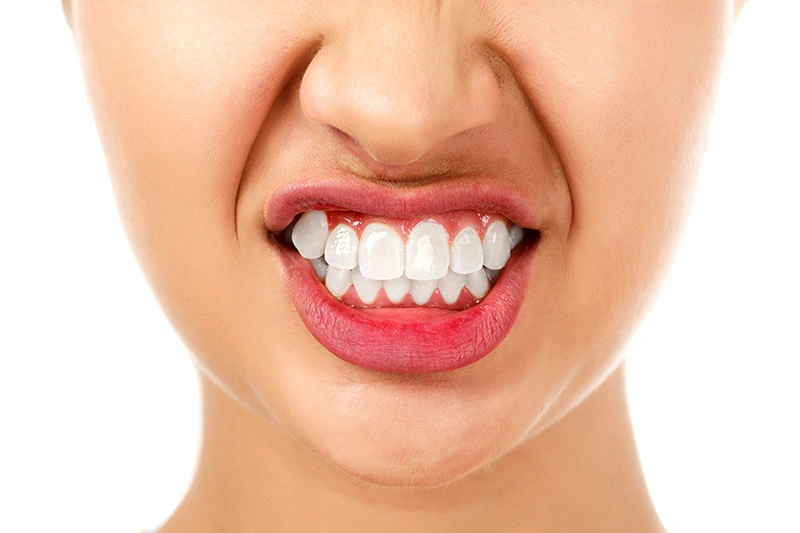
Bruxism, also known as teeth grinding, is a common condition that affects many people at some point in their lives. It is a condition in which a person unconsciously grinds or clenches their teeth, typically during sleep.
Read More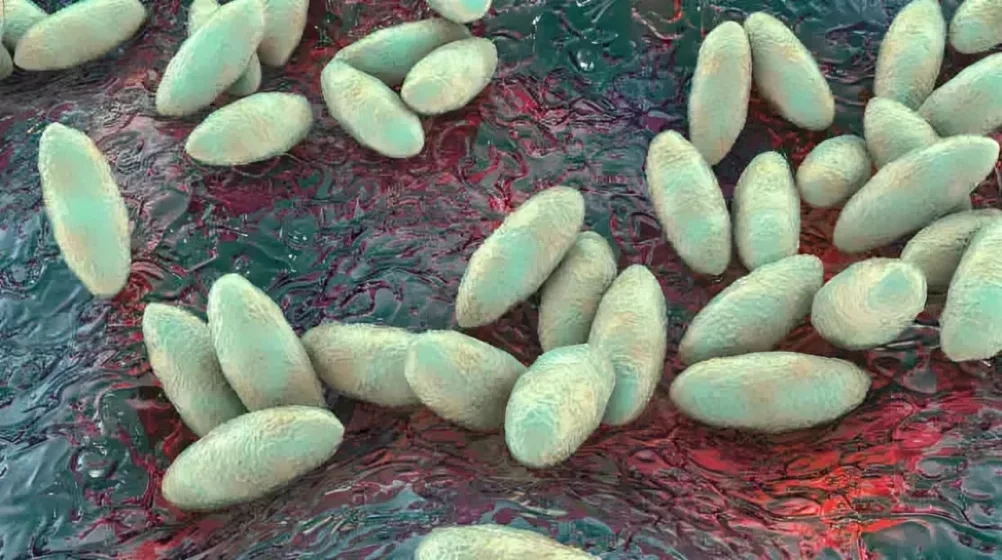
Brucella Brucella, commonly found in domestic and wild animals. The most common way of human infection is through direct contact with animals or their products such as milk, cheese or meat. In this article, we will discuss the symptoms of Brucellosis, tests for diagnosis, common treatment methods, and ways to prevent it from occurring. Additionally, we will discuss the importance of diet and exercise in maintaining overall health through corporate health and wellness programs. Symptoms of Brucellosis can vary depending on the individual and the stage of the infection, but common symptoms include fever, fatigue, sweating, joint pain, and headaches. Some individuals may also experience muscle and back pain, weight loss, and depression. Diagnosis of Brucellosis typically involves a physical examination, blood tests and culture examination. Sometimes, additional tests such as bone marrow examination and imaging test may be used to confirm the diagnosis and rule out other conditions. Common treatment methods for Brucellosis include antibiotics such as doxycycline and rifampin for several weeks. In some cases, other antibiotics such as streptomycin or gentamicin may be used. Recovery time varies depending on the individual and the stage of the infection, and in some cases, the disease may become chronic and recur. Prevention of Brucellosis includes avoiding direct contact with infected animals or their products, especially in areas where the disease is known to occur. Properly cooking meat and pasteurizing milk can also help prevent infection. Corporate health and wellness programs can play a role in preventing Brucellosis by providing education on the importance of proper food handling and preparation, and offering vaccinations to individuals who may be at high risk of infection. Diet and exercise are also important in maintaining overall health and reducing the risk of infection. Eating a balanced diet that includes plenty of fruits and vegetables, lean protein, and whole grains can help to support the immune system. Regular exercise can also help to improve overall health and reduce the risk of chronic disease. In conclusion, Brucellosis is a bacterial infection that can cause serious health problems if not treated properly. Through preventative measures such as avoiding direct contact with infected animals, maintaining a healthy diet and lifestyle and participating in corporate health and wellness programs, individuals can take steps to reduce their risk of contracting the disease. If you suspect you have been infected, it is important to seek medical attention as soon as possible for proper diagnosis and treatment.
Read More
Abnormal Uterine Bleeding Abnormal uterine bleeding, also known as abnormal menstruation, is a common condition characterized by irregular, heavy, or prolonged menstrual periods. This condition can be caused by a variety of factors, including hormonal imbalances, structural issues in the uterus, and certain medical conditions. Symptoms of abnormal uterine bleeding include:Irregular periodsHeavy or prolonged bleedingVaginal spotting or bleeding between periodsCramping or pain during periods Diagnosis of abnormal uterine bleeding typically begins with a physical examination and a review of the patient’s medical history. Additional tests may include a pelvic exam, ultrasound, or biopsy to determine the underlying cause of the bleeding. Common treatment methods for abnormal uterine bleeding include:Hormonal therapy, such as birth control pills, to regulate menstrual cycles and reduce heavy bleedingMedications to reduce menstrual cramps and painSurgery, such as a hysteroscopy or dilation and curettage (D&C), to remove uterine growths or abnormal tissueIn some cases, a hysterectomy may be recommended. Prevention of abnormal uterine bleeding is not always possible, as the underlying cause of the condition can vary. However, maintaining a healthy diet and exercise routine can help promote hormonal balance and reduce the risk of complications. Corporate health and wellness programs can play an important role in preventing abnormal uterine bleeding. Regular gynecological exams, screenings, and health check-ups can help identify the condition early and prompt treatment. Additionally, promoting healthy lifestyle habits such as a balanced diet and regular exercise can help maintain overall reproductive health and reduce the risk of complications. In summary, Abnormal uterine bleeding is a common condition characterized by irregular, heavy, or prolonged menstrual periods, which can be caused by a variety of factors, including hormonal imbalances, structural issues in the uterus, and certain medical conditions. Diagnosis typically begins with a physical examination and additional tests, and treatment include hormonal therapy, medications, surgery and in some cases hysterectomy. Corporate health and wellness programs can help prevent abnormal uterine bleeding through regular gynaecological exams, screenings, and health check-ups, and promoting healthy lifestyle habits such as a balanced diet and regular exercise.
Read More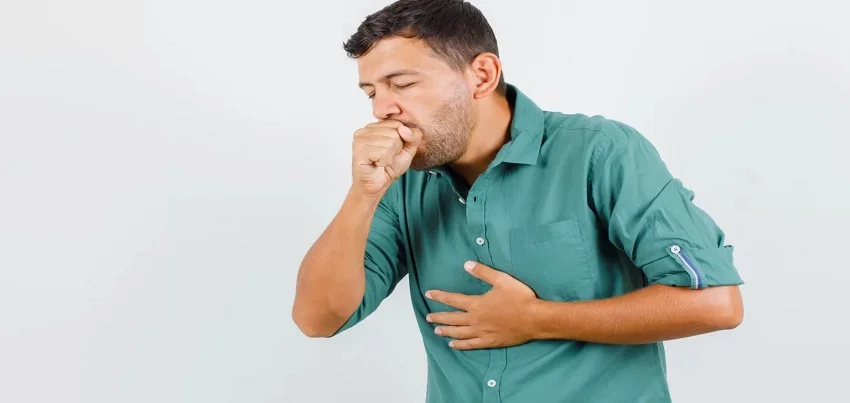
Bronchitis Bronchitis is a condition characterized by inflammation and infection of the bronchial tubes, which carry air to the lungs. It can be caused by a variety of factors, including viruses, bacteria, and exposure to irritants such as tobacco smoke and pollution. In this article, we will discuss the symptoms of bronchitis, tests for diagnosis, common treatment methods, and ways to prevent it from occurring. Additionally, we will discuss the importance of diet and exercise in maintaining respiratory health through corporate health and wellness programs. Symptoms of bronchitis can include a persistent cough, chest pain, shortness of breath, and production of phlegm or mucus. In some cases, fever, chills, and fatigue may also be present. Diagnosis of bronchitis typically involves a physical examination, during which a doctor may listen to the lungs for signs of wheezing or crackling. Additional tests, such as chest x-ray, blood test, and sputum culture may also be used to confirm the diagnosis and rule out other conditions. Common treatment methods for bronchitis include rest, over-the-counter pain relievers, and cough medicine. In some cases, antibiotics may be prescribed if the bronchitis is caused by a bacterial infection. In cases of chronic bronchitis, inhaled bronchodilators and corticosteroids may be used to open up the airways and reduce inflammation. Prevention of bronchitis can include avoiding exposure to irritants such as cigarette smoke, pollution, and chemical fumes, maintaining a healthy diet, and getting regular exercise. Corporate Health and Wellness programs can also play a role in preventing bronchitis by promoting healthy lifestyle choices, providing education on the dangers of smoking and exposure to pollutants, and offering flu and pneumonia vaccines to employees. Diet and exercise are also important in maintaining respiratory health. Eating a diet rich in fruits, vegetables, and whole grains, can help to keep the lungs healthy and reduce the risk of infection. Regular exercise can also help to improve lung function and boost the immune system. In terms of corporate health and wellness, promoting healthy habits such as regular exercise, providing healthy food options in the workplace, and organizing activities like sports teams or fitness challenges can help prevent bronchitis and other respiratory infections. In conclusion, bronchitis is a common condition that can cause significant discomfort and impact daily activities. Through preventative measures such as avoiding exposure to irritants, maintaining a healthy lifestyle, and participating in corporate health and wellness programs, individuals can take steps to reduce their risk of developing bronchitis. If you’re experiencing symptoms of bronchitis, it’s important to seek medical attention as soon as possible.
Read More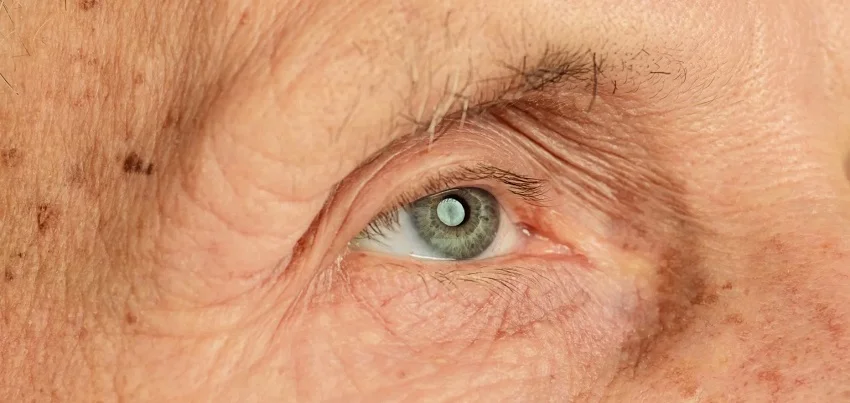
Blepharochalasis Blepharochalasis is a rare condition that causes recurrent episodes of eyelid swelling. It typically affects the upper eyelids and is characterized by the sudden onset of eyelid puffiness and skin wrinkling. The condition is benign and usually self-limiting, meaning it resolves on its own without treatment. Symptoms of blepharochalasis include:Sudden onset of eyelid puffinessWrinkling of the skin on the upper eyelidsMild discomfort or itchinessEyelid droopingRednessTearing The exact cause of blepharochalasis is not well understood, but it is thought to be related to abnormal lymphatic drainage in the eyelids. Diagnosis of blepharochalasis is typically made through a physical examination of the eyelids and a review of the patient’s symptoms. An eyelid biopsy may also be done to confirm the diagnosis. Common treatment methods for blepharochalasis include:Cold compresses: Applying a cold compress to the affected eyelid can help to reduce swelling and discomfort.Steroid injections: These may be used to reduce inflammation and improve symptoms. Surgery: In severe cases, surgery may be recommended to remove excess skin and improve the appearance of the eyelids.There is no known way to prevent blepharochalasis from occurring. However, maintaining a healthy lifestyle through regular exercise, a balanced diet, and stress management can help to reduce the risk of developing this condition. Corporate health and wellness programs can also play a role in preventing blepharochalasis by promoting healthy habits and providing regular health check-ups. A healthy diet for blepharochalasis prevention should include a variety of fruits and vegetables, whole grains, lean proteins, and healthy fats. It is also important to limit processed foods, sugary drinks, and alcohol. Exercise, such as brisk walking or cycling, for at least 30 minutes a day is also recommended for blepharochalasis prevention. In summary, Blepharochalasis is a rare condition that causes recurrent episodes of eyelid swelling. It typically affects the upper eyelids and is characterized by the sudden onset of eyelid puffiness and skin wrinkling. The condition is benign and usually self-limiting. Common treatment methods include cold compresses, steroid injections, and in severe cases surgery. There is no known way to prevent blepharochalasis from occurring. However, maintaining a healthy lifestyle through regular exercise, a balanced diet, and stress management can help to reduce the risk of developing this condition. Corporate health and wellness programs can also play a role in preventing blepharochalasis by promoting healthy habits and providing regular health check-ups.
Read MoreTop rated products
-
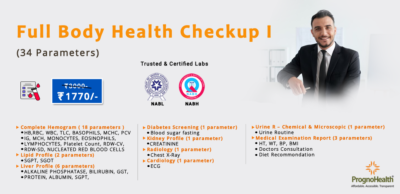 Full Body Health Checkup I
Original price was: ₹3,000.00.₹1,770.00Current price is: ₹1,770.00.
Full Body Health Checkup I
Original price was: ₹3,000.00.₹1,770.00Current price is: ₹1,770.00.
-
 MFG IND PACK III
Original price was: ₹3,900.00.₹2,145.00Current price is: ₹2,145.00.
MFG IND PACK III
Original price was: ₹3,900.00.₹2,145.00Current price is: ₹2,145.00.
-
 Dengue NS1 Antigen Test
₹900.00
Dengue NS1 Antigen Test
₹900.00
-
 Lipoprotein (A) Blood Test – Lp(a)
₹750.00
Lipoprotein (A) Blood Test – Lp(a)
₹750.00
-
 Healthy Life Advance Male
Original price was: ₹15,000.00.₹8,250.00Current price is: ₹8,250.00.
Healthy Life Advance Male
Original price was: ₹15,000.00.₹8,250.00Current price is: ₹8,250.00.