PrognoHealth – Corporate Health & Wellness Specialist


Bell’s Palsy Bell’s Palsy is a sudden onset of facial paralysis or weakness that affects one side of the face. It is caused by inflammation of the facial nerve, which controls the muscles of the face. The exact cause of Bell’s Palsy is not well understood, but it is thought to be related to a viral infection or an immune response. In this article, we will discuss the symptoms of Bell’s Palsy, tests for diagnosis, common treatment methods, and ways to prevent it from occurring. Additionally, we will discuss the importance of diet and exercise in maintaining overall health through corporate health and wellness programs. Symptoms of Bell’s Palsy can include sudden onset of weakness or paralysis on one side of the face, drooping of the mouth or eyelid, difficulty speaking, and loss of taste on the front two-thirds of the tongue. Pain behind or around the ear on the affected side may also be present. Diagnosis of Bell’s Palsy is typically made through a physical examination, during which a doctor may assess your facial movement and muscle strength. Additional tests such as an MRI or CT scan may also be used to evaluate the facial nerve and rule out other conditions. Common treatment methods for Bell’s Palsy include corticosteroids to reduce inflammation and swelling of the facial nerve, antiviral medication, and physical therapy to help improve facial muscle function. In some cases, other medications such as tricyclic antidepressants or anticonvulsants may also be used. Prevention of Bell’s Palsy is not well understood, but it is thought to be related to a viral infection or an immune response, so maintaining a healthy immune system is important. Corporate health and wellness programs can play a role in preventing Bell’s Palsy by promoting healthy lifestyle choices, providing education on the importance of proper hygiene, and offering regular health screenings and check-ups.
Read More
Back Pain Back pain is a common condition that affects a significant portion of the population. It can be caused by a variety of factors, including injury, disease, poor posture, and muscle strain. In this article, we will discuss the symptoms of back pain, tests for diagnosis, common treatment methods, and ways to prevent it from occurring. Additionally, we will discuss the importance of diet and exercise in maintaining a healthy back through corporate health and wellness programs. Symptoms of back pain can vary depending on the cause of the pain, but common symptoms include a dull or sharp pain in the lower or upper back, stiffness, and difficulty standing or sitting for long periods. In some cases, back pain may also be accompanied by muscle weakness, numbness, or tingling in the legs or feet. Diagnosis of back pain typically begins with a physical examination, during which a doctor may assess your posture, range of motion, and muscle strength. Additional tests, such as x-rays, MRI or CT scans, may also be used to evaluate the spine and surrounding structures. Common treatment methods for back pain include physical therapy, pain medication, and in some cases, surgery. Physical therapy can help to strengthen the muscles that support the spine, improve posture and reduce pain. Medications such as non-steroidal anti-inflammatory drugs (NSAIDs) and muscle relaxants may also be prescribed to alleviate pain. Surgery is usually a last resort and only recommended if the pain is caused by a specific condition such as a herniated disc, or if other treatments haven’t been successful. Medications such as non-steroidal anti-inflammatory drugs (NSAIDs) and muscle relaxants may also be prescribed to alleviate pain. Surgery is usually a last resort and only recommended if the pain is caused by a specific condition such as a herniated disc, or if other treatments haven’t been successful. Prevention of back pain can include maintaining a healthy weight, practising good posture, and engaging in regular physical activity. Corporate health and wellness programs can also play a role in preventing back pain by promoting healthy lifestyle choices, providing education on proper body mechanics and ergonomics, and offering regular health screenings and check-ups. Diet and exercise are also important in maintaining a healthy back. Eating a diet rich in fruits and vegetables, and lean protein, can help to support the muscles and bones of the back. Regular exercise can also help to improve strength, flexibility and reduce the risk of injury. In particular, exercises such as yoga, Pilates, and core-strengthening exercises can be beneficial to keep the back healthy. In terms of corporate health and wellness, promoting healthy habits such as regular exercise, providing healthy food options in the workplace, and organizing activities like sports teams or fitness challenges can help prevent back pain and other musculoskeletal injuries. In conclusion, back pain is a common condition that can cause significant discomfort and impact daily activities. Through preventative measures such as maintaining a healthy weight, practising good posture, and participating in corporate health and wellness programs, individuals can take steps to reduce their risk of developing back pain. If you’re experiencing symptoms of back pain, it’s important to seek medical attention as soon as possible for proper diagnosis and treatment.
Read More
Breast Cancer Breast cancer, also known as carcinoma of the breast, is a disease in which malignant (cancer) cells form in the tissues of the breast. It is one of the most common types of cancer among women and can occur in both men and women, although it is rare in men. In this article, we will discuss the symptoms of breast cancer, tests for diagnosis, common treatment methods, and ways to prevent it from occurring. Additionally, we will discuss the importance of diet and exercise in maintaining breast health through corporate health and wellness programs. Symptoms of breast cancer can include a lump or thickening in the breast or underarm area, changes in the size or shape of the breast, dimpling or puckering of the skin, and discharge from the nipple. In some cases, breast cancer may not cause any symptoms at all. Diagnosis of breast cancer typically begins with a breast exam and mammogram, which can detect abnormalities in the breast tissue. If a lump or other abnormality is found, a biopsy may be performed to confirm the presence of cancer. Additional tests, such as an ultrasound or MRI, may also be used to further evaluate the breast tissue. Common treatment methods for breast cancer include surgery, radiation therapy, chemotherapy, and hormone therapy. The specific treatment plan will depend on the stage of the cancer and the patient’s overall health. Prevention of breast cancer can include regular breast exams, mammograms, and self-exams. It’s also important to maintain a healthy lifestyle which includes a balanced diet, regular physical activity, and limiting alcohol consumption. In terms of Corporate Health and Wellness, regular breast cancer screenings and health education can play an important role in preventing breast cancer. This can include offering mammograms as part of a preventative health program, or providing information on healthy lifestyle choices that can help reduce the risk of breast cancer. Diet and exercise also play a crucial role in maintaining breast health. Eating a diet rich in fruits, vegetables, and whole grains, can help to reduce the risk of breast cancer. Regular exercise can also help to maintain a healthy weight, which can reduce the risk of breast cancer. Studies have also shown that regular physical activity can reduce the risk of breast cancer by up to 25%. In conclusion, breast cancer is a serious disease that can have a significant impact on an individual’s quality of life. Through regular screenings, healthy lifestyle choices, and corporate health and wellness programs, we can work to prevent breast cancer and preserve the health of our breasts. If you’re experiencing any symptoms of breast cancer, it’s important to seek medical attention as soon as possible. It’s also important to note that early detection is key, so be sure to schedule regular screenings and self-exams as recommended by your healthcare provider.
Read More
Blindness Blindness is a condition where an individual is unable to see or has limited vision. It can be caused by a variety of factors, including injury, disease, or genetics. In this article, we will discuss the symptoms of blindness, tests for diagnosis, common treatment methods, and ways to prevent it from occurring. Additionally, we will discuss the importance of diet and exercise in maintaining eye health through corporate health and wellness programs. Symptoms of blindness can include difficulty seeing in low light, difficulty distinguishing colors, and difficulty seeing fine details. In some cases, blindness can be sudden, while in others it can develop gradually over time. Diagnosis of blindness typically involves a comprehensive eye exam, which may include visual acuity tests, tonometry tests to measure eye pressure, and visual field tests to assess peripheral vision. Imaging tests such as MRI or CT scans may also be used to assess the health of the eyes and surrounding structures. Common treatment methods for blindness include medication, surgery, and the use of assistive devices such as magnifying glasses or white canes. In some cases, therapy may also be used to help individuals learn to navigate their environment without sight. Prevention of blindness can include regular eye exams, wearing protective eyewear, and maintaining a healthy lifestyle. This includes eating a diet rich in fruits and vegetables, exercising regularly, and avoiding smoking and excessive alcohol consumption. In terms of Corporate Health and Wellness, regular eye check-ups and health education can play an important role in preventing blindness. This can include offering regular eye exams as part of a preventative health program, or providing information on healthy lifestyle choices that can help preserve eye health. Diet and exercise also play a crucial role in maintaining good eye health. Eating a diet rich in fruits and vegetables, particularly those high in vitamins A, C, and E, can help to protect the eyes from damage. Regular exercise can also help to improve circulation, which can promote the delivery of oxygen and nutrients to the eyes. In conclusion, blindness is a serious condition that can have a significant impact on an individual’s quality of life. Through regular eye exams, healthy lifestyle choices, and corporate health and wellness programs, we can work to prevent blindness and preserve the health of our eyes. If you’re experiencing any symptoms of blindness, it’s important to seek medical attention as soon as possible.
Read More
Bleeding gums, also known as gingivitis, is a common condition that affects many people at some point in their lives. It is caused by a buildup of plaque and bacteria on the teeth and gums, which can lead to inflammation and bleeding.
Read More
Bad breath, also known as halitosis, is a common condition that affects many people at some point in their lives. It can be caused by a variety of factors, including poor oral hygiene, certain foods and drinks,
Read More
Attention-deficit hyperactivity disorder (ADHD) is a neurodevelopmental disorder that affects both children and adults. It is characterized by symptoms such as difficulty paying attention, impulsivity, and hyperactivity.
Read More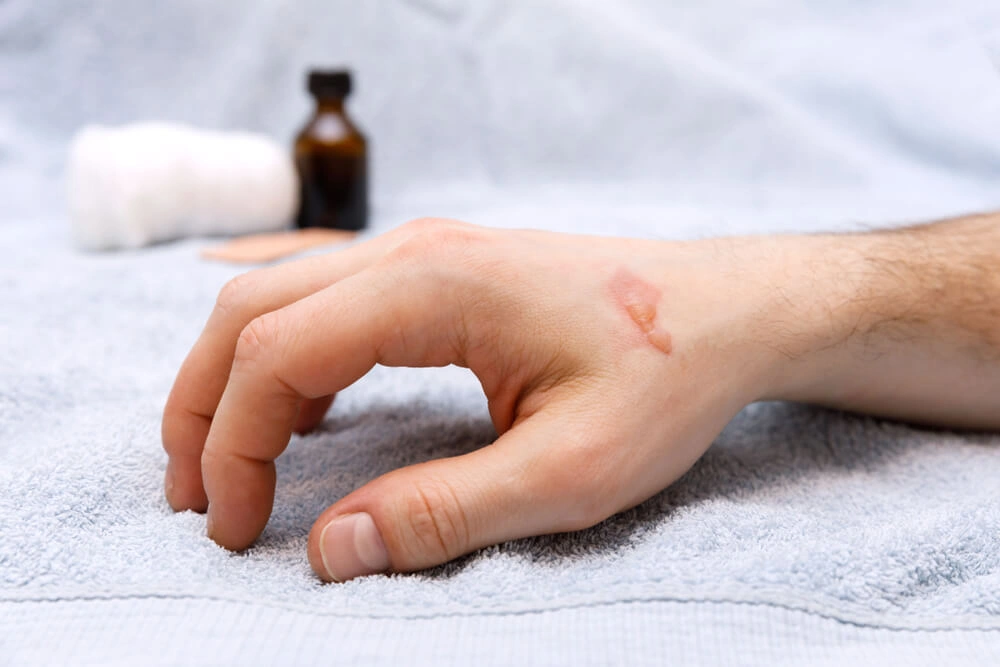
Burns Burns are a type of injury that occurs when the skin comes into contact with heat, chemicals, electricity, radiation, or friction. They can range in severity from mild to life-threatening and can be classified into several categories, such as first-degree, second-degree, and third-degree burns. Symptoms of burns can include: Redness and pain in the affected area Blisters Swelling Peeling or flaking of the skin Black or white charred skin (for severe burns) Fatigue Nausea Shock To diagnose a burn, a doctor will typically perform a physical examination and assess the severity of the burn based on the depth, size, and location of the injury. Common treatment methods for burns include: Cooling the burn: This can be done by running cool water over the affected area for at least 20 minutes or by using a cool, damp compress.Cleaning the burn: The burn wound should be cleaned with soap and water to remove debris and prevent infection.Covering the burn: The burn should be covered with a sterile bandage or dressing to protect it from further injury and to promote healing.Medications: Pain relievers such as ibuprofen or acetaminophen may be prescribed to manage pain, and antibiotics may be prescribed to prevent infection if the burn is severe. Physical therapy: For severe burns, physical therapy may be needed to help restore movement and strength to the affected area.To prevent burns from occurring, it is important to take precautions when working with heat or chemicals, such as wearing protective clothing and equipment. It’s also important to avoid smoking and to be cautious when using electrical appliances and devices. Corporate health and wellness programs can play a role in preventing burns by providing safety training and promoting healthy habits among employees. A healthy diet for burn prevention should include a variety of fruits and vegetables, whole grains, lean proteins, and healthy fats. It is also important to limit processed foods, sugary drinks, and alcohol. Exercise, such as brisk walking or cycling, for at least 30 minutes a day is also recommended for burn prevention. In summary, Burns are a type of injury that occurs when the skin comes into contact with heat, chemicals, electricity, radiation, or friction. They can range in severity and be classified into several categories. Common treatment methods include cooling the burn, cleaning the burn, covering the burn, medications and physical therapy. To prevent burns from occurring, it’s important to take precautions when working with heat or chemicals, and to be cautious when using electrical appliances and devices. Corporate health and wellness programs can play a role in preventing burns by providing safety training and promoting healthy habits among employees. A healthy diet and regular exercise can also help to reduce the risk of burns.
Read More
Maternal Anemia Maternal anemia, also known as anaemia during pregnancy, is a common condition that occurs when a woman does not have enough iron in her body to support the needs of both herself and her growing baby. The symptoms of maternal anemia can include fatigue, weakness, shortness of breath, and pale skin. To diagnose maternal anemia, a healthcare provider will typically perform a complete blood count (CBC) test to measure the levels of hemoglobin, the protein in red blood cells that carries oxygen to the body’s tissues. Other tests, such as a ferritin test, may also be performed to measure the amount of iron stored in the body. Treatment for maternal anemia typically involves increasing the intake of iron through diet or supplements. Iron-rich foods include red meat, seafood, leafy green vegetables, and fortified cereals. Iron supplements may also be prescribed by a healthcare provider. In some cases, a woman with severe anemia may require a blood transfusion. Corporate health & wellness programs can play a role in preventing maternal anemia by educating employees on the importance of a healthy diet during pregnancy and offering access to prenatal care. Employers can also offer resources for employees to access iron-rich foods through on-site cafeteria or vending machines. To further prevent maternal anemia, pregnant women should also engage in regular exercise and maintain a healthy diet rich in iron, folic acid, and other essential nutrients. This includes consuming lean meats, fish, poultry, beans, lentils, and tofu, and also leafy green vegetables, fruits, and whole grains. In summary, maternal anemia is a common condition that occurs during pregnancy and can be diagnosed through a CBC test. Treatment typically involves increasing iron intake through diet or supplements, and corporate health & wellness programs can play a role in preventing maternal anemia by educating employees on the importance of a healthy diet during pregnancy and offering access to prenatal care. Pregnant women should also engage in regular exercise and maintain a healthy diet rich in iron, folic acid, and other essential nutrients.
Read More
Amoebiasis Amoebiasis, also known as amoebic dysentery, is a parasitic infection caused by the protozoan Entamoeba histolytica. It is a common problem in developing countries, and can cause symptoms such as diarrhoea, abdominal pain, and blood or mucus in the stool. Symptoms of amoebiasis can range from mild to severe, and may include: Diarrhoea Abdominal pain or cramping Blood or mucus in the stool Fatigue Loss of appetite Weight loss Nausea and vomiting Fever A health check up is essential to diagnose amoebiasis. The following tests are used to diagnose the condition: Stool examination: This involves analyzing a sample of the patient’s stool for the presence of the parasite.Blood test: This test can detect antibodies that the body has produced to fight the infection. Endoscopy: This procedure involves inserting a small camera into the rectum to look for signs of amoebiasis. Common treatment methods for amoebiasis include: Antibiotics: Metronidazole and tinidazole are commonly used to treat the infection.Anti-parasitic medications: These medications are used to kill the parasite. Loperamide: This medication can be used to relieve diarrhoea.To prevent amoebiasis from occurring, it is important to practise good hygiene and sanitation. This includes washing hands regularly, especially after using the toilet and before eating. It’s also important to avoid consuming contaminated food and water, especially in areas where the disease is prevalent. Diet and exercise can also play a role in preventing amoebiasis. Eating a healthy and balanced diet that is high in fruits, vegetables, and whole grains can help to boost the immune system and improve overall health. Regular exercise can also help to improve overall health and reduce the risk of infection. In summary, amoebiasis is a parasitic infection caused by Entamoeba histolytica. Symptoms include diarrhoea, abdominal pain, and blood or mucus in the stool. A health check up is essential to diagnose the condition and can include tests such as stool examination, blood test, and endoscopy. Common treatment methods include antibiotics, anti-parasitic medications and loperamide. To prevent amoebiasis, it is important to practise good hygiene and sanitation, avoid contaminated food and water, eat a healthy diet and exercise regularly.
Read MoreTop rated products
-
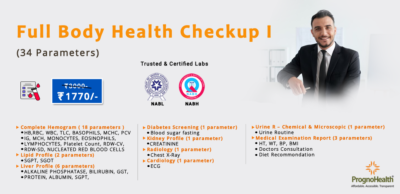 Full Body Health Checkup I
Original price was: ₹3,000.00.₹1,770.00Current price is: ₹1,770.00.
Full Body Health Checkup I
Original price was: ₹3,000.00.₹1,770.00Current price is: ₹1,770.00.
-
 MFG IND PACK III
Original price was: ₹3,900.00.₹2,145.00Current price is: ₹2,145.00.
MFG IND PACK III
Original price was: ₹3,900.00.₹2,145.00Current price is: ₹2,145.00.
-
 Dengue NS1 Antigen Test
₹900.00
Dengue NS1 Antigen Test
₹900.00
-
 Lipoprotein (A) Blood Test – Lp(a)
₹750.00
Lipoprotein (A) Blood Test – Lp(a)
₹750.00
-
 Healthy Life Advance Male
Original price was: ₹15,000.00.₹8,250.00Current price is: ₹8,250.00.
Healthy Life Advance Male
Original price was: ₹15,000.00.₹8,250.00Current price is: ₹8,250.00.