PrognoHealth – Corporate Health & Wellness Specialist


Anthrax Anthrax is a rare but serious bacterial infection caused by the spore-forming bacterium Bacillus anthracis. The infection can occur in three forms: cutaneous, inhalational, and gastrointestinal. Cutaneous anthrax is the most common form and occurs when the spores come into contact with a break in the skin. Inhalational anthrax occurs when the spores are inhaled, and gastrointestinal anthrax occurs when the spores are ingested. Symptoms of anthrax can vary depending on the form of the infection, but common symptoms include fever, fatigue, and muscle aches. In the case of cutaneous anthrax, a painless, raised bump that resembles an insect bite may appear, which then develops into a painful, black scab. In the case of inhalational anthrax, symptoms may include difficulty breathing, chest pain, and a cough. Gastrointestinal anthrax may cause abdominal pain, nausea, vomiting, and diarrhea. To diagnose anthrax, a healthcare provider will typically perform a physical examination and take a medical history. They may also order diagnostic tests such as blood tests, culture, and PCR (polymerase chain reaction) to confirm the diagnosis. Health check up is a good way to identify the symptoms of anthrax and start the diagnosis process. It is important to schedule regular check-ups to monitor symptoms and progress. Treatment for anthrax typically involves the use of antibiotics such as ciprofloxacin, doxycycline, or penicillin. Treatment should be started as soon as possible, as anthrax can be fatal if left untreated. Prevention methods for anthrax include vaccinations and avoiding contact with infected animals or contaminated animal products. If you work in an occupation that has a higher risk of exposure to anthrax, such as farming, it’s important to take precautions and be aware of the signs and symptoms of the infection. A healthy diet and regular exercise may also help to boost overall health and improve the immune system’s ability to fight off infection. In conclusion, Anthrax is a rare but serious bacterial infection caused spore-forming bacterium Bacillus anthracis. Scheduling regular health check-up is important to prevent the disease.
Read More

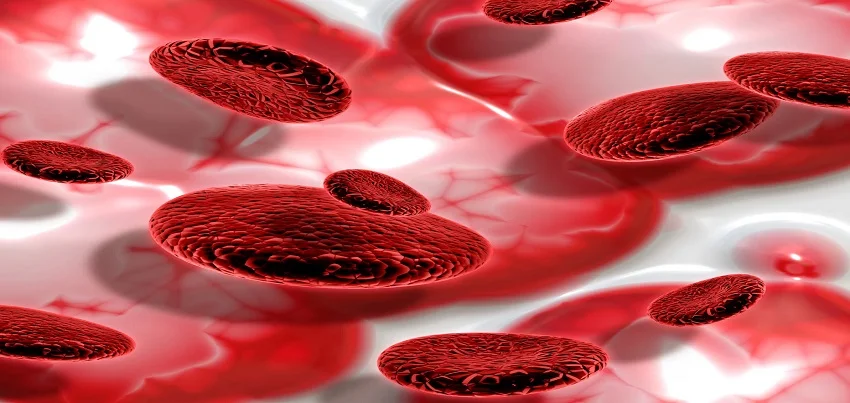

Alzheimer’s disease is a progressive, degenerative disorder that affects the brain, leading to memory loss, difficulty with language, disorientation, mood swings, loss of motivation and impaired judgment.
Read More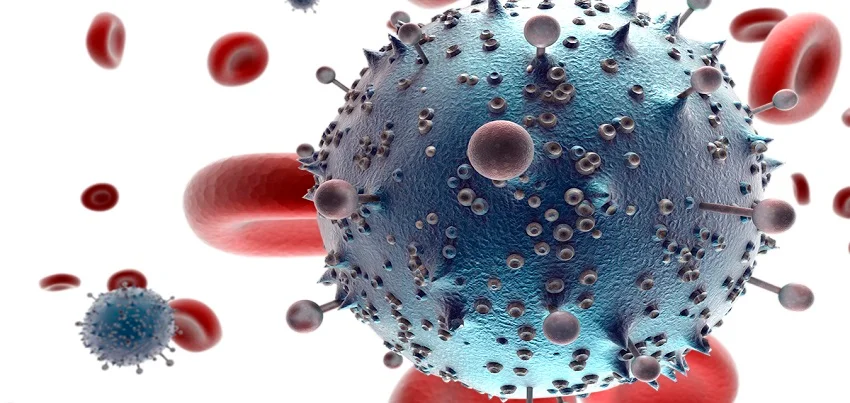
Acquired Immunodeficiency Syndrome (AIDS) is a serious, life-threatening condition caused by the human immunodeficiency virus (HIV).
Read More
Abdominal Pain Abdominal pain is a common complaint that can have many causes. The symptoms of abdominal pain can vary greatly depending on the underlying condition, but often include cramping, sharp or dull aches, and discomfort in the stomach or abdomen. There are a variety of tests that can be used to diagnose the cause of abdominal pain. These may include blood tests, imaging tests such as X-rays or CT scans, and endoscopic procedures such as a colonoscopy or upper endoscopy. Common causes of abdominal pain include conditions such as ulcers, inflammatory bowel disease, and diverticulitis. Treatment plans for these conditions typically involve medication and dietary changes, such as avoiding foods that can irritate the stomach or intestines. In some cases, surgery may be required. Prevention of abdominal pain is often possible by making lifestyle changes such as eating a healthy diet, maintaining a healthy weight, and getting regular exercise. A diet that is high in fiber and low in saturated fat can help to prevent conditions such as diverticulitis and inflammatory bowel disease. Regular exercise can also help to prevent abdominal pain by promoting a healthy gut and reducing stress levels. To prevent abdominal pain, it’s recommended to: Eat a diet high in fruits, vegetables, and whole grains Limit foods high in saturated fat, such as red meat and full-fat dairy products Avoid foods that can irritate the stomach or intestines, such as spicy foods or high-fat foods Get regular exercise, such as 30 minutes of moderate-intensity activity on most days of the week Manage stress levels through techniques such as meditation or yoga. By following these recommendations, you may be able to reduce your risk of developing abdominal pain and improve your overall health. However, if you are experiencing severe or chronic abdominal pain, it is important to consult with a healthcare provider for an accurate diagnosis and appropriate treatment plan.
Read More
World Hypertension Day is observed on May 17 every year across the world to create awareness about hypertension, which is also known as high blood pressure (HBP).
Read More
INTERNATIONAL YOGA DAY 21 June International Yoga Day is celebrated on June 21st every year. It was internationally recognized by the United Nations General Assembly ( UNGA ) on December 11, 2014, Prime Minister Mr. Narendra Modi in his UN Address had suggested June 21, as it is the longest day of the year.The science of yoga initially developed during the Indus-Sarasvati civilization in Northern India Over 5000 years ago. However, Some researchers believe it dates back to over 10,000 years. The Word ‘Yoga’ was first mentioned in the oldest scripture, the Rig Veda, Which was a collection of songs, mantras, and rituals used by Vedic priests.Yoga is the union of the mind and the body – the control of thought waves in the mind. Yoga is a conscious process of gaining mastery over the mind. The main objective of traditional yoga is to open your body and clear your mind. It purifies your body. Mind and soul. BENEFITS OF YOGA* Yoga, when practiced regularly, gives all-round fitness.* Weight loss is slow but very effective.* It makes you calm and helps relieve stress, especially at work.* It improves concentration and focus.* It builds immunity.* Allows for better flexibility and postures.* It makes one feel energetic all through the day.* Prevents cartilage and joint breakdown as one grows old.* Improves your bone health and blood flow.* The heartbeat and pulse rate slows down and the blood pressure drops.* Makes you happier and peaceful.* Helps in cardiovascular and nervous disorders.* Makes the respiration process more efficient. The workplace can sometimes get a little stressful and you may avoid taking care of your body. Here are a few exercises which can keep your body healthy and stress-free. These are all basic stretch movements – side bending ( artha kati chakrasan ), back bending (artha chandrasana), hand stretching and leg raising, and forward bending ( padangushtasana).
Read More
A slipped disk/disc is also known as a herniated disk that occurs when one of the disks of the spine becomes damaged and presses on the nerves. The disks are protective shock-absorbing pads between the bones of the spine (vertebrae).
Read MoreTop rated products
-
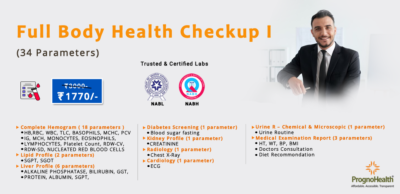 Full Body Health Checkup I
Original price was: ₹3,000.00.₹1,770.00Current price is: ₹1,770.00.
Full Body Health Checkup I
Original price was: ₹3,000.00.₹1,770.00Current price is: ₹1,770.00.
-
 MFG IND PACK III
Original price was: ₹3,900.00.₹2,145.00Current price is: ₹2,145.00.
MFG IND PACK III
Original price was: ₹3,900.00.₹2,145.00Current price is: ₹2,145.00.
-
 Dengue NS1 Antigen Test
₹900.00
Dengue NS1 Antigen Test
₹900.00
-
 Lipoprotein (A) Blood Test – Lp(a)
₹750.00
Lipoprotein (A) Blood Test – Lp(a)
₹750.00
-
 Healthy Life Advance Male
Original price was: ₹15,000.00.₹8,250.00Current price is: ₹8,250.00.
Healthy Life Advance Male
Original price was: ₹15,000.00.₹8,250.00Current price is: ₹8,250.00.