PrognoHealth – Corporate Health & Wellness Specialist

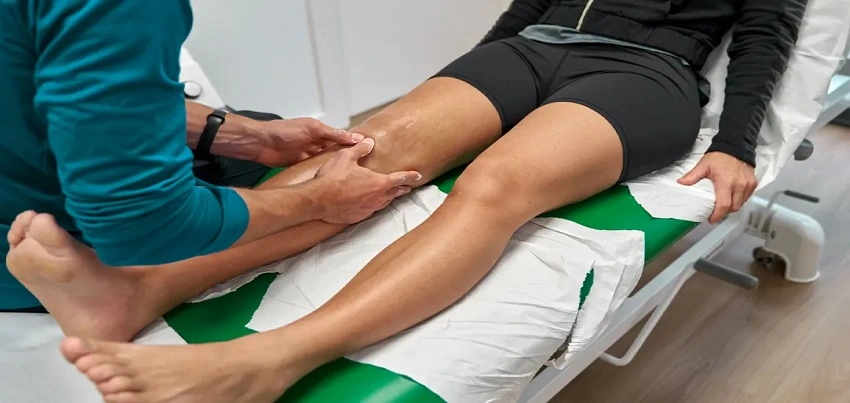
Knee Bursitis Knee bursitis is an inflammation of a bursa located near the knee joint. A bursa is a small fluid-filled, pad-like sac that functions as a gliding surface to reduce friction and cushions the pressure points between the bones, tendons, and muscles near the joints. Each knee has 11 bursae. An injury, infection, frequent pressure from kneeling or rheumatic condition can cause a bursa inflammation. Age also plays a role. As tendons age, they tolerate less stress, become less elastic, and tear easily. Knee bursitis most commonly occurs over the kneecap or on the inner side of the knee below the joint.Knee bursitis causes pain and can limit mobility. Treatment includes self-care practices and medical management to relieve pain and inflammation. Tips to reduce pain and discomfort Rest the knee. Discontinue the activity that causes knee bursitis and avoid movements that increase the pain. Use an ice pack for 20 minutes several times a day until the pain is less and the knee does not feel warm to the touch. Use a compressive wrap or knee sleeve to reduce the swelling. Raise the knee by placing the legs on pillows to reduce swelling. Wear kneepads to cushion and protect the knees while working on your knees or participating in sports that put the knees at risk. Take regular breaks if you are working for a prolonged period resting on the knees. Stretch the legs and give the knees a rest. Avoid excessive squatting as it increases pressure on the knee joints Lift heavy items properly. Bend your knees to reduce stress on the bursae. Walk frequently. Try not to sit in one position too long, especially on hard surfaces. Maintain a healthy weight. Being overweight places more stress on the joints. Start the day with exercise. This will help the muscles protect the affected joints. Warm up and stretch before strenuous activities to protect the joints from injury.
Read More
Bursitis is an inflammation of the bursa. The bursa is a sac filled with fluid under the skin, which acts as a cushion between the tendons and the bones. Bursitis occurs when the bursa becomes inflamed. The most common areas where bursitis occurs are the shoulders, elbows, and hip
Read More
The Act stipulates that every factory must provide for the health and welfare of its workers, and that specific provisions
Read More
World Health Day World Health Day Is Celebrated On April 7th Every Year And Serves As A Reminder For People Across The Globe To Prioritize Their Health And Well-Being.
Read More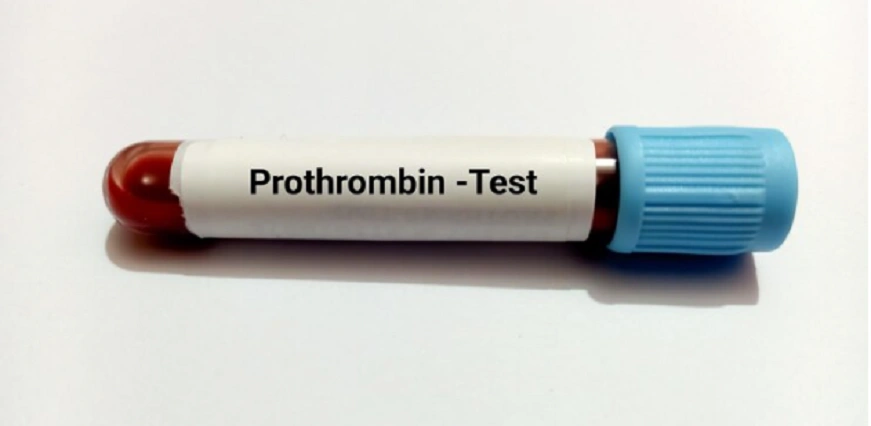
Prothrombin Time (PT) Test The Prothrombin Time (PT) test is a blood test that measures how long it takes for blood to clot. It is used to evaluate the extrinsic and common pathways of the coagulation cascade, specifically the activity of clotting factors II, V, VII and X. It is also known as International Normalized Ratio (INR) test. Pre-test preparation: It is important to inform the healthcare provider of any medications being taken as some may affect the results of the test. Avoid taking aspirin, non-steroidal anti-inflammatory drugs (NSAIDs), or vitamin E supplements for at least one week before the test. Testing method: A small sample of blood is taken from a vein in the arm using a needle and syringe. The sample is then sent to a laboratory for analysis Common Symptoms for prescribing this test: Unexpected or heavy bleeding Bruising easily Blood in the urine or stool Prolonged bleeding after injury or surgery Prolonged bleeding after tooth extraction Excessive menstrual bleeding Blood clots Diagnosis: The PT test is used to help diagnose and monitor bleeding disorders such as hemophilia and von Willebrand disease, as well as to monitor the effectiveness of treatment for these conditions. Also, it is used to monitor the effectiveness of anticoagulation therapy, particularly with warfarin and other vitamin K antagonist. Reference range: The reference range for PT test varies depending on the laboratory that performs the test. Typically, the normal range for PT test is 11-14 seconds and INR should be between 0.8-1.2 However, it is important to note that the reference range can vary depending on the lab that performed the test, the patient’s age, sex, and overall health. Normal values: Normal values for PT test vary depending on the lab that performed the test, but typically fall within the range of 11-14 seconds and INR should be between 0.8-1.2. It is important to consult with a doctor or healthcare professional for any questions or concerns regarding the PT test or any other medical test. “Understanding the Prothrombin Time (PT) Test The Prothrombin Time (PT) test is a crucial blood test that measures how long it takes for your blood to clot1. It’s one of the most common blood tests performed worldwide and is used to diagnose and monitor various bleeding and clotting disorders2. What is the PT Test? Prothrombin, also known as factor II, is a protein produced by your liver. It’s one of many factors in your blood that help it to clot appropriately3. The PT test evaluates the extrinsic pathway of coagulation, which is the coagulation that occurs after blood escapes a blood vessel4. Why is the PT Test Done? The PT test is performed for several reasons. It can reveal a bleeding disorder and your risk for severe blood clots4. It can also show how well your blood clots in advance of surgery and how well you are responding to anticoagulant therapy4. For instance, if you’re taking the blood-thinning medication warfarin, your healthcare provider may perform this test to monitor your prothrombin levels5. PT Test Procedure The PT test is performed by drawing blood from a vein in your arm or from your fingertip6. Once the blood is drawn, a substance called a tissue factor is added to the test tube. This substance, also known as clotting factor 3, activates the sample in a way that illustrates how blood would clot if there is bleeding4. Normal Range for PT Test The normal range for PT test for clotting may be within 11 to 13.5 seconds7. A higher value may indicate a delay in clotting and prolonged bleeding, while a lower value may indicate faster clotting of blood7. PT Test vs. PTT Test While the PT test looks at the extrinsic pathway of coagulation, the Partial Thromboplastin Time (PTT) test measures the function of a different part of the clotting system, known as the intrinsic pathway8. PT Test in Special Conditions The PT test is also used in special conditions such as during pregnancy, in newborns, and in patients with atrial fibrillation6. It’s also used to monitor patients during surgery and those on oral anticoagulants or heparin therapy6. Conclusion In conclusion, the PT test is a vital tool in the medical field, helping healthcare providers diagnose and monitor various conditions related to blood clotting. It’s a simple, quick, and relatively painless procedure that can provide a wealth of information about a patient’s health”
Read More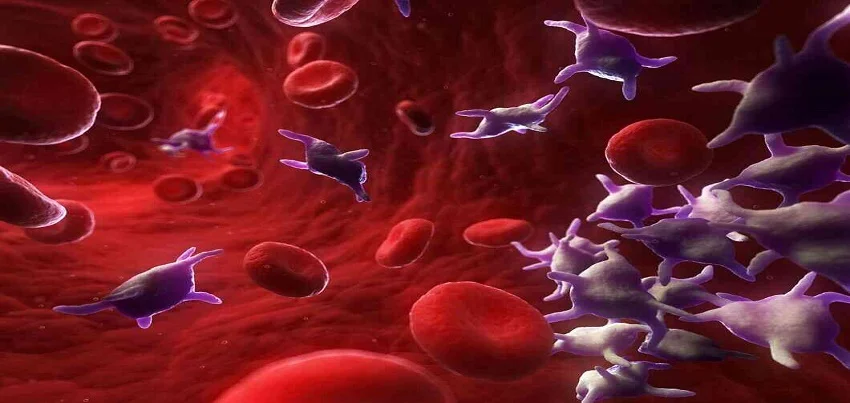
Platelet Count Test A Platelet Count test is a blood test that measures the number of platelets in a person’s blood. Platelets are small cells that help the blood to clot, and are important in preventing bleeding. Pre-test preparation: No special preparation is usually required for this test. Testing method: A small sample of blood is taken from a vein in the arm using a needle and syringe. The sample is then sent to a laboratory for analysis. Common Symptoms for prescribing this test: Bruising easily Heavy or prolonged bleeding from cuts Blood in the urine or stool Nosebleeds Petechiae, which are small red or purple spots on the skin Excessive menstrual bleeding Diagnosis: The Platelet Count test is used to help diagnose and monitor platelet disorders, such as thrombocytopenia (low platelet count) and thrombocytosis (high platelet count), as well as to monitor the effectiveness of treatment for these conditions Reference range: The reference range for a Platelet Count test varies depending on the laboratory that performs the test. Typically, the normal range for a Platelet Count test is 150,000-450,000/mcL. However, it is important to note that the reference range can vary depending on the lab that performed the test and the patient’s age, sex, and overall health. Normal values: Normal values for a Platelet Count test vary depending on the lab that performed the test, but typically fall within the range of 150,000-450,000/mcL. It is important to consult with a doctor or healthcare professional for any questions or concerns regarding the Platelet Count test or any other medical test.
Read More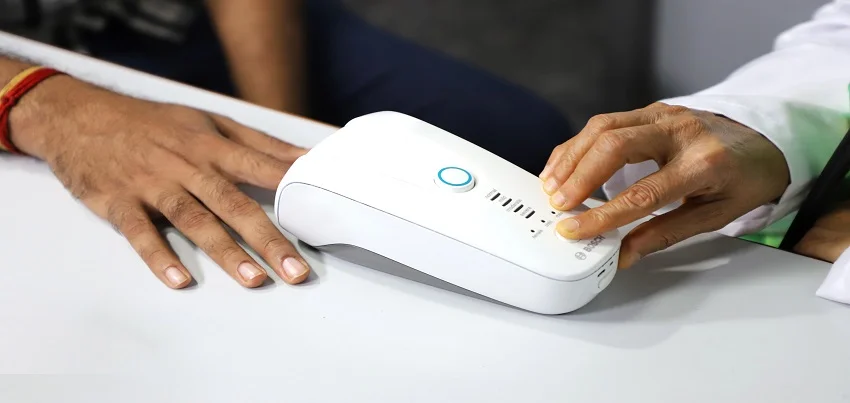
Haemoglobin (Hb) Test A Haemoglobin (Hb) Test Is A Blood Test That Measures The Amount Of Haemoglobin In A Person’s Blood. Haemoglobin Is A Protein In Red Blood Cells
Read More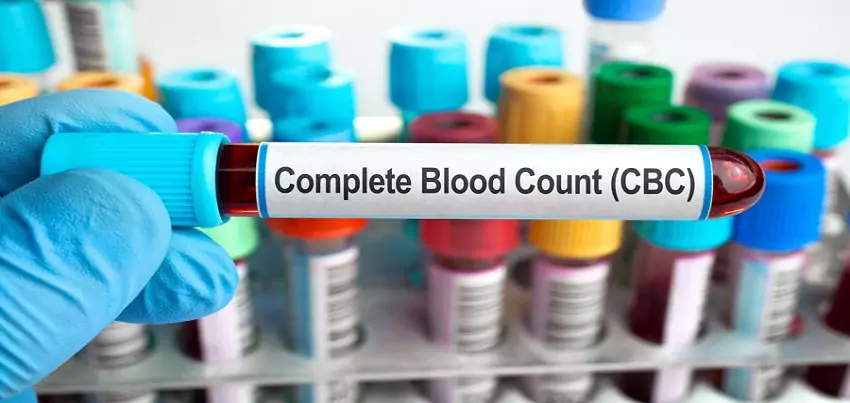
A Complete Blood Count (CBC) test is a test that measures various components of a person’s blood, including red blood cells, white blood cells, and platelets.
Read More
How To Manage Sports Injuries Playing Sports Is Good, But Sometimes You Can Get Hurt While Playing Or Even While Exercising. Accidents, Poor Training…
Read More
What Is Vitamin Deficiency Anemia? Vitamin Deficiency Anemia Is A Condition In Which The Body Does Not Have Sufficient Healthy Red Blood Cells. Red Blood Cells Provide Oxygen
Read MoreTop rated products
-
 Full Body Health Checkup I
Original price was: ₹3,000.00.₹1,770.00Current price is: ₹1,770.00.
Full Body Health Checkup I
Original price was: ₹3,000.00.₹1,770.00Current price is: ₹1,770.00.
-
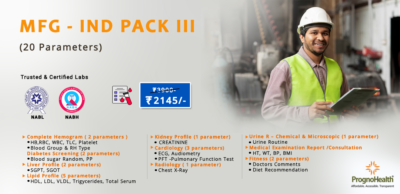 MFG IND PACK III
Original price was: ₹3,900.00.₹2,145.00Current price is: ₹2,145.00.
MFG IND PACK III
Original price was: ₹3,900.00.₹2,145.00Current price is: ₹2,145.00.
-
 Dengue NS1 Antigen Test
₹900.00
Dengue NS1 Antigen Test
₹900.00
-
 Lipoprotein (A) Blood Test – Lp(a)
₹750.00
Lipoprotein (A) Blood Test – Lp(a)
₹750.00
-
 Healthy Life Advance Male
Original price was: ₹15,000.00.₹8,250.00Current price is: ₹8,250.00.
Healthy Life Advance Male
Original price was: ₹15,000.00.₹8,250.00Current price is: ₹8,250.00.