PrognoHealth – Corporate Health & Wellness Specialist

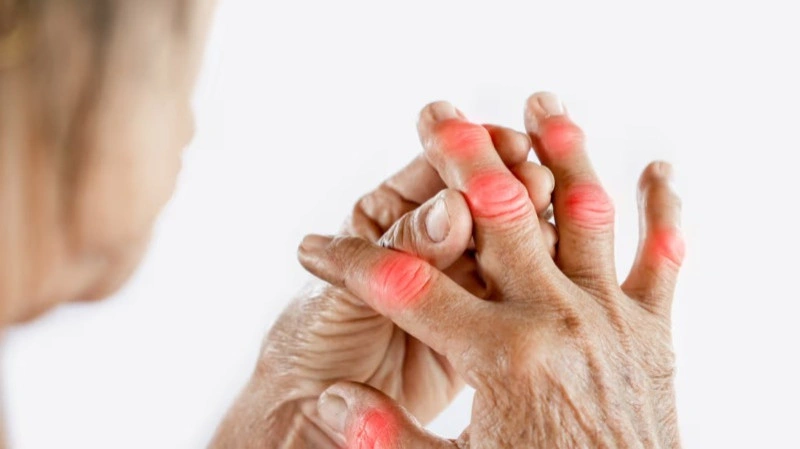
Calcium is the most vital and abundant mineral found in the human body. It is essential for the health of the bones and teeth, and normal heart rhythm, it is also required
Read More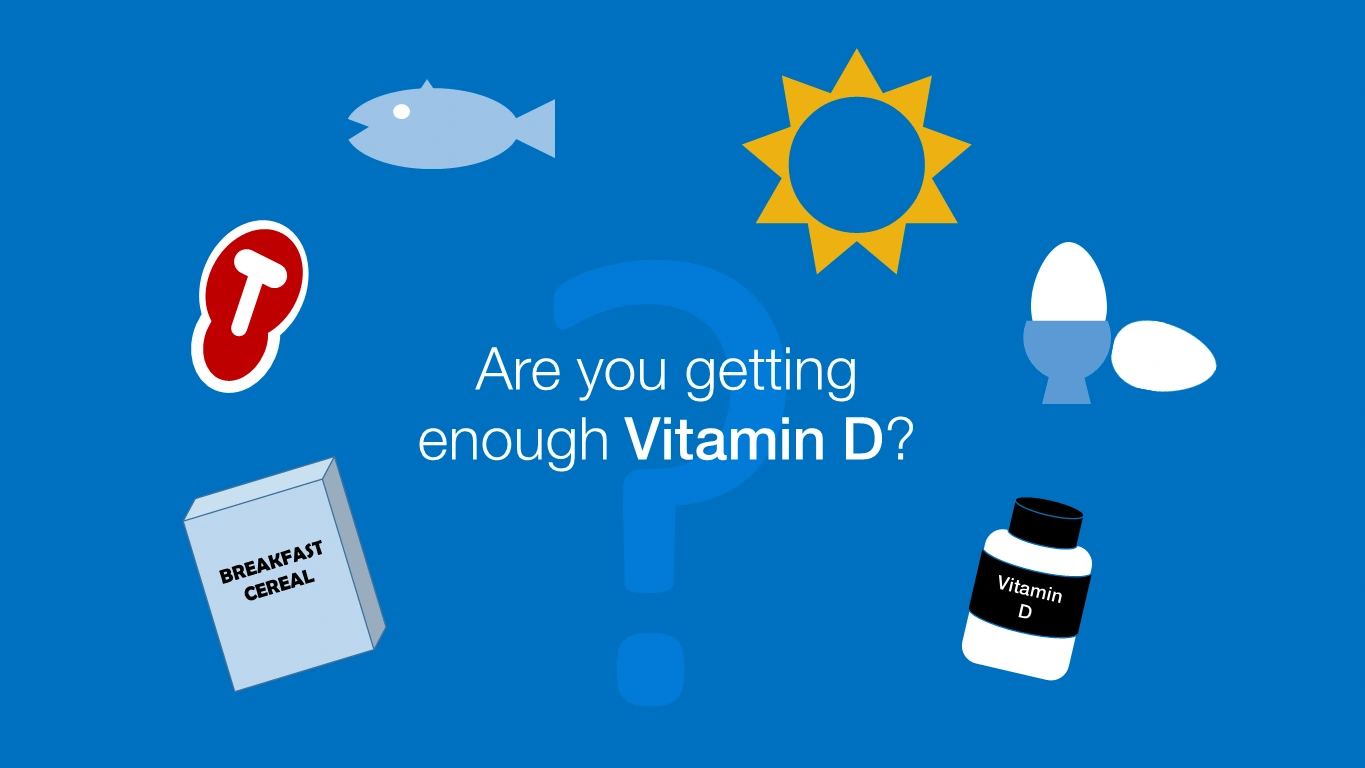
Are you taking enough Vitamin D? If you are not exposed to the sun much, are allergic to milk, or are a strict vegetarian, you may be at risk of vitamin D deficiency. Known as the sunshine vitamin, vitamin D is produced by the body in response to sunlight. It also occurs naturally in foods such as fish, fish liver oils, and egg yolks, and fortified dairy and grain products. Vitamin D is essential for strong bones. Its deficiency can cause rickets, leading to soft bones and skeletal deformities. Increasingly, research shows the importance of vitamin D in protecting the body against a host of health problems. Symptoms of bone pain and muscle weakness could indicate vitamin D deficiency. Here are some sources of vitamin D: • Milk – an excellent source; a single glass gives you up to a quarter of the recommended dosage. • Fish – contains one-fourth of a day’s vitamin D dosage raw fish contains even more vitamin D. • Cereals are fortified with vitamin D, but check the nutritional information on the carton. • Egg yolk is high in vitamin D, but It is advisable to have the whole egg. • Orange juice is commonly fortified with the sunshine vitamin and one glass a day is highly recommended. • Mushrooms have a significant amount of vitamin D1 the amount varies according to its type. • Cod liver oil has been a popular supplement for years and contains very high levels of vitamin A and vitamin D. Eat a varied diet and get some sun ( about 20 minutes early in the morning, unfiltered by sunscreen ) to get your daily dose of vitamin D.
Read More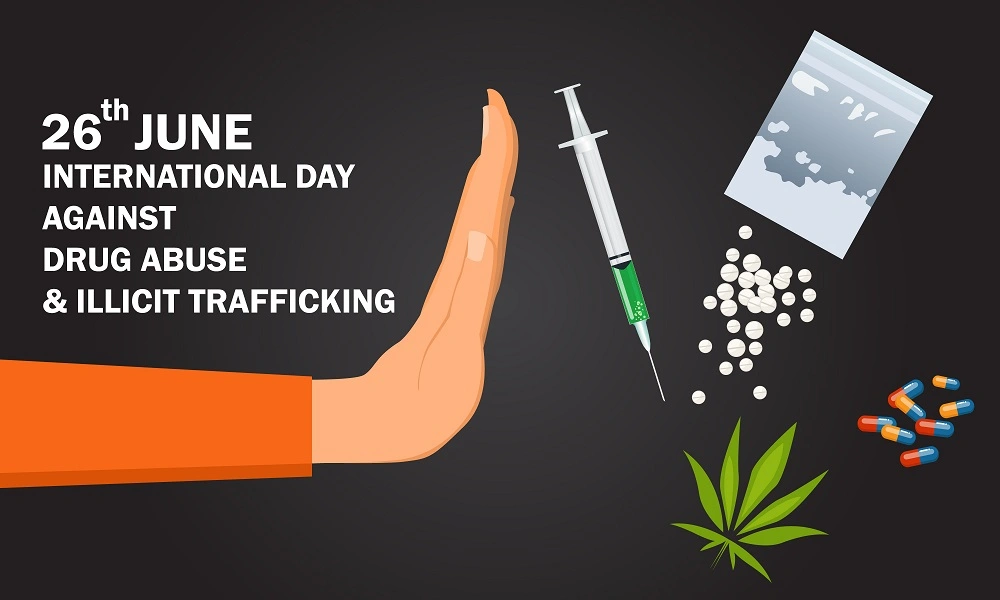
Drug Abuse And Illicit Trafficking June 26 Is ‘International Day Against Drug Abuse And Illicit Trafficking’. The Occasion Offers A Good Opportunity To Look At The Health…
Read More
Many times we all make silly mistakes, we tend to forget the smallest of the things like names, places, where we kept the things, etc, at the same time some people tend to forget important things like paying monthly bills on time or an important business meeting, or worst forgetting your spouses birthday!!!
Read More
Many times we all make silly mistakes, we tend to forget the smallest of the things like names, places, where we kept the things, etc, at the same time some
Read More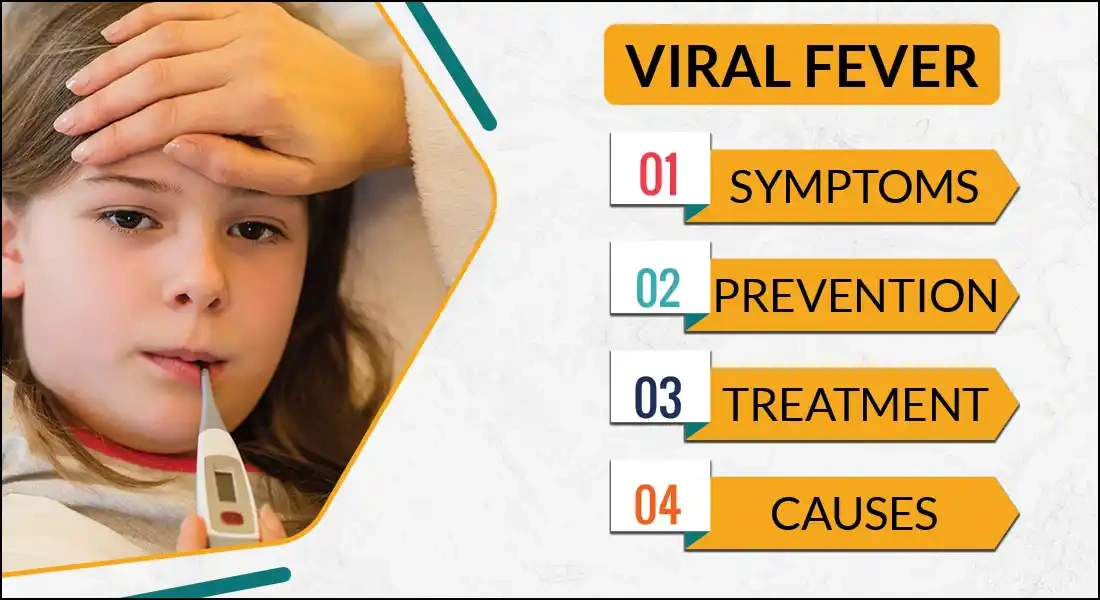
Viral Fever Fever is a temporary increase in body temperature beyond normal levels, often due to an illness. Fever is a symptom of illness, not a disease. Viral fever occurs due to an infection caused by viruses, which enter the body through inhalation (coughing and sneezing), contact with infected people or contaminated surfaces, unsafe food and water, contact with pets, cattle, and insects. People with a low immune system are at a higher risk of falling ill. Common Symptoms of Fever (temperature above 98.6 F) • Sweating + Headache + Loss of appetite + General weakness • Shivering + Muscle pains + Dehydration Tips to prevent viral infections • Wash hands thoroughly especially after using the toilet; frequent hand-washing is the best way to prevent many common infections. Carry hand sanitizers if soap and water aren’t readily available. • Cover the mouth and nose while sneezing or coughing. Avoid contaminating hands; use a tissue or handkerchief. • Try to avoid touching the nose, mouth, or eyes, as these are the main ways that viruses and bacteria enter the body and cause infection. • Viruses are most commonly spread through food or water contaminated with feces. Avoid unfiltered water and roadside food. * Store trash in rat-proof containers; clean them regularly and throw the garbage regularly. * Close the doors and windows early in the evening to stop mosquitoes. Put wire mesh on windows and doors. * Make sure there is no stagnant water in and around the house. * Be physically active. A brisk walk for 30-40 minutes, five days a week, boosts the immune system by increasing circulation, oxygenating the body, purging toxins through sweat, and releasing tension. * Avoid alcohol and smoking. It makes the body weak and decreases the ability to fight viral infections. * Stay away from sick people. Viral fever spreads when particles of the virus spread through droplets in the air if the sick person coughs, sneezes, or talks. So keep a distance and avoid physical contact. * Getting immunized is the best way of preventing viral infections. Speak to the doctor regarding vaccination. Avoid taking antibiotics without consulting a doctor. Antibiotics are medicines that kill bacteria they cannot kill viruses. So by taking them, you would unnecessarily suffer from side effects, such as acidity, stomach upset, and sometimes damage to the liver and kidneys. Consult your doctor for proper diagnosis and treatment.
Read More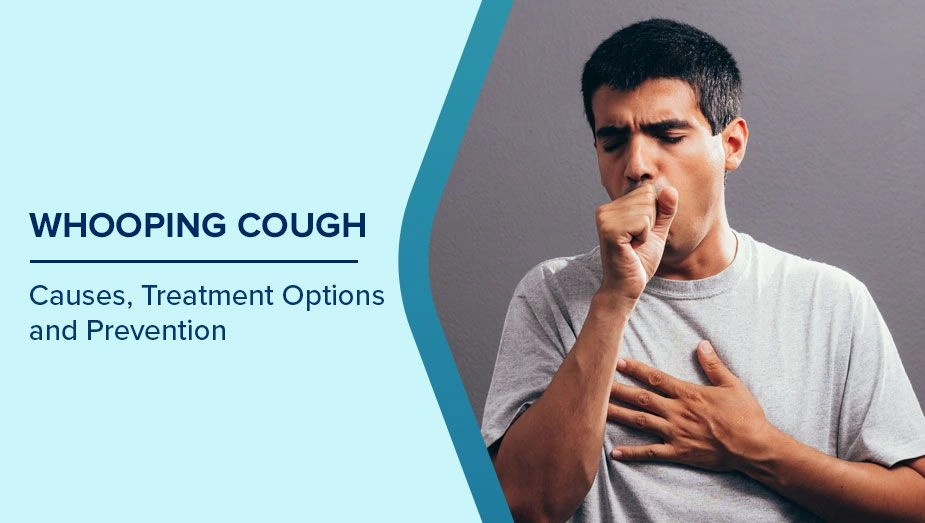
Whooping Cough Whooping Cough Or Pertussis Is A Highly Contagious Respiratory Tract Infection Caused By The Bacteria ‘Bacterium Bordetella Pertussis’ That Leads
Read More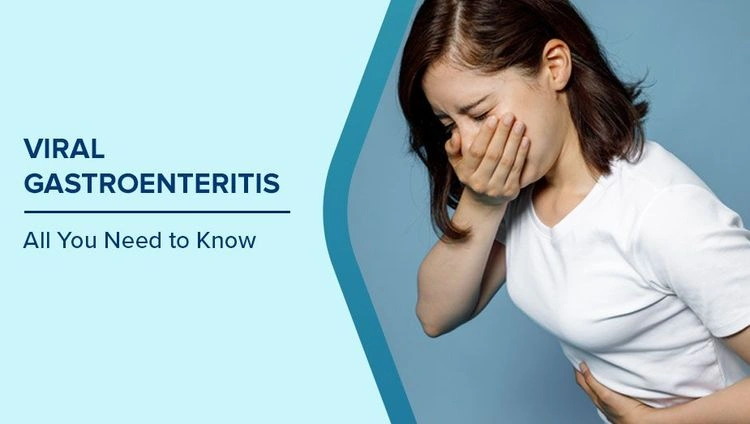
Viral Gastroenteritis Viral Gastroenteritis Is An Inflammation Of The Stomach And Intestines Caused By A Type Of Virus, Which Causes Watery Diarrhea, Abdominal Cramps, Nausea
Read More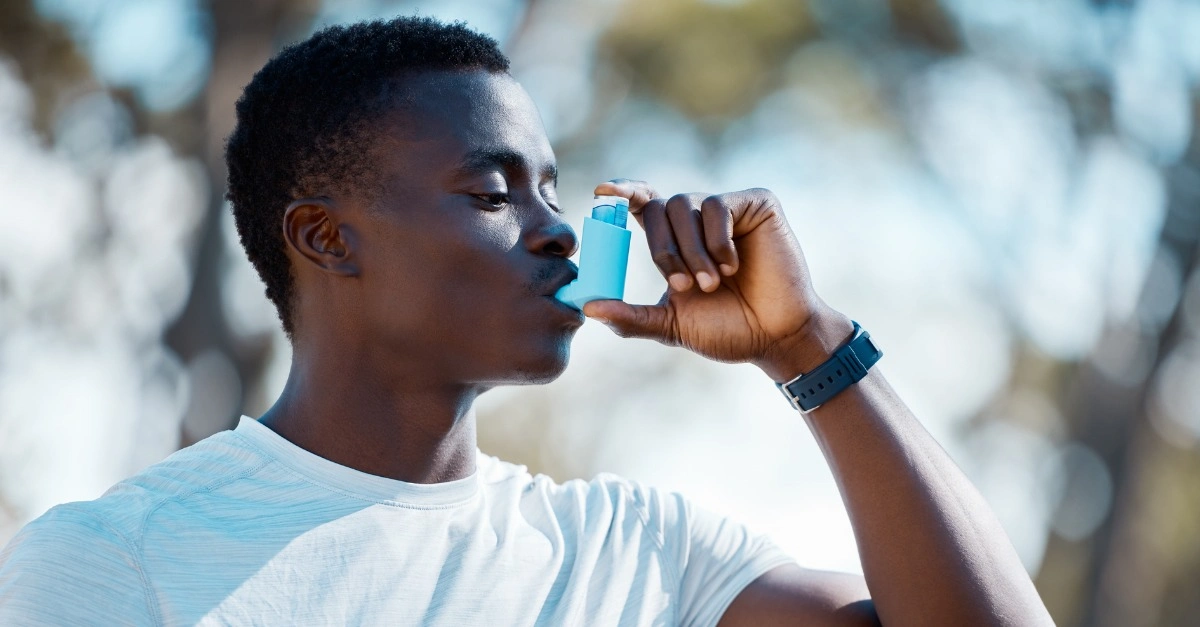
Recurrent episodes of wheezing, shortness of breath, tightness in the chest, and coughing are common symptoms. Sputum may be produced by coughing but is often hard to bring up.
Read More
Chasing away mosquitoes during the monsoon season is essential to avoid malaria.Ensure there is no stagnant water in or around the house.
Read MoreTop rated products
-
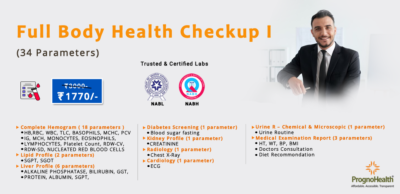 Full Body Health Checkup I
Original price was: ₹3,000.00.₹1,770.00Current price is: ₹1,770.00.
Full Body Health Checkup I
Original price was: ₹3,000.00.₹1,770.00Current price is: ₹1,770.00.
-
 MFG IND PACK III
Original price was: ₹3,900.00.₹2,145.00Current price is: ₹2,145.00.
MFG IND PACK III
Original price was: ₹3,900.00.₹2,145.00Current price is: ₹2,145.00.
-
 Dengue NS1 Antigen Test
₹900.00
Dengue NS1 Antigen Test
₹900.00
-
 Lipoprotein (A) Blood Test – Lp(a)
₹750.00
Lipoprotein (A) Blood Test – Lp(a)
₹750.00
-
 Healthy Life Advance Male
Original price was: ₹15,000.00.₹8,250.00Current price is: ₹8,250.00.
Healthy Life Advance Male
Original price was: ₹15,000.00.₹8,250.00Current price is: ₹8,250.00.