PrognoHealth – Corporate Health & Wellness Specialist

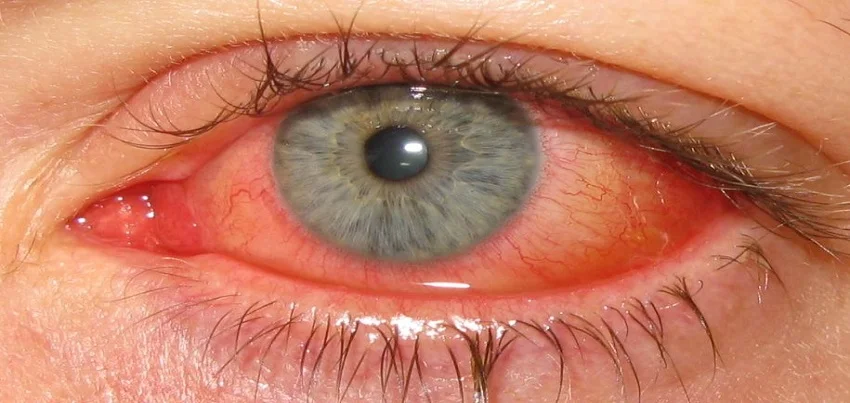
Epidemic Keratoconjunctivitis (EKC) Epidemic Keratoconjunctivitis (EKC) is a highly contagious eye infection that affects both the cornea and the conjunctiva (the clear membrane that covers the white part of the eye and the inside of the eyelids). It is caused by adenovirus, a virus that is commonly found in the respiratory tract. EKC can lead to severe eye irritation, pain, redness, and vision loss if left untreated. Symptoms of EKC typically include red, irritated eyes, a gritty or burning sensation in the eyes, light sensitivity, and a watery or mucous discharge from the eyes. In some cases, people may also experience swollen eyelids, blurred vision, or the sensation of something in the eye. These symptoms usually appear 1-14 days after exposure to the virus and can last for several weeks. To diagnose EKC, a healthcare provider will typically perform a physical examination of the eyes and may take a swab or culture of the discharge from the eyes. The swab or culture will be tested for the presence of adenovirus. In some cases, a healthcare provider may also perform a corneal scrape, which involves taking a small sample of the cornea to be examined under a microscope. The most common treatment for EKC is to manage the symptoms with over-the-counter eye drops or ointments. These may include lubricating drops to relieve dryness and discomfort, as well as anti-inflammatory drops to reduce redness and swelling. In severe cases, a healthcare provider may prescribe antiviral medications to help clear the infection. To prevent EKC, it is important to practice good hygiene, such as washing your hands frequently and avoiding touching your eyes. If you have EKC, you should also avoid touching or rubbing your eyes and avoid close contact with others until the infection has cleared. Another way to prevent EKC is to have annual health check-ups and corporate health & wellness programs. These programs can help identify potential health issues early on and provide strategies to prevent them from occurring. In addition to regular check-ups, a healthy diet and exercise routine can also help to boost the immune system and reduce the risk of infection. Eating a balanced diet rich in fruits, vegetables, and whole grains can provide the body with the vitamins and minerals it needs to fight off infection. Exercise, such as jogging, cycling, or swimming, can also help to boost the immune system and improve overall health. In conclusion, Epidemic Keratoconjunctivitis is a highly contagious eye infection caused by adenovirus. It can lead to severe eye irritation, pain, redness, and vision loss if left untreated. To diagnose EKC, a healthcare provider will typically perform a physical examination of the eyes and may take a swab or culture of the discharge from the eyes. The most common treatment for EKC is to manage the symptoms with over-the-counter eye drops or ointments. To prevent EKC, it is important to practice good hygiene, such as washing your hands frequently and avoiding touching your eyes. Additionally, having annual health check-ups and corporate health & wellness programs, along with a healthy diet and exercise routine can help to boost the immune system and reduce the risk of infection.
Read More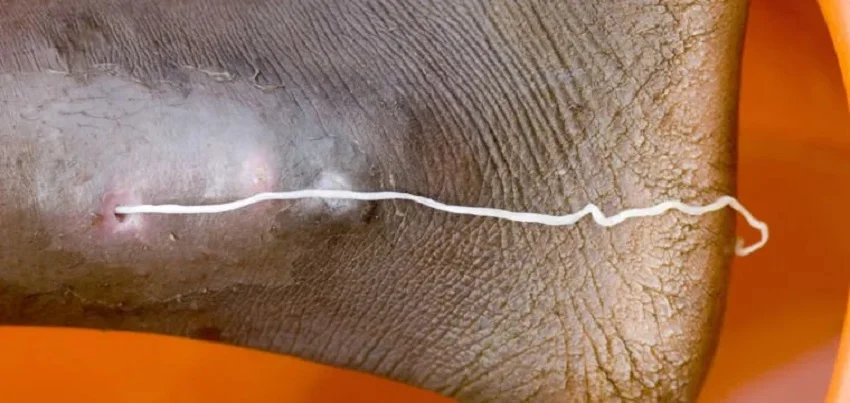
Dracunculiasis Dracunculiasis, also known as guinea-worm disease, is a parasitic infection caused by the nematode (roundworm) Dracunculus medinensis. It is contracted by drinking water from stagnant sources that are infected with the Guinea worm larvae. The larvae mature and mate inside the human body, and the female worm can grow up to a meter in length before exiting through the skin, usually on the lower leg. Symptoms of dracunculiasis can take up to a year to develop and include a burning sensation and blistering at the site of the worm’s emergence, as well as fever, nausea, and vomiting. As the worm emerges, it can cause intense pain and disability, making it difficult for the infected person to walk or work. The diagnosis of dracunculiasis is typically made through a physical examination, looking for the presence of the worm emerging from the skin. In some cases, imaging tests such as X-ray or ultrasound can be used to confirm the diagnosis. Treatment for dracunculiasis typically involves the slow and delicate process of wrapping the emerging worm around a stick or piece of gauze to encourage it to come out of the skin. This process can take several days, and the wound must be kept clean to prevent infection. In some cases, surgery may be necessary to remove the worm if it becomes stuck or breaks. The best way to prevent dracunculiasis is through education and access to clean drinking water. This includes providing education on the sources of the disease and how to avoid them, as well as drilling boreholes, building wells, and providing water filters and storage containers to ensure that clean water is readily available. Annual health check-ups can be important for individuals living in areas where dracunculiasis is prevalent, as they can help to identify any early signs of the infection and allow for early intervention and treatment. Corporate health & wellness programs can also play an important role in preventing dracunculiasis by promoting education and access to clean drinking water. A healthy diet and regular exercise can have many benefits for overall health, but they do not play a direct role in preventing dracunculiasis. Eating a diet that is rich in fruits, vegetables, and whole grains can help to support the immune system and reduce the risk of infection, but it is not specific to dracunculiasis. Regular physical activity, such as walking or cycling for 30 minutes a day, can also help to improve overall health and reduce the risk of developing certain conditions.
Read More
Guillain-Barré Syndrome Guillain-Barré syndrome (GBS) is a rare disorder that affects the nervous system and can cause muscle weakness, tingling sensations, and even paralysis. It is caused by an abnormal immune response that attacks the peripheral nerves, which are the nerves that control muscle movement and sensation in the arms and legs. Symptoms of GBS can vary depending on the person, but common symptoms include muscle weakness, tingling sensations, and loss of reflexes in the arms and legs. In some cases, GBS can also cause difficulty breathing, which can be life-threatening. Symptoms usually start in the feet and legs, and then progress upward. The onset of symptoms may be sudden or gradual. Diagnosis of GBS is based on the patient’s symptoms, medical history, and lab tests. A nerve conduction study and an electromyography (EMG) can be used to measure the electrical activity in the muscles and nerves, which can help to confirm the diagnosis. A lumbar puncture (spinal tap) may also be done to check for antibodies in the cerebrospinal fluid, which can indicate GBS. Treatment of GBS typically involves the use of immunoglobulin (IVIg) or plasma exchange (PE). IVIg is a treatment that uses antibodies from healthy donors to help reduce inflammation in the nerves, while PE is a procedure that removes the plasma from the blood and replaces it with fresh plasma. In addition, supportive care such as physical therapy, occupational therapy, and breathing support may be needed to help patients recover from muscle weakness and paralysis. The cause of GBS is not well understood, but it is thought to be triggered by an infection or other underlying medical condition. Certain viral and bacterial infections have been linked to the development of GBS, such as Campylobacter jejuni, cytomegalovirus, Epstein-Barr virus, and HIV. Preventing GBS from occurring is difficult, as the exact cause is not yet known. However, there are certain things that can be done to reduce the risk of developing the condition, such as getting vaccinated against certain infections, and seeking treatment for any underlying medical conditions. Regular check-ups and annual health screenings are important for early detection and treatment of GBS. People who are at a higher risk of developing GBS, such as those with an underlying medical condition or who have recently had an infection, should consider getting checked more frequently. In terms of diet and exercise, there is no specific diet or exercise regimen that can prevent the development of GBS. However, maintaining a healthy lifestyle with a balanced diet and regular physical activity can help to boost the immune system and reduce the risk of developing certain infections that may trigger GBS. Corporate health and wellness programs can play a key role in preventing GBS by encouraging regular check-ups and annual health screenings, providing education on the importance of getting vaccinated and seeking treatment for underlying medical conditions. It can also provide information on how to maintain a healthy lifestyle with a balanced diet and regular physical activity, which can help to boost the immune system. In conclusion, Guillain-Barré syndrome (GBS) is a rare disorder that affects the nervous system and can cause muscle weakness, tingling sensations, and even paralysis. The cause is not well understood, but it is thought to be triggered by an infection or other underlying medical condition. Diagnosis is based on the patient’s symptoms, medical history, and lab tests. Treatment typically involves the use of immunoglobulin (IVIg) or plasma exchange (PE), and supportive care. Preventing GBS from occurring is difficult.
Read More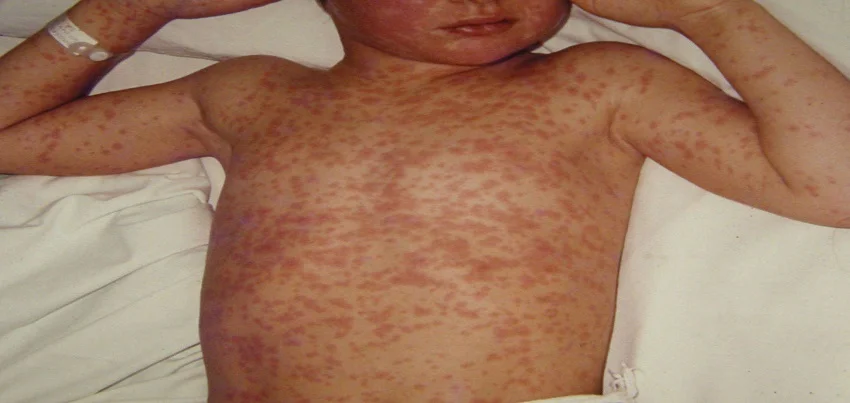
Measles Measles, also known as khasra, is a highly contagious viral infection that primarily affects children. The disease is spread through respiratory droplets when an infected person coughs or sneezes. Symptoms of measles include fever, runny nose, cough, and a characteristic rash that spreads over the body. Diagnosis of measles is typically made based on the presence of symptoms and the patient’s history of exposure to the virus. A laboratory test called the measles IgM antibody test can also be used to confirm the diagnosis. Common treatment methods for measles include administering medication to reduce fever and relieve symptoms such as coughing and runny nose. In severe cases, hospitalization may be required for supportive care and to prevent complications. Preventing measles from occurring is important for both individuals and the community as a whole. The best way to prevent measles is to be vaccinated with the measles, mumps, rubella (MMR) vaccine. The vaccine is safe and effective, and it is typically given to children at ages 12 to 15 months, with a second dose given at ages 4 to 6 years. Annual health check-ups are a valuable tool in preventing measles, as they allow individuals to be aware of their health status and take steps to improve it. A health check-up can help detect measles early and provide appropriate treatment. Corporate health and wellness programs can also play a key role in preventing measles by promoting vaccination and providing employees with access to annual health check-ups. In addition to vaccination, there are several lifestyle changes that can be made to help prevent measles. Eating a healthy diet and engaging in regular physical activity can help boost the immune system, making it more effective at fighting off infections. In terms of diet, it is important to consume a variety of nutrient-dense foods such as fruits and vegetables, lean proteins, and whole grains. These foods provide the vitamins and minerals needed to support a strong immune system. Exercise is also an important part of preventing measles. Regular physical activity can help improve overall health and decrease the risk of infections. Aim for at least 30 minutes of moderate-intensity exercise most days of the week. In conclusion, measles is a highly contagious disease that primarily affects children. It is important to be vaccinated and get annual health check-ups to prevent measles. Corporate health and wellness programs can also play a key role in preventing measles by promoting vaccination and providing employees with access to annual health check-ups. Eating a healthy diet and engaging in regular physical activity are also important for supporting a strong immune system and preventing measles.
Read More
Fibromyalgia Fibromyalgia is a chronic condition characterized by widespread pain, tenderness, and fatigue. The exact cause of fibromyalgia is unknown, but it is thought to be related to a combination of genetic, environmental, and psychological factors. Symptoms of fibromyalgia include:Widespread pain: This can be a dull, burning, or aching sensation that affects both sides of the body, as well as the upper and lower parts.Tender points: These are specific areas of the body that are tender to the touch, such as the neck, shoulders, back, hips, and legs.Fatigue: People with fibromyalgia often experience extreme fatigue and may have trouble sleeping.Stiffness: Many people with fibromyalgia experience stiffness, especially in the morning.Headaches: Fibromyalgia can cause tension headaches or migraines.Irritable bowel syndrome (IBS): Many people with fibromyalgia also have IBS, a condition that causes abdominal pain, bloating, constipation, and diarrhea. Diagnosis of fibromyalgia is often challenging as there is no specific test that can confirm the condition. doctors may use a combination of methods such as:Physical examination: Your doctor will check for tender points and areas of pain.Medical history: Your doctor will ask about your symptoms and medical history.Ruling out other conditions: Your doctor will rule out other conditions that can cause similar symptoms, such as lupus, rheumatoid arthritis, and multiple sclerosis. Common treatment methods for fibromyalgia include:Medications: Your doctor may prescribe medications to help relieve pain, such as nonsteroidal anti-inflammatory drugs (NSAIDs), antidepressants, and anticonvulsants.Physical therapy: Physical therapy can help improve flexibility, strength, and endurance.Exercise: Regular exercise, such as walking, swimming, or cycling, can help improve symptoms.Counseling: Counseling can help people with fibromyalgia learn coping skills, such as stress management and sleep hygiene. Preventing fibromyalgia from occurring is not possible, but there are things you can do to reduce your risk. these include:Annual health check-ups: Regular check-ups with your doctor can help identify and treat conditions that may increase your risk of fibromyalgia, such as rheumatoid arthritis or lupus.Corporate health & wellness: Employers can help reduce the risk of fibromyalgia by promoting healthy behaviors, such as regular exercise, healthy eating, and stress management.Diet and exercise can also play a role in preventing fibromyalgia. Eating a healthy diet that includes a variety of fruits, vegetables, and whole grains can help reduce inflammation in the body. Regular exercise, such as walking, cycling, or swimming, can help improve strength, flexibility, and endurance. In conclusion, fibromyalgia is a chronic condition characterized by widespread pain, tenderness, and fatigue. There is no specific test to confirm the diagnosis, but a combination of methods such as physical examination, medical history, and ruling out other conditions can be used. Common treatment methods include medication, physical therapy, exercise, and counseling. Regular annual health check-ups, corporate health & wellness programs, healthy diet and regular exercise can help prevent and manage fibromyalgia symptoms.
Read More
Helminthiasis Helminthiasis, also known as soil-transmitted helminth infections, is a type of parasitic infection caused by various types of worms that live in the soil. These worms can infect humans through contaminated food or water, or by skin contact with infected soil. Helminths can cause a wide range of symptoms, depending on the type of worm and the severity of the infection. Symptoms of helminthiasis include abdominal pain, diarrhea, weight loss, fatigue, and anemia. Some types of helminths can also cause skin rashes, itchy skin, and respiratory problems. In some cases, there may be no symptoms at all, making it difficult to diagnose the infection. The most common test for diagnosing helminthiasis is a stool sample, which is analyzed to detect the presence of worms or their eggs. Blood tests may also be done to check for anemia or other signs of infection. Imaging tests such as ultrasound or CT scan may also be done if the infection is suspected to be in the internal organs. Common treatment methods for helminthiasis include medications such as anti-parasitic drugs, which are used to kill the worms and clear the infection. These medications are usually taken for several weeks, depending on the type of worm and the severity of the infection. In some cases, surgery may be necessary to remove worms that are causing blockages or other complications. Preventing helminthiasis from occurring is key in maintaining good health, and the best way to do this is by practicing good hygiene and sanitation. This includes washing hands with soap and water, especially before handling food or eating, and avoiding contact with contaminated soil. In addition, it is important to cook food thoroughly, especially if it is grown in soil that may be contaminated with helminths. Annual health check-ups are an important tool in preventing helminthiasis. During these check-ups, your doctor may check your stool or blood for signs of infection, and may recommend treatment if necessary. Corporate health & wellness programs can also play an important role in preventing helminthiasis by promoting good hygiene practices among employees, and providing education on the importance of regular hand washing and avoiding contact with contaminated soil. In terms of diet and exercise to prevent helminthiasis, it is important to focus on foods that are high in fiber and protein, such as fruits, vegetables, and lean meats. Eating a diet rich in vitamin A and zinc may also help to boost the immune system and protect against infection. Regular exercise, such as brisk walking or cycling, can also help boost the immune system and improve overall health. In conclusion, helminthiasis is a common type of parasitic infection caused by worms that live in the soil. Symptoms can range from mild to severe, and may not always be present. Practicing good hygiene and sanitation, annual health check-ups, and corporate health & wellness programs are all important tools in preventing the infection. In addition, a healthy diet, regular exercise, and regular check-ups can help to keep the immune system strong and protect against infection.
Read More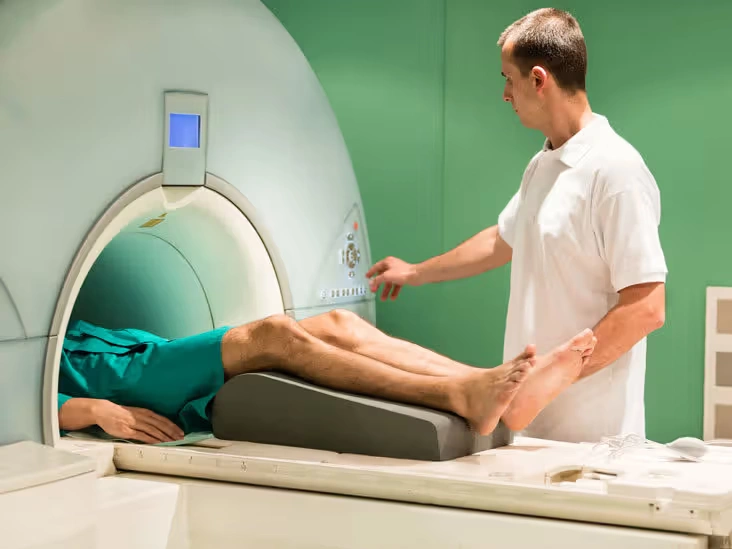
CT scan of a joint A CT scan of a joint is a test that provides images of a specific joint in the body. This test is commonly ordered when a patient is experiencing symptoms related to a joint. Test Conducted and Preparation:During a CT scan of a joint, the patient lies down on a table that slides into the CT machine. The machine takes multiple images from different angles and uses computer processing to create a 3D image of the joint. The test is painless and usually takes less than 30 minutes to complete. There is no specific preparation required for a CT scan of a joint. However, patients may be asked to remove any metal objects, such as jewelry, before the test. Common Symptoms for Ordering the Test: A CT scan of a joint may be ordered by a doctor if a patient is experiencing symptoms such as: Pain or stiffness in the joint Limited range of motion in the joint Swelling or inflammation in the joint Trauma to the joint Suspected fractures or dislocations Time Taken for the Test and its Results Interpretations: The test itself takes only a few minutes, but the entire process, including check-in, preparation, and post-test consultation, may take up to an hour. After the test, a radiologist will review the images and prepare a report for the patient’s doctor. The doctor will then discuss the results with the patient and provide any necessary treatment recommendations. A CT scan of a joint may be included as part of a comprehensive health checkup or wellness program. It can help detect and diagnose conditions such as fractures, dislocations, and arthritis. For corporate health programs, this test may be used to assess employees’ health risks and provide preventive care. Conclusion: CT scan of a joint is a valuable diagnostic tool that can provide detailed images of a specific joint in the body. It is a quick and painless test that can help diagnose a range of conditions related to the joint. This test may be included as part of a health checkup or wellness program and can be useful in corporate health settings to assess and manage employee health risks.
Read More
Eclampsia Pregnancy Eclampsia is a serious complication of pregnancy characterized by seizures or convulsions in a woman with pre-eclampsia, which is a condition characterized by high blood pressure and protein in the urine during pregnancy. Eclampsia can occur at any point during pregnancy, but it is most common during the second half of pregnancy and the postpartum period. If left untreated, eclampsia can be life-threatening for both the mother and the baby. Symptoms of eclampsia include severe headaches, visual disturbances, upper abdominal pain, and changes in reflexes. In severe cases, women may experience seizures or convulsions. In addition, women with pre-eclampsia may have high blood pressure, protein in their urine, and swelling of the face, hands, and feet. Diagnosis of eclampsia is typically made through a combination of physical examination, blood tests, and urine tests. These tests may include measuring blood pressure and protein levels in the urine, as well as testing for liver and kidney function. Treatment for eclampsia typically involves hospitalization and close monitoring of both the mother and the baby. Medications may be given to lower blood pressure and prevent seizures, and in some cases, the baby may need to be delivered early to protect the health of the mother. Preventing eclampsia from occurring is crucial to ensuring the health of both the mother and the baby. Annual health check-ups and corporate health & wellness programs can play an important role in preventing eclampsia by identifying and addressing any potential health risks. One of the most important things that a woman can do to prevent eclampsia is to maintain a healthy lifestyle. This includes eating a balanced diet, getting regular exercise, and avoiding smoking and excessive alcohol consumption. Eating a diet that is rich in fruits and vegetables, lean proteins, and whole grains can help to ensure that a woman is getting all the nutrients that she needs during pregnancy. Exercise is also important for preventing eclampsia. Regular exercise can help to improve overall health and can also help to reduce the risk of certain pregnancy complications such as gestational diabetes and pre-eclampsia. However, it is important to talk to your doctor about what types of exercise are safe during pregnancy, as some activities may be restricted. In addition, corporate health & wellness programs can play a key role in preventing eclampsia. These programs can provide employees with access to resources such as health screenings, education, and counseling, which can help to identify and address any potential health risks. Overall, eclampsia is a serious complication of pregnancy that can be life-threatening for both the mother and the baby. By maintaining a healthy lifestyle, including a balanced diet and regular exercise, and getting regular check-ups, both individuals and companies can take proactive steps to promote healthy pregnancies and reduce the risk of eclampsia.
Read More
Sodium Test A sodium test is a laboratory test that measures the level of sodium in the blood. Sodium is an electrolyte that plays a crucial role in maintaining the balance of fluids in the body and in regulating the function of muscles and nerves. Pre-test preparation: No special preparation is typically required for a sodium test. Testing method: A small sample of blood is taken from a vein in the arm and sent to a laboratory for analysis. The sample is usually analyzed using a device called an electrolyte analyzer. Common symptoms for prescribing this test: A sodium test may be ordered if a person has symptoms of a condition that affects the level of sodium in the blood, such as dehydration, kidney disease, or certain types of heart and lung disorders. It can also be used as a part of routine lab work to check overall health status. Diagnosis: The results of a sodium test are used to help diagnose and monitor a variety of conditions, including dehydration, kidney disease, and certain types of heart and lung disorders. Elevated levels of sodium can indicate dehydration, while low levels can indicate kidney disease, certain types of heart and lung disorders, or the use of certain medications. Reference range: The reference range for sodium levels varies depending on the lab and the population being tested, but generally, a normal range is 135 to 145 mEq/L. Normal values: Sodium levels are normally between 135 to 145 mEq/L. Medical disclaimer: The above information is provided for general educational purposes and is not intended to be a substitute for professional medical advice, diagnosis, or treatment. Always seek the advice of your physician or other qualified healthcare provider with any questions you may have regarding a medical condition. It is important to note that test results should be always interpreted in the context of a patient’s clinical presentation and other test results, and treatment should be determined by a healthcare professional.
Read More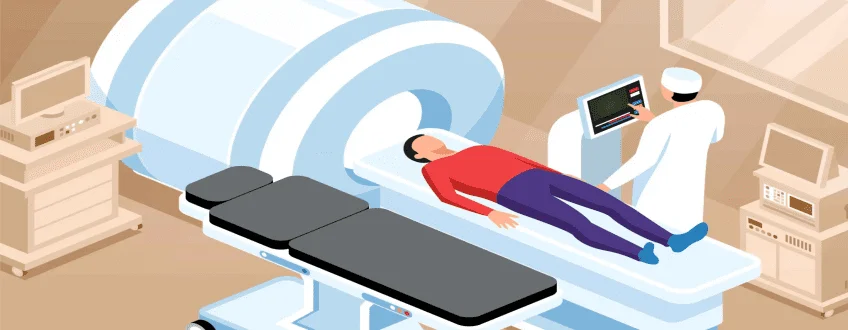
CT scan of the orbit A CT (computed tomography) scan of the orbit is a diagnostic imaging test that uses X-rays and computer technology to produce detailed images of the eye socket area. This test is commonly ordered when a patient is experiencing symptoms related to the eyes or surrounding area. Test Conducted and Preparation: During a CT scan of the orbit, the patient lies down on a table that slides into the CT machine. The machine takes multiple images from different angles and uses computer processing to create a 3D image of the eye socket area. The test is painless and usually takes less than 30 minutes to complete. There is no specific preparation required for a CT scan of the orbit. However, patients may be asked to remove any metal objects, such as jewelry or eyeglasses, before the test. Common Symptoms for Ordering the Test: A CT scan of the orbit may be ordered by a doctor if a patient is experiencing symptoms such as:Pain or discomfort in the eyes or surrounding areaSwelling or lumps around the eyesDouble vision or blurred visionDecreased vision or loss of visionEye discharge or crustingEye injuries or traumaThese symptoms could indicate conditions such as infections, tumors, or injuries to the eye socket area. Time Taken for the Test and its Results Interpretations: The test itself takes only a few minutes, but the entire process, including check-in, preparation, and post-test consultation, may take up to an hour. After the test, a radiologist will review the images and prepare a report for the patient’s doctor. The doctor will then discuss the results with the patient and provide any necessary treatment recommendations. A CT scan of the orbit may be included as part of a comprehensive health checkup or wellness program. It can help detect and diagnose conditions such as infections, tumors, and injuries to the eye socket area. For corporate health programs, this test may be used to assess employees’ health risks and provide preventive care. In addition, a CT scan of the orbit can be useful for monitoring the effectiveness of treatments for conditions such as tumors or infections. It can also be used to guide surgical procedures or biopsies of the eye socket area. While a CT scan of the orbit is generally considered a safe and effective diagnostic tool, it does involve exposure to ionizing radiation. Therefore, doctors typically limit the number of CT scans a patient receives to reduce the risk of radiation-related side effects. Patients should always discuss the risks and benefits of any imaging test with their doctor. In conclusion, a CT scan of the orbit is a valuable diagnostic tool that can provide detailed images of the eye socket area. It is a quick and painless test that can help diagnose a range of conditions related to the eyes or surrounding area. This test may be included as part of a health checkup or wellness program and can be useful in corporate health settings to assess and manage employee health risks. It is important for patients to discuss the risks and benefits of any imaging test with their doctor and to follow any preparation instructions provided prior to the test.
Read MoreTop rated products
-
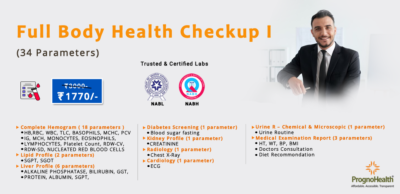 Full Body Health Checkup I
Original price was: ₹3,000.00.₹1,770.00Current price is: ₹1,770.00.
Full Body Health Checkup I
Original price was: ₹3,000.00.₹1,770.00Current price is: ₹1,770.00.
-
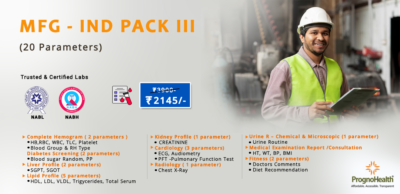 MFG IND PACK III
Original price was: ₹3,900.00.₹2,145.00Current price is: ₹2,145.00.
MFG IND PACK III
Original price was: ₹3,900.00.₹2,145.00Current price is: ₹2,145.00.
-
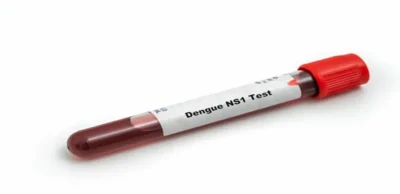 Dengue NS1 Antigen Test
₹900.00
Dengue NS1 Antigen Test
₹900.00
-
 Lipoprotein (A) Blood Test – Lp(a)
₹750.00
Lipoprotein (A) Blood Test – Lp(a)
₹750.00
-
 Healthy Life Advance Male
Original price was: ₹15,000.00.₹8,250.00Current price is: ₹8,250.00.
Healthy Life Advance Male
Original price was: ₹15,000.00.₹8,250.00Current price is: ₹8,250.00.