PrognoHealth – Corporate Health & Wellness Specialist


Q Fever Q fever, also known as query fever, is a bacterial infection caused by Coxiella burnetii. It is primarily spread through contact with infected animals, particularly cattle, sheep, and goats. Q fever can also be spread through contaminated air, food, and water. Symptoms of Q fever can vary, but may include fever, chills, headache, muscle pain, fatigue, and a non-productive cough. In some cases, the infection can also cause more severe symptoms such as pneumonia, hepatitis, and meningitis. In some cases, people may not show symptoms but can still carry the bacteria and spread the infection to others. Diagnosis of Q fever typically begins with a physical examination and review of the patient’s medical history. Blood tests may also be used to detect antibodies to the bacteria, and a chest x-ray may be performed to check for signs of pneumonia. In some cases, a sample of blood, urine, or spinal fluid may also be taken for further testing. Treatment for Q fever typically includes a course of antibiotics, such as doxycycline or azithromycin. The length of treatment can vary depending on the severity of the infection, but typically lasts at least two weeks. In severe cases, hospitalization may be required. To prevent Q fever, it is important to take steps to avoid contact with infected animals and to maintain good hygiene practices. This can include wearing protective clothing, such as gloves and masks, when working with animals or in environments where the bacteria may be present. Annual health check-ups can also be an important tool for preventing Q fever. These check-ups allow healthcare providers to monitor for any changes in the patient’s health and to make any necessary adjustments to treatment. Corporate health & wellness programs can also play a role in reducing the incidence of Q fever. These programs can include education and training on how to prevent the spread of Q fever, as well as resources for employees who may have been exposed to the bacteria. Incorporating diet and exercise into the routine can also help prevent Q fever. Eating a healthy diet that is rich in fruits, vegetables, and lean protein can support overall physical and mental health. Exercise, such as yoga or light cardio, can also be beneficial for reducing stress and improving immunity. In conclusion, Q fever is a bacterial infection that is primarily spread through contact with infected animals. It can cause a range of symptoms, from mild flu-like symptoms to more severe complications. It is important to be aware of the symptoms, risk factors, and treatment options for Q fever. Early detection and preventative measures, such as regular check-ups, good hygiene practices, and corporate health & wellness programs, can help reduce the incidence of Q fever and support the overall well-being of those at risk.
Read More
MRI of the orbit Magnetic Resonance Imaging (MRI) of the orbit is a diagnostic test that uses a powerful magnetic field, radio waves, and a computer to produce detailed images of the eyes and surrounding structures. The test is conducted to evaluate a range of conditions affecting the eyes and vision. Test Conducted: During an MRI of the orbit, the patient lies on a table that slides into a cylindrical machine that houses the MRI scanner. The scanner uses a magnetic field and radio waves to create images of the eyes and surrounding structures. The test typically takes between 30 and 60 minutes to complete, depending on the complexity of the exam and the patient’s ability to remain still during the procedure. Test Preparation: For an MRI of the orbit, patients should wear comfortable, loose-fitting clothing without metal zippers or buttons. The patient will be asked to remove any metal objects, such as jewelry, watches, or belts. The patient may also be asked to fast for a few hours before the exam, depending on the reason for the test. Common Symptoms for Ordering the Test: MRI of the orbit may be ordered by a physician if a patient has symptoms such as vision loss or changes, double vision, pain in the eyes, or abnormal bulging of the eyes. The test can help diagnose a range of conditions affecting the eyes and surrounding structures, including tumors, inflammation, infections, and other abnormalities. Time Taken for the Test and Interpretation of Results: An MRI of the orbit typically takes between 30 and 60 minutes to complete, and patients can return to their normal activities immediately after the test. The images produced by the MRI are examined by a radiologist, who will interpret the results and provide a report to the ordering physician. The physician will then review the results with the patient and determine the appropriate course of treatment based on the findings. Using Health Checkup, Wellness and Corporate Health as Key Words: MRI of the orbit is an important tool for diagnosing and treating a range of conditions affecting the eyes and vision, and can be used in regular health checkups and corporate wellness programs. Early detection of eye problems is critical to maintaining good vision and overall health. In addition, some corporate health programs offer wellness screenings that include eye exams, and an MRI of the orbit may be ordered as part of a comprehensive wellness evaluation. In conclusion, MRI of the orbit is a valuable diagnostic tool that can help detect a range of eye conditions that can affect overall health and wellness. The test is non-invasive and typically takes between 30 and 60 minutes to complete, with some preparation required such as removing metal objects and fasting for a few hours before the exam. The results are interpreted by a radiologist and reviewed by the ordering physician, who will determine the appropriate course of treatment based on the findings. Regular health checkups and corporate wellness programs can also incorporate eye exams, including MRI of the orbit, to help detect and manage eye problems.
Read More
Mental health training Mental health training is an important aspect of promoting and protecting the mental well-being of employees. The purpose of mental health training is to educate employees about mental health, including the signs and symptoms of mental health issues, how to access support and resources, and how to create a culture of openness and understanding around mental health issues in the workplace. Here are some topics that should be covered in mental health training: Understanding mental health: Employees should be provided with information about the different types of mental health issues, including depression, anxiety, and stress. They should also be provided with information about the causes and risk factors of mental health issues, as well as the potential consequences of not addressing these issues. Identifying and addressing mental health issues: Employees should be taught how to recognize the signs and symptoms of mental health issues in themselves and others. They should also be provided with information about how to access support and resources, including Employee Assistance Programs (EAPs), counseling services, and community organizations. Promoting positive mental health: Employees should be provided with information about how to promote positive mental health, including tips for managing stress, building resilience, and maintaining a healthy work-life balance. Creating a culture of openness and understanding: Employees should be provided with information about how to create a culture of openness and understanding around mental health issues in the workplace. This includes understanding the importance of confidentiality and non-discrimination, and how to support colleagues who may be experiencing mental health issues. Legal and ethical considerations: Employees should be provided with information about the legal and ethical considerations related to mental health, including the importance of maintaining confidentiality and non-discrimination, and the potential consequences of not addressing mental health issues in the workplace. It is important that mental health training is tailored to the specific needs of the organization and its employees. It should be delivered by qualified professionals, and be interactive and engaging to ensure employees are able to retain the information and apply it in their work life. Mental health training can play an important role in promoting and protecting the mental well-being of employees. It can help employees understand and manage their mental health, provide support and resources, and create a culture of openness and understanding around mental health issues in the workplace.
Read More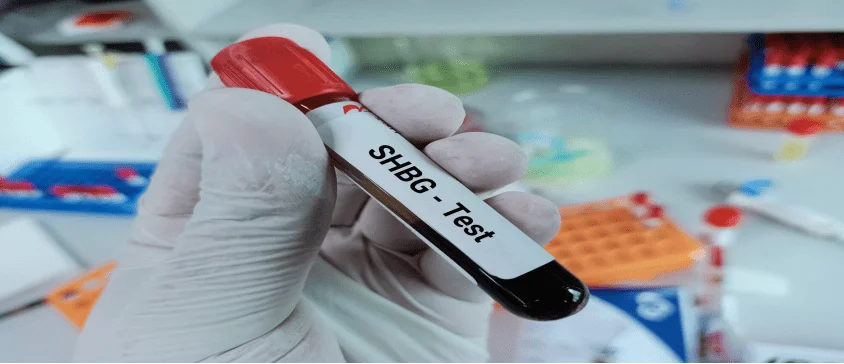
Sex hormone binding globulin (SHBG) Test Sex hormone binding globulin (SHBG) is a protein that binds to and regulates the levels of certain hormones in the blood, including testosterone and estrogen. A SHBG test measures the level of SHBG in the blood. Pre-test preparation: No special preparation is typically required for a SHBG test. Testing method: A small sample of blood is taken from a vein in the arm and sent to a laboratory for analysis. The sample is usually analyzed using a device called an immunoassay analyzer. Common symptoms for prescribing this test: A SHBG test may be ordered if a person has symptoms of a condition that affects the level of SHBG in the blood, such as infertility, menstrual irregularities, or certain types of cancer. It can also be used to evaluate androgen excess or deficiency in both men and women. Diagnosis: The results of a SHBG test are used to help diagnose and monitor a variety of conditions, including infertility, menstrual irregularities, and certain types of cancer. Elevated levels of SHBG can indicate the presence of a condition that affects the liver, such as cirrhosis, while low levels can indicate the presence of a condition that affects the thyroid or a high level of androgen such as testosterone in the blood. Reference range: The reference range for SHBG levels varies depending on the lab and the population being tested, but generally, for men it is 20-50 nmol/L and for women it is 40-150 nmol/L. Normal values: SHBG levels are normally between 20-50 nmol/L for men and 40-150 nmol/L for women. Medical disclaimer: The above information is provided for general educational purposes and is not intended to be a substitute for professional medical advice, diagnosis, or treatment. Always seek the advice of your physician or other qualified healthcare provider with any questions you may have regarding a medical condition. It is important to note that test results should be always interpreted in the context of a patient’s clinical presentation and other test results, and treatment should be determined by a healthcare professional.
Read More
Glucose Tolerance Test (GTT) A Glucose Tolerance Test (GTT) is a test that measures how well the body is able to process glucose (sugar). It is usually done to diagnose gestational diabetes or to evaluate how well treatment for diabetes is working. Pre-test preparation: You will likely be instructed to fast for 8 to 12 hours before the test. Your doctor may also advise you to avoid certain medications, such as diuretics or steroids, for a period of time before the test. Testing method: You will be given a sugary drink, and your blood glucose levels will be measured at regular intervals over a period of 2 to 3 hours.If testing for gestational diabetes, it is typically a 3-hour test in which a baseline blood sample is drawn, then a sugary drink is consumed, and blood samples are taken again at 1 hour, 2 hours and 3 hours. Common symptoms that may prompt your doctor to order a GTT include: unexplained weight loss, increased thirst, and increased urination. Diagnosis: The results of the GTT are used to diagnose diabetes or gestational diabetes. Reference range:Fasting glucose: 70-99 mg/dL1 hour after glucose load: less than 140 mg/dL2 hour after glucose load: less than 120 mg/dL3 hour after glucose load: less than 140 mg/dL Normal values may vary depending on the laboratory that performs the test. Medical disclaimer: The information provided is not intended to be a substitute for professional medical advice, diagnosis, or treatment. Always seek the advice of your physician or other qualified healthcare provider with any questions you may have regarding a medical condition. It is important to follow the instructions given by your doctor or the laboratory performing the test.
Read More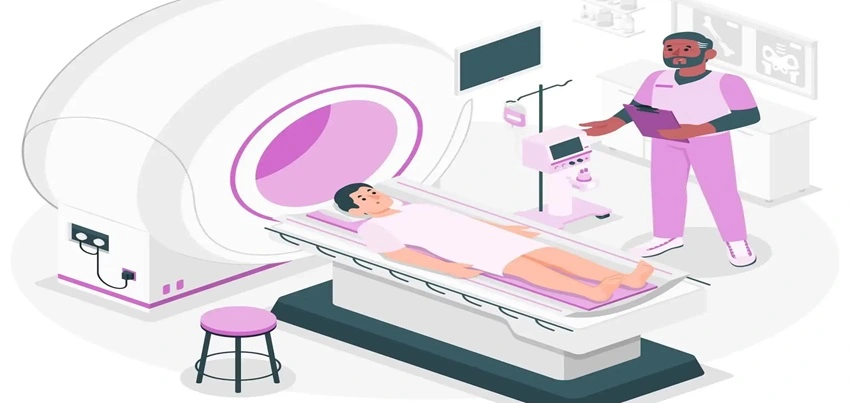
CT Scan Spiral LS (Lumbar Sacral) Spine A CT scan spiral LS (lumbar sacral) spine is a diagnostic imaging test that uses X-rays and computer technology to produce detailed images of the lower back area. This type of CT scan is particularly useful for diagnosing conditions affecting the bones, muscles, and nerves of the lower back. Before the test, patients may be asked to change into a hospital gown and remove any metal objects such as jewelry, watches, and hairpins. They may also be asked to fast or avoid certain foods and drinks for a period of time before the procedure. In some cases, patients may receive a contrast dye injection to help enhance the images of the lower back. During the CT scan spiral LS spine, the patient lies on a table that slides into a large, doughnut-shaped machine. The machine uses X-rays and computer technology to produce detailed, cross-sectional images of the lower back. The entire procedure can take anywhere from 30 minutes to an hour, depending on the complexity of the images needed. The most common symptoms that may lead to a CT scan spiral LS spine include lower back pain, numbness or tingling in the legs, and weakness in the legs. The test can help diagnose a wide range of conditions affecting the lower back, including herniated discs, spinal stenosis, and fractures. After the procedure, patients can usually resume their normal activities immediately. They may experience some discomfort or swelling around the injection site, which can be managed with pain medication and ice packs. The results of the CT scan spiral LS spine will be interpreted by a radiologist and provided to the patient’s doctor. The report will include information about any abnormalities that were found, as well as recommendations for further testing or treatment if necessary. Incorporating CT scan spiral LS spine tests into health checkups, wellness programs, and corporate health initiatives can help identify lower back conditions early on, allowing for prompt treatment and management. Additionally, regular CT scans of the lower back may be recommended for patients with a history of lower back pain or injury. In conclusion, a CT scan spiral LS spine is a diagnostic imaging test that uses X-rays and computer technology to produce detailed images of the lower back. The test can help diagnose a wide range of conditions affecting the bones, muscles, and nerves of the lower back, including herniated discs, spinal stenosis, and fractures. Patients may be asked to fast or avoid certain foods and drinks before the procedure, and a contrast dye may be used to enhance the images of the lower back. After the test, patients can usually resume their normal activities immediately. The results of the test will be interpreted by a radiologist and provided to the patient’s doctor. Regular CT scans of the lower back can be an important part of health checkups, wellness programs, and corporate health initiatives, helping to identify lower back conditions early on for prompt treatment and management.
Read More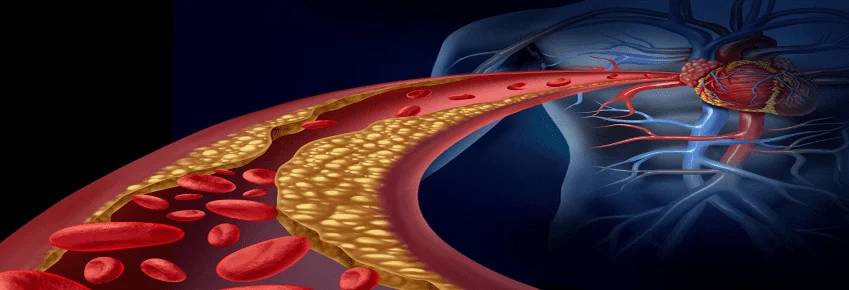
Homocysteine Test A Homocysteine test is a blood test that measures the level of homocysteine, an amino acid, in the blood. Homocysteine is not an essential amino acid, meaning it is not necessary to consume it through diet, and the body produces it by breaking down another amino acid called methionine. Pre-test preparation: There is no specific preparation required for a homocysteine test. Testing method: A small sample of blood is taken from a vein in your arm and sent to a laboratory for analysis. Common symptoms: That may prompt your doctor to order a homocysteine test include: unexplained blood clots, heart disease, stroke, and cognitive decline. Diagnosis: High levels of homocysteine in the blood are associated with an increased risk of heart disease, stroke, and other health problems. The test is used to help identify people at risk for these conditions and to monitor treatment for conditions related to homocysteine levels. Reference range: The normal range for homocysteine levels in the blood varies depending on the laboratory that performs the test, but typically ranges from 5-15 micromoles per liter (µmol/L) Normal values may vary depending on the laboratory that performs the test. Medical disclaimer: The information provided is not intended to be a substitute for professional medical advice, diagnosis, or treatment. Always seek the advice of your physician or other qualified healthcare provider with any questions you may have regarding a medical condition. It is important to follow the instructions given by your doctor or the laboratory performing the test. If you have symptoms that suggest heart disease, stroke or cognitive decline, or have been advised to have a homocysteine test, it is important to work closely with your doctor to understand the results and any further actions that may be necessary to manage your health.
Read More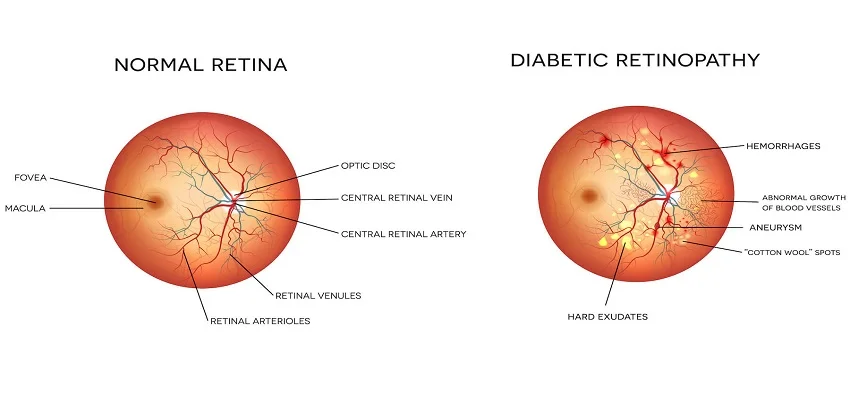
Diabetic Retinopathy Diabetic Retinopathy is a complication of diabetes that affects the retina, the light-sensitive layer at the back of the eye. It is a leading cause of blindness in adults and occurs as a result of changes in the blood vessels of the retina caused by high blood sugar levels. Symptoms of diabetic retinopathy may not be present in the early stages of the condition. As the condition progresses, symptoms may include blurred vision, floaters, and difficulty seeing at night. In more advanced stages, diabetic retinopathy may cause vision loss or blindness. The diagnosis of diabetic retinopathy is typically made through a comprehensive eye exam, including dilated fundus examination, which allows the healthcare provider to examine the retina for signs of the condition. Other tests such as Optical Coherence Tomography (OCT) and Fluorescein Angiography can also be used to diagnose diabetic retinopathy. Treatment for diabetic retinopathy can include laser therapy, which is used to seal leaking blood vessels, and injection of drugs such as anti-VEGF (vascular endothelial growth factor) that helps to reduce the growth of new blood vessels. In more advanced stages, surgery may be necessary to prevent further vision loss. The best way to prevent diabetic retinopathy is to maintain good blood sugar control, as well as blood pressure and cholesterol levels. This can be done through healthy lifestyle choices such as a well-balanced diet, regular exercise, and avoiding smoking and excessive alcohol consumption. Annual health check-ups are important for individuals with diabetes, as they can help to identify any early signs of diabetic retinopathy and allow for early intervention and treatment. Corporate health & wellness programs can also play an important role in preventing diabetic retinopathy by promoting healthy lifestyle choices and providing access to preventive care and health screenings. A healthy diet for individuals with diabetes should include plenty of fruits and vegetables, lean protein, and whole grains. It is also important to limit added sugars and saturated fats. Regular physical activity, such as walking or cycling for 30 minutes a day, can also help to improve blood sugar control and overall health. In conclusion, Diabetic Retinopathy is a complication of diabetes that affects the retina, the light-sensitive layer at the back of the eye. It is a leading cause of blindness in adults. Symptoms may not be present in the early stages of the condition, but as the condition progresses, symptoms may include blurred vision, floaters, and difficulty seeing at night. The best way to prevent diabetic retinopathy is to maintain good blood sugar control, as well as blood pressure and cholesterol levels. This can be done through healthy lifestyle choices such as a well-balanced diet, regular exercise, and avoiding smoking and excessive alcohol consumption. Annual health check-ups and corporate health & wellness programs can play an important role in preventing diabetic retinopathy by promoting healthy lifestyle choices and providing access to preventive care and health screenings.
Read More
Dementia Dementia is a progressive brain disorder characterized by a decline in cognitive abilities, including memory, language, and problem-solving skills. It is most commonly seen in older adults, but can occur in younger individuals as well. There are several different types of dementia, including Alzheimer’s disease, vascular dementia, and Lewy body dementia. Symptoms of dementia can vary depending on the type and stage of the condition, but common symptoms include memory loss, difficulty communicating, disorientation, difficulty with daily tasks, and changes in mood or behavior. As the condition progresses, individuals with dementia may also experience difficulty with coordination and mobility, and may require assistance with basic self-care. Diagnosis of dementia typically begins with a thorough medical evaluation, including a review of the individual’s medical history and a physical and neurological examination. Additional tests, such as cognitive and neuropsychological assessments, imaging studies, and laboratory tests may also be performed to help establish a diagnosis. Currently, there is no cure for dementia, and treatment options are primarily focused on managing symptoms and slowing the progression of the condition. Medications such as cholinesterase inhibitors and memantine can be prescribed to help improve cognitive function and reduce behavioral symptoms. Non-pharmacological therapies, such as occupational therapy, speech therapy and physical therapy, can also be helpful in improving quality of life and reducing the burden of care for dementia patients and their caregivers. Preventing dementia is a complex issue, and it is not fully understood. However, research suggests that maintaining a healthy lifestyle, including a balanced diet, regular physical activity, and cognitive stimulation, may help reduce the risk of developing dementia. Managing medical conditions such as high blood pressure, diabetes, and high cholesterol, can also help to reduce the risk of developing dementia. Annual health check-ups can also be an effective way to detect early signs of dementia and other cognitive decline, and discuss any concerns with a healthcare professional. Corporate health and wellness programs can also be implemented in the workplace to promote healthy habits and prevent the development of dementia among employees. In conclusion, Dementia is a progressive brain disorder characterized by a decline in cognitive abilities such as memory, language, and problem-solving skills. It is most commonly seen in older adults, but can occur in younger individuals as well. There are several different types of dementia, including Alzheimer’s disease, vascular dementia, and Lewy body dementia. Currently, there is no cure for dementia, and treatment options are primarily focused on managing symptoms and slowing the progression of the condition. Preventing dementia is a complex issue, and it is not fully understood. However, research suggests that maintaining a healthy lifestyle, including a balanced diet, regular physical activity, and cognitive stimulation, may help reduce the risk of developing dementia. Annual health check-ups and corporate health and wellness programs can also be effective in detecting early signs of dementia and preventing it.
Read More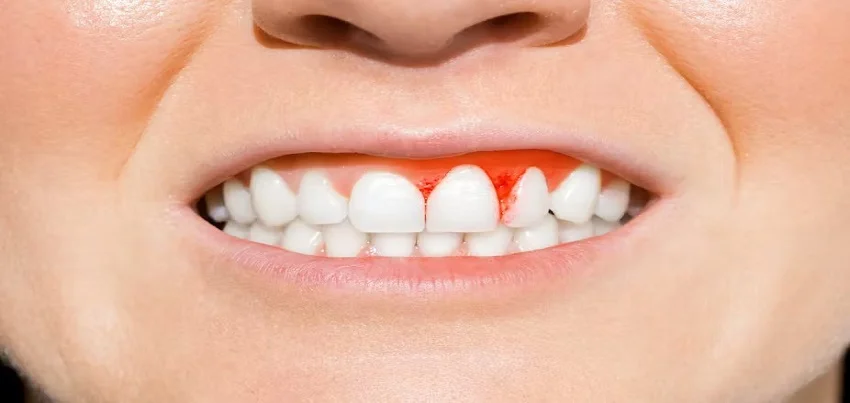
Gum Disease Gum disease, also known as periodontal disease, is a common condition that affects the gums and bones that support the teeth. It is caused by the buildup of plaque and bacteria on the teeth and gums, which leads to inflammation and infection. If left untreated, gum disease can lead to tooth loss and other serious health problems. Symptoms of gum disease include red, swollen, or bleeding gums, persistent bad breath, and loose or shifting teeth. In advanced stages of the disease, the gums may recede and the teeth may appear longer than usual. Diagnosis of gum disease is typically made through a thorough dental exam, which includes measuring the depth of the spaces (or pockets) between the gums and teeth. This is done using a small measuring instrument called a periodontal probe. X-rays may also be taken to evaluate the health of the bones supporting the teeth. Common treatment methods for gum disease include scaling and root planing, which involves cleaning the teeth and gums to remove plaque and bacteria. Antibiotics may also be prescribed to help fight infection. In advanced cases, surgery may be required to repair or replace damaged tissue. Preventing gum disease is key to maintaining good oral health. This can be done by practicing good oral hygiene, such as brushing and flossing regularly, and visiting the dentist for regular check-ups. During an annual health check-up, it is important to have a comprehensive oral examination to detect any signs of gum disease and to take steps to prevent it from occurring. Corporate health and wellness programs can also play a role in preventing gum disease by promoting good oral hygiene among employees and providing access to regular dental check-ups. Diet and exercise also play a role in preventing gum disease. A diet that is high in sugar and processed foods can increase the risk of plaque buildup and inflammation in the gums. Eating a balanced diet that is rich in fruits, vegetables, and lean proteins can help promote healthy gums. Exercise, on the other hand, can improve overall health and reduce stress, which can also have a positive impact on gum health. In conclusion, gum disease is a common condition that can lead to serious health problems if left untreated. By understanding the symptoms, getting regular check-ups and taking steps to prevent it, as well as following a healthy diet and exercise routine, it is possible to maintain good oral health and avoid the negative consequences of gum disease. Corporate health and wellness programs can also play a key role in preventing gum disease by promoting good oral hygiene and providing access to regular dental check-ups.
Read MoreTop rated products
-
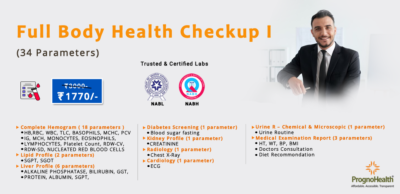 Full Body Health Checkup I
Original price was: ₹3,000.00.₹1,770.00Current price is: ₹1,770.00.
Full Body Health Checkup I
Original price was: ₹3,000.00.₹1,770.00Current price is: ₹1,770.00.
-
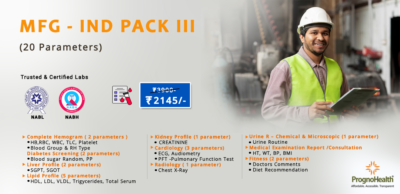 MFG IND PACK III
Original price was: ₹3,900.00.₹2,145.00Current price is: ₹2,145.00.
MFG IND PACK III
Original price was: ₹3,900.00.₹2,145.00Current price is: ₹2,145.00.
-
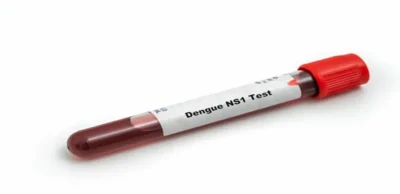 Dengue NS1 Antigen Test
₹900.00
Dengue NS1 Antigen Test
₹900.00
-
 Lipoprotein (A) Blood Test – Lp(a)
₹750.00
Lipoprotein (A) Blood Test – Lp(a)
₹750.00
-
 Healthy Life Advance Male
Original price was: ₹15,000.00.₹8,250.00Current price is: ₹8,250.00.
Healthy Life Advance Male
Original price was: ₹15,000.00.₹8,250.00Current price is: ₹8,250.00.