PrognoHealth – Corporate Health & Wellness Specialist

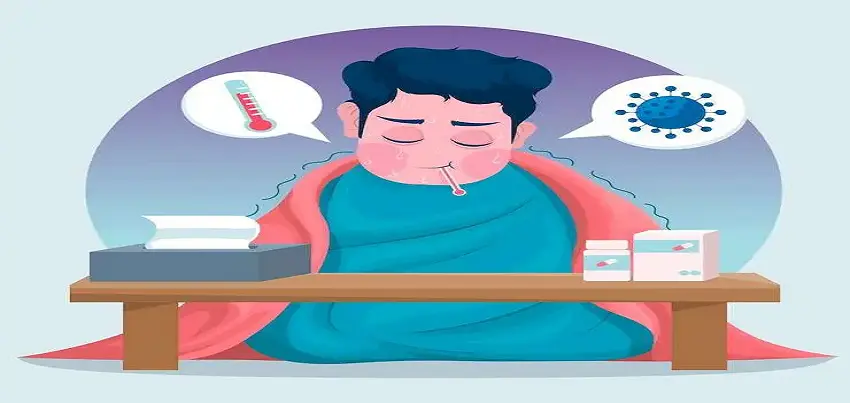
Leptospirosis Leptospirosis is a bacterial infection caused by the Leptospira bacteria. The infection is transmitted through contact with the urine of infected animals, most commonly rodents, cattle, pigs, and dogs. The bacteria can also be found in water and soil that is contaminated with animal urine. Symptoms of leptospirosis can vary but may include fever, headache, muscle pain, vomiting, jaundice, red eyes, and a rash. In severe cases, the disease can cause kidney and liver failure, meningitis, and even death. Diagnosis of leptospirosis is typically made based on the patient’s symptoms and a physical examination. Laboratory tests such as blood cultures, serological tests and urine test may also be performed to confirm the diagnosis. Common treatment methods for leptospirosis include antibiotics such as doxycycline, azithromycin and penicillin. Treatment should be started as early as possible to prevent severe complications. Hospitalization may be required if the disease is severe or complicated. To prevent leptospirosis from occurring, it is important to take measures to reduce the risk of exposure to the bacteria. This can include avoiding contact with contaminated water and soil, practicing good hygiene and wearing protective clothing and gloves when handling animals or working in areas where there is a high risk of infection. In addition, annual health check-ups are important in order to detect any signs of the disease early on. Corporate health and wellness programs can also be implemented to promote healthy lifestyles and to increase awareness about the disease. In terms of diet and exercise, it is essential to eat a balanced diet that is high in fruits and vegetables, and low in processed foods and sugar. Regular exercise, such as going for a daily walk or jog, can help to boost the immune system and reduce stress, which can make a person more susceptible to leptospirosis. It is also important to be aware of the possible risk factors and taking precautions when engaging in activities that may put you at risk of exposure to the bacteria. These include farming, fishing, swimming or wading in freshwater, working with animals and living in areas with poor sanitation. In addition to the above-mentioned preventive measures, it’s also important to have regular check-ups with a healthcare provider in order to detect any signs of leptospirosis early on. Corporate health and wellness programs can also play a major role in promoting healthy lifestyles among employees and preventing the onset of the disease by providing education and information about the disease, as well as providing protective equipment and promoting good hygiene practices. Overall, leptospirosis is a bacterial infection that can cause severe complications if left untreated. By taking measures to reduce the risk of exposure to the bacteria, practicing good hygiene and having regular check-ups, the risk of developing leptospirosis can be greatly reduced. Corporate health and wellness programs can also play a major role in promoting healthy lifestyles and increase awareness about the disease.
Read More
Leprosy Leprosy, also known as Hansen’s disease, is a chronic infectious disease caused by the bacteria Mycobacterium leprae. The disease primarily affects the skin, nerves, and mucous membranes, and can cause severe disfigurement and disability if left untreated. Symptoms of leprosy can vary depending on the type of the disease, but common symptoms include skin lesions, numbness and tingling in the hands and feet, and muscle weakness. In some cases, the disease can also cause eye problems, such as inflammation of the iris and loss of vision. Diagnosis of leprosy is typically made based on the patient’s symptoms and a physical examination. A skin biopsy may also be performed to confirm the diagnosis. In addition, a blood test called the lepromin test may be used to determine if a person has been exposed to the bacteria that causes leprosy. Common treatment methods for leprosy include a combination of antibiotics, such as dapsone and rifampin, and anti-inflammatory drugs. The duration of treatment can vary depending on the type and severity of the disease, but typically lasts between six and twelve months. To prevent leprosy from occurring, it is important to take measures to reduce the risk of exposure to the bacteria that causes the disease. This can include practicing good hygiene and avoiding close contact with people who have leprosy. In addition, annual health check-ups are important in order to detect any signs of the disease early on. Corporate health and wellness programs can also be implemented to promote healthy lifestyles and to increase awareness about the disease. In terms of diet and exercise, it is essential to eat a balanced diet that is high in fruits and vegetables, and low in processed foods and sugar. Regular exercise, such as going for a daily walk or jog, can help to boost the immune system and reduce stress, which can make a person more susceptible to leprosy. It is also important to note that leprosy is not as common as it used to be and it’s not easily transmissible. It’s mainly found in tropical or subtropical regions and people with a weakened immune system are more likely to develop the disease. In addition to the above-mentioned preventive measures, it’s also important to have regular check-ups with a healthcare provider in order to detect any signs of leprosy early on. Corporate health and wellness programs can also play a major role in promoting healthy lifestyles among employees and preventing the onset of the disease. Overall, leprosy is a chronic infectious disease that can cause severe disfigurement and disability if left untreated. By taking measures to reduce the risk of exposure to the bacteria that causes the disease, practicing good hygiene and having regular check-ups, the risk of developing leprosy can be greatly reduced. Corporate health and wellness programs can also play a major role in promoting healthy lifestyles and increase awareness about the disease.
Read More
Lichen Planus Lichen planus is a chronic autoimmune disorder that affects the skin and mucous membranes. The condition is characterized by the appearance of small, itchy, and scaly rashes on the skin and the inside of the mouth, as well as other areas of the body. The exact cause of lichen planus is not known, but it is believed to be related to an overactive immune system. Symptoms of lichen planus include itchy, raised, and scaly rashes on the skin, as well as white or grayish-white patches on the inside of the mouth. Other symptoms may include swollen and painful joints, as well as hair loss. Diagnosis of lichen planus is typically made based on the patient’s symptoms and a physical examination. A biopsy may also be performed to confirm the diagnosis. Common treatment methods for lichen planus include the use of topical corticosteroids, oral corticosteroids, and immunosuppressive drugs. In addition, over-the-counter antihistamines may be used to help relieve itching and discomfort. To prevent lichen planus from occurring, it is important to maintain a healthy diet and exercise regularly. Annual health check-ups are also important in order to detect any signs of the condition early on. Corporate health and wellness programs can also be implemented to promote healthy lifestyles among employees. In terms of diet and exercise, it is essential to eat a balanced diet that is high in fruits and vegetables, and low in processed foods and sugar. Exercising regularly, such as going for a daily walk or jog, can help to boost the immune system and reduce stress, which can trigger lichen planus. In addition to the above-mentioned preventive measures, it’s also important to have regular check-ups with a dermatologist or healthcare provider in order to detect any signs of lichen planus early on. Corporate health and wellness programs can also be implemented to promote healthy lifestyles among employees, with the goal of preventing the condition from occurring. Overall, lichen planus is a chronic autoimmune disorder that can cause significant discomfort and distress. By following a healthy diet, regular exercise and having regular check-ups, the risk of developing lichen planus can be greatly reduced. Corporate health and wellness programs can also play a major role in promoting healthy lifestyles among employees and preventing the onset of the condition.
Read More
Polycystic Ovary Syndrome (PCOS) Polycystic ovary syndrome (PCOS) is a common hormonal disorder that affects women of reproductive age. It is characterised by a number of symptoms, including irregular menstrual periods, acne, hirsutism (excessive hair growth), and obesity. In addition, women with PCOS may have difficulty getting pregnant due to ovulation problems. Symptoms of PCOS can vary from person to person, but common symptoms include:Irregular periods or no periods at allHeavy or prolonged periodsExcessive hair growth on face, chest, stomach, or thighsAcne or oily skinWeight gain or difficulty losing weightDark patches of skin on the neck, groin, or underarmsMale-pattern baldnessPelvic painInfertility PCOS is diagnosed by a combination of symptoms, physical exam, and lab tests. The most common tests include blood tests to check for hormonal imbalances, ultrasound to check for cysts on the ovaries and pelvic exam to check for other signs of the disorder. Treatment of PCOS is tailored to the individual and may include a combination of lifestyle changes, medications, and surgery. Common treatment methods include:Birth control pills or other hormonal medications to regulate menstrual periods and reduce excess hair growth.Metformin, a medication that helps regulate blood sugar levels and may help with weight loss.Inositol, a supplement that has been found to be effective in improving ovulation and reducing symptoms of PCOS.Surgery such as laparoscopic ovarian drilling (LOD) for those with severe symptoms or who are resistant to other treatments.Preventing PCOS from occurring is challenging, as the exact cause of the disorder is not known. However, maintaining a healthy lifestyle can reduce the risk of developing PCOS. This includes:Eating a healthy diet that is low in processed foods and high in fruits, vegetables, and whole grainsExercising regularly to maintain a healthy weightQuitting smokingLimiting alcohol consumptionAnnual health check-ups and corporate health & wellness programs can also play a role in preventing PCOS. These programs can help identify women who may be at risk of developing the disorder, and provide them with the necessary screenings and preventive measures. Diet and exercise are essential in managing PCOS symptoms. Eating a healthy, balanced diet that is low in processed foods and high in fruits, vegetables, and whole grains can help regulate blood sugar levels and promote weight loss. Regular exercise can also help improve insulin sensitivity, reduce inflammation and improve overall health. In conclusion, PCOS is a common hormonal disorder that affects women of reproductive age. It is characterized by a number of symptoms, including irregular menstrual periods, acne, hirsutism and obesity. Treatment of PCOS is tailored to the individual and may include a combination of lifestyle changes, medications, and surgery. Maintaining a healthy lifestyle, eating a healthy diet and regular exercise can help reduce the risk of developing PCOS. Annual health check-ups and corporate health & wellness programs can also play a role in preventing PCOS by identifying women who may be at risk of developing the disorder and providing them with the necessary screenings and preventive measures.
Read More
Hypervitaminosis A Hypervitaminosis A, also known as vitamin A toxicity, is a condition that occurs when there is an excessive intake of vitamin A. This can lead to a variety of symptoms, including dry skin, hair loss, and liver damage. It is important to be aware of the signs and symptoms of hypervitaminosis A, as well as the methods for diagnosis and treatment, in order to prevent and manage this condition. Symptoms of hypervitaminosis A include:Dry skinHair lossHeadachesNausea and vomitingFatigueBone and joint painBlurred visionDizzinessLiver damageTo diagnose hypervitaminosis A, a healthcare provider will perform a physical examination and take a detailed medical history, including any over-the-counter or prescription medications, supplements, and vitamins that the individual is taking. Blood tests, including liver function tests and retinol (vitamin A) levels, will also be done. Common treatment methods for hypervitaminosis A include:Discontinuing the use of vitamin A supplements or medicationsSupportive care: This may include IV fluids and electrolyte replacement if there’s severe dehydration or electrolyte imbalances.Medications to manage symptoms such as pain and nauseaMonitoring liver function, if liver damage is suspected To prevent hypervitaminosis A, it’s important to not exceed the recommended daily intake of vitamin A. The Recommended Dietary Allowance (RDA) for vitamin A is 900 mcg/day for men and 700 mcg/day for women. It’s also important to be aware of the vitamin A content in supplements and medications, and to avoid taking multiple products that contain vitamin A. Diet and exercise can also play a role in preventing hypervitaminosis A. Eating a healthy diet that includes a variety of fruits and vegetables, lean protein, and whole grains can help to ensure that you are getting the necessary vitamins and minerals without excessive intake of any one nutrient. Regular exercise can also help to improve overall health and well-being, and can reduce the risk of chronic health conditions that may contribute to hypervitaminosis A. Annual health check-ups and corporate health & wellness programs can be beneficial in identifying and preventing hypervitaminosis A. These programs can include regular blood tests to check for vitamin A levels, and other health screenings and assessments that can help to identify any underlying health issues that may be contributing to hypervitaminosis A. Additionally, corporate health & wellness programs can provide employees with resources and support to help them make healthier lifestyle choices and improve their overall health and well-being. In conclusion, Hypervitaminosis A is a condition caused by excessive intake of Vitamin A. It can cause symptoms such as dry skin, hair loss, and liver damage. Discontinuing the use of Vitamin A supplements or medications, supportive care, and monitoring liver function are some of the common treatment methods. To prevent Hypervitaminosis A, one should not exceed the recommended daily intake of Vitamin A, be aware of Vitamin A content in supplements and medications and avoid taking multiple products that contain Vitamin A. Eating a healthy diet, regular exercise, and annual health check-ups and corporate health & wellness programs can also be beneficial in preventing and managing Hypervitaminosis A
Read More
IMPORTANCE OF HEALTH CHECK UP FOR CORPORATE EMPLOYEES AND HR MANAGERS At PrognoHealth,
Read More
What Is A Full Body Health Checkup & Why It Is Important? We All Know The Famous Adage: Prevention Is Better Than Cure People need to take care of their health right from a young age, so they don’t undergo serious health problems later in life.
Read More
CT Scan Spiral Thoracic Spine A CT Scan Spiral Thoracic Spine is a diagnostic medical test that uses X-rays to create detailed images of the thoracic spine, which is the area of the spine located between the neck and the lower back. This test can help diagnose a wide range of conditions affecting the thoracic spine, such as herniated discs, spinal stenosis, fractures, tumors, and other abnormalities. In this article, we will discuss the various aspects of a CT Scan Spiral Thoracic Spine, including the test procedure, preparation, common symptoms, time taken for the test, result interpretation, and its importance in corporate health wellness packages. Test Procedure: During a CT Scan Spiral Thoracic Spine, the patient lies down on a table that slides into a cylindrical machine. The machine uses X-rays to take multiple images of the thoracic spine from different angles. These images are processed by a computer to create a detailed 3D image of the spine. The entire process takes around 30-45 minutes. Test Preparation: Before a CT Scan Spiral Thoracic Spine, patients may be asked to avoid eating or drinking for several hours before the test. Patients may also be asked to remove any metal objects, jewelry, or clothing that might interfere with the X-rays. In some cases, patients may need to drink a contrast solution before the test to help highlight certain structures in the thoracic spine. Common Symptoms for Ordering the Test: A CT Scan Spiral Thoracic Spine is usually ordered by doctors when a patient has symptoms such as back pain, numbness or tingling in the arms or legs, weakness in the limbs, or other signs of a possible thoracic spine condition. The test may also be ordered to evaluate the extent of an injury or to monitor the progression of a known condition, such as a tumor. Time Taken for the Test and its Results Interpretation: A CT Scan Spiral Thoracic Spine usually takes around 30-45 minutes. The images generated by the test are interpreted by a radiologist, who will then provide a report to the referring physician. The report will contain information about any abnormalities found in the thoracic spine, as well as recommendations for further treatment or testing if necessary. Importance in Corporate Health Wellness Packages: A CT Scan Spiral Thoracic Spine can be an important component of a corporate health wellness package. By offering this test to employees, companies can help identify potential health issues early, which can lead to more effective treatment and better outcomes. Additionally, offering health screenings and tests can help improve employee morale and productivity by demonstrating that the company is invested in the well-being of its employees. In conclusion, a CT Scan Spiral Thoracic Spine is a valuable diagnostic tool that can help diagnose and evaluate a range of conditions affecting the thoracic spine. The test is generally non-invasive, although some patients may need to drink a contrast solution before the test. If you are experiencing symptoms such as back pain, numbness or tingling in the arms or legs, or weakness in the limbs, talk to your doctor about whether a CT Scan Spiral Thoracic Spine may be appropriate for you. Additionally, if you are a business owner or HR professional, consider offering health screenings and tests, such as a CT Scan Spiral Thoracic Spine, as part of your corporate wellness program to promote the health and well-being of your employees.
Read More
Heterophoria Heterophoria is a condition in which the eyes are not properly aligned with each other. This can cause a variety of symptoms, including headaches, fatigue, and double vision. It is important to be aware of the signs and symptoms of heterophoria, as well as the methods for diagnosis and treatment, in order to prevent and manage this condition. Symptoms of heterophoria include:HeadachesFatigueDouble visionBlurred visionEye strainNeck and shoulder painDifficulty focusing or maintaining clear vision To diagnose heterophoria, an eye care professional will perform a variety of tests, including:Cover test: This test involves covering one eye and then the other to check for any misalignment of the eyes.Binocular vision test: This test measures the ability of the eyes to work together as a team.Visual acuity test: This test measures the sharpness of vision.Stereopsis test: This test measures the ability to perceive depth and 3D images. Common treatment methods for heterophoria include:Eyeglasses or contact lenses: These can help to align the eyes and reduce symptoms.Vision therapy: This involves a series of exercises and activities to help improve the alignment and coordination of the eyes. Surgery: In some cases, surgery may be necessary to correct the alignment of the eyes. In addition to these treatment methods, there are also steps that can be taken to prevent heterophoria from occurring. These include:Having regular eye exams: This can help to identify any issues with the alignment of the eyes early on, before they become a bigger problem.Practising good eye care: This includes things like taking regular breaks when working on a computer or other digital device, and practising good posture to reduce strain on the eyes.Diet and exercise can also play a role in preventing heterophoria. Eating a healthy diet that is rich in fruits and vegetables, and that is low in sugar and processed foods, can help to promote overall eye health. Regular exercise can also help to improve the alignment and coordination of the eyes, and can also help to reduce stress and tension, which can contribute to heterophoria. Annual health check-ups and corporate health & wellness programs are great ways to ensure that individuals are taking the necessary steps to prevent and manage heterophoria. These programs can include regular eye exams, as well as other health screenings and assessments, such as blood pressure and cholesterol checks, that can help to identify any underlying health issues that may be contributing to heterophoria. Additionally, corporate health & wellness programs can provide employees with resources and support to help them make healthier lifestyle choices and improve their overall health and well-being. In conclusion, Heterophoria is an eye disorder which results in misalignment of eyes. It can cause various symptoms such as headaches, fatigue, and double vision. Regular eye exams, good eye care, healthy diet and exercise are some of the ways to prevent and manage Heterophoria. Annual health check-ups and corporate health & wellness programs can be beneficial in identifying and preventing the disorder. It is essential to be aware of the signs and symptoms of heterophoria and seek professional help if any of them are noticed.
Read More
Hand, Foot And Mouth Disease (HFMD) Hand, foot and mouth disease (HFMD) is a common viral infection that primarily affects young children, but it can also occur in adults. It is characterized by the development of sores in the mouth and a rash on the hands and feet. The symptoms of HFMD can include fever, sore throat, loss of appetite, and fatigue. The telltale signs of the disease are the small, red blisters that appear on the tongue, gums, inside of the cheeks, and on the palms of the hands and soles of the feet. These blisters can be painful and may cause discomfort when eating or walking. To diagnose HFMD, a doctor will typically perform a physical examination and may ask questions about the person’s symptoms and medical history. In some cases, a doctor may also perform laboratory tests, such as a blood test or a throat swab, to confirm the diagnosis. Treatment for HFMD is typically focused on relieving symptoms. This may include over-the-counter pain relievers, such as ibuprofen or acetaminophen, to alleviate fever and pain. In some cases, antiviral medications may also be prescribed. Additionally, it’s important to drink plenty of fluids to stay hydrated and get plenty of rest to help the body recover. To prevent the spread of HFMD, it’s important to practise good hygiene. This includes washing hands frequently with soap and water, especially after coming into contact with someone who has the disease, and avoiding close contact with people who are sick. It’s also important to keep surfaces and objects clean by disinfecting them regularly. Incorporating annual health check-ups and corporate health & wellness programs can also help to prevent the spread of HFMD. This can include educating employees on good hygiene practices, promoting regular hand washing, and providing information about the disease and its symptoms. Additionally, encouraging employees to stay home if they are feeling sick can help to prevent the spread of the disease in the workplace. Eating a healthy diet and getting regular physical activity can also help to prevent the spread of HFMD. A diet rich in fruits and vegetables can boost the immune system and help the body fight off infection. Additionally, regular physical activity can improve overall health and reduce the risk of infection. In conclusion, Hand, Foot and Mouth Disease (HFMD) is a common viral infection that primarily affects young children, but it can also occur in adults. By recognizing the symptoms, being aware of the diagnosis and treatment methods, practising good hygiene and incorporating annual health check-ups and corporate health & wellness programs can help prevent the spread of the disease. Additionally, eating a healthy diet and getting regular physical activity can also boost the immune system and reduce the risk of infection.
Read MoreTop rated products
-
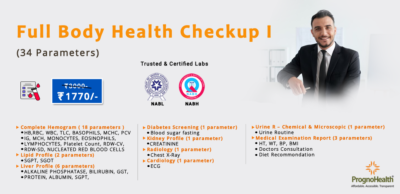 Full Body Health Checkup I
Original price was: ₹3,000.00.₹1,770.00Current price is: ₹1,770.00.
Full Body Health Checkup I
Original price was: ₹3,000.00.₹1,770.00Current price is: ₹1,770.00.
-
 MFG IND PACK III
Original price was: ₹3,900.00.₹2,145.00Current price is: ₹2,145.00.
MFG IND PACK III
Original price was: ₹3,900.00.₹2,145.00Current price is: ₹2,145.00.
-
 Dengue NS1 Antigen Test
₹900.00
Dengue NS1 Antigen Test
₹900.00
-
 Lipoprotein (A) Blood Test – Lp(a)
₹750.00
Lipoprotein (A) Blood Test – Lp(a)
₹750.00
-
 Healthy Life Advance Male
Original price was: ₹15,000.00.₹8,250.00Current price is: ₹8,250.00.
Healthy Life Advance Male
Original price was: ₹15,000.00.₹8,250.00Current price is: ₹8,250.00.