PrognoHealth – Corporate Health & Wellness Specialist

Intrauterine Growth Restriction (IUGR) Intrauterine growth restriction (IUGR) is a condition in which a fetus does not grow at the normal rate during pregnancy. It is usually diagnosed when a fetus is smaller in size than expected for their gestational age. This can be caused by a number of factors such as chromosomal abnormalities, placental insufficiency, maternal health issues or poor nutrition. Symptoms of IUGR may not be apparent in the mother, but it is usually diagnosed during routine prenatal care through ultrasound. The ultrasound will show that the fetus is smaller than expected for their gestational age, and the amniotic fluid may also be reduced. To diagnose IUGR, a doctor will typically perform a physical examination and take a medical history. Additional tests may include ultrasound to measure the size of the fetus and the amount of amniotic fluid, Doppler ultrasound to assess blood flow to the placenta and fetus, and non-stress test to monitor the fetal heart rate. Common treatment methods for IUGR include close monitoring of the pregnancy through ultrasound and non-stress test, and in some cases, the mother may be put on bed rest to reduce stress on the fetus. If IUGR is caused by a problem with the placenta, the mother may also be given medication to improve blood flow to the fetus. In severe cases, the baby may need to be delivered early to ensure the best outcome. To prevent IUGR, it is important to maintain a healthy lifestyle before and during pregnancy. This includes eating a balanced diet, getting regular exercise, and avoiding smoking, alcohol and drugs. It’s also important to keep any chronic medical conditions under control such as diabetes, hypertension and autoimmune disorders. Annual health check-ups and corporate health & wellness programs can also play a role in preventing IUGR by helping individuals to identify and address health risks before conception. These programs can also provide education and resources to help individuals make lifestyle changes that can improve their chances of having a healthy pregnancy. Diet and exercise also play a crucial role in preventing IUGR. Eating a diet that is rich in fruits, vegetables, and whole grains and maintaining a healthy weight can help to ensure optimal nutrition for the mother and the baby. Regular exercise can also improve overall health and reduce the risk of certain pregnancy complications. It’s also important to address any risk factors that might affect the health of the placenta and the fetus, such as exposure to environmental toxins, certain medications, or chronic infections. It’s important to work closely with your doctor to identify any potential sources of exposure and take steps to avoid or mitigate them. Incorporating annual health check-ups and corporate health & wellness programs can also be very helpful in preventing IUGR. These programs can help to identify individuals who may be at risk of developing the condition and provide them with the necessary education and resources to make lifestyle changes to prevent it. Overall, Intrauterine growth restriction (IUGR) is a serious condition that can have a significant impact on the health of both the mother and the baby. By maintaining a healthy lifestyle, participating in annual health check-ups and corporate health & wellness programs, and being aware of environmental factors that can negatively impact the pregnancy, individuals can reduce their risk of developing the condition and improve their chances of having a healthy pregnancy and baby.
Read More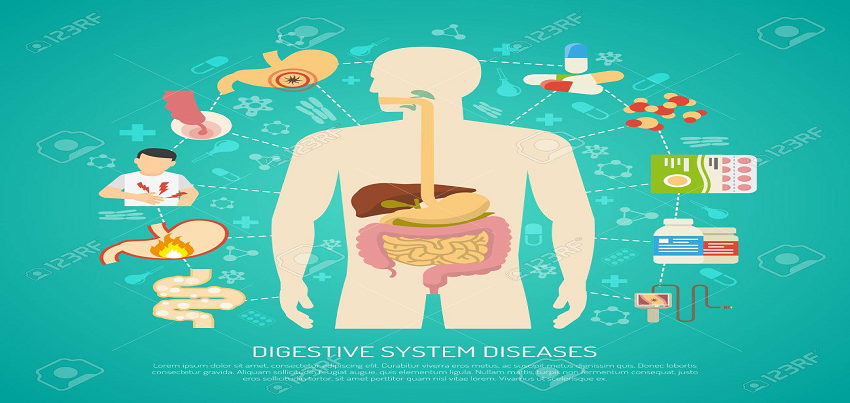
Inflammatory Bowel Disease (IBD) Inflammatory Bowel Disease (IBD) is a group of chronic inflammatory conditions that affect the digestive tract. The two most common forms of IBD are Crohn’s disease and ulcerative colitis. Both conditions cause inflammation and ulceration in the lining of the gut, leading to a wide range of symptoms. The symptoms of IBD can vary depending on the type of disease and the location of the inflammation. Some common symptoms include abdominal pain, diarrhea, rectal bleeding, weight loss, and fever. Other symptoms that may occur include fatigue, anemia, and skin rashes. In some cases, the disease can also lead to complications such as bowel obstruction, fistulas, and anal fissures. Diagnosis of IBD typically begins with a physical examination and a review of the patient’s medical history. This may be followed by a series of tests, such as blood tests, stool tests, and imaging studies. A colonoscopy or endoscopy may also be performed to visualize the inside of the gut and to take biopsies of the affected tissue. Common treatment methods for IBD include medications, surgery, and lifestyle changes. Medications such as aminosalicylates, corticosteroids, and immunomodulators are often used to reduce inflammation and improve symptoms. Surgery may be required in some cases to remove the affected portion of the gut or to repair complications. Preventing IBD from occurring is not possible, as the exact cause of the disease is not known. However, there are steps that can be taken to manage the symptoms and prevent complications. One of the most important things you can do to prevent IBD is to maintain a healthy diet and exercise regularly. Eating a diet rich in fruits, vegetables, and lean protein can help to keep your gut healthy, while regular exercise can help to improve circulation and promote healthy digestion. Another way to prevent IBD is by incorporating annual health check-ups in your routine. An annual health check-up can help to identify any potential health concerns early on and allow for prompt treatment. Corporate health & wellness programs can also help to promote healthy lifestyle habits among employees, which can reduce the risk of IBD. In addition to diet and exercise, there are also certain foods and supplements that may help to prevent IBD. For example, foods that are high in fiber, such as fruits, vegetables, and whole grains, can help to keep the gut healthy and reduce inflammation. Supplements such as omega-3 fatty acids and probiotics may also be beneficial for preventing IBD. In conclusion, Inflammatory Bowel Disease (IBD) is a group of chronic inflammatory conditions that affect the digestive tract. It has various forms, symptoms, and complications. There are various treatment methods and preventions that can be done to manage the symptoms and prevent complications. Incorporating annual health check-ups, a healthy diet and exercise, and corporate health & wellness programs are the best ways to prevent it. Certain foods and supplements may also be beneficial in preventing IBD. If you suspect you have IBD, it is important to see a gastroenterologist for proper diagnosis and treatment. It is also important to be aware that IBD is a chronic condition and requires long-term management and monitoring.
Read More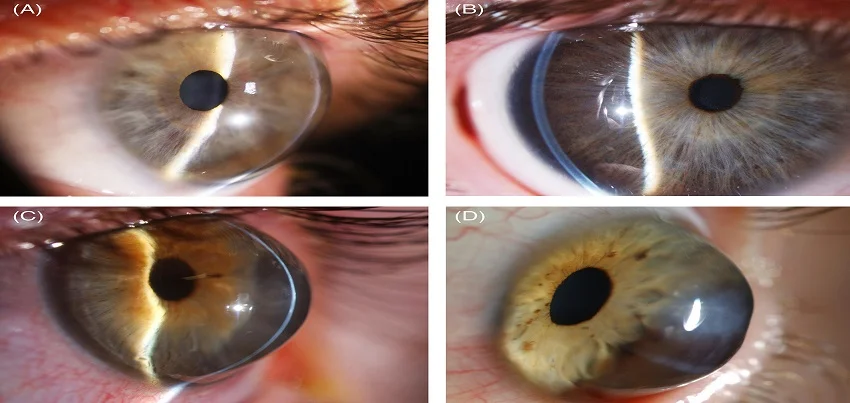
Keratoglobus Keratoglobus is a rare, congenital, and non-inflammatory disorder characterized by a thin, globular, and protruding cornea, which is the clear front part of the eye. It is a bilateral condition which affects both eyes and can cause significant visual impairment. Symptoms of keratoglobus typically include decreased visual acuity, glare and halos around lights, and increased sensitivity to light. In advanced cases, it can cause scarring of the cornea, vision loss and a need for corneal transplant. Diagnosis of Keratoglobus is typically made by an eye doctor during a comprehensive eye exam. This may include visual acuity test, refraction test, corneal topography, and corneal thickness measurement. Common treatment options for Keratoglobus include eyeglasses or contact lenses to correct vision, and in some cases, corneal collagen cross-linking (CXL) which strengthens the cornea, or even corneal transplantation. Currently, there is no known way to prevent Keratoglobus from occurring, as it is a congenital disorder. However, early detection and treatment can help slow the progression of the disease and preserve vision. Annual health check-ups and corporate health & wellness programs can play an important role in the early detection and management of Keratoglobus. A comprehensive eye exam as a part of a routine check-up can help detect the early signs of the disease, and prompt referral to a specialist can help slow the progression of the disease. Corporate health & wellness programs can also promote healthy lifestyle habits, such as regular exercise and a balanced diet, which can benefit the overall health and may have a positive impact on eye health. It is important to note that diet and exercise do not have any known direct impact on preventing Keratoglobus as it is a congenital disorder. However, maintaining a healthy diet and regular exercise can have a positive impact on overall health and well-being, which can benefit the eyes as well. In conclusion, Keratoglobus is a rare and congenital disorder characterized by a thin, globular, and protruding cornea. It can cause significant visual impairment, but early detection and treatment can help slow the progression of the disease and preserve vision. Annual health check-ups and corporate health & wellness programs can play an important role in the early detection and management of Keratoglobus. Although diet and exercise do not have any direct impact on preventing Keratoglobus, maintaining a healthy lifestyle can have a positive impact on overall health and well-being.
Read More
Keratoconus Keratoconus is a degenerative eye condition that affects the cornea, the clear front surface of the eye. It causes the cornea to become thin and cone-shaped, which can lead to distorted vision, glare and sensitivity to light. Keratoconus typically begins in adolescence and progresses gradually over time. Symptoms of Keratoconus can include blurred vision, distorted vision, sensitivity to light, and frequent changes in the prescription of glasses or contact lenses. In advanced stages, it can cause scarring of the cornea, vision loss and a need for corneal transplant. Diagnosis of Keratoconus is typically made by an eye doctor during a comprehensive eye exam. This may include visual acuity test, refraction test, corneal topography, and corneal thickness measurement. Common treatment options for Keratoconus include eyeglasses or contact lenses to correct vision, Intacs (plastic inserts) and cross-linking (a procedure that strengthens the cornea). In advanced cases, a corneal transplant may be necessary. Currently, there is no known way to prevent Keratoconus from occurring, but early diagnosis and treatment can help slow the progression of the disease and preserve vision. Annual health check-ups and corporate health & wellness programs can play an important role in the early detection and management of Keratoconus. A comprehensive eye exam as a part of a routine check-up can help detect the early signs of the disease, and prompt referral to a specialist can help slow the progression of the disease. Corporate health & wellness programs can also promote healthy lifestyle habits, such as regular exercise and a balanced diet, which can benefit the overall health and may have a positive impact on eye health. Diet and exercise also play an important role in maintaining overall health, which can help to protect the eyes from disease. A diet that is rich in fruits and vegetables, lean protein, and whole grains can help to protect the eyes from damage. Exercise, particularly cardio and strength training, can also help to protect the eyes by improving circulation and reducing the risk of chronic diseases such as diabetes, which can lead to eye problems. In conclusion, Keratoconus is a degenerative eye condition that can cause distorted vision and sensitivity to light. Although there is no known way to prevent it, early diagnosis and treatment can help slow its progression and preserve vision. Regular eye exams, healthy lifestyle habits and corporate health & wellness programs can all play a role in the management and prevention of Keratoconus.
Read More
Kyasanur Forest Disease Kyasanur Forest disease, also known as monkey fever, is a tick-borne viral illness that is most commonly found in the forests of South India. The disease is caused by the Kyasanur Forest virus and is transmitted to humans through the bite of infected ticks. The symptoms of the disease usually appear 3-7 days after the tick bite and can include fever, headache, muscle pain, vomiting, and bleeding from the nose and gums. In severe cases, the disease can lead to neurological complications and even death. Diagnosis of Kyasanur Forest disease is typically based on the patient’s symptoms, travel history, and the results of laboratory tests such as ELISA, PCR and virus isolation. Common treatment methods for the disease include supportive care, such as fluid and electrolyte replacement, as well as antiviral drugs. In severe cases, hospitalization may be necessary. To prevent the occurrence of Kyasanur Forest disease, it is important to take precautions when spending time in areas where the disease is known to occur. This includes using tick repellents, wearing long sleeves and pants, and avoiding tall grass and dense underbrush. In addition to taking preventative measures, annual health check-ups and corporate health & wellness programs can also play an important role in preventing Kyasanur Forest disease. Regular check-ups can help identify any potential health risks and provide early treatment if necessary. Corporate health & wellness programs can also help promote healthy lifestyle habits, such as regular exercise and a balanced diet, which can help boost the immune system and reduce the risk of contracting the disease. Diet and exercise also play an important role in preventing Kyasanur Forest disease. Eating a diet that is rich in fruits and vegetables, lean protein, and whole grains can help boost the immune system and reduce the risk of contracting the disease. Regular exercise, such as brisk walking or cycling, can also help improve overall health and reduce the risk of contracting the disease. Overall, preventing Kyasanur Forest disease requires a combination of preventative measures, regular check-ups, and healthy lifestyle habits. By taking these steps, individuals and organizations can help reduce the risk of contracting the disease and protect their overall health and well-being.
Read More
Scabies Scabies is a highly contagious skin condition caused by the infestation of the human itch mite (Sarcoptes scabiei). The mites burrow into the skin and lay eggs, leading to intense itching and a rash. Scabies is most common in crowded living conditions and can easily spread through close physical contact. Symptoms of scabies typically appear 2-6 weeks after the infestation and include intense itching, especially at night, a pimple-like rash, and burrows or lines on the skin. The rash and burrows are most commonly found on the hands, wrists, and between the fingers, but can also occur on other parts of the body. Diagnosis of scabies is often based on the symptoms and a physical examination of the skin. A dermatologist may use a magnifying lens to look for the mites, eggs, or fecal matter. Scraping or burrow ink tests can also be done to confirm the diagnosis. Treatment for scabies typically involves the use of prescription medicated creams or lotions, such as permethrin or lindane. These medications are applied to the entire body, including the scalp and nails, and left on for a prescribed amount of time before being washed off. Oral medications may also be prescribed in some cases. It is essential to follow the treatment as prescribed by the doctor and repeat it if needed. To prevent scabies from occurring, it’s important to practice good personal hygiene and avoid close contact with infected individuals. Keeping living areas clean and washing bedding, clothing, and towels in hot water and dry on high heat can help prevent the spread of the mites. Annual health check-ups can also help to detect and prevent scabies. A dermatologist can examine the skin and identify any symptoms of scabies or other skin conditions that may put an individual at risk. Corporate health and wellness programs can also play a role in preventing scabies by promoting good hygiene practices and educating employees on how to identify and prevent the spread of scabies. Diet and exercise do not have a direct effect on preventing scabies, as it is primarily a skin condition caused by an infestation of mites. However, a healthy diet and regular exercise can help to boost the immune system, which can help an individual to recover faster after scabies treatment. In conclusion, Scabies is a highly contagious skin condition that can cause severe itching and a rash. It can be treated with prescription medicated creams or lotions, but it’s important to practice good personal hygiene and avoid close contact with infected individuals to prevent it from occurring. Annual health check-ups and corporate health and wellness programs can also play a role in preventing scabies. While diet and exercise do not have a direct effect on preventing scabies, it can aid in recovering faster after treatment.
Read More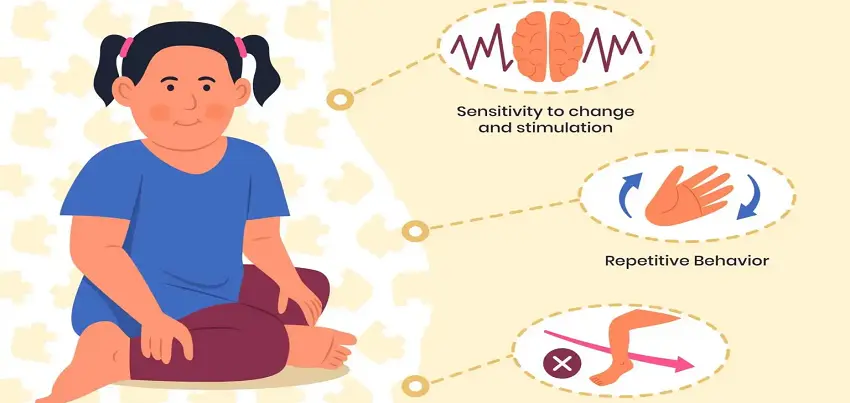
Turner Syndrome Turner Syndrome is a genetic disorder that affects only females and is caused by a missing or incomplete copy of the X chromosome. It is a relatively rare condition, affecting about 1 in 2,500 live female births. Symptoms of Turner Syndrome can vary, but they may include short stature, webbed neck, low hairline, and a broad chest. Other symptoms may include delayed onset of puberty, infertility, and cardiovascular problems. Some girls with Turner Syndrome may also have learning difficulties, attention-deficit hyperactivity disorder (ADHD), and difficulty with social interactions. Diagnosis of Turner Syndrome typically begins with a physical examination and a review of the patient’s medical history. Additional diagnostic tests may include a chromosomal analysis, an ultrasound of the heart and blood vessels, and an assessment of cognitive and developmental abilities. There is no cure for Turner Syndrome, but treatment options are available to manage symptoms and prevent complications. Treatment may include growth hormone therapy to help girls with Turner Syndrome reach a normal height, and estrogen therapy to induce puberty and promote healthy bone development. Surgery may also be used to correct any physical abnormalities. There is no known way to prevent Turner Syndrome. However, early detection and treatment can help manage symptoms and prevent complications. Annual health check-ups and corporate health and wellness programs are important to help identify and diagnose Turner Syndrome early. A healthy diet and regular exercise are important for overall health, and can help prevent some of the health complications associated with Turner Syndrome. Eating a diet rich in fruits, vegetables, lean protein and whole grains, and reducing salt and sugar intake can help lower blood pressure and improve cardiovascular health. Regular exercise can also help maintain healthy bones, improve cardiovascular health, and improve overall well-being. In conclusion, Turner Syndrome is a genetic disorder that affects only females and is caused by a missing or incomplete copy of the X chromosome. It can be diagnosed through physical examination and genetic testing. While there is no cure for Turner Syndrome, treatment options are available to manage symptoms and prevent complications. Annual health check-ups and corporate health and wellness programs can help identify and diagnose Turner Syndrome early and a healthy diet and regular exercise can help prevent some of the health complications associated with Turner Syndrome.
Read More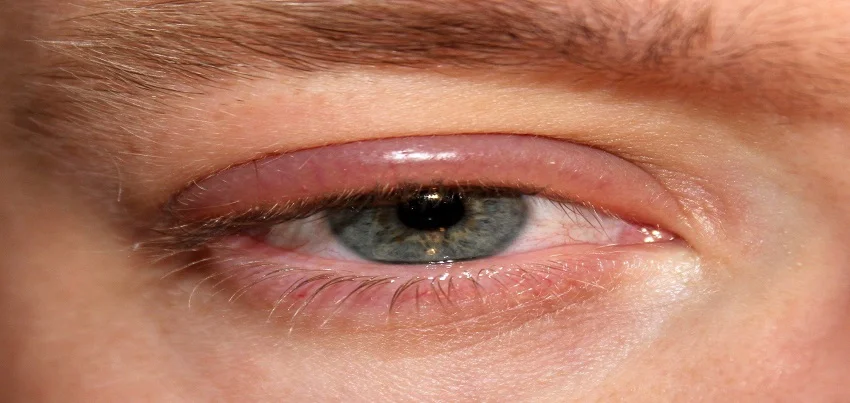
Blepharitis is a common eye condition characterized by inflammation of the eyelids. It typically affects the area where
Read More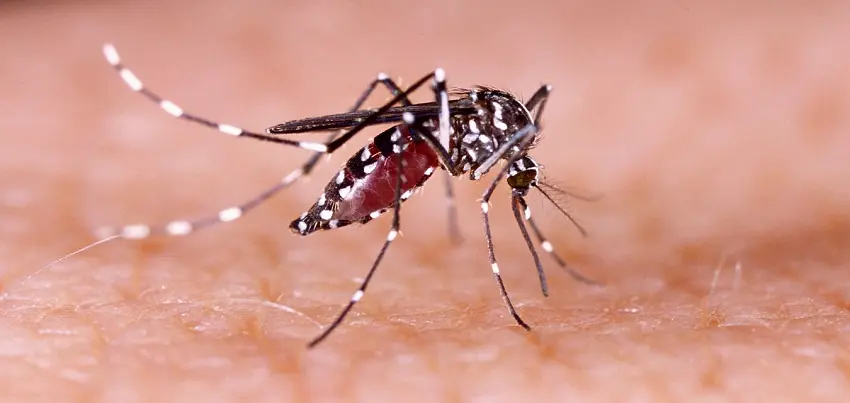
Dengue, a mosquito-borne viral disease, poses a significant health risk globally, including India. By understanding the origins of this silent threat, we can better equip ourselves with knowledge
Read More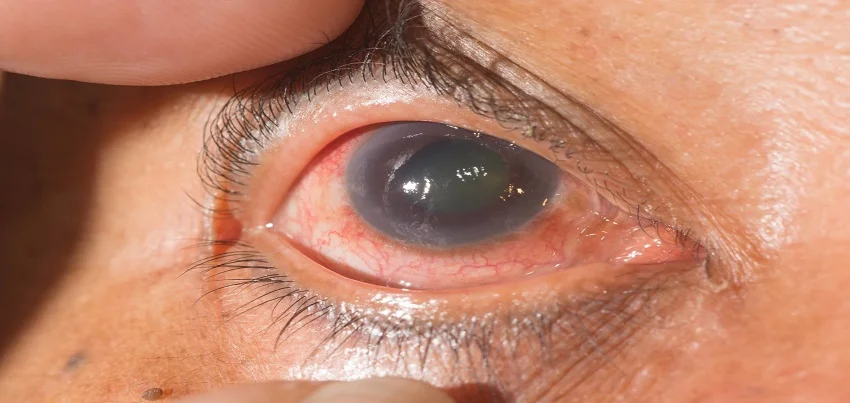
Glaucoma Glaucoma is a group of eye diseases that can damage the optic nerve and lead to vision loss or blindness. It is often referred to as the “silent thief of sight” because it often has no symptoms in its early stages, and it can progress slowly over time. Symptoms of glaucoma include gradual loss of peripheral vision, tunnel vision, and blindness in the advanced stages. However, it’s important to note that these symptoms may not appear until significant damage has already occurred. This is why regular eye exams and annual health check-ups are crucial for early detection and treatment. There are several tests that can be used to diagnose glaucoma, including measuring the intraocular pressure (IOP) inside the eye, examining the optic nerve, and performing visual field tests to check for peripheral vision loss. Common treatment methods for glaucoma include medication, laser therapy, and surgery. Medications, such as eye drops, can help to reduce the pressure inside the eye and slow the progression of the disease. Laser therapy can also be used to reduce the pressure inside the eye, and surgery can be used to create a new drainage channel for fluid to flow out of the eye. Preventing glaucoma from occurring is difficult, as the exact cause is not yet known. However, certain risk factors have been identified, including age, family history, high blood pressure, and certain eye conditions. People with these risk factors should be especially vigilant about getting regular eye exams and annual health check-ups. In addition to regular check-ups, a healthy diet and regular exercise can also help to reduce the risk of developing glaucoma. Eating a diet that is rich in fruits, vegetables, and whole grains can help to lower blood pressure and reduce the risk of developing the disease. Regular physical activity, such as walking or cycling, can also help to lower blood pressure and improve overall health. Corporate health and wellness programs can play a key role in preventing glaucoma and other chronic diseases by encouraging regular eye exams and annual health check-ups. These programs can also promote healthy lifestyle behaviors, such as regular exercise and a healthy diet, which can help to reduce the risk of developing the disease. In conclusion, glaucoma is a serious eye disease that can lead to vision loss and blindness if left untreated. Regular eye exams and annual health check-ups are crucial for early detection and treatment. Common treatment methods include medication, laser therapy, and surgery. While preventing glaucoma from occurring is difficult, certain lifestyle changes such as regular exercise, healthy diet, and regular check-ups can help to reduce the risk of developing the disease. Corporate health and wellness programs can also play a key role in preventing glaucoma by encouraging regular check-ups and healthy lifestyle behaviors.
Read MoreTop rated products
-
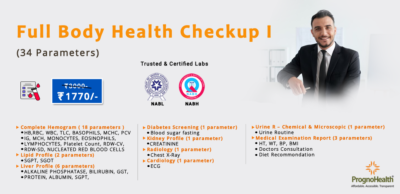 Full Body Health Checkup I
Original price was: ₹3,000.00.₹1,770.00Current price is: ₹1,770.00.
Full Body Health Checkup I
Original price was: ₹3,000.00.₹1,770.00Current price is: ₹1,770.00.
-
 MFG IND PACK III
Original price was: ₹3,900.00.₹2,145.00Current price is: ₹2,145.00.
MFG IND PACK III
Original price was: ₹3,900.00.₹2,145.00Current price is: ₹2,145.00.
-
 Dengue NS1 Antigen Test
₹900.00
Dengue NS1 Antigen Test
₹900.00
-
 Lipoprotein (A) Blood Test – Lp(a)
₹750.00
Lipoprotein (A) Blood Test – Lp(a)
₹750.00
-
 Healthy Life Advance Male
Original price was: ₹15,000.00.₹8,250.00Current price is: ₹8,250.00.
Healthy Life Advance Male
Original price was: ₹15,000.00.₹8,250.00Current price is: ₹8,250.00.