PrognoHealth – Corporate Health & Wellness Specialist
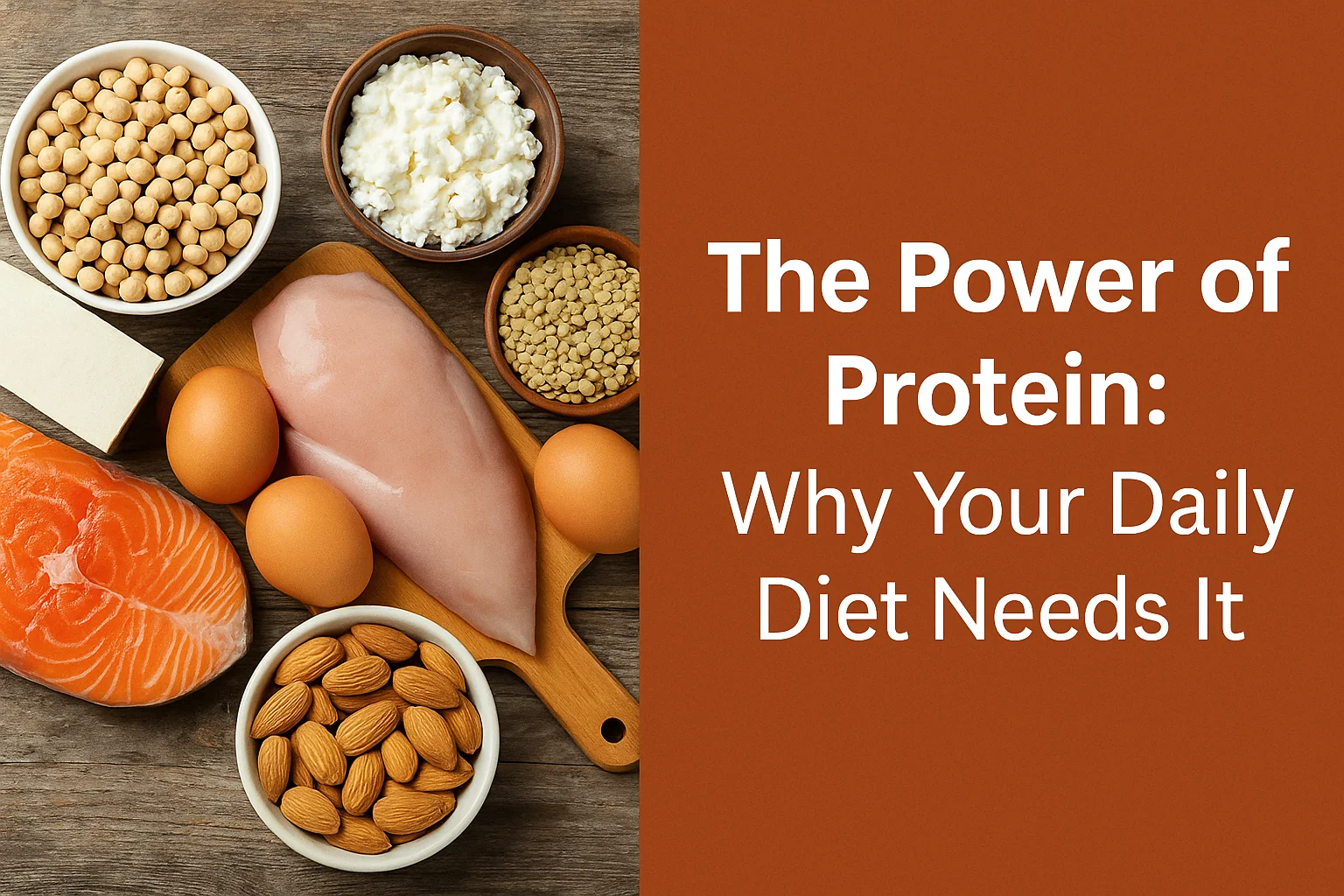
The Power of Protein: Why Your Daily Diet Needs It 🍽️ What Is Protein and Why Does It Matter? Proteins are the building blocks of life. Every cell in your body — from your muscles and skin to your hair and nails — is made up of proteins. It’s not just about muscle building; protein plays a crucial role in everything from hormone regulation to immune defense, tissue repair, and enzymatic functions. In simple words, protein = function + structure + recovery. ⚖️ How Much Protein Do You Need? While the exact requirement depends on age, gender, activity level, and health status, a general guideline is: 0.8 – 1.0 grams per kg of body weight for sedentary adults 1.2 – 2.0 grams per kg for active individuals, pregnant women, or people recovering from illness For example, if you weigh 70 kg, you may need around 56–140 grams of protein a day depending on your lifestyle. 🧠 Why Protein Is Important in Your Daily Diet 1. Muscle Maintenance and Growth : Protein helps repair and rebuild muscle tissues, making it essential for athletes, the elderly, and even desk workers trying to stay fit.2. Satiety and Weight Management : High-protein meals keep you full for longer, reducing unhealthy snacking and aiding in weight control.3. Supports Immune Function : Antibodies and immune cells are made of proteins. A protein-deficient diet can lower immunity and increase susceptibility to infections.4. Hormonal and Enzymatic Balance : Many hormones (like insulin) and enzymes that regulate your body’s processes are protein-based.5. Better Skin, Hair, and Nails : Keratin, collagen, and elastin — the proteins that give you glowing skin, strong nails, and healthy hair — all depend on dietary protein intake. 🥗 Common Sources of Protein Animal-Based Proteins: Eggs Milk, curd, paneer Chicken, fish, mutton Cheese and whey protein supplements Vegetarian Protein Sources: Lentils (dal), chickpeas (chana), kidney beans (rajma) Soybean, tofu, tempeh Quinoa, oats Nuts and seeds (almonds, peanuts, chia, flaxseed) Dairy products like curd and paneer Sprouted grains and legumes 📊 Vegetarian Protein Chart (Per 100g) Food Item Protein (g) Moong Dal (Split) 24g Chickpeas (Chana) 19g Tofu 8g Paneer 18g Soybeans (boiled) 16g Quinoa (cooked) 4g Peanuts 26g Almonds 21g 💡 Tip: Combine cereals with pulses (e.g., rice + dal, chapati + chana) to get a complete amino acid profile. ❗ What Happens If You Don’t Get Enough Protein? Fatigue and low energy Poor immunity Muscle loss and weakness Hair thinning, brittle nails Slower wound healing Mood swings and brain fog 🧠 Final Thoughts: Prioritize Protein Daily Whether you’re trying to lose weight, build muscle, stay active, or simply age well, protein is non-negotiable. Make sure each of your daily meals includes a good source of protein. If you’re vegetarian or vegan, don’t worry — there are plenty of plant-based options to meet your needs. And if needed, consult a nutritionist to optimize your protein intake based on your health goals. 📞 Want to know if your protein levels are optimal? Book your nutritional assessment or preventive health check with PrognoHealth today! 📧 helpdesk@prognohealth.com 📞 +91-9510650660 🌐 www.prognohealth.com
Read MoreTop rated products
-
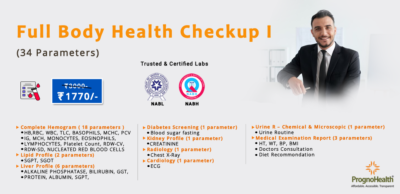 Full Body Health Checkup I
Original price was: ₹3,000.00.₹1,770.00Current price is: ₹1,770.00.
Full Body Health Checkup I
Original price was: ₹3,000.00.₹1,770.00Current price is: ₹1,770.00.
-
 MFG IND PACK III
Original price was: ₹3,900.00.₹2,145.00Current price is: ₹2,145.00.
MFG IND PACK III
Original price was: ₹3,900.00.₹2,145.00Current price is: ₹2,145.00.
-
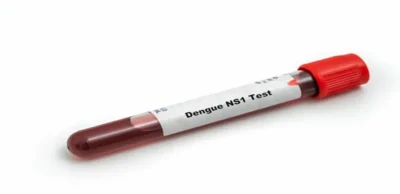 Dengue NS1 Antigen Test
₹900.00
Dengue NS1 Antigen Test
₹900.00
-
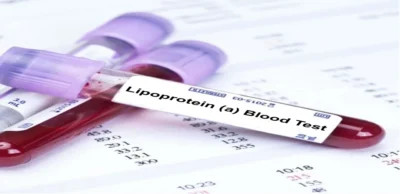 Lipoprotein (A) Blood Test – Lp(a)
₹750.00
Lipoprotein (A) Blood Test – Lp(a)
₹750.00
-
 Healthy Life Advance Male
Original price was: ₹15,000.00.₹8,250.00Current price is: ₹8,250.00.
Healthy Life Advance Male
Original price was: ₹15,000.00.₹8,250.00Current price is: ₹8,250.00.