PrognoHealth – Corporate Health & Wellness Specialist

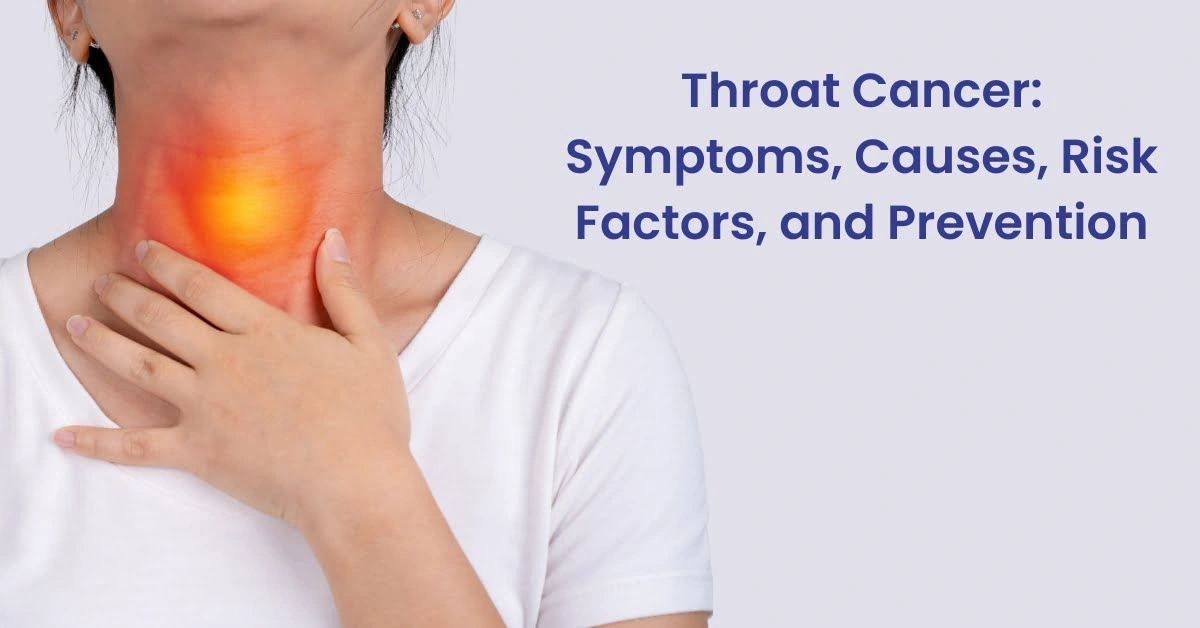
Throat Cancer – Types, Symptoms, Prevention and Treatment Throat cancer refers to malignant tumors that develop in the throat (pharynx), voice box (larynx), or tonsils. It is a broad term that encompasses various types of cancers, including those affecting different parts of the throat. Types of Throat Cancer Pharyngeal Cancer: Nasopharyngeal Cancer: Location: Occurs in the upper part of the throat behind the nose (nasopharynx). Oropharyngeal Cancer: Location: Affects the middle part of the throat, including the back of the tongue, tonsils, and the soft palate. Hypopharyngeal Cancer: Location: Found in the lower part of the throat above the esophagus and trachea (hypopharynx). Laryngeal Cancer: Location: Develops in the larynx (voice box), which is involved in breathing, speaking, and protecting the trachea against food aspiration. Tonsillar Cancer: Location: A type of oropharyngeal cancer that begins in the tonsils, part of the lymphatic system at the back of the throat. Risk Factors and Causes Tobacco Use: Primary Risk Factor: Smoking cigarettes, cigars, or pipes, as well as chewing tobacco, significantly increases the risk of throat cancer. Alcohol Consumption: High-Risk Behavior: Heavy alcohol use is strongly associated with an increased risk, particularly when combined with tobacco use. Human Papillomavirus (HPV) Infection: Increasing Cause: Certain strains of HPV, especially HPV-16, are linked to the development of oropharyngeal cancers. Age and Gender: Demographics: Most common in people over 50 and more prevalent in men than in women. Diet and Nutrition: Nutritional Deficiencies: Poor diet, particularly low intake of fruits and vegetables, can elevate risk. Gastroesophageal Reflux Disease (GERD): Chronic Irritation: Acid reflux may contribute to cancer in the throat and voice box. Occupational Hazards: Exposure Risks: Jobs involving exposure to asbestos, chemicals, or wood dust can increase the risk. Genetics and Family History: Inherited Factors: A family history of throat or related cancers can play a role in increased risk. Symptoms of Throat Cancer Persistent Sore Throat: Duration: A sore throat that doesn’t go away, even after treatment, can be a symptom. Voice Changes: Hoarseness or Weak Voice: Changes in voice quality, persistent hoarseness, or voice loss. Difficulty Swallowing: Dysphagia: A feeling that food is stuck in the throat or trouble swallowing. Ear Pain: Referred Pain: Pain in the ear that doesn’t originate from an ear infection. Lump in the Throat or Neck: Visible or Palpable Mass: A noticeable mass that doesn’t subside. Unexplained Weight Loss: Cancer Indicator: Significant and unintended weight loss can be a sign. Chronic Cough: Persistent Cough: A cough that lingers and doesn’t respond to usual treatments. Breathing Difficulties: Stridor or Dyspnea: Noisy breathing or shortness of breath. Diagnosis of Throat Cancer Physical Examination: Initial Assessment: Thorough examination of the throat, neck, and lymph nodes by a healthcare provider. Endoscopy: Direct Visualisation: Use of a flexible scope to inspect the throat and larynx, and to take tissue samples if necessary. Types: Laryngoscopy for the larynx and nasopharyngoscopy for the nasopharynx. Imaging Tests: CT Scan: Provides detailed cross-sectional images of the head and neck. MRI: Offers high-resolution images to differentiate between normal and abnormal tissues. PET Scan: Detects cancer cells based on their increased glucose metabolism. Biopsy: Definitive Diagnosis: Removal of a tissue sample for microscopic examination to confirm the presence of cancer cells. Fine Needle Aspiration (FNA): Lymph Node Analysis: Uses a thin needle to extract cells from a lump in the neck for analysis. HPV Testing: Viral Association: Tests to determine the presence of high-risk HPV strains, particularly for oropharyngeal cancers. Staging of Throat Cancer Throat cancer is staged based on the size of the tumor, lymph node involvement, and whether cancer has spread (metastasis). The TNM system is commonly used: T (Tumor): Size and extent of the primary tumor. N (Nodes): Degree of spread to regional lymph nodes. M (Metastasis): Presence or absence of distant metastasis. Treatment of Throat Cancer Surgery: Tumor Resection: Removal of the tumor and some surrounding healthy tissue. Laryngectomy: Partial or total removal of the larynx, which may be necessary for advanced laryngeal cancer. Neck Dissection: Removal of lymph nodes in the neck to prevent the spread of cancer. Radiation Therapy: External Beam Radiation: Targets the cancer with high-energy beams from outside the body. Brachytherapy: Places radioactive seeds close to or inside the tumor for internal radiation. Chemotherapy: Systemic Treatment: Uses drugs to kill cancer cells or stop their growth; often combined with radiation (chemoradiation). Neoadjuvant and Adjuvant Therapy: Administered before surgery to shrink tumors or after to eliminate remaining cancer cells. Targeted Therapy: Precision Medicine: Drugs like cetuximab target specific aspects of cancer cells, such as the epidermal growth factor receptor (EGFR). Immunotherapy: Immune Activation: Drugs such as pembrolizumab (Keytruda) or nivolumab (Opdivo) help the immune system recognize and attack cancer cells, particularly in cases of advanced or recurrent throat cancer. Prevention and Risk Reduction Avoid Tobacco and Alcohol: Primary Prevention: Eliminating or reducing the use of tobacco and alcohol significantly lowers the risk. HPV Vaccination: Preventive Measure: Vaccination against HPV can reduce the risk of HPV-related throat cancers. Healthy Diet and Lifestyle: Nutrition and Exercise: A diet rich in fruits and vegetables and regular physical activity can help lower the risk of throat cancer. Protective Measures at Work: Occupational Safety: Using protective equipment and following safety protocols to minimise exposure to harmful substances. Regular Medical Check-Ups: Early Detection: Routine check-ups and prompt attention to persistent symptoms can facilitate early diagnosis and treatment. Innovations and Future Directions Advanced Imaging Techniques: Enhanced Detection: Techniques like PET/CT and MRI provide detailed visualisation and help in precise tumor mapping. Minimally Invasive Surgery: Robotic Surgery: Robotic-assisted procedures offer precision with smaller incisions and quicker recovery times. Endoscopic Surgery: Minimally invasive approaches for tumor removal with less impact on function and appearance. Personalized Medicine: Genetic Profiling: Tailoring treatment based on genetic and molecular characteristics of the tumor to improve outcomes. Combination Therapies: Multimodal Approaches: Combining different therapies (surgery, radiation, chemotherapy, and immunotherapy) for more effective treatment strategies. Immunotherapy Advances: New Treatments: Ongoing research into checkpoint inhibitors and other immune-modulating drugs offers hope for more effective treatment of
Read MoreTop rated products
-
 Full Body Health Checkup I
Original price was: ₹3,000.00.₹1,770.00Current price is: ₹1,770.00.
Full Body Health Checkup I
Original price was: ₹3,000.00.₹1,770.00Current price is: ₹1,770.00.
-
 MFG IND PACK III
Original price was: ₹3,900.00.₹2,145.00Current price is: ₹2,145.00.
MFG IND PACK III
Original price was: ₹3,900.00.₹2,145.00Current price is: ₹2,145.00.
-
 Dengue NS1 Antigen Test
₹900.00
Dengue NS1 Antigen Test
₹900.00
-
 Lipoprotein (A) Blood Test – Lp(a)
₹750.00
Lipoprotein (A) Blood Test – Lp(a)
₹750.00
-
 Healthy Life Advance Male
Original price was: ₹15,000.00.₹8,250.00Current price is: ₹8,250.00.
Healthy Life Advance Male
Original price was: ₹15,000.00.₹8,250.00Current price is: ₹8,250.00.