Last Updated on: January 23, 2026

Thalassemia
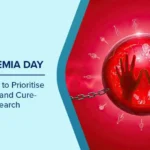
Thalassemia is a group of inherited blood disorders characterized by the abnormal production of hemoglobin, the protein in red blood cells that carries oxygen. There are two main types of thalassemia: alpha thalassemia and beta thalassemia. Alpha thalassemia affects the production of the alpha globin part of hemoglobin, while beta thalassemia affects the production of the beta globin part of hemoglobin.
Symptoms of thalassemia can vary depending on the type and severity of the disorder. In mild cases, there may be no symptoms at all. In more severe cases, symptoms may include fatigue, weakness, paleness, slow growth and development, and an enlarged spleen and liver. People with thalassemia may also have a tendency to develop infections and may have a yellowing of the skin and eyes (jaundice).
Diagnosis of thalassemia is made through blood tests, including a complete blood count (CBC) and a hemoglobin electrophoresis test. Genetic testing may also be done to confirm the diagnosis and determine the specific type of thalassemia.
Treatment for thalassemia depends on the type and severity of the disorder. In mild cases, no treatment may be necessary. In more severe cases, treatment may include regular blood transfusions to increase the number of red blood cells, chelation therapy to remove excess iron from the body, and in some cases, a bone marrow transplant.
Preventing thalassemia from occurring is key to protecting the health of individuals and families. This can be done by having genetic counseling and testing before having children, especially if there is a family history of thalassemia. Annual health check-ups and corporate health & wellness programs can play a crucial role in preventing thalassemia.
These check-ups can help identify potential health risks, such as exposure to thalassemia-causing gene mutations, and provide individuals with the resources and support they need to stay healthy. Corporate health & wellness programs can also help promote healthy habits, such as regular exercise and a healthy diet, which can help reduce the risk of thalassemia and other inherited blood disorders.
In terms of diet and exercise, a healthy diet with plenty of fruits and vegetables can help improve overall health and support the body’s need for iron. Regular exercise, such as brisk walking or cycling, can also help improve overall health and reduce the risk of certain health issues.
In conclusion, Thalassemia is a group of inherited blood disorders characterized by the abnormal production of hemoglobin. Symptoms can vary depending on the type and severity of the disorder and may include fatigue, weakness, paleness, slow growth, and an enlarged spleen and liver. Preventing thalassemia from occurring is key to protecting the health of individuals and families and this can be done by having genetic counseling and testing before having children. Annual health check-ups and corporate health & wellness programs can play a crucial role in preventing thalassemia and promoting overall health. A healthy diet and regular exercise can also help reduce the risk of thalassemia and other inherited blood disorders.

Tags:
Blog Categories
Top rated products
-
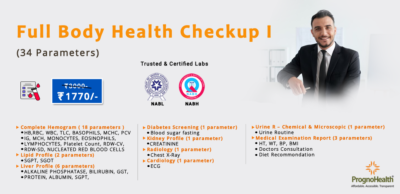 Full Body Health Checkup I
Rated 5.00 out of 5
Full Body Health Checkup I
Rated 5.00 out of 5₹3,000.00Original price was: ₹3,000.00.₹1,770.00Current price is: ₹1,770.00. -
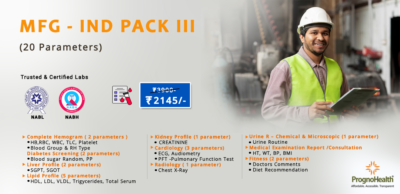 MFG IND PACK III
₹3,900.00Original price was: ₹3,900.00.₹2,145.00Current price is: ₹2,145.00. -
 Dengue NS1 Antigen Test
₹900.00
Dengue NS1 Antigen Test
₹900.00
-
 Lipoprotein (A) Blood Test – Lp(a)
₹750.00
Lipoprotein (A) Blood Test – Lp(a)
₹750.00
-
 Healthy Life Advance Male
₹15,000.00Original price was: ₹15,000.00.₹8,250.00Current price is: ₹8,250.00.
About Us
Progno Health is a Corporate Health & Wellness Specialist providing services to Pan India. We offer Pre-employment Health Checkup Packages, Annual Health Checkup Packages, Executive Health Checkup Packages, Occupational Health Checkup Packages, and other Health & Wellness Services.
Popular Packages
Sale!
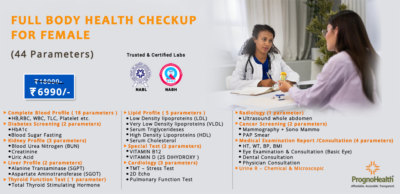
Full Body Health Checkup A 30 F
Sale!